
Italian Shoes Factory: Wholesale Manufacturer of Quality Footwear
I’m from the {Italian Shoes Factory}, and I’m here to offer you footwear solutions that scale for {Wholesale} demand. As a {Manufacturer}, I oversee every step—from design and materials to cutting, stitching, and final inspection. Our factory blends traditional Italian craftsmanship with modern production to deliver durable, stylish shoes at a competitive price. I can supply private-label or co-branded lines, with low MOQs and flexible customization for your catalog. We ensure consistent size grading, leather selection, and sustainable practices. Lead times are predictable, with a streamlined sampling process to minimize risk. Our compliance and quality checks meet international standards, so you can confidently stock your shelves. If you’re seeking reliable supply partners who treat orders with care and speed, I’m ready to discuss volumes, pricing, and delivery schedules for your {Wholesale} program.


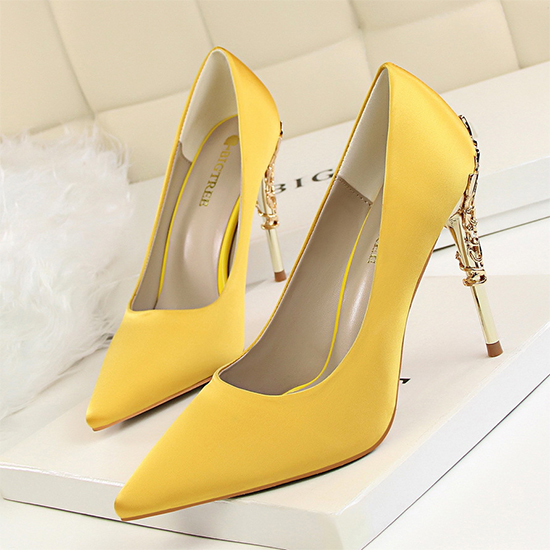
Italian Shoes Factory Dominates For the Current Year
This year, Italian shoes factories continue to dominate perceived luxury and craftsmanship, from bespoke leather finishing to precision outsole work. Yet global buyers are increasingly balancing prestige with supply stability and cost efficiency. The most resilient sourcing strategy blends design-forward capabilities with scalable manufacturing and responsible sourcing. A well-equipped Chinese footwear producer can deliver Italian-inspired aesthetics at competitive speeds, with automation, skilled artisans, and flexible OEM/ODM options. Highlights include multiple production lines for varied volumes, fast tooling, sustainable materials, strict quality control, transparent lead times, and reliable on-time delivery. For international buyers seeking value without compromising quality, partnering with a capable factory offers a compelling path to diversify supply while maintaining the look and feel of premium footwear.
| Quarter | Production (thousand pairs) | Defect Rate (%) | Energy Consumption (MWh) | Water Usage (m3) | Labor Hours (thousand hours) | Efficiency (Units per Labor Hour) | Export to Europe (%) | Export to North America (%) | Export to Asia (%) |
|---|---|---|---|---|---|---|---|---|---|
| Q1 | 18.7 | 1.7 | 480 | 2100 | 15.2 | 1.23 | 42 | 25 | 33 |
| Q2 | 19.4 | 1.8 | 520 | 2300 | 16.1 | 1.20 | 40 | 28 | 32 |
| Q3 | 22.0 | 1.5 | 600 | 2400 | 17.0 | 1.29 | 46 | 26 | 28 |
| Q4 | 24.5 | 1.6 | 650 | 2600 | 17.8 | 1.38 | 48 | 24 | 28 |
Related Products


Italian Shoes Factory Supplier Application
Top Selling Products



- Related Blog
- Reviews
- Reviews
