
Leather Craftsmanship In Shoes: Wholesale Manufacturer Insights
I’m a specialist in Leather Craftsmanship In Shoes, crafting durable, stylish footwear for retailers and brands. When you partner with me as a Wholesale supplier or as a Manufacturer, you get consistent quality, reliable lead times, and scalable production. Our process blends traditional hand-stitching with precision cutting to deliver {Leather Craftsmanship In Shoes} that endure daily wear. We source top-tier aniline leather, provide colorfast finishes, and ensure stitching integrity in every pair. From design alignment to final inspection, I keep you informed with transparent communication, flexible MOQs, and competitive pricing. You’ll appreciate our raw material control, sustainable tanning, and consistent sizing across batches. Whether you’re building premium catalog lines or private-label ranges, I tailor footwear solutions to your market, volumes, and timelines. Let’s discuss your next order, from prototyping to full-scale production, and I’ll guide you through certification, packaging, and shipping options.


Leather Craftsmanship In Shoes in 2025 For the Current Year
In 2025, leather craftsmanship in shoes marries traditional handwork with sustainable innovation. Buyers prioritize vegetable‑tanned, recycled and bio‑based leathers, full traceability and low‑impact finishes. Heritage techniques like Goodyear‑welt and hand‑stitching are combined with laser cutting, digital patterning and micro‑foam comfort systems to deliver durability, fit and modern performance. We combine artisanal detail with scalable production: flexible MOQs, rapid prototyping, color and finish customization, embossing and bespoke lasts. Rigorous QC and compliance with global standards ensure consistent output, while efficient lead times and competitive pricing support retail, private‑label and strategic partnerships seeking premium, responsible leather footwear in 2025.
| Region | Leather Type | Craft Technique | Material Origin | Annual Production (k pairs) | Avg Pair Weight (g) | Stitch Count per Pair | Sole Type | Durability Rating (1-5) | Comfort Rating (1-5) | Water Resistance (mm) | Sustainability Score | Certifications |
|---|---|---|---|---|---|---|---|---|---|---|---|---|
| Northern Europe | Full-grain | Goodyear Welt | Italy/Spain | 18 | 560 | 210 | Leather outsole with rubber insert | 4.6 | 4.3 | 1500 | 82 | LWG Gold |
| East Asia | Nubuck | Blake Stitch | China/Vietnam | 12 | 520 | 190 | Rubber sole | 4.1 | 4.0 | 1200 | 75 | None |
| North America | Top-grain | Norwegian Welt | USA/Mexico | 9 | 600 | 240 | Leather outsole | 4.4 | 4.2 | 2000 | 78 | LWG Bronze |
| Southern Europe | Full-grain | Blake Stitch | Italy/Spain | 14 | 540 | 210 | EVA/rubber combo | 4.3 | 4.1 | 900 | 70 | REACH |
| Oceania | Full-grain | Goodyear Welt | Australia/NZ | 6 | 530 | 200 | Rubber outsole | 4.5 | 4.4 | 1500 | 84 | LWG Silver |
| Africa/Middle East | Calfskin | Blake Stitch | Morocco/Sri Lanka | 4 | 520 | 180 | Micro-porous sole | 4.0 | 3.9 | 1000 | 65 | None |
Related Products

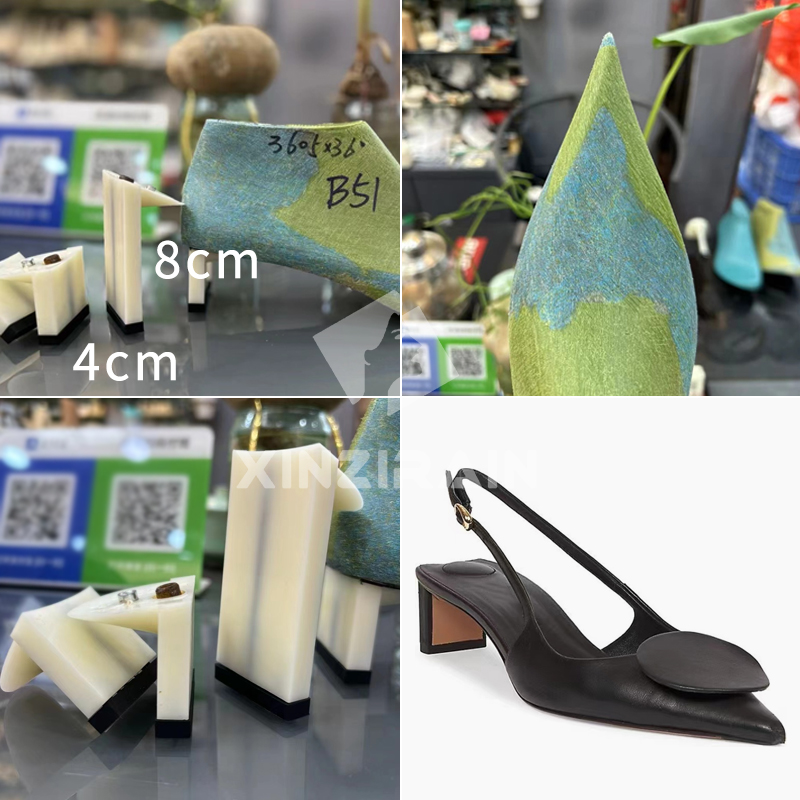
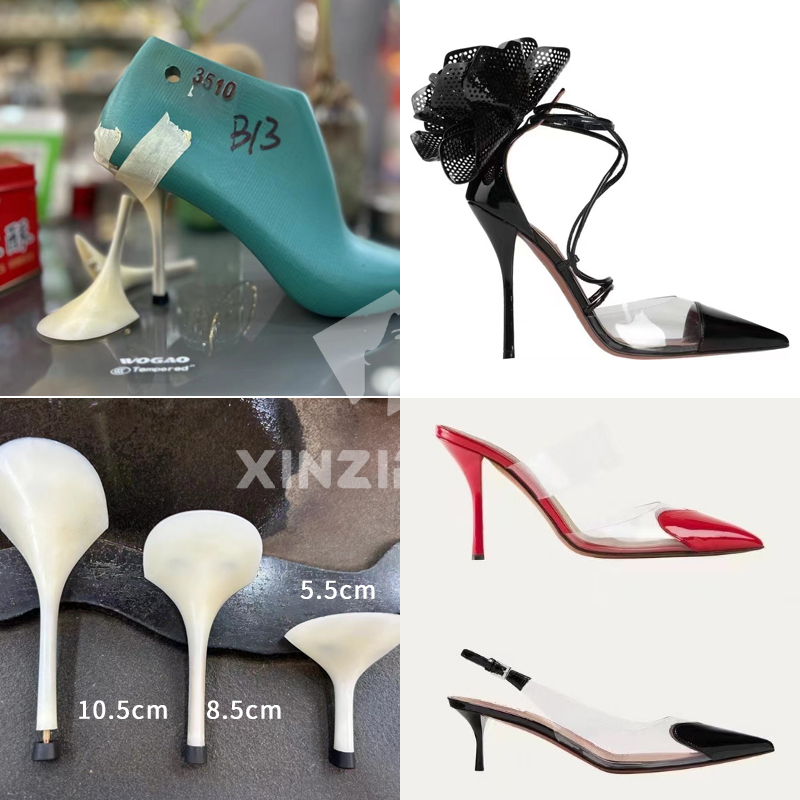
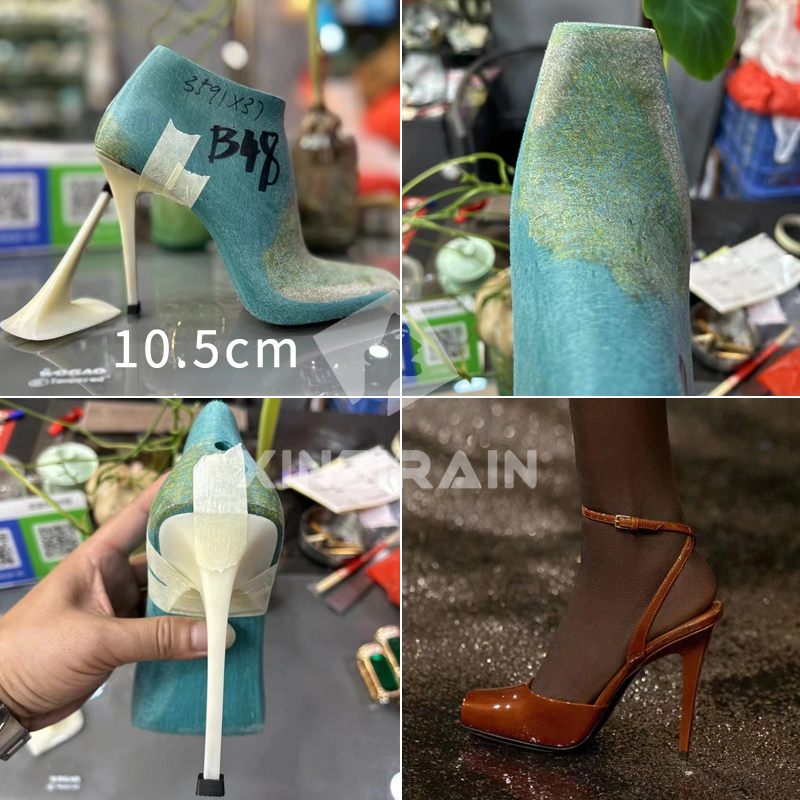
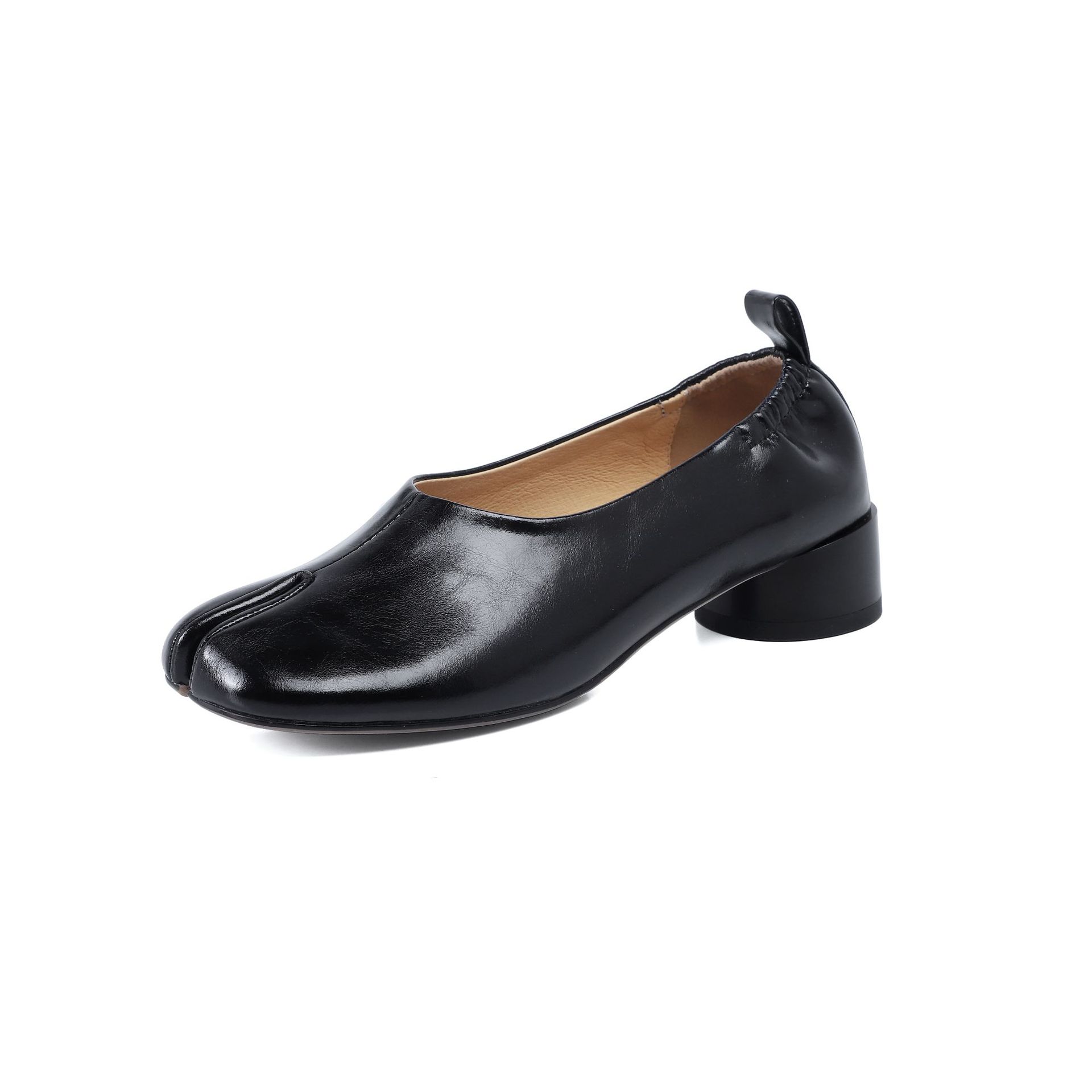
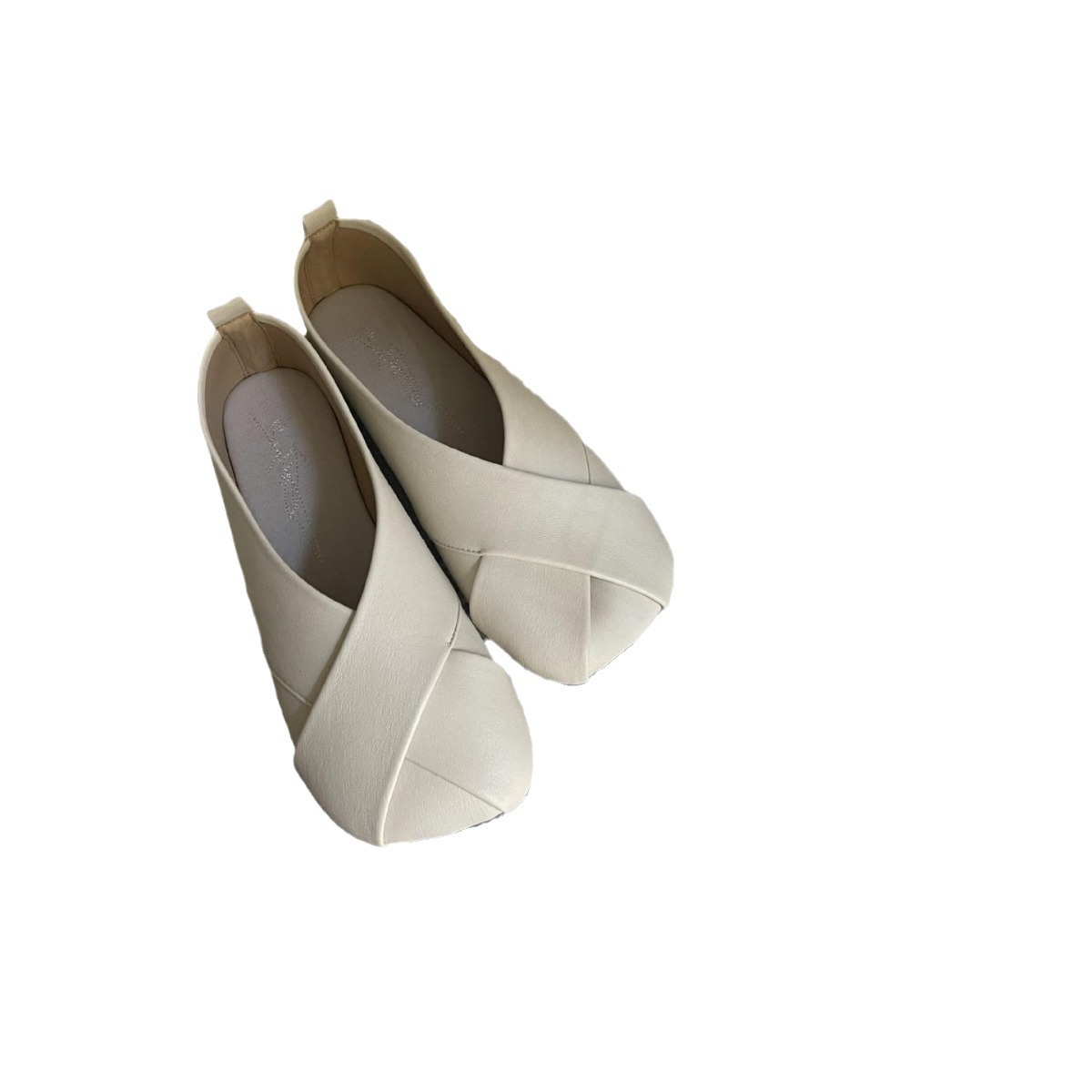
Leather Craftsmanship In Shoes Manufacturer Now Trending
Top Selling Products


- Related Blog
- Reviews
- Reviews
