
Bag Manufacturing: Wholesale Manufacturer for Quality Bags
From a buyer's point of view, I partner with a reliable Bag Manufacturing facility that serves Wholesale buyers and acts as a true Manufacturer. We offer a wide range of durable, eco-friendly materials, custom sizes, and quick lead times. My goal is to help wholesalers stock profitable bags—backpacks, totes, zip pouches, and promotional bags—without sacrificing quality. As a hands-on Manufacturer, we control every step: design, sourcing, stitching, finishing. We provide CAD samples, rapid prototyping, and scalable production runs. Pricing is clear, MOQ friendly, and we can adapt to private labeling. I focus on durability, colorfastness, and seam strength, so your customers trust our products. Our factory uses lean processes, ISO-compliant quality checks, and sustainable packaging. If you’re sourcing wholesale bags, I’ll tailor a program that blocks out risk with consistent on-time delivery and transparent communication. Let’s build a long-term partnership in Bag Manufacturing that grows your catalog and margins.
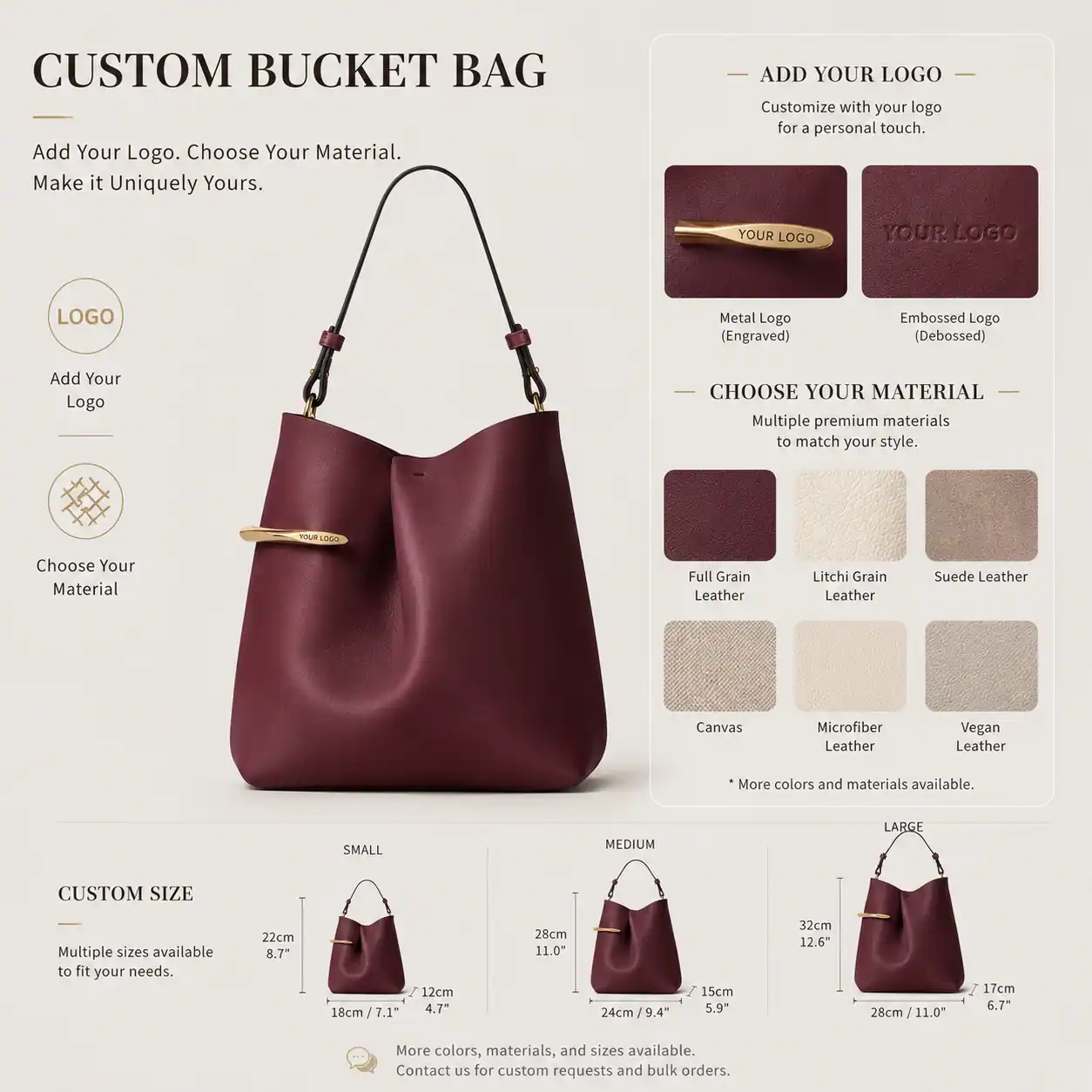


Bag Manufacturing Products Industry Giant
As a leading bag manufacturer with global reach, we offer end-to-end capabilities from concept to delivery. Our facilities feature automated cutting, stitching, and finishing lines, enabling rapid prototyping and high-volume production with tight tolerances. We provide OEM/ODM services and a broad material palette—from PU and genuine leather to recycled fabrics—covering backpacks, totes, briefcases, and more. In-house R&D and value engineering optimize design for function and cost, while strict QA ensures consistent quality across lots. For global buyers, this means reliable supply, clear lead times, and scalable capacity to meet seasonal demand. We maintain certifications, ethical practices, and full material traceability, with flexible MOQs and careful packaging for smooth international logistics. Whether you seek private labeling, co-branding, or a vendor-managed program, we align with your procurement strategy to shorten development cycles and deliver durable, stylish bags that perform in markets worldwide.
{ Bag Manufacturing Products Industry Giant}
| Product Type | Material | Dimensions (cm) | Weight per Unit (g) | Production Lines | Annual Output (units) | Energy per Unit (kWh) | Lead Time (days) | Certifications | Market Segment |
|---|---|---|---|---|---|---|---|---|---|
| Backpack | Nylon 840D | 31 x 14 x 43 | 520 | 6 | 180,000 | 0.23 | 14 | ISO 9001; REACH | Consumer |
| Messenger Bag | Polyester 600D | 28 x 9 x 38 | 320 | 5 | 240,000 | 0.18 | 10 | ISO 9001; OEKO-TEX | Business |
| Tote Bag | Cotton Canvas | 38 x 12 x 40 | 260 | 3 | 550,000 | 0.10 | 7 | ISO 9001; GRS | Retail |
| Duffel Bag | 1000D Nylon | 60 x 28 x 28 | 820 | 4 | 120,000 | 0.28 | 12 | ISO 9001; BSCI | Sports |
| Laptop Sleeve | PU Leather | 35 x 2.5 x 26 | 180 | 2 | 70,000 | 0.12 | 8 | OEKO-TEX; ISO 9001 | Business |
| Crossbody Bag | Leatherette | 22 x 6 x 18 | 150 | 3 | 90,000 | 0.05 | 9 | ISO 9001 | Lifestyle |
| Gym Bag | Ripstop Nylon | 46 x 22 x 28 | 420 | 3 | 150,000 | 0.15 | 11 | ISO 9001; REACH | Sports |
| Sling Bag | PU Coated Polyester | 24 x 7 x 18 | 180 | 2 | 45,000 | 0.04 | 7 | OEKO-TEX | Casual |
Related Products


Bag Manufacturing Stands Out Dominates
Top Selling Products


- Related Blog
- Reviews
- Reviews
