
Shoe And Heel Wholesale Manufacturer | Quality Footwear Solutions
I’m here to help you expand your footwear line with quality Shoe And Heel options. As a dedicated wholesale partner and direct Manufacturer, I understand what B2B buyers need: consistent stock, fair pricing, and flexible customization. Our range blends comfort, durability and style—crafted with genuine leather, reinforced stitching, and non-slip outsoles designed for daily wear. I offer Wholesale terms that fit your business, including competitive MOQ, scalable production, and reliable lead times. You can count on us to adapt to your private label requests, from simple color changes to branded packaging. We produce in controlled facilities with strict QC, so you rarely face returns. Whether you’re stocking boutiques or online distributors, this Shoe And Heel line supports growth without the headaches. Let me show you sample options, bulk discounts, and ship-ready catalogues. I think we can build a long lasting partnership that keeps your shelves full and your customers happy.
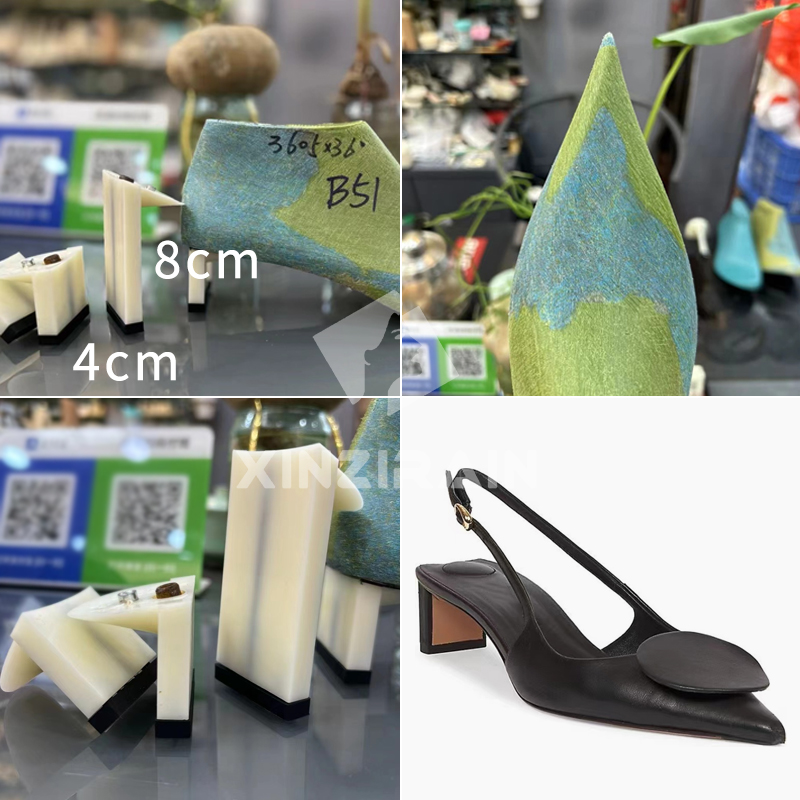
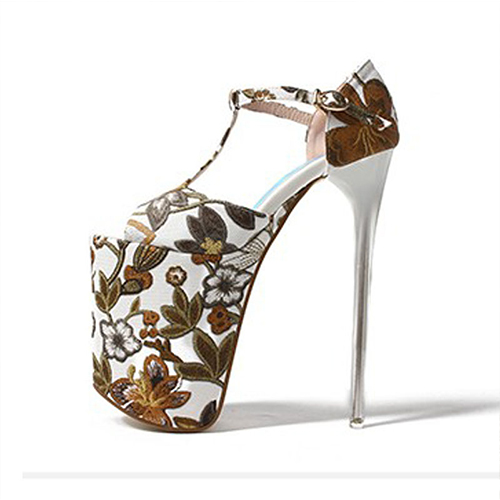
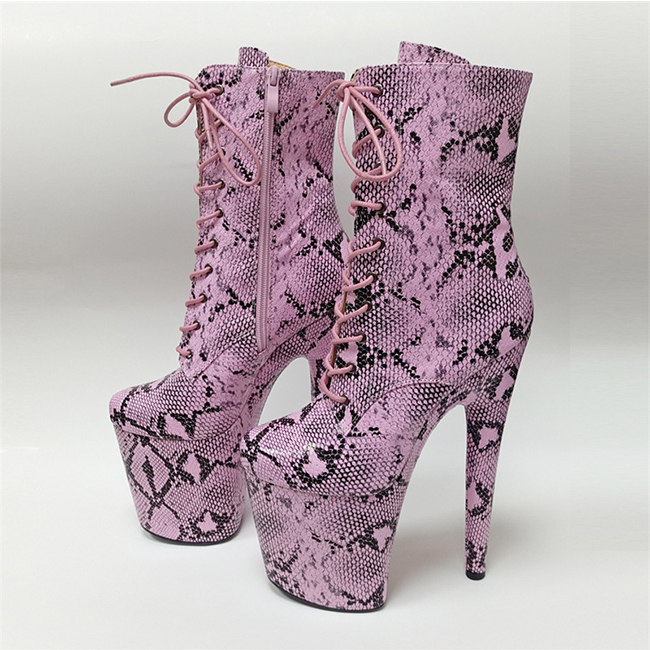
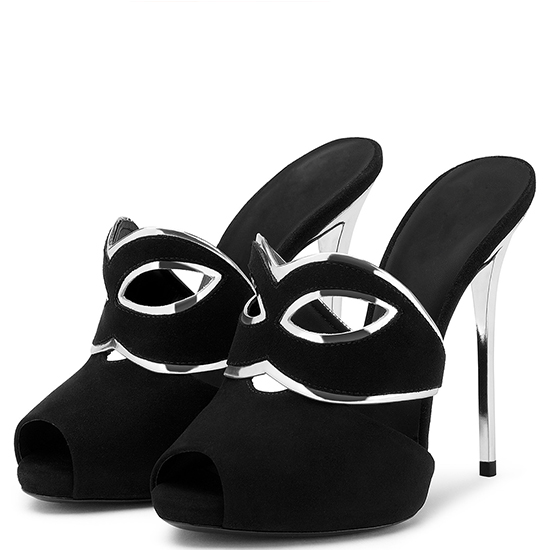
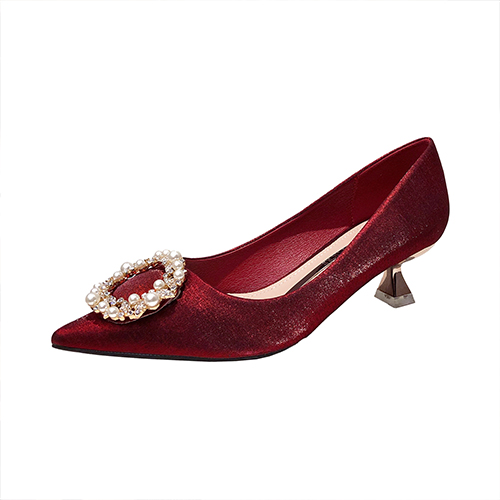
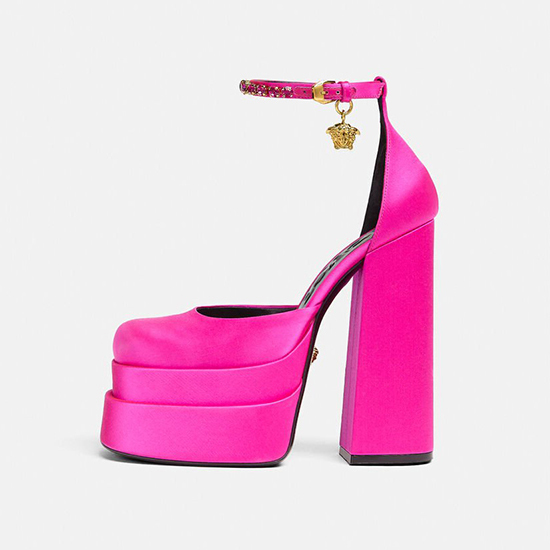
Shoe And Heel Service Manufacturers You Can Rely On
Global buyers seeking shoe and heel service manufacturers can rely on a partner that covers concept through delivery. From design support, rapid prototyping, and tooling to full production, they handle uppers, insoles, outsoles, linings, and heel components with precision. They offer both OEM and ODM options, enabling customization of materials, colors, sizes, and fittings. Rigorous quality control tracks every step—from incoming materials to in-process checks and final testing—ensuring consistency, safety, and performance. Clear pricing, scalable capacity, and flexible MOQs meet projects of all sizes and timelines. Beyond production, dependable manufacturers build resilient supply chains with traceability and contingency plans. They provide lead time assurances, production scheduling, and agile handling of changes and samples. Ethical practices, sustainable materials, and compliance with international standards reassure buyers about safety and environmental responsibility. Digital collaboration tools enable real-time order tracking and design reviews, while packaging and logistics support smooth global distribution. Choose a partner who blends creativity with reliability to bring every concept to market.
| Manufacturer Code | Region | Primary Specialization | Materials Used | Certifications | Avg Turnaround (Days) | Monthly Capacity (pairs) | Warranty (Months) | Avg Lead Time per Order (Days) | Client Sectors | Quality Rating | Years in Operation |
|---|---|---|---|---|---|---|---|---|---|---|---|
| Mfr-001 | APAC | Re-sole | Rubber, Leather | ISO 9001 | 5 | 800 | 12 | 3 | Sports, Casual | 4.5 | 12 |
| Mfr-002 | EMEA | Re-heel and Stitching | Nylon, Leather, Steel | ISO 9001, ISO 14001 | 4 | 1200 | 24 | 2 | Fashion, Casual, Outdoor | 4.7 | 18 |
| Mfr-003 | NA | Full-Service (Sole & Heel) | Leather, Rubber, EVA | ISO 9001 | 6 | 650 | 12 | 3 | Sports, Safety | 4.3 | 14 |
| Mfr-004 | EMEA | Heel Caps & Cushioning | Polyurethane, Foam | ISO 9001, ISO 45001 | 7 | 500 | 18 | 4 | Fashion, Casual | 4.2 | 9 |
| Mfr-005 | APAC | Sole Replacement | TPU, Rubber | ISO 9001, ISO 14001 | 5 | 900 | 12 | 2 | Sports, Outdoor | 4.6 | 7 |
| Mfr-006 | NA | Orthotic Insole and Repair | Cork, EVA | ISO 9001 | 8 | 400 | 6 | 5 | Safety, Medical | 4.1 | 11 |
| Mfr-007 | LATAM | Rebuild & Repair | Leather, Synthetic | ISO 9001 | 9 | 300 | 12 | 4 | Casual, Fashion | 3.9 | 6 |
Related Products
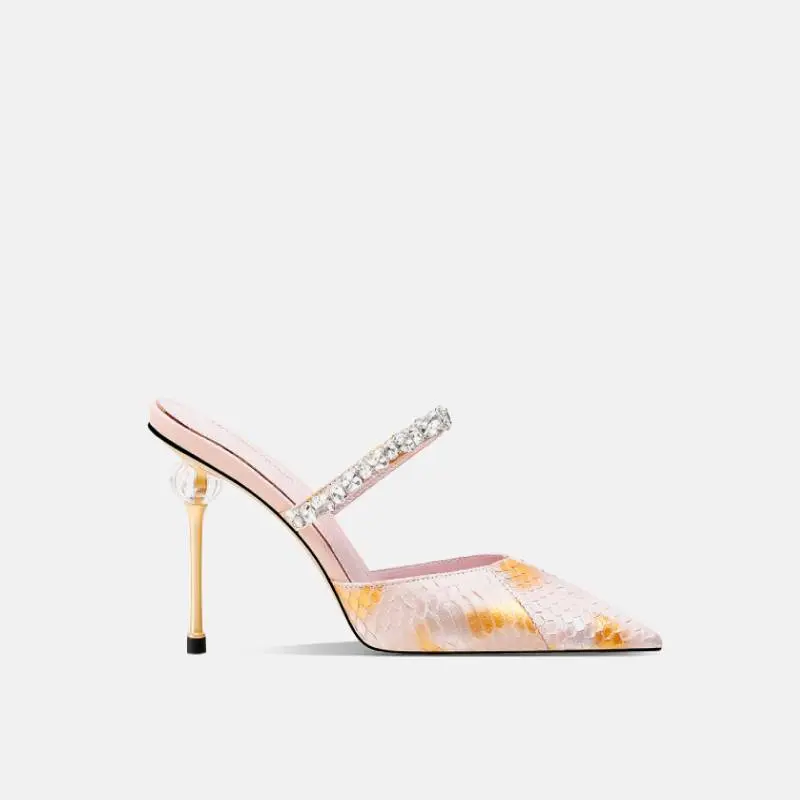
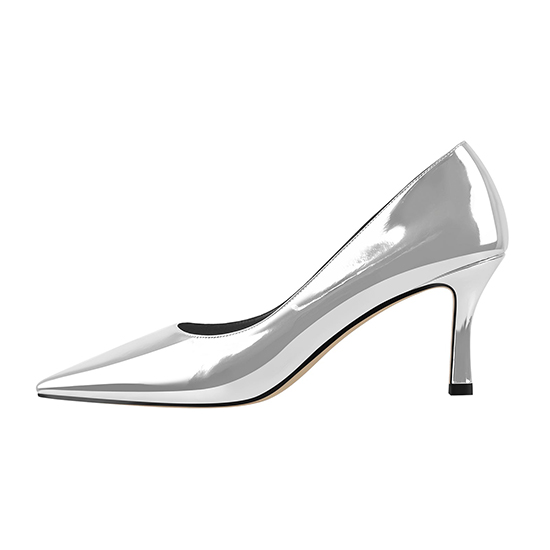
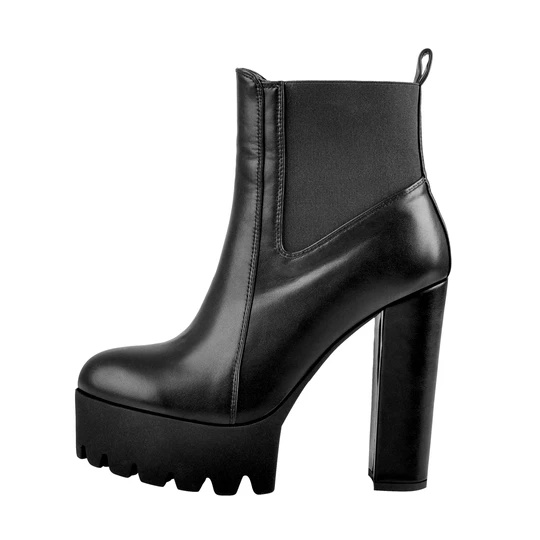
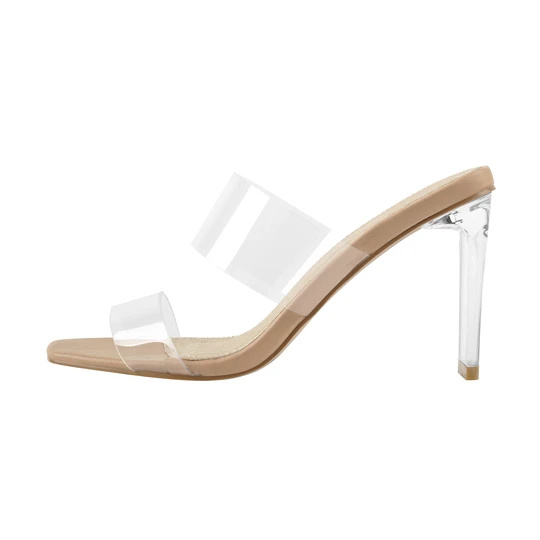
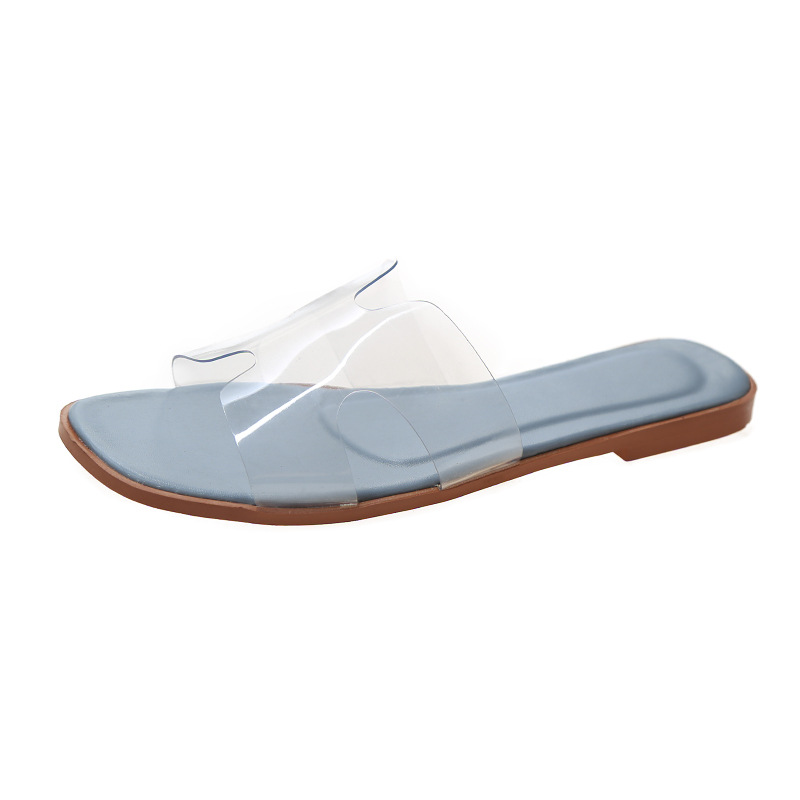
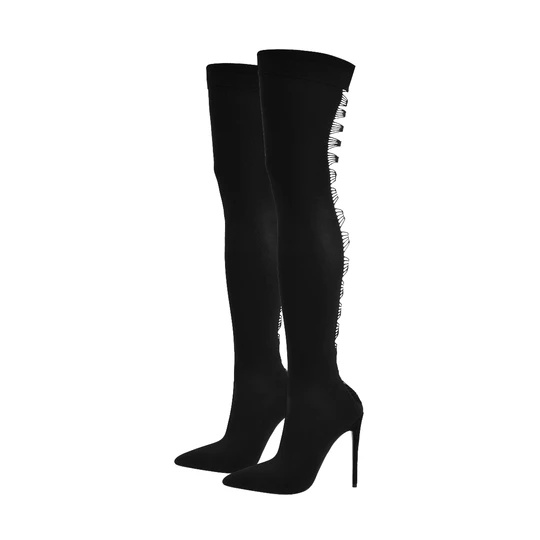
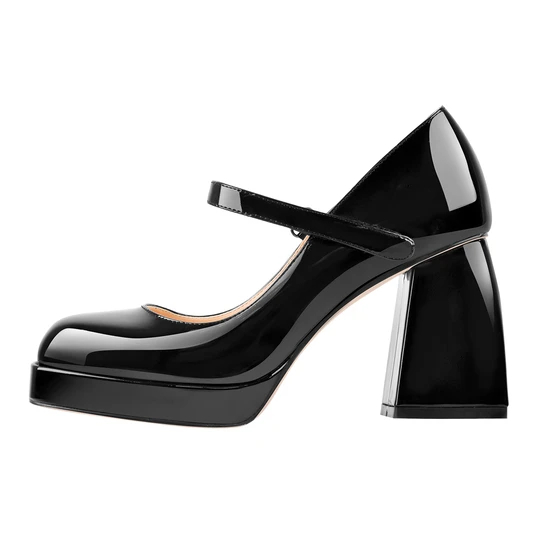
wholesale plus size women shoes platform stripper heels and custom plus size stripper heels
Read More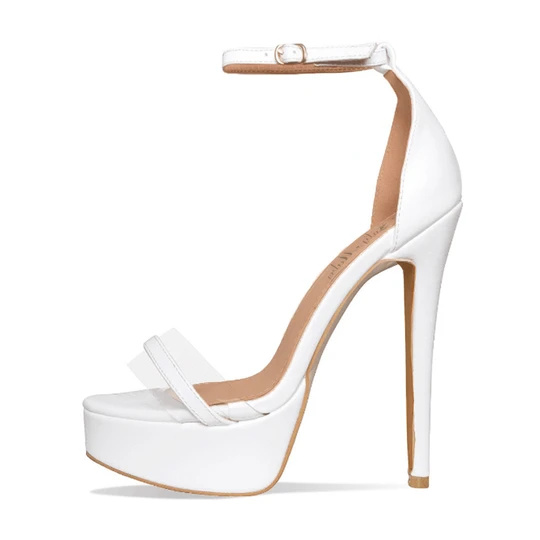
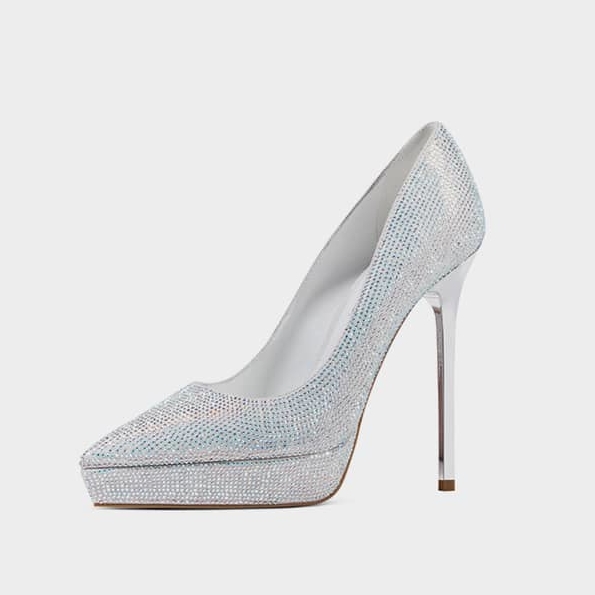
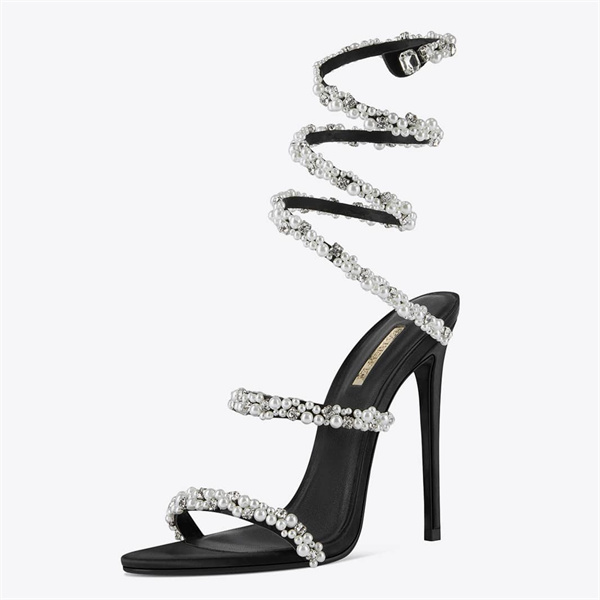
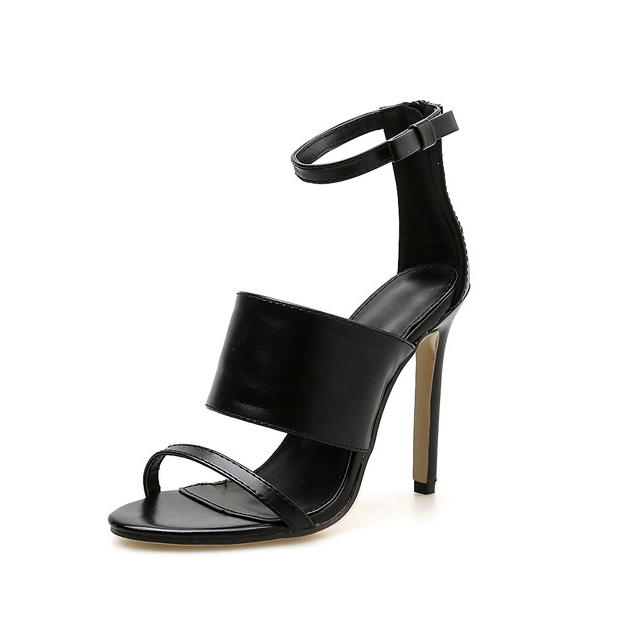
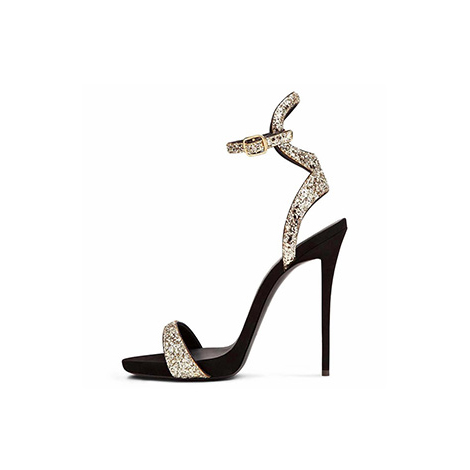
Shoe And Heel Dominates For the Current Year
Top Selling Products




- Related Blog
- Reviews
- Reviews
