
Custom Crossbody Production for Wholesale and Manufacturer Needs
As a dedicated producer, I offer Custom Crossbody Production solutions tailored for brands and retailers seeking consistent quality and scalable output. From prototype to mass production, I manage every step to deliver on time and on budget. Whether you’re a Wholesale buyer or a Manufacturer, I align with your specs on materials, hardware, sizing, and private labeling. We work with leather, canvas, and vegan composites, offering durable zippers, reinforced seams, and adjustable straps to meet daily wear and tear. My edge is transparent MOQs, competitive pricing, and tight lead times without compromising QC. I provide rapid prototyping, sample approvals, and rigorous quality control at every stage. Flexible finishes, colorways, packaging, and branding options help you stand out. You’ll get consistent batch-to-batch results, scalable production capacity, and dependable supply for your catalog. If you’d like to explore how we can partner, share your specs and I’ll draft a plan and quote.
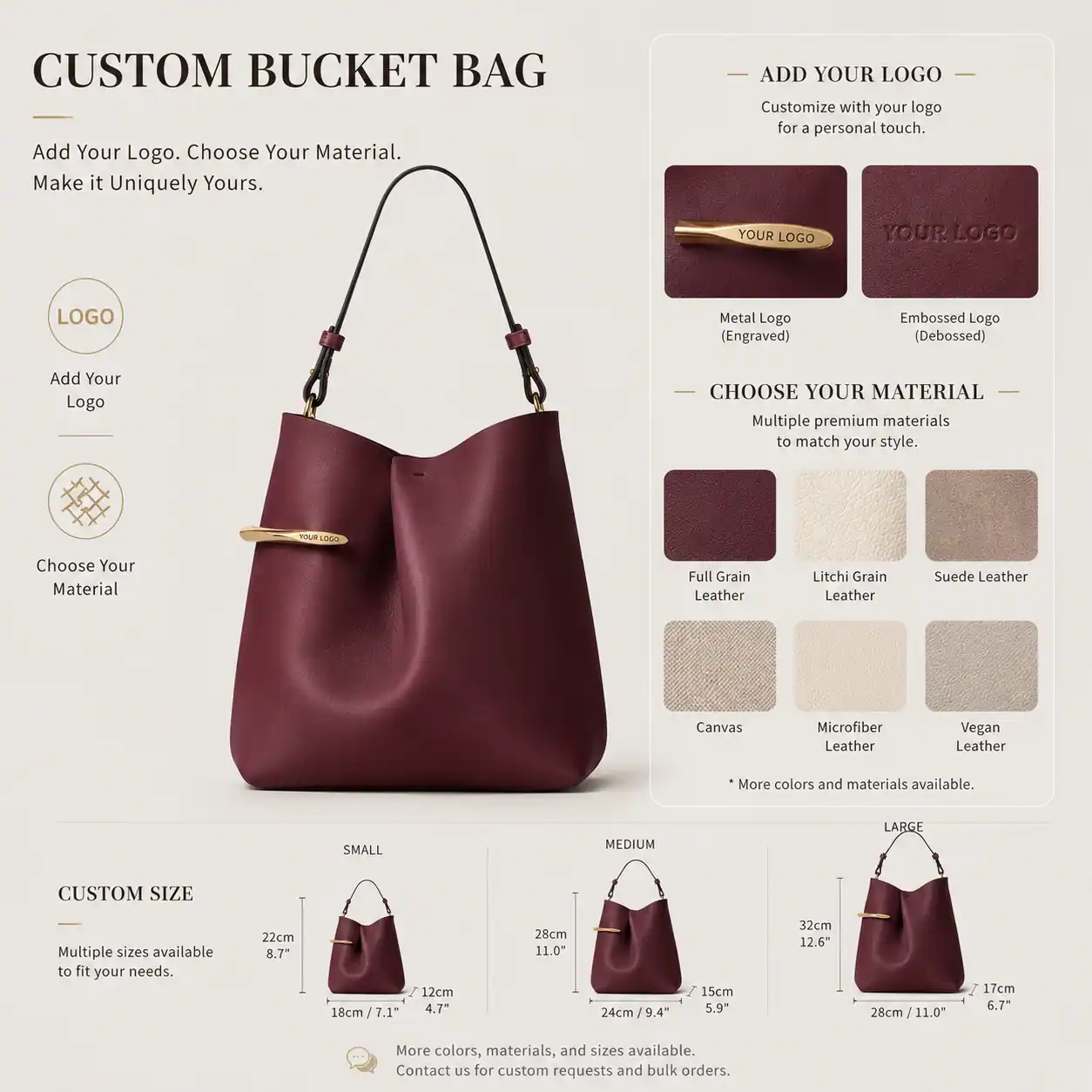
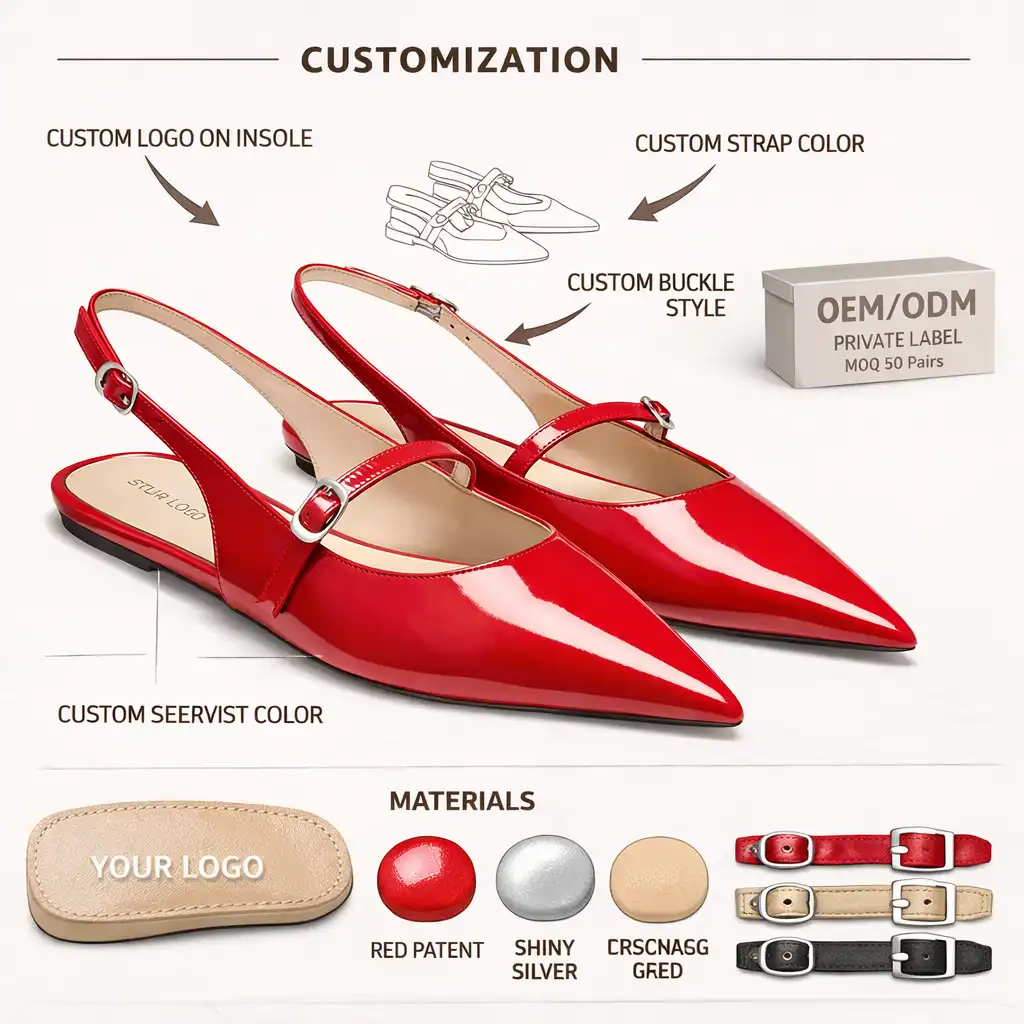
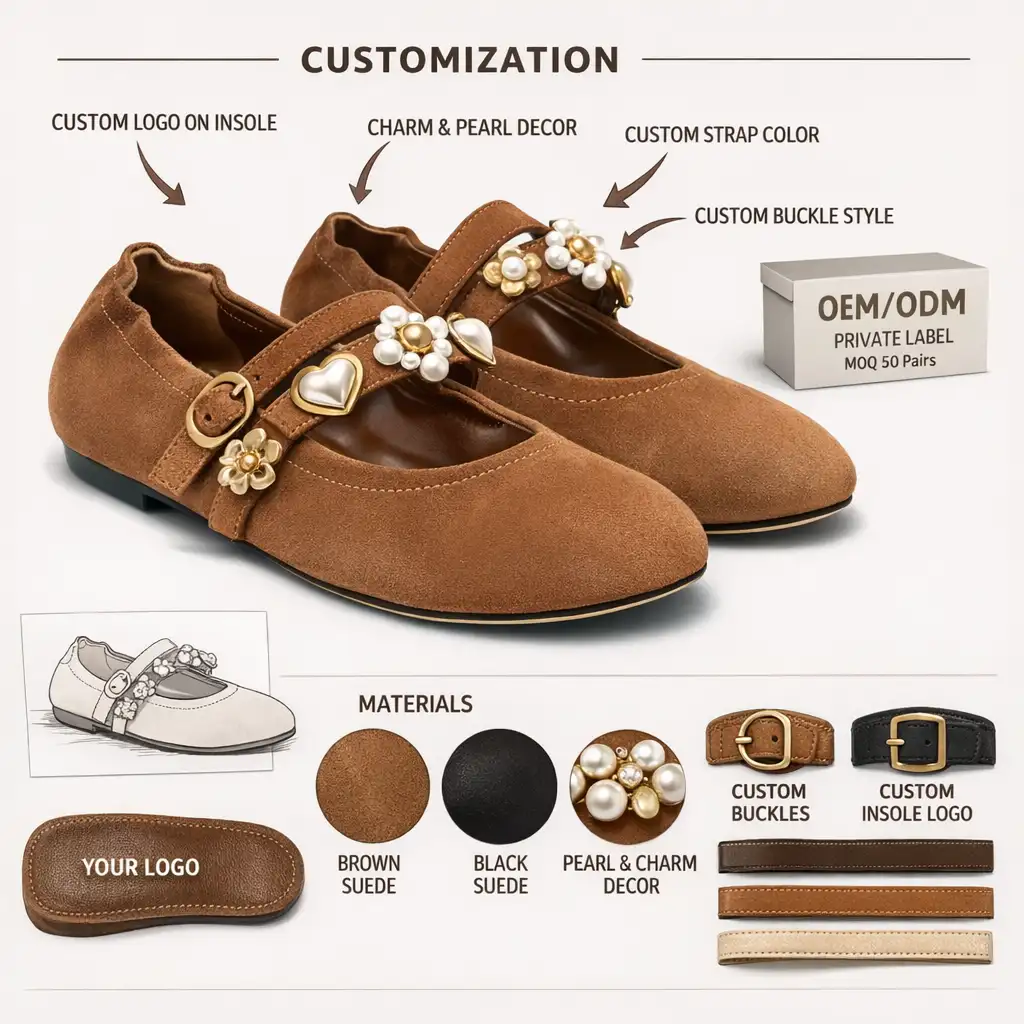
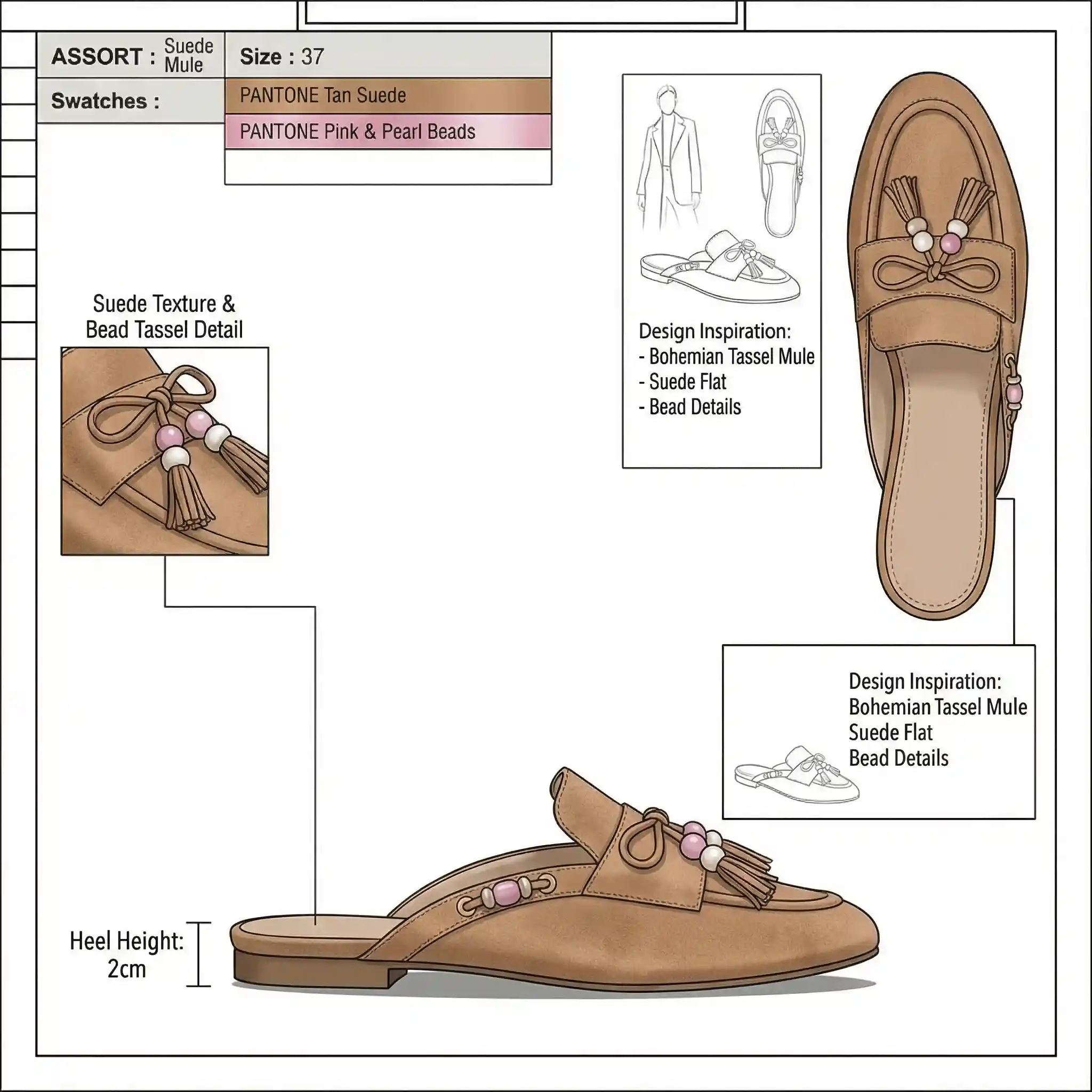
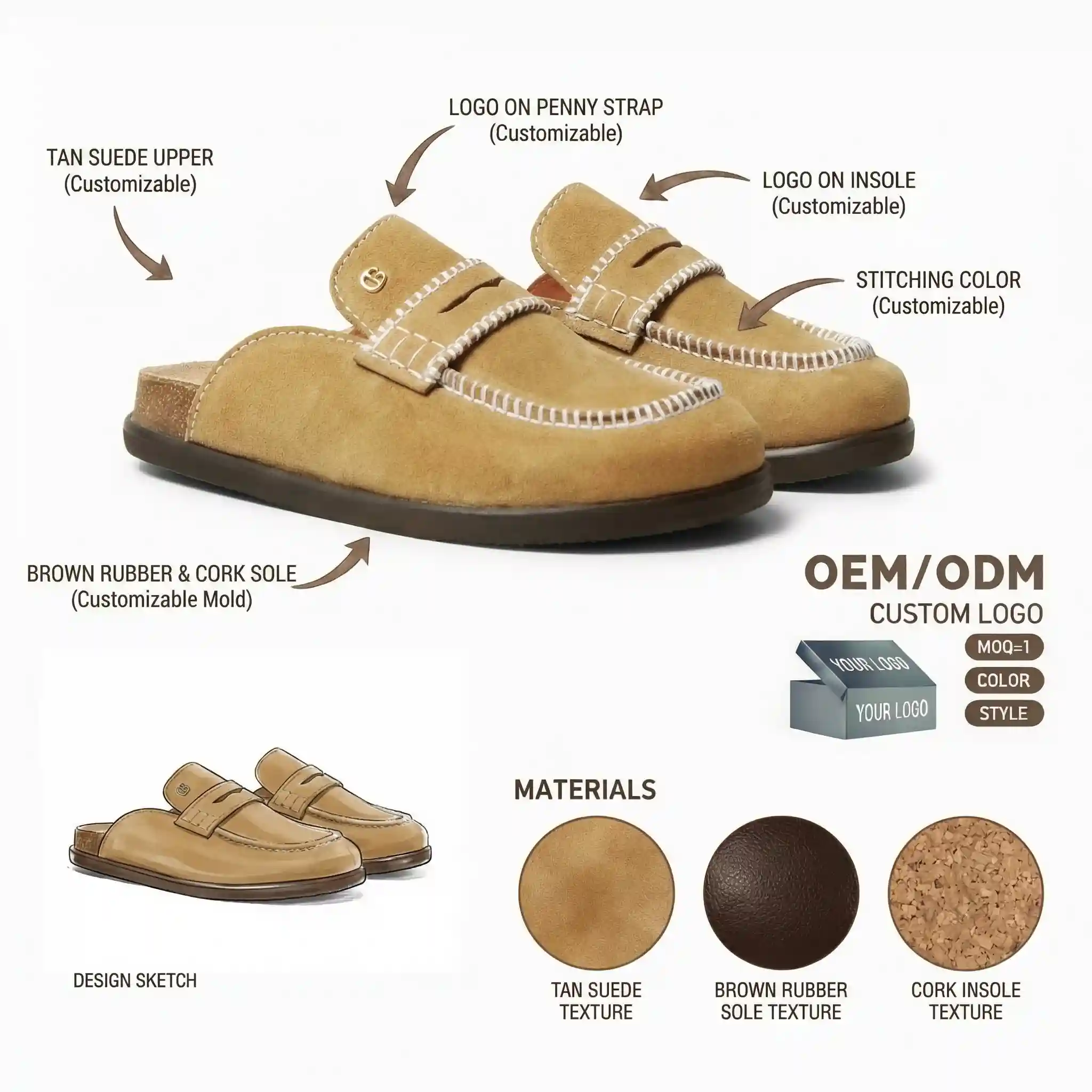

Custom Crossbody Production Service Where Service Meets Innovation
Global buyers need a crossbody production partner who blends service with innovation. A Chengdu-based manufacturer of leather goods now offers a Custom Crossbody Production Service from concept to scale. From sketches to 3D samples, designers and engineers collaborate to optimize aesthetics, weight, balance, and usability. Clients can tailor MOQs, colorways, hardware, and materials—from eco PU and textiles to genuine leather—while preserving brand identity. Digital collaboration tools provide real-time reviews, progress tracking, and rapid iterations, reducing development cycles without sacrificing quality. On the production floor, modular assembly lines, standardized components, and automated testing ensure consistent results at scale. The service includes end-to-end supply management: sourcing, risk control, and flexible scheduling to meet seasonal demand. Global buyers gain visibility with full traceability from raw material to finished bag, clear QA standards, and packaging aligned to brand guidelines. Sustainable options and ethical practices can be integrated. In short, this approach turns innovative concepts into reliable, scalable crossbody lines that meet market needs faster and with lower risk.
| KPI | Description | Current Value | Target Value |
|---|---|---|---|
| Lead Time (Order to Delivery) | Total duration from order confirmation to customer delivery for standard crossbody lines | 12 days | 10 days |
| Prototype Turnaround | Time to design, sample, and approve a new crossbody prototype | 5 days | 3 days |
| Monthly Production Capacity | Manufacturing capacity across all production lines | 9,500 units | 14,000 units |
| On-Time Delivery Rate | Share of orders delivered on or before the promised date | 93% | 97% |
| Material Scrap Rate | Wastage percentage during cutting and sewing operations | 2.1% | 1.2% |
| Defect Rate (Post-QC) | Defects detected after final quality inspection | 0.7% | 0.3% |
| Average Order Size | Average quantity per customer order (units) | 420 | 600 |
| Fabric Sourcing Lead Time | Lead time to secure fabric/materials for new runs | 9 days | 6 days |
| Automation Level | Percentage of processes automated (robotics, CNC, etc.) | 58% | 75% |
| Sustainability Compliance Score | Overall score from certifications and audits | 82 / 100 | 90 / 100 |
Related Products


Custom Crossbody Production For the Current Year From Concept to Delivery
Top Selling Products
- Related Blog
- Reviews
- Reviews
