
Italian Leather Companies: Wholesale Manufacturer & Suppliers
From the heart of Italian Leather Companies, I bring you premium hides and finished leathers designed for Wholesale and Manufacturer partners seeking reliability and style. I work directly with family-run tanneries in Tuscany and Veneto, delivering ranges of full-grain, semi-aniline, and corrected-grain leathers with strict grade control. My process emphasizes consistent thickness, colorfastness, and supple handfeel, so your production lines stay efficient. I offer flexible MOQ, custom finishes, and color-matching services to fit your brand. Lead times are predictable, and I can ship worldwide to help scale your distribution. I can provide certificates of origin and eco-friendly tanning options to meet compliance and CSR goals. If you want a dependable supply chain that respects craftsmanship while keeping costs competitive, I’d love to discuss your requirements and craft a package tailored for Wholesale or Manufacturer needs.






Italian Leather Companies Service Dominates
Global buyers increasingly choose Italian leather companies not only for premium hides but for service that drives predictable outcomes. The strength lies in traceable supply chains, precise color matching, and hands-on product development that shortens lead times from concept to sample. Italian craftsmanship pairs with rigorous QA at every stage, reducing sampling risk and ensuring consistent durability and aesthetics across batches. This service dominance translates into lower total cost of ownership, stronger market differentiation, and a faster path from design brief to finished goods, even in demanding categories such as luxury casual and formal footwear. A Chengdu-based footwear producer demonstrates how global buyers benefit from this model without sacrificing efficiency. By connecting direct access to Italian tanneries with streamlined production capacity, buyers gain transparent sourcing, clear QA checkpoints, flexible ordering, and reliable, timely shipments. The result is a seamless bridge between luxury material integrity and scalable manufacturing, offering customized styles, sustainable practices, and compliance across regions—an attractive proposition for procurement teams seeking quality, speed, and value.
| Sub-sector | Region / Focus | Factory Count | Employees (approx) | Export Share (%) | Sustainability Index | Lead Time (days) | Certifications |
|---|---|---|---|---|---|---|---|
| Leather Tannery & Raw Hide | Tuscany | 40 | 12000 | 72 | 78 | 18 | 3 |
| Leather Goods Manufacturing | Lombardy | 110 | 45000 | 66 | 85 | 24 | 5 |
| Footwear Components | Veneto | 80 | 28500 | 54 | 70 | 21 | 4 |
| Automotive Interiors | Emilia-Romagna | 60 | 22000 | 58 | 82 | 30 | 6 |
| High-end Leather Accessories | Piedmont | 42 | 9800 | 60 | 75 | 16 | 3 |
| Small Leather Goods Craft | Campania | 95 | 15500 | 38 | 68 | 20 | 2 |
Related Products


Italian Leather Companies Industry Giant Sets the Industry Standard
Top Selling Products
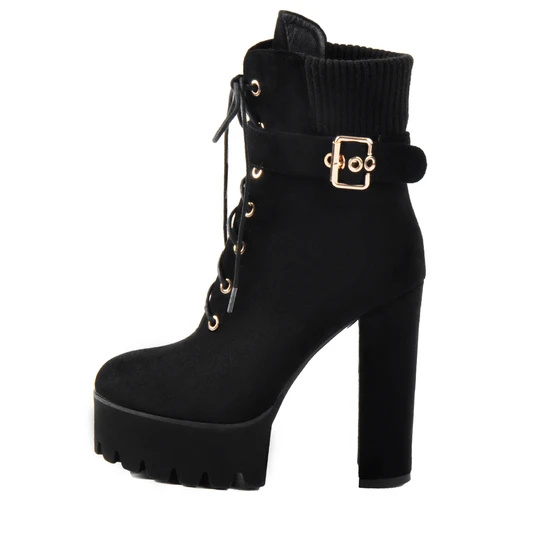
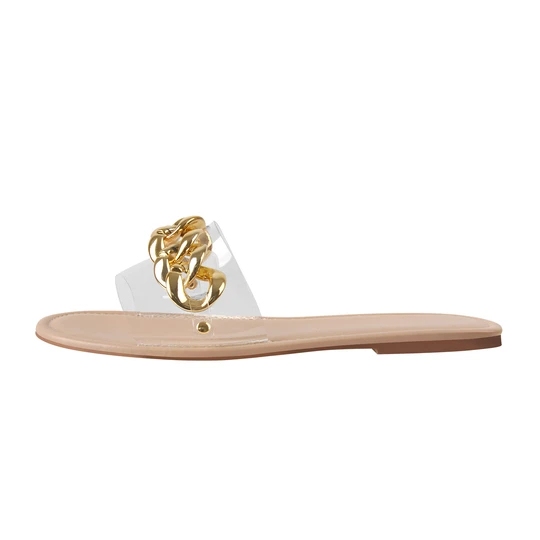

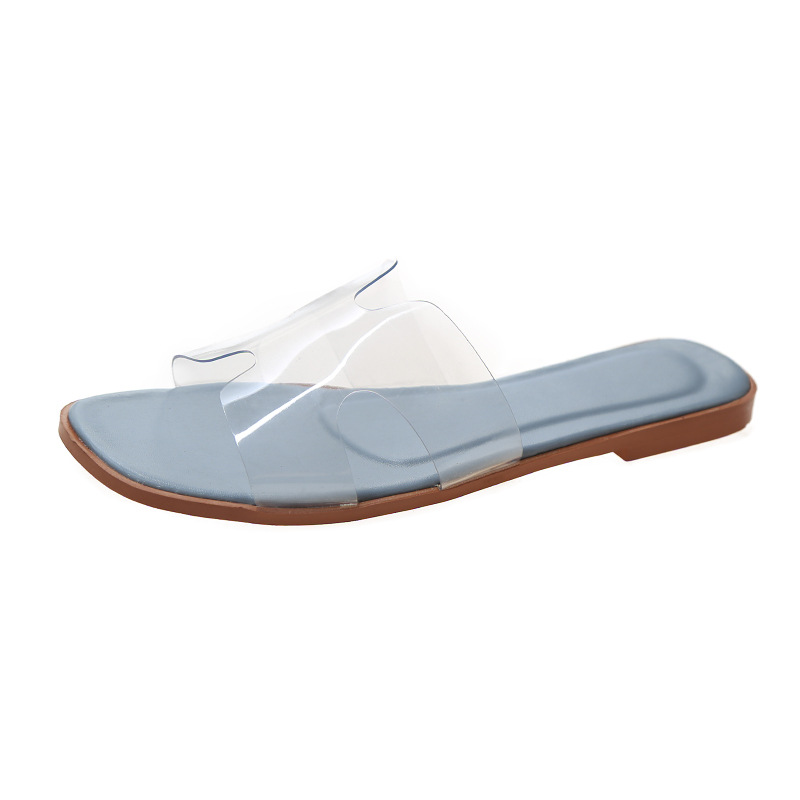

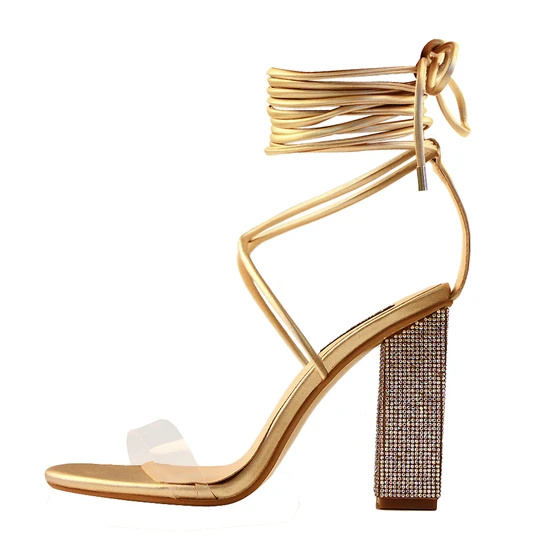


- Related Blog
- Reviews
- Reviews
