
Leather Good Manufacturers - Wholesale Manufacturer Directory
From the workshop to your catalog, we are Leather Good Manufacturers who understand your wholesale needs. I work directly with retailers and OEM partners as a dependable Manufacturer, delivering durable leather goods at scale. When you choose us for Wholesale orders, you get consistent quality, transparent lead times, and flexible MOQs that fit your seasonality. Our leathers come from tanneries with eco-certifications, finished by skilled craftsmen who pay attention to stitch density, edge finishing, and packaging that protects you during transit. I coordinate every step—from material selection to QC checks—so you can promise your customers reliable products. You’ll find competitive pricing, short lead times, and responsive service for Private Label, Custom Branding, or ready-to-ship lines. If you're comparing options, let's connect and discuss your volume targets, required certifications, and expected timelines. We’re excited to partner with you in wholesale success, as your trusted Manufacturer.


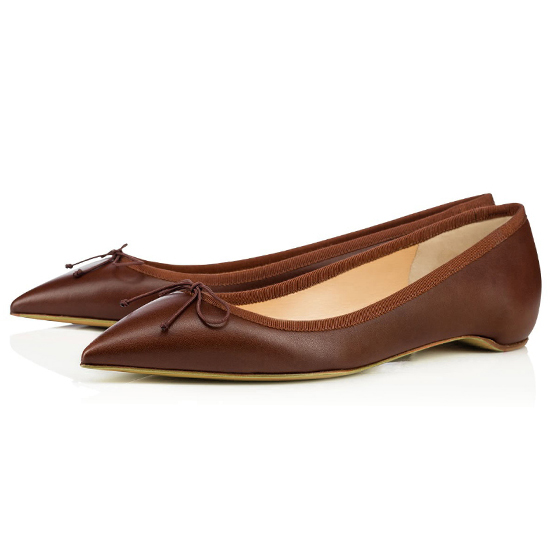
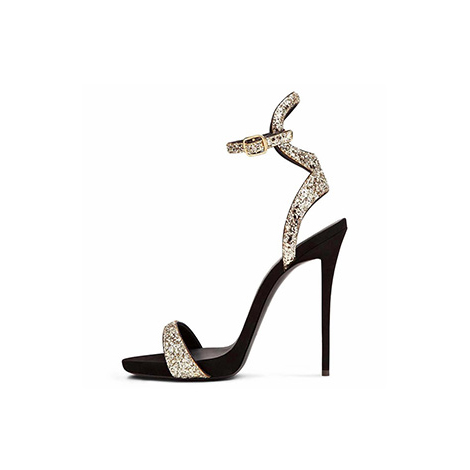


Leather Good Manufacturers Dominates More Than a Supplier - A Partner
Global buyers are increasingly seeking partners, not just suppliers, in leather goods. In a major leather hub in the Chengdu region, a capable manufacturer offers end-to-end production—from material selection and tanning to cutting, stitching, and finishing—under one roof. This integrated approach enables faster design iterations, tighter quality control, and a shared goal from concept to delivery, turning ideas into reliable, market-ready products. More than a source of goods, a true partner collaborates on design, prototyping, and testing; ensures ethical sourcing and full traceability; provides flexible quantities and private labeling; and coordinates reliable logistics. With transparent pricing and proactive communication, this relationship reduces risk, shortens lead times, and supports successful market launches across regions for buyers who demand speed without compromising integrity.
| Manufacturer ID | Country | Year Established | Production Capacity (k units/year) | Product Focus | Certifications | Lead Time (days) | MOQ (units) | On-time Delivery Rate | Defect Rate | Sustainability Score |
|---|---|---|---|---|---|---|---|---|---|---|
| MFR-AL-01 | United States | 1998 | 520 | Leather handbags, wallets, belts | ISO 9001:2015; ISO 14001; SA8000 | 30-40 | 500 | 96% | 1.2% | 85 |
| MFR-IT-02 | Italy | 1970 | 680 | High-end leather goods, fashion accessories | ISO 9001; ISO 14001 | 28-34 | 800 | 97% | 1.0% | 88 |
| MFR-VN-03 | Vietnam | 2000 | 970 | Footwear leather, upholstery, bags | ISO 9001 | 45-60 | 600 | 92% | 2.1% | 84 |
| MFR-IN-04 | India | 1985 | 720 | Belt goods, luggage | ISO 9001; SEDEX | 40-55 | 400 | 95% | 1.5% | 81 |
| MFR-ES-05 | Spain | 1992 | 430 | Fashion accessories, small leather goods | ISO 9001; ISO 14001 | 30-40 | 300 | 98% | 0.9% | 90 |
| MFR-PT-06 | Portugal | 1965 | 760 | Automotive interiors, upholstery | ISO 9001; IATF 16949 | 35-45 | 700 | 93% | 1.7% | 87 |
| MFR-CN-07 | China | 1988 | 520 | Leather garments, bags | ISO 9001; ISO 14001 | 50-65 | 1000 | 95% | 2.3% | 83 |
| MFR-MX-08 | Mexico | 1995 | 610 | Leather goods, accessories | ISO 9001 | 38-50 | 550 | 94% | 1.4% | 86 |
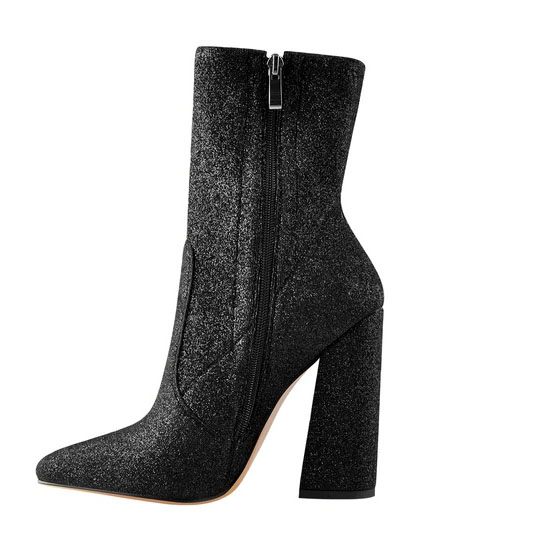
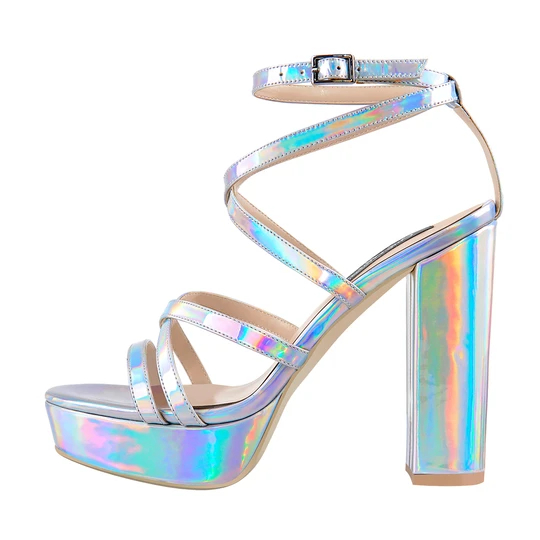
Related Products


Leather Good Manufacturers Application Leads the Global Market
Top Selling Products
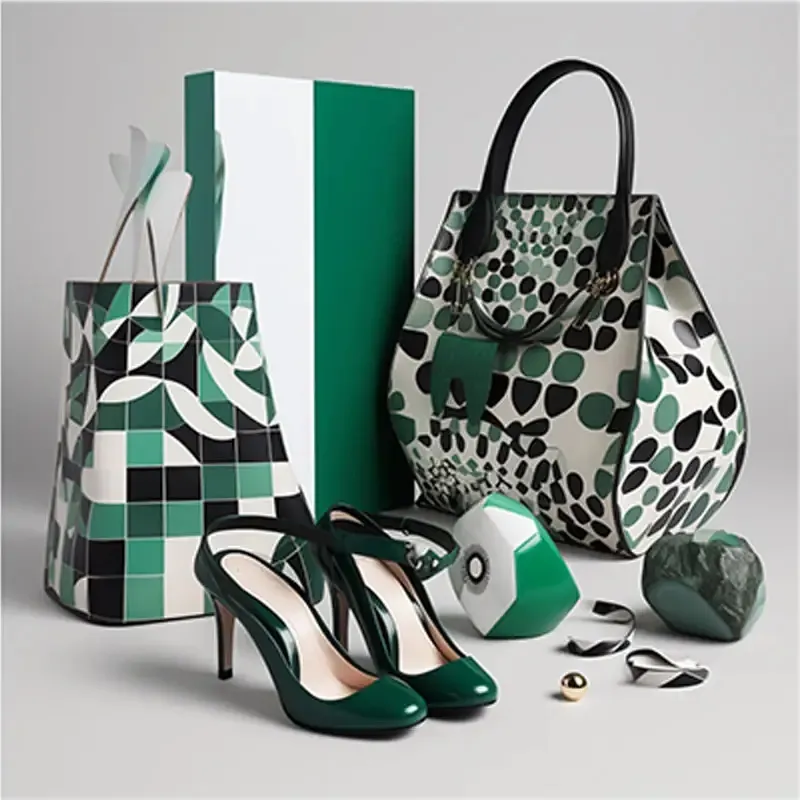

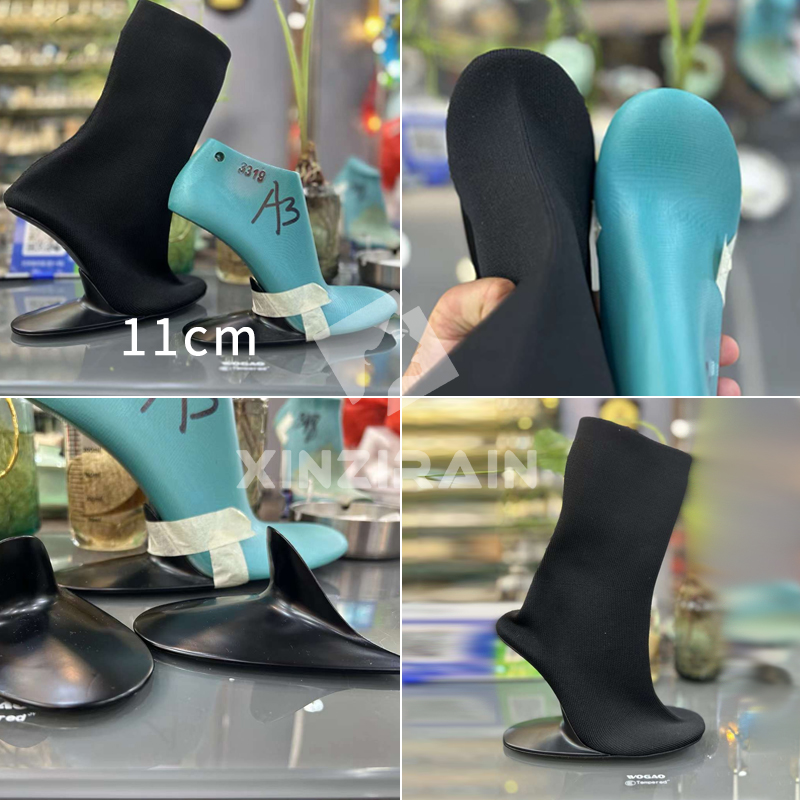



- Related Blog
- Reviews
- Reviews
