
Synthetic Leather For Shoes: Wholesale Manufacturer Solutions
We are a Manufacturer focused on high-quality Synthetic Leather For Shoes, offering reliable material for brands and factories. For Wholesale buyers, we provide scalable options, consistent color fastness, and competitive pricing with direct supply. As a manufacturer, I handle the supply chain direct, which means faster lead times, lower MOQ, and flexible customization. Our material supports a wide range of footwear—from sneakers to boots—delivering consistent patina and grip. We can tailor thickness, grain pattern, and finish to meet your design specs, while maintaining cost efficiency. If you’re sourcing now, I can quote samples quickly and set up a repeatable production schedule. Partner with us for dependable stock, strict quality control, and a transparent collaboration that helps you grow.


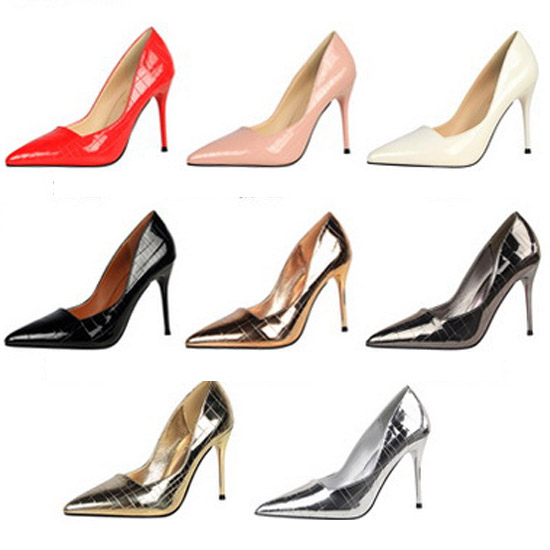
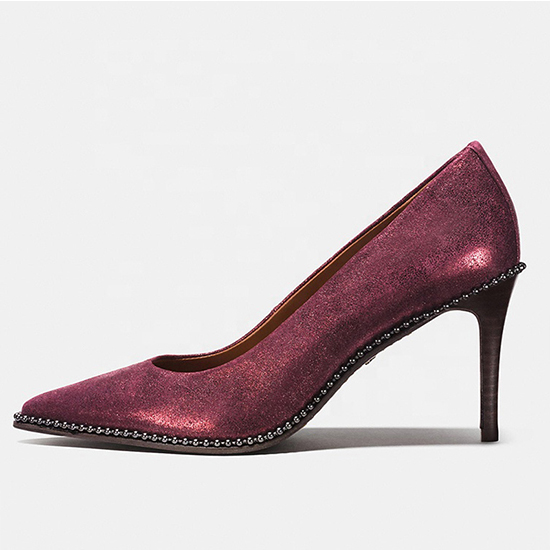
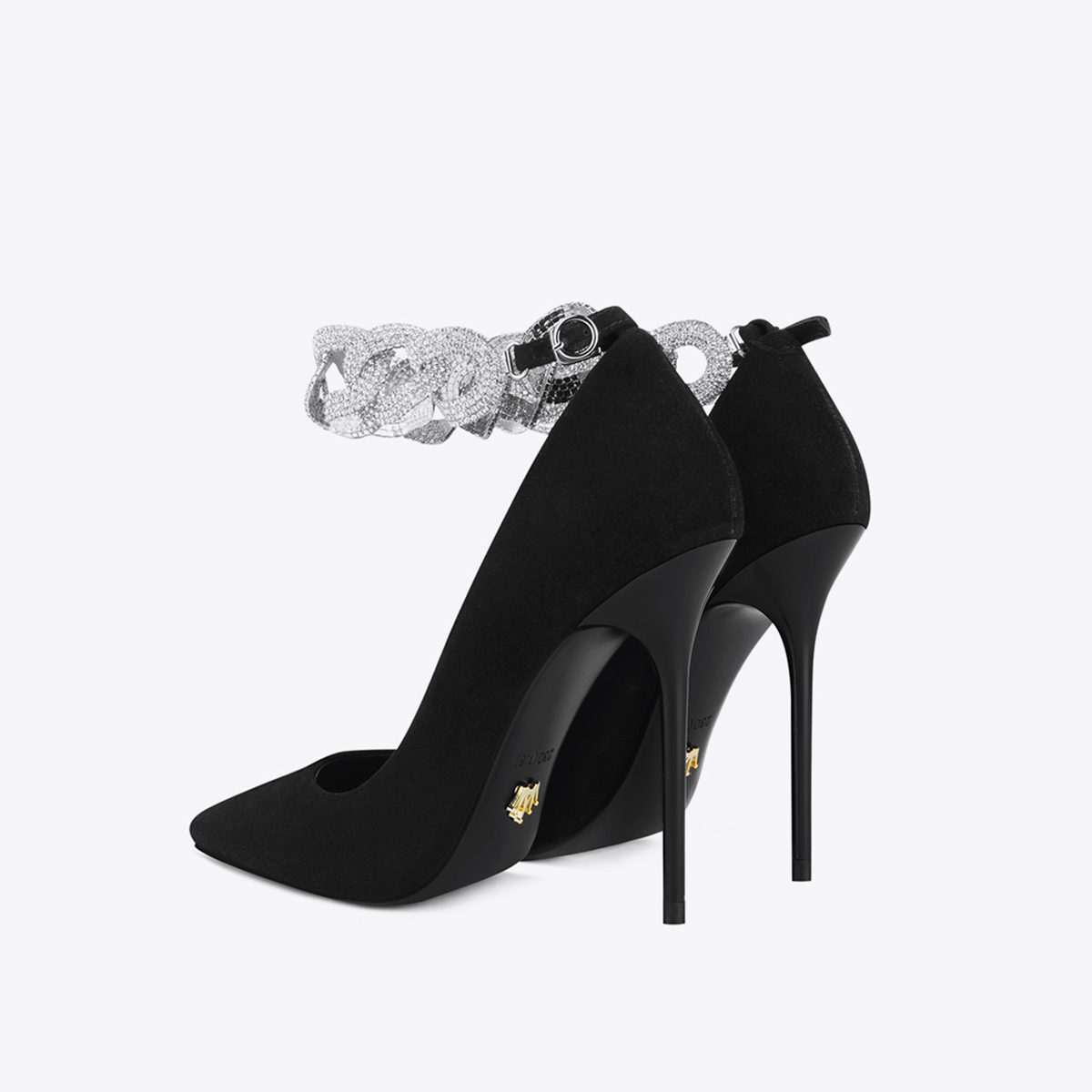
Synthetic Leather For Shoes Products More Than a Supplier - A Partner
Synthetic leather for shoes is more than a commodity; it is a pathway to performance, style, and responsible sourcing. A true partner delivers consistent quality, scalable production, and the flexibility to adapt to seasonal trends. From water-based coatings to durable PU laminates and leather-like substrates, these materials offer colorfastness, abrasion resistance, and a comfortable feel across sport, casual, and formal lines. They align with global standards, safety, and traceability, while providing reliable lead times and transparent pricing for international procurement. Collaborative sourcing turns material choice into product advantage. A committed partner supports co-design, rigorous QC, and rapid sampling to cut time to market. They offer demand planning, risk management, and dual-sourcing strategies to mitigate disruptions, alongside ethical sourcing and certifications that buyers increasingly require. By treating relationships as long-term collaborations, buyers align aesthetics, performance, and sustainability goals across regions and brands, turning a supplier into a dependable supply-partner for growth.
{ Synthetic Leather For Shoes Products More Than a Supplier - A Partner }
| Product Code | Category | Material Composition | Finish | Color Options | Thickness (mm) | Weight (g/m2) | Country of Origin | Certifications | Durability (Martindale cycles) | Recyclability (%) | Typical Usage |
|---|---|---|---|---|---|---|---|---|---|---|---|
| SLE-101 | PU Leather (Synthetic) | Polyurethane topcoat over microfiber backing; 100% synthetic | Grain embossed | Black, Dark Brown, Chestnut | 0.8 | 420 | Vietnam | OEKO-TEX Standard 100, REACH | 40,000 | 60 | Upper material; lining |
| SLE-102 | Biobased PU | Bio-based PU (plant-oil derived) with water-based coating | Smooth | Black, Navy, Olive | 1.0 | 360 | China | OEKO-TEX Standard 100, ISO 14001 | 28,000 | 65 | Casual and sport shoe uppers |
| SLE-103 | Microfiber PU | Microfiber substrate + PU topcoat | Pebble grain | Black, Gray, Taupe | 0.6 | 290 | Italy | REACH, ISO 9001 | 30,000 | 70 | Sneaker uppers, linings |
| SLE-104 | Biopolymer PU (bio-based) | Plant oil-based PU, water-based binder | Embossed grain | Black, Sand, Olive | 1.2 | 540 | Brazil | OEKO-TEX; REACH; GRS | 60,000 | 55 | Winter boot uppers |
| SLE-105 | PVC-free PU | PU with bio-based plasticizer; recyclable backing | Smooth | Black, White | 0.9 | 395 | Vietnam | REACH, ISO 14001 | 32,000 | 65 | Uppers for dress shoes |
| SLE-106 | Recycled PU | Recycled PU resins with standard binder | Grain | Black, Charcoal | 0.7 | 310 | India | OEKO-TEX, GRS | 34,000 | 72 | Sports and casual sneakers |
Related Products


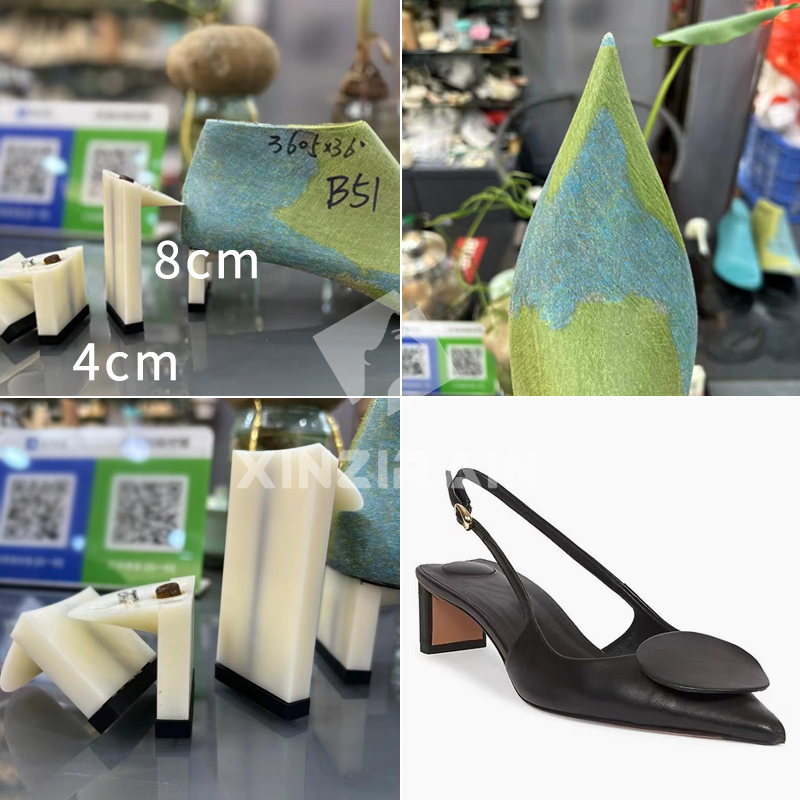
Synthetic Leather For Shoes Is The Best Stands Out
Top Selling Products




- Related Blog
- Reviews
- Reviews
