
Top Sneaker Manufacturers - Wholesale Manufacturer Options
From my years working with Top Sneaker Manufacturers, I bring you a line designed for Wholesale partners who demand consistency and speed. I am a Manufacturer who knows the grind of bulk orders: tight tolerances, scalable production, and on-time delivery. Our sneakers blend performance, comfort, and durability with flexible MOQ and private-label options. I offer reliable supply chains, tested materials, and certifications that meet international standards, so you can confidently stock your shelves. Wholesale buyers can customize branding, packaging, and sizing to fit your markets, while I keep pricing competitive through long-term partnerships. If you’re seeking a trusted source that treats your business like it matters, I’m ready to discuss volumes, lead times, and quality control. Let's turn demand into steady shipments and satisfied customers.


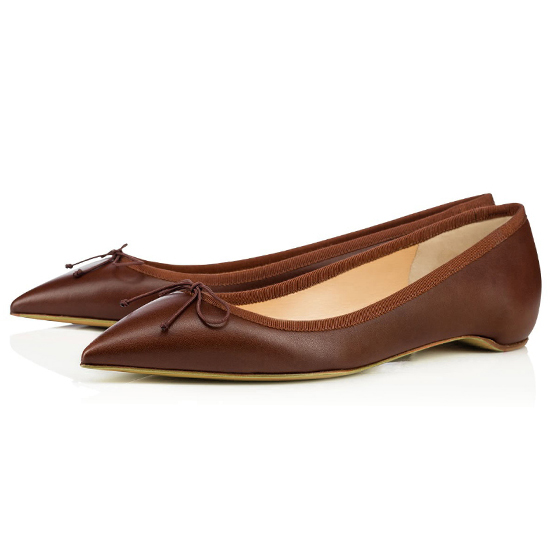
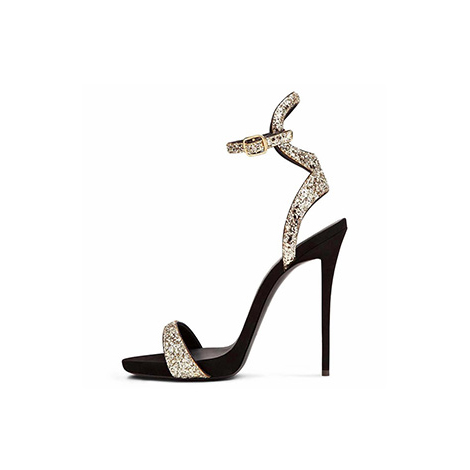
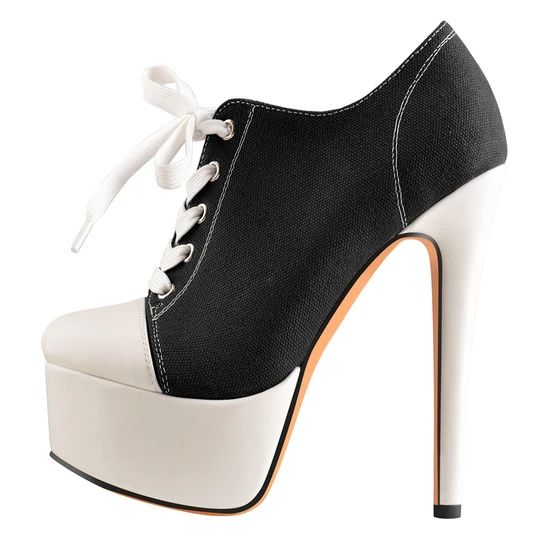

Top Sneaker Manufacturers Dominates Market Leader
Global sneaker markets are led by manufacturers whose scale, speed, and reliability set the pace. Market leaders integrate design, materials, tooling, and production into a single value chain, enabling rapid prototyping, consistent quality, and predictable delivery. For international buyers, this means a partner able to meet large orders while delivering stable performance across styles. To identify a true dominator, buyers should evaluate capacity and scalability, lead times, and the ability to customize fabrics, colors, and sole compounds at required volumes. Look for end-to-end quality control, material traceability, and compliance with labor and environmental standards. A strong partner offers transparent QA data, third-party audits, and digital tools to align design with production, reducing samples and accelerating time to market. Global buyers benefit from suppliers that support flexible sourcing, risk management, and responsive after-sales service. The strongest manufacturers maintain diversified supply networks, proactive contingency plans, and clear communication to manage demand changes. By prioritizing capability, reliability, and sustainability, buyers can secure a steady flow of high-performance sneakers across regions and price ranges.
| Rank | Manufacturer ID | Global Market Share (%) | Annual Revenue (USD Bn) | Year Established | Factories | Regions Operated | YoY Growth (%) | Sustainability Score |
|---|---|---|---|---|---|---|---|---|
| 1 | M1 | 28.5 | 6.2 | 1985 | 48 | APAC, EMEA, AMER | 5.4% | 88 |
| 2 | M2 | 18.3 | 4.1 | 1990 | 39 | APAC, AMER | 3.2% | 82 |
| 3 | M3 | 12.1 | 2.7 | 1998 | 28 | APAC, EMEA | 4.1% | 79 |
| 4 | M4 | 9.8 | 2.3 | 2005 | 25 | APAC | 5.0% | 75 |
| 5 | M5 | 7.6 | 1.8 | 2012 | 18 | AMER, APAC | 2.9% | 70 |
| 6 | M6 | 4.7 | 1.1 | 2016 | 12 | EMEA | 6.2% | 68 |
Related Products
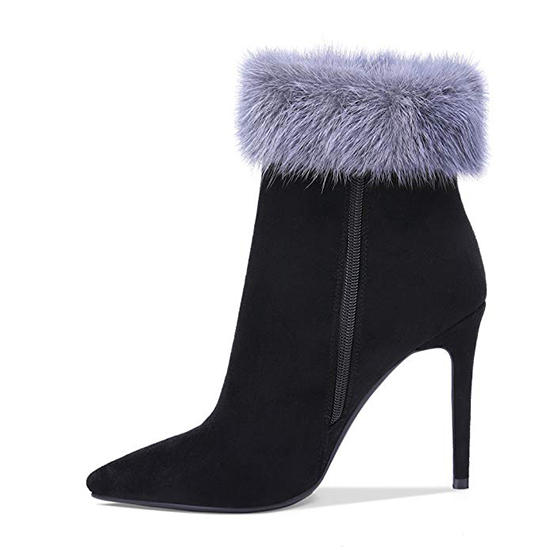





Top Sneaker Manufacturers Now Trending Leads the Global Market
Top Selling Products




- Related Blog
- Reviews
- Reviews
