
Private Label Womens Shoes - Wholesale Manufacturer Solutions
I am your Wholesale Manufacturer for Private Label Womens Shoes, built for retailers who want to scale quickly without sacrificing control of design or branding. With decades of experience, I give you a full private label program—design consultation, material selection, labeling, packaging, and low MOQs that fit start-up budgets. You supply your logo, I translate it into durable branding across collections, from casual sneakers to elegant flats. I maintain strict QA, accurate sizing, and on-time delivery so your customers stay delighted. We offer short lead times and flexible production runs, plus competitive wholesale pricing for bulk orders. I provide white-label options and ready-to-brand boxes, so you can launch fast under your name. If you’re seeking a trusted partner for Private Label Womens Shoes, I’ll guide you from concept to market, with transparent communication and dependable supply chain. Let’s build a scalable line that fits your store and customers.
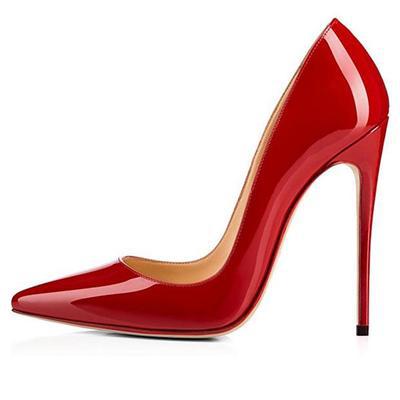
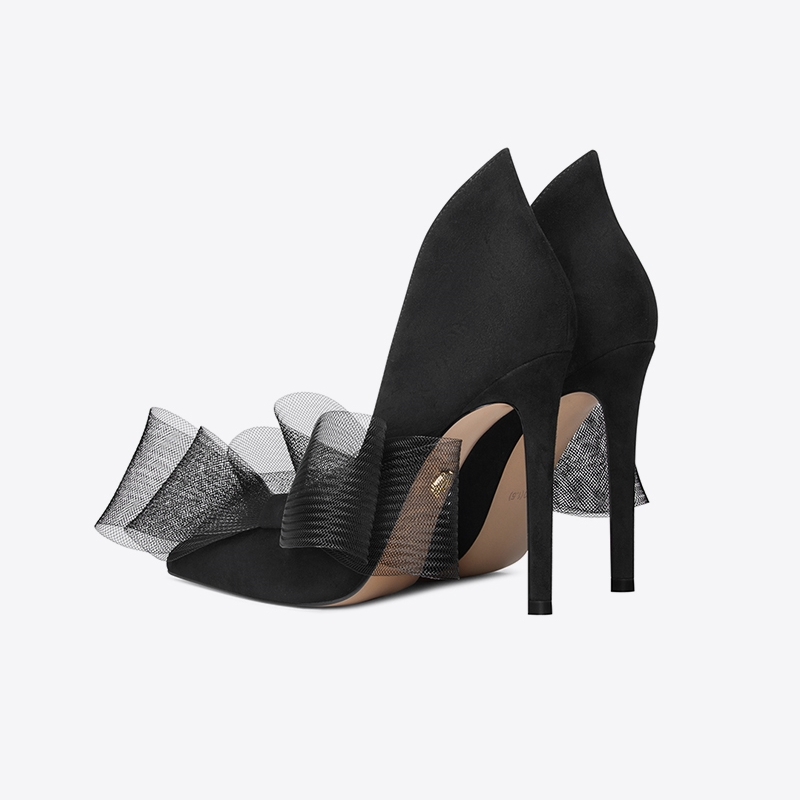
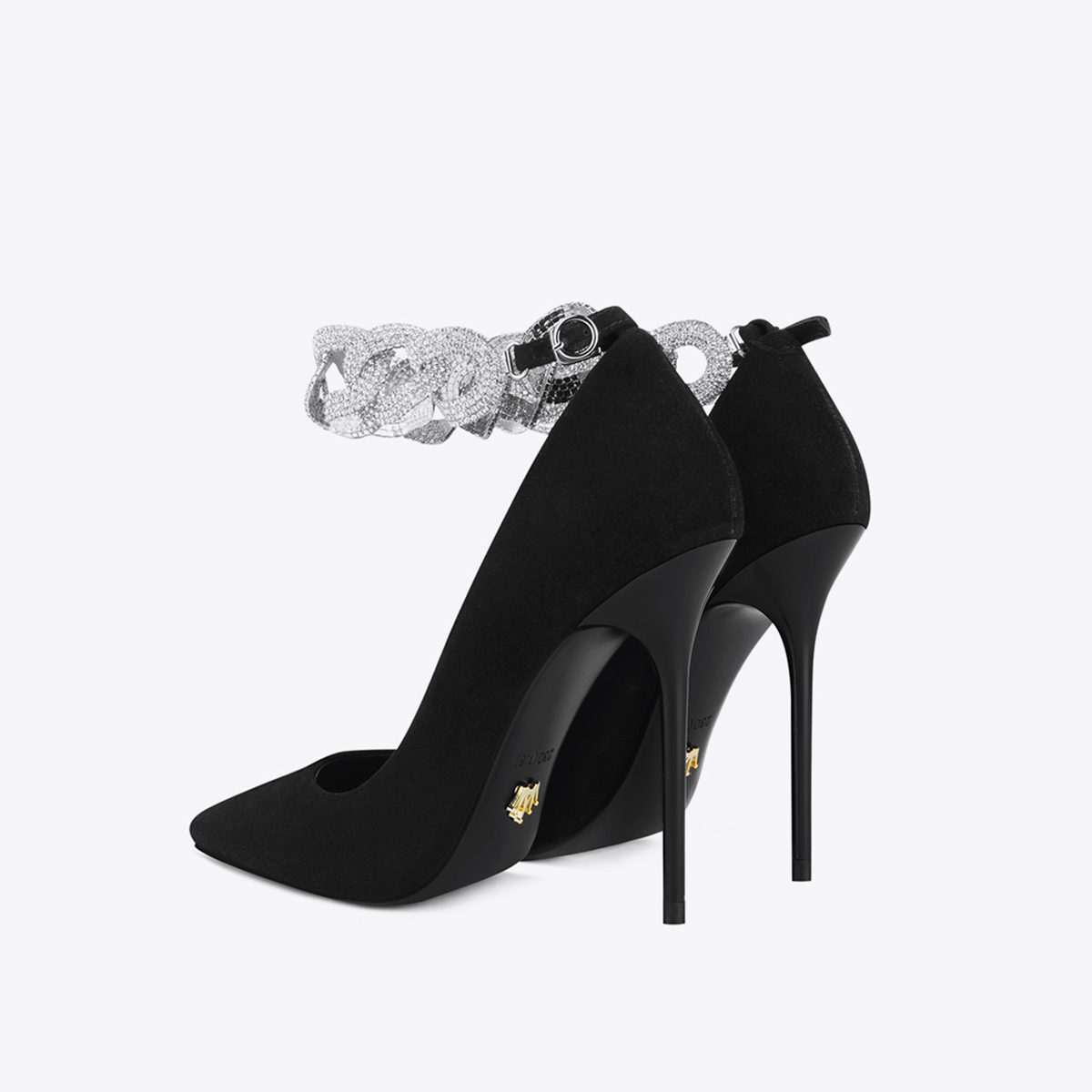
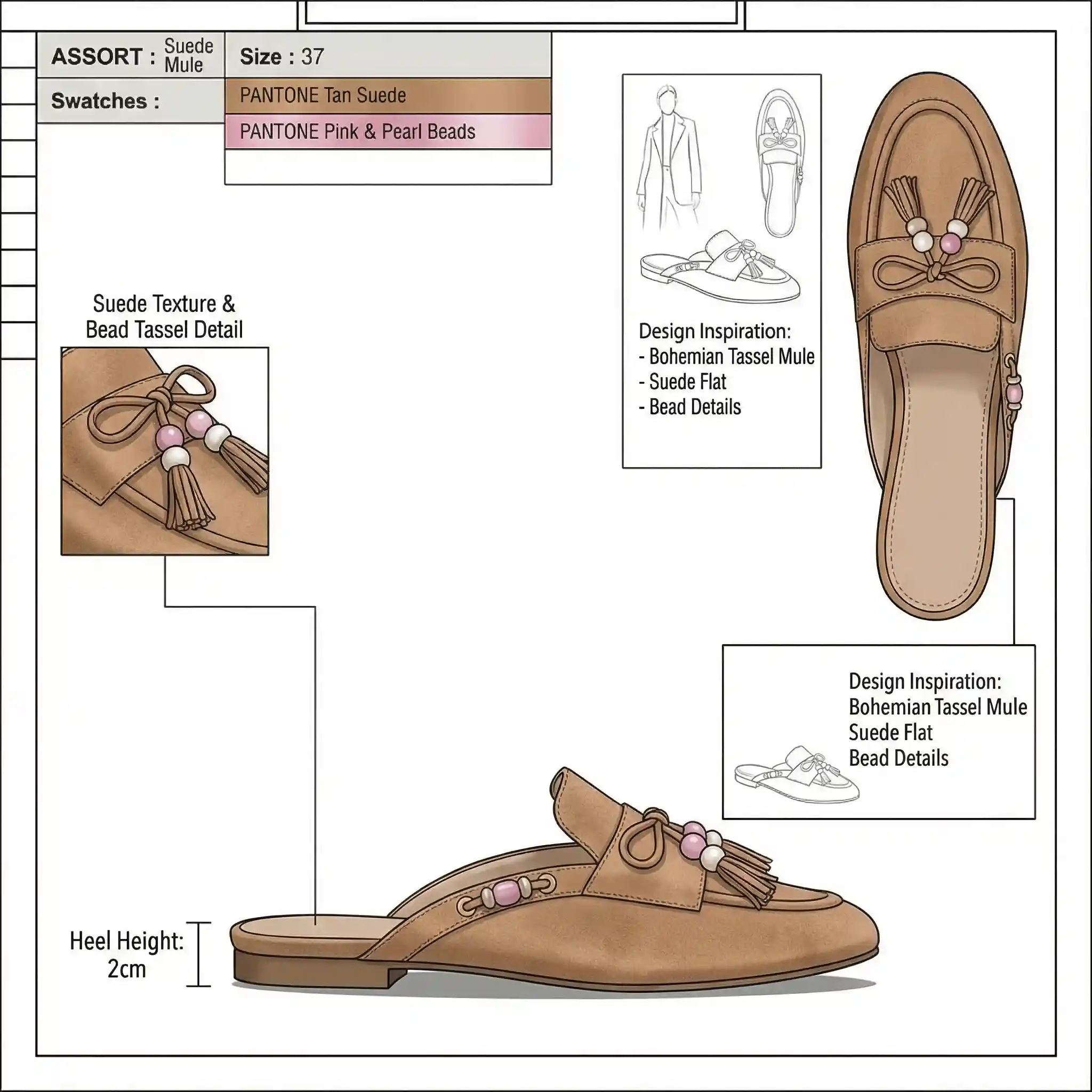
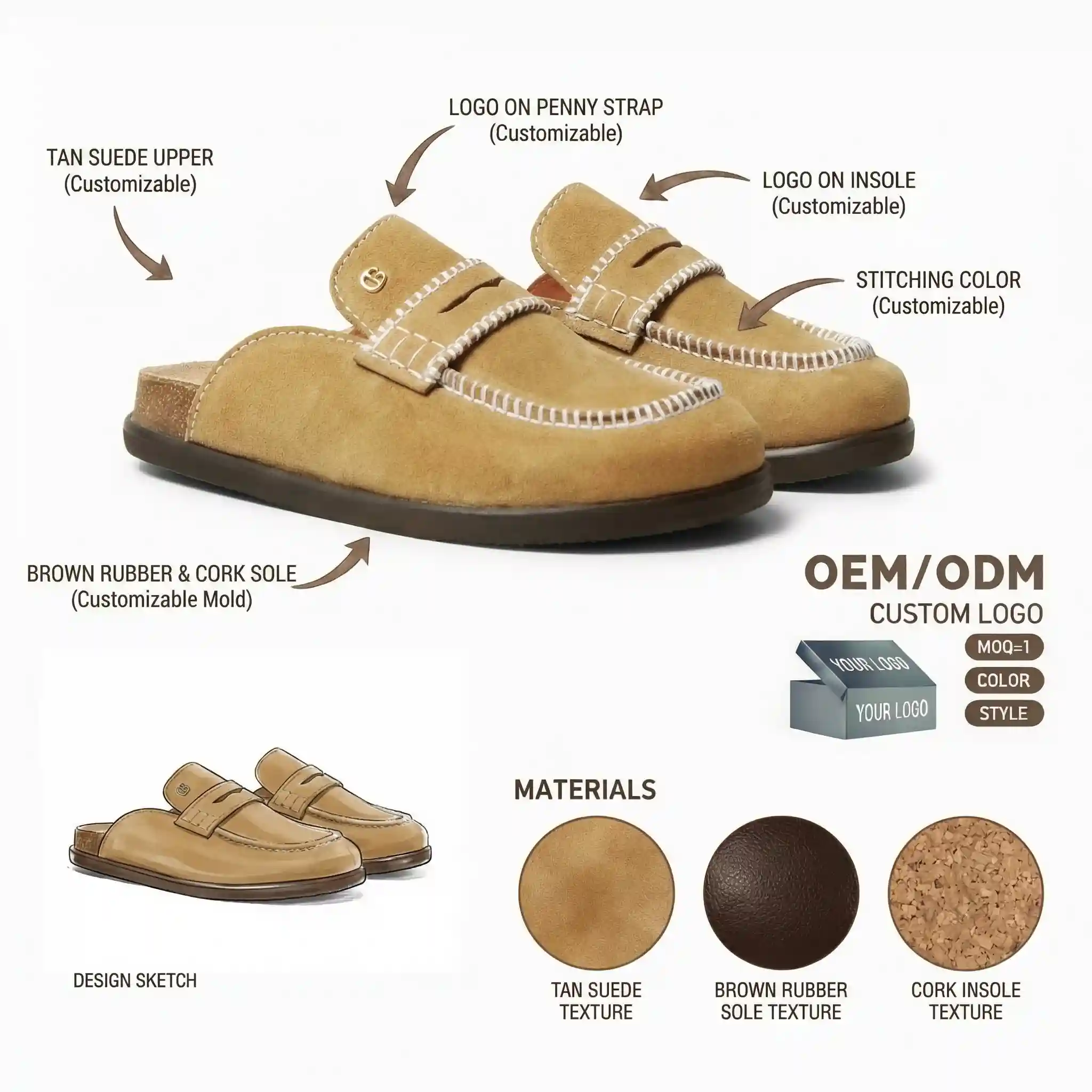

Private Label Womens Shoes Factory Pioneers in the Field
From concept to consumer, a private label women’s shoes factory combines design support with scalable production to help retailers and brands compete globally. We offer end‑to‑end services for private label lines, including trend‑driven design, material selection, and rapid prototyping. With in‑house tooling for uppers and outsoles and quick sampling, buyers can evaluate styles and approve production after a single sample. Our lines accommodate vegan uppers and premium leathers while ensuring consistent fit and comfort. Quality and reliability guide every step, with rigorous QC, transparent lead times, and responsible practices across sourcing, manufacturing, and packaging. We support diverse market needs—from labeling to regulatory compliance—ensuring a smooth path to global shelves. Partnering with a private label partner gives retailers predictable capacity, economies of scale, and the freedom to focus on marketing while we handle design refinement, production, and timely delivery.
Private Label Womens Shoes Factory Pioneers in the Field
| Aspect | Metric | Unit | Value | Notes |
|---|---|---|---|---|
| Factory Profile | Monthly Production Capacity | pairs | 120,000 | Representative capacity for mid-size private label facilities |
| Product Development | Time to Prototype | days | 18 | From concept to first sample |
| Materials & Sustainability | Upper Material Options | types | Leather, Faux Leather, Textile, Knit | Diverse options for market segments |
| Manufacturing Techniques | Sole Attachment Methods | types | Cemented, Blake, Stitching | Key methods supported |
| Quality Assurance | QA Pass Rate | % | 98.5 | Sample-based inspection, continuous improvement |
| Certifications | Certifications | types | ISO 9001, BSCI, WRAP | Quality & social compliance |
| Lead Time | Typical Lead Time after Order Confirmation | weeks | 6–8 | Excludes design and final approvals |
| Labor & Safety | Average Training Hours per Employee Year | hours | 40 | Safety, first aid, PPE training |
| Sustainability | Water Recycling Rate | % | 75 | On-site water treatment & reuse |
| Energy Efficiency | Energy Use per Pair | kWh | 2.2 | Average across primary production lines |
| Automation | Robotics & Automation Coverage | % | 65 | Automated assembly and packaging stages |
| Supply Chain Risk | Stockout Risk Index | index | 0.2 | Historical average for last 12 months |
Related Products


Private Label Womens Shoes Service Sets the Industry Standard
Top Selling Products




- Related Blog
- Reviews
- Reviews
