
Materials For Shoes: Wholesale Manufacturer Supplies
From the moment I source Materials For Shoes, I know quality matters. I'm here to partner with wholesale buyers who demand consistency and traceability. As a manufacturer-focused supplier, I offer a carefully curated range of leather, synthetics, foams, and soles engineered for performance and comfort. My Materials For Shoes are tested for wear, colorfastness, and environmental impact, so you can confidently scale production for wholesale orders. I can tailor packaging, labeling, and minimums to fit your manufacturing line. When you work with me, you get reliable lead times, transparent pricing, and direct access to the mills and material developers behind each batch. Whether you need eco-friendly options or premium hides, I align with your goals as a Manufacturer, helping you reduce waste and increase yield. Let me help you optimize your supply chain, forecast demand, and keep your customers satisfied with durable, consistent ingredients for every shoe.


Materials For Shoes Stands Out Factory-Direct Excellence
Choosing the right materials is the cornerstone of shoes that stand out. Durable uppers, supportive insoles, and resilient outsoles shape comfort, performance, and style. We prioritize natural leathers, breathable textiles, and sustainable alternatives, enhanced by coatings for water resistance and colorfastness. Lightweight foams balance cushioning with structure, while precise stitching and strong adhesives ensure lasting integrity. With consistent sourcing, texture and shade stay uniform across every batch. Factory-direct sourcing delivers real value to global buyers. Lower costs, shorter lead times, and deeper customization reduce risk and accelerate market entry. A rigorous QC regime, end-to-end traceability, and compliance with international standards ensure reliability from material testing to mass production. Buyers can collaborate on specifications, quantities, colors, and packaging, receiving transparent updates at every step. This direct approach blends innovation with accountability, helping brands deploy differentiated footwear that performs and lasts.
| Material | Type | Typical Uses in Shoes | Main Sourcing Region | Tensile Strength (MPa) | Elongation at Break (%) | Abrasion Resistance (1-5) | Breathability (g/m2/24h) | Water Resistance (mmH2O) | Recyclability (1-5) |
|---|---|---|---|---|---|---|---|---|---|
| Full-Grain Leather | Natural Material | Upper, lining, overlays | Italy / Spain / Brazil | 25–35 | 10–20 | 5 | 20–30 | 2500–3000 | 2 |
| PU Leather | Synthetic | Upper, footbeds | China / Europe | 18–32 | 20–40 | 4 | 5–15 | 2000–2500 | 2 |
| EVA Foam | Foam | Midsole, cushioning | China / USA | 0.3–0.8 | 200–400 | 2 | 0–5 | 100–300 | 2 |
| Natural Rubber | Rubber | Outsole, heel | Malaysia / Thailand | 20–25 | 300–600 | 4–5 | 5–10 | 5000 | 3 |
| TPU | Thermoplastic | Stabilizers, outsole tread | China / South Korea | 30–45 | 20–60 | 5 | 10–20 | 3000–4500 | 3 |
| Nylon Knit Fabric | Textile | Upper knit, lining | China / Italy | 15–22 | 20–40 | 3 | 200–600 | 1500–2500 | 5 |
| Cork | Natural | Insole layer, midsole core | Portugal / Spain | 2–5 | 1–5 | 3 | 5–10 | 1000–1500 | 4 |
| Mesh Textile | Textile | Upper, lining, ventilation zones | China | 5–15 | 20–60 | 3 | 800–1500 | 1000–1500 | 3 |
Related Products
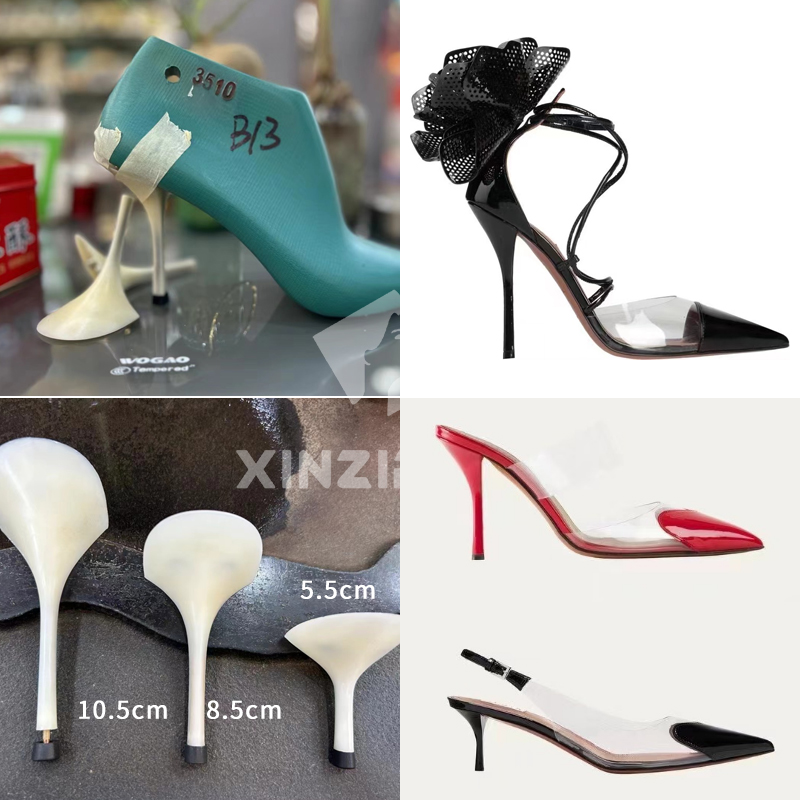
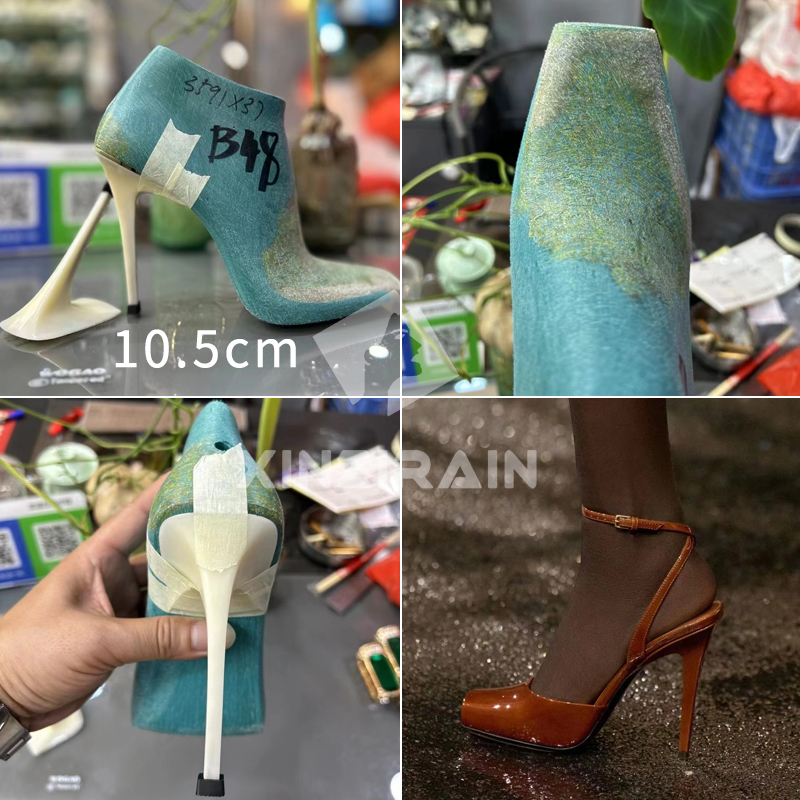
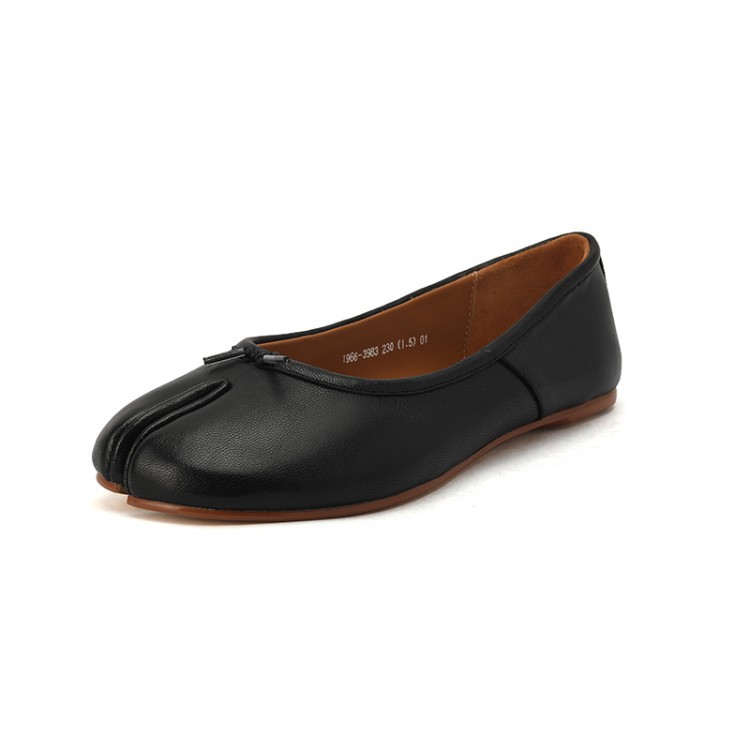
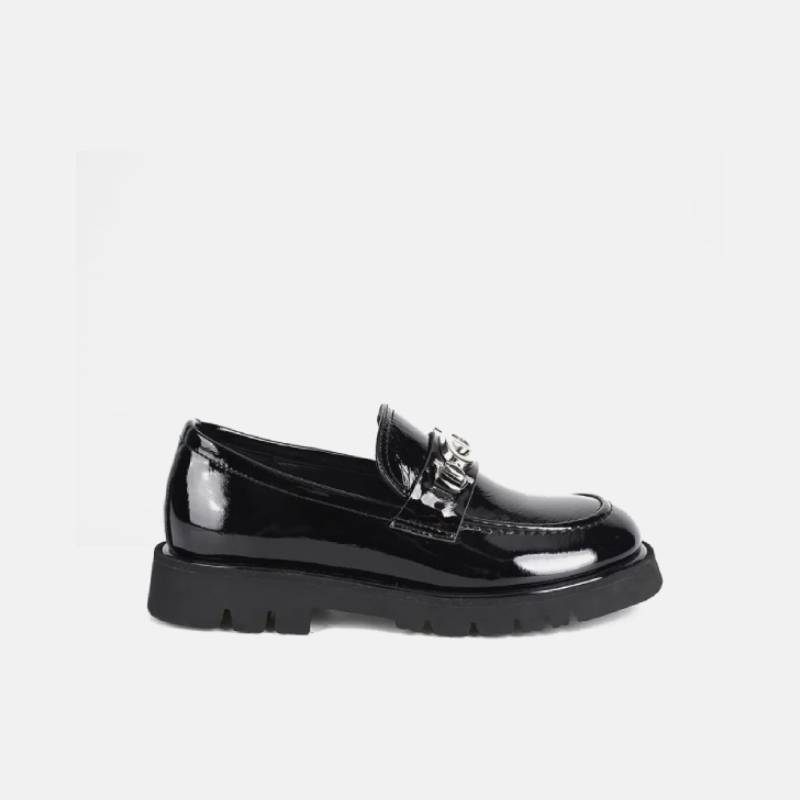
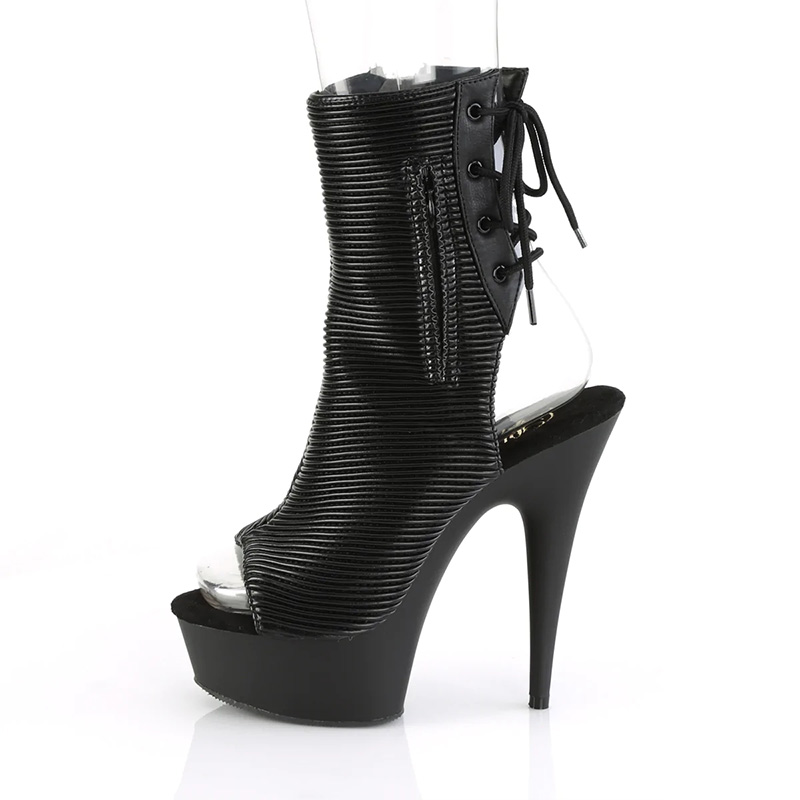
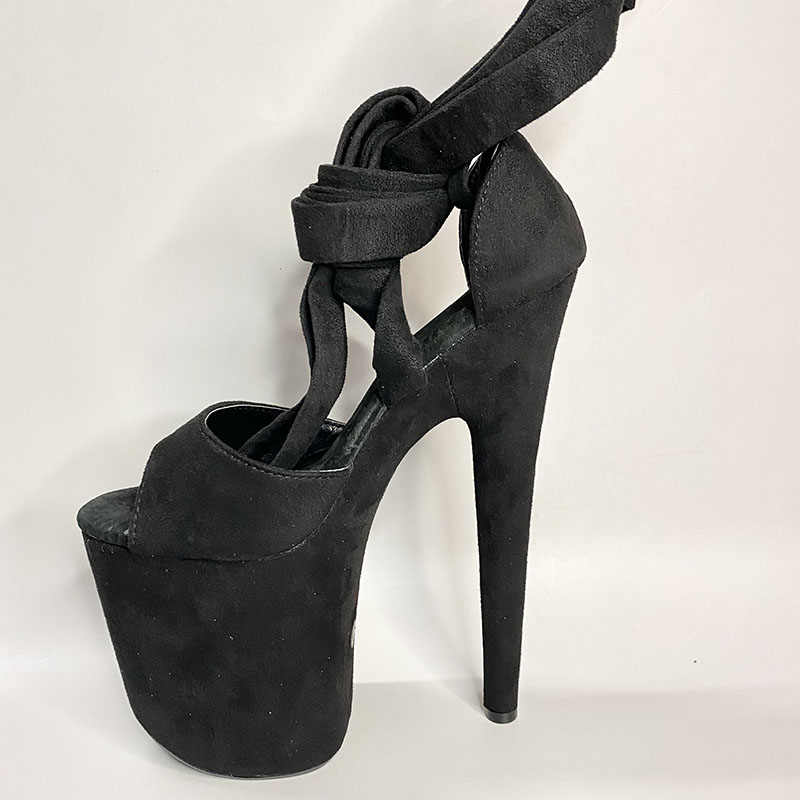
Materials For Shoes Factory-Direct Excellence Your End-to-End Solution
Top Selling Products




- Related Blog
- Reviews
- Reviews
