
Heel Manufacturer - Wholesale & Manufacturer Solutions for Footwear
As a dedicated Heel Manufacturer, I offer a tailored partner experience for retailers seeking reliable Wholesale solutions. I blend traditional crafting with scalable production to ensure every heel is durable, comfy, and stylish. When you work with me as your Manufacturer, you get flexible MOQs, customization options for heel height, materials and finishes, and fast lead times. I source premium leathers, suedes, or high-grade synthetics and reinforce with strong stitching and balanced weight distribution. My team manages pattern development, grading, sampling, and quality control, so your catalog can grow with confidence. You’ll enjoy transparent pricing, steady stock, and dependable shipments that minimize disruptions. I’m committed to long-term partnerships, easy reorders, and proactive communication. If you’re a buyer looking for a reliable Heel Manufacturer who truly understands Wholesale needs, I’m ready to collaborate and help your brand stand out.


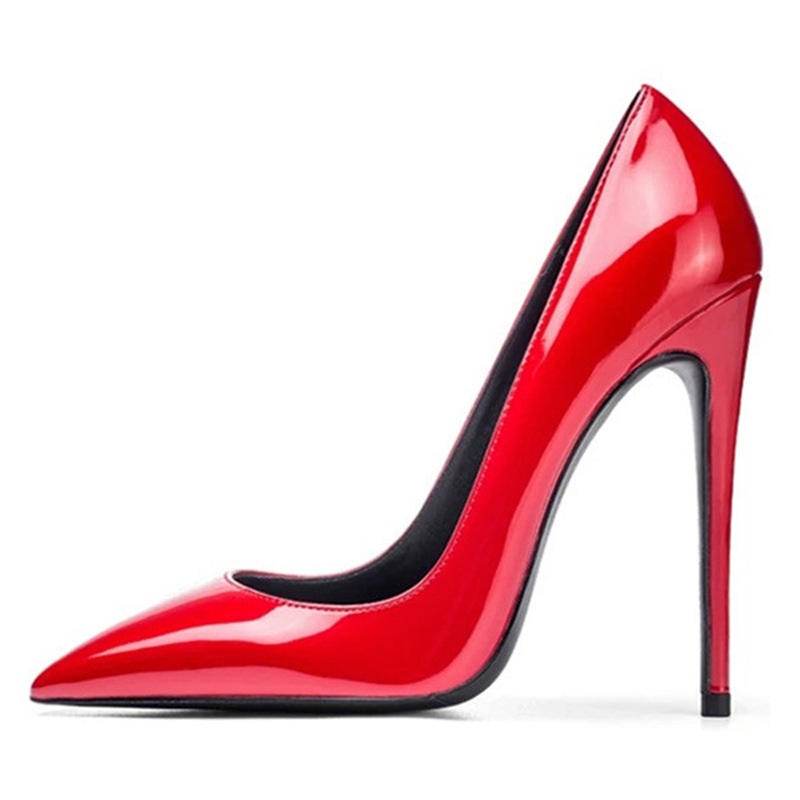
Heel Manufacturer Delivers Unmatched Quality From Concept to Delivery
From concept to delivery, this heel manufacturer stands apart by turning ideas into market-ready footwear with precision. A dedicated design studio translates customer briefs into technical specs, using 3D modeling, iterative prototyping, and fit-testing with ergonomic lasts. Material science governs every choice: premium leathers, durable synthetic uppers, impact-absorbing insoles, and high-performance heel cores. Customized heel shapes, stack heights, and outsole textures are supported, along with sustainable sourcing programs that trace materials from origin to finished product. End-to-end production is governed by strict quality control, with in-line checks during cutting, stitching, bonding, and finishing, plus final inspections using standardized criteria. A responsive project management system ensures transparent communication, rapid sampling, and scalable capacity to meet seasonal demand. On-time delivery is backed by risk-aware planning, multiple supplier options, and robust packaging and logistics coordination. For global buyers seeking reliability and design freedom, the partnership promises consistency, IP protection, and a seamless transition from concept approval to delivery-ready footwear.
| Stage | Description | Key Metrics | Materials Used | Sample Types / Lead Time |
|---|---|---|---|---|
| Concept & Design | Initial concept development, CAD modeling, functional mockups and biomechanical fit review. |
Design cycles: 2–5
Iteration feedback rate: ≥80% first-cycle resolution
|
Design data: CAD (STEP, IGES), 3D scan inputs
|
Concept sketches &fit mockups — 3–7 days Functional CAD review — 2–4 days |
| Prototyping | Rapid prototypes using additive manufacturing and small-batch molded samples for fit, feel and balance tests. |
Dimensional Tolerance
±0.2 mm (typical for molded parts)
|
PLA/Resin (3D print), TPU, PU for trial cores
|
Visual prototypes — 3–10 days Functional molded prototype — 10–21 days |
| Material Sourcing | Qualified supply chain with documented material specifications, traceability and compliance checks. |
Lead compliance
REACH & RoHS screening; supplier audit coverage ≥90%
|
Thermoplastic polyurethane (TPU), Polyurethane (PU), Rubber compounds, Metal inserts
|
Standard material sourcing — 14–30 days Expedited sourcing (approved vendors) — 7–14 days |
| Tooling & Molding | Precision tooling design, CNC machining of molds, and validation runs to ensure repeatability. |
Tool life
Steel molds: 100k–500k cycles (depending on grade)
Cavity balance variance: <2%
|
H13 tool steel, aluminum prototypes, hardened inserts
|
Tool build & tryout — 21–45 days Pilot runs — 5–10 days |
| Production | High-volume injection and compression molding, automated trimming and assembly cells for consistent output. |
Production Capacity
Typical cell throughput: 500–5,000 units/day per line
Yield: ≥98% first-pass
|
PU, TPR, EVA blends, adhesive systems (industry-grade)
|
Batch production — 14–30 days (depends on order size) Flexible scheduling for staggered deliveries |
| Finishing & Assembly | Surface finishing, painting/coating, bonding of heel units to uppers, and final trimming. |
Hardness range
Shore A 60–90 (adjustable by compound)
Bond strength: >3.5 kN (typical adhesion test)
|
Solvent/UV-stable topcoats, adhesives (industry standard)
|
Finishing cycle — 2–7 days Adhesion cure verification — 1–3 days |
| Quality Assurance | Statistical process control, incoming material inspection, in-line dimensional checks and final functional testing. |
Acceptance
AQL sampling per ISO 2859-1; First article inspections per drawing
Colorfastness: Grade 4–5 (ISO 105)
|
Test fixtures, calipers, hardness durometers, peel testers
|
QA cycle — 1–3 days per batch Full certification testing — 7–14 days |
| Packaging & Logistics | Protective packaging design to prevent deformation, consolidated palletization and shipping verification. |
Transit assurance
Drop test: conforms to applicable packaging drop standards; pallet stability ≥98%
|
Recyclable cartons, molded fiber inserts, protective films (recyclable options)
|
Packing — 1–3 days Domestic shipping prep — 2–7 days; international — 7–21 days |
| Sustainability & Compliance | Material traceability, waste reduction programs, and lifecycle impact assessments to support circularity goals. |
Recycled content
10%–40% recycled content achievable depending on component
Energy use reductions via process optimization: typical 8–20% savings
|
REACHISO 9001ISO 14001 |
LCA & certification prep — 14–45 days Continuous improvement cycles quarterly |
Related Products
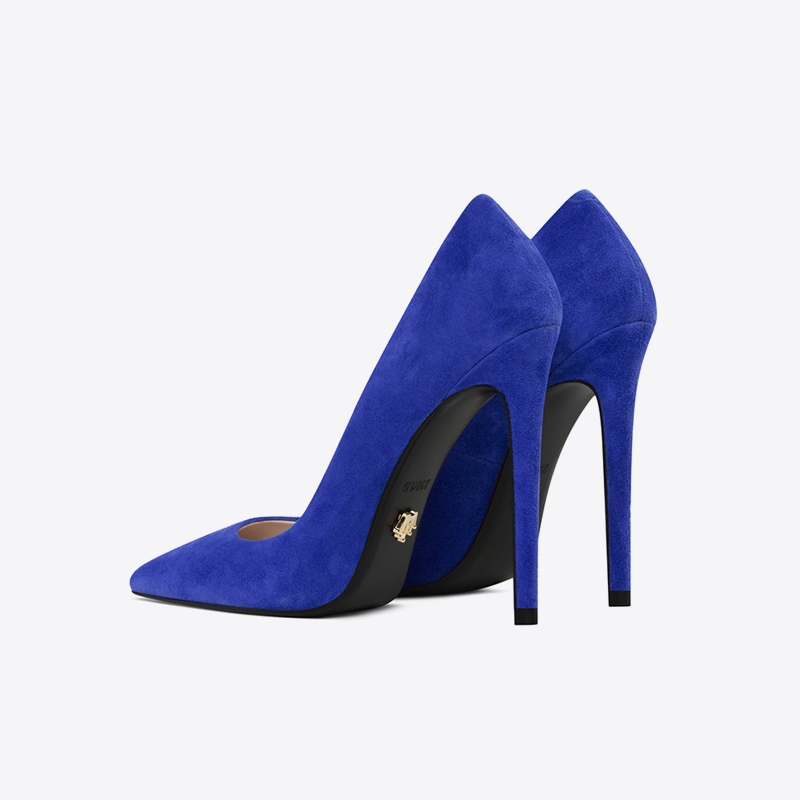





Heel Manufacturer Stands Out Where Innovation Meets 2025
Top Selling Products

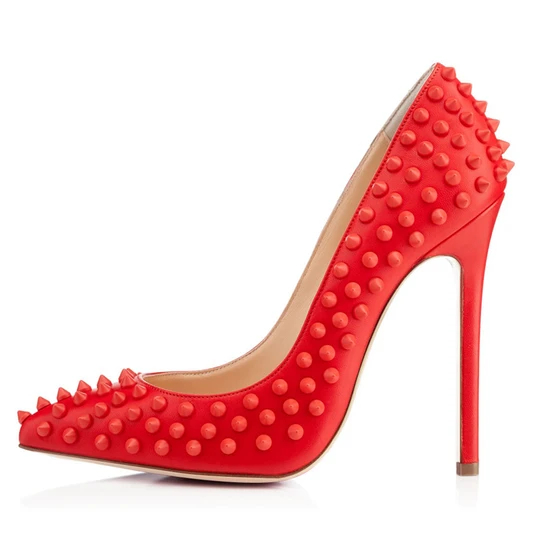
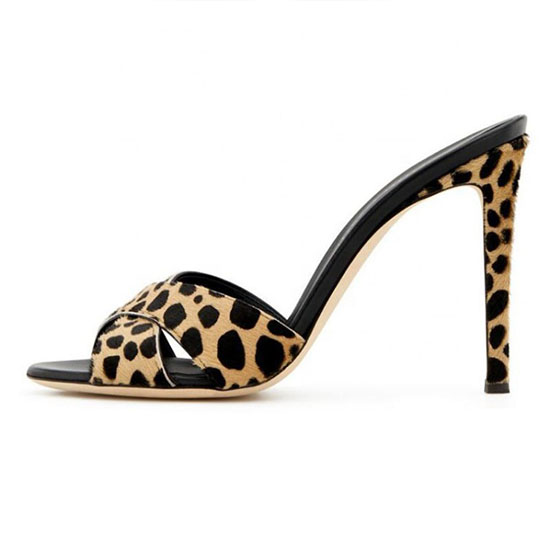

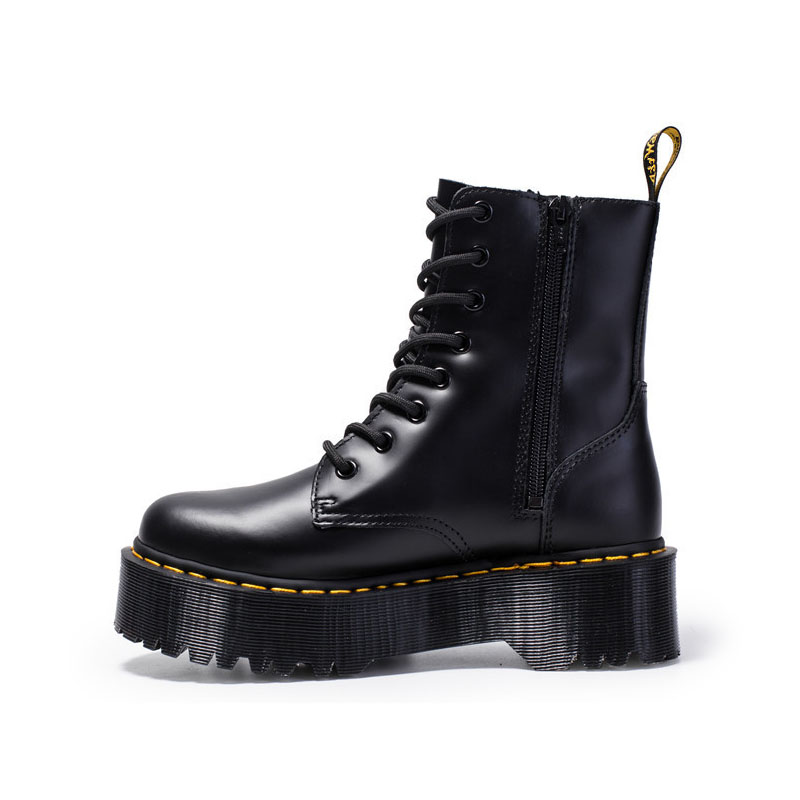
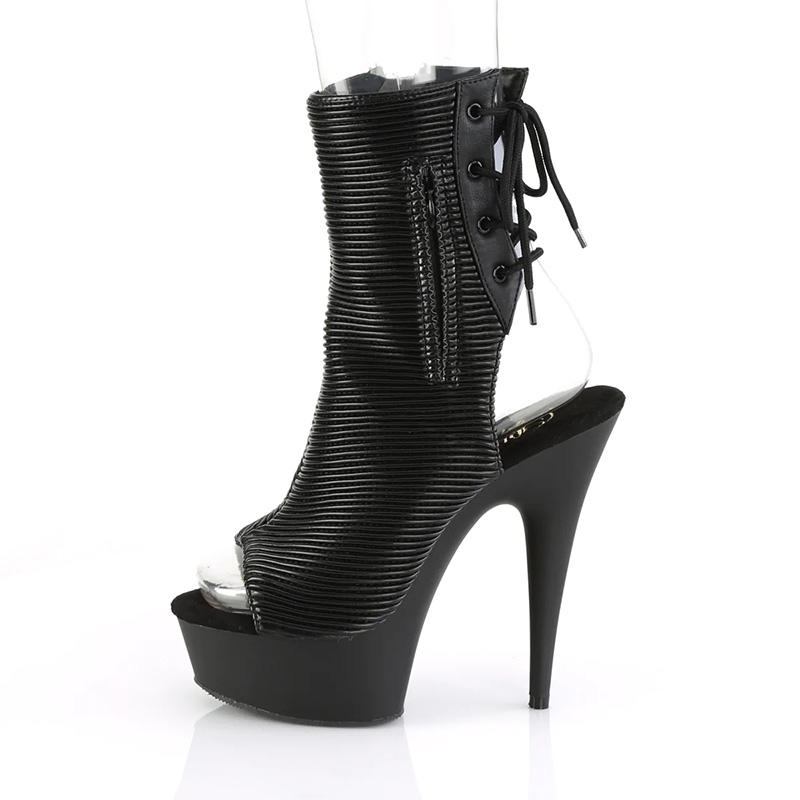
- Related Blog
- Reviews
- Reviews
