
Bag Making Company: Wholesale Manufacturer for Custom Bags
Becoming your trusted Bag Making Company means I listen first. We serve Wholesale buyers and brand owners with scalable production, from small runs to full container orders. As a Manufacturer, our in-house design, sample room, and production lines turn your specs into durable, market-ready bags. I offer custom fabrics, zippers, lining, and prints, with low minimums for prototypes and generous capacity for bulk. Our QC team checks every stitch, weight, and finish, so you get consistent quality on every shipment. We streamline sourcing, labeling, and packaging, and I coordinate shipping to your warehouse or store network. With transparent pricing and short lead times, partnering with us means less risk and more speed to market. If you want to grow your bag lineup, I am ready to discuss material options, certifications, and private label opportunities. Let's build a reliable supply chain together as your go-to Bag Making Company.
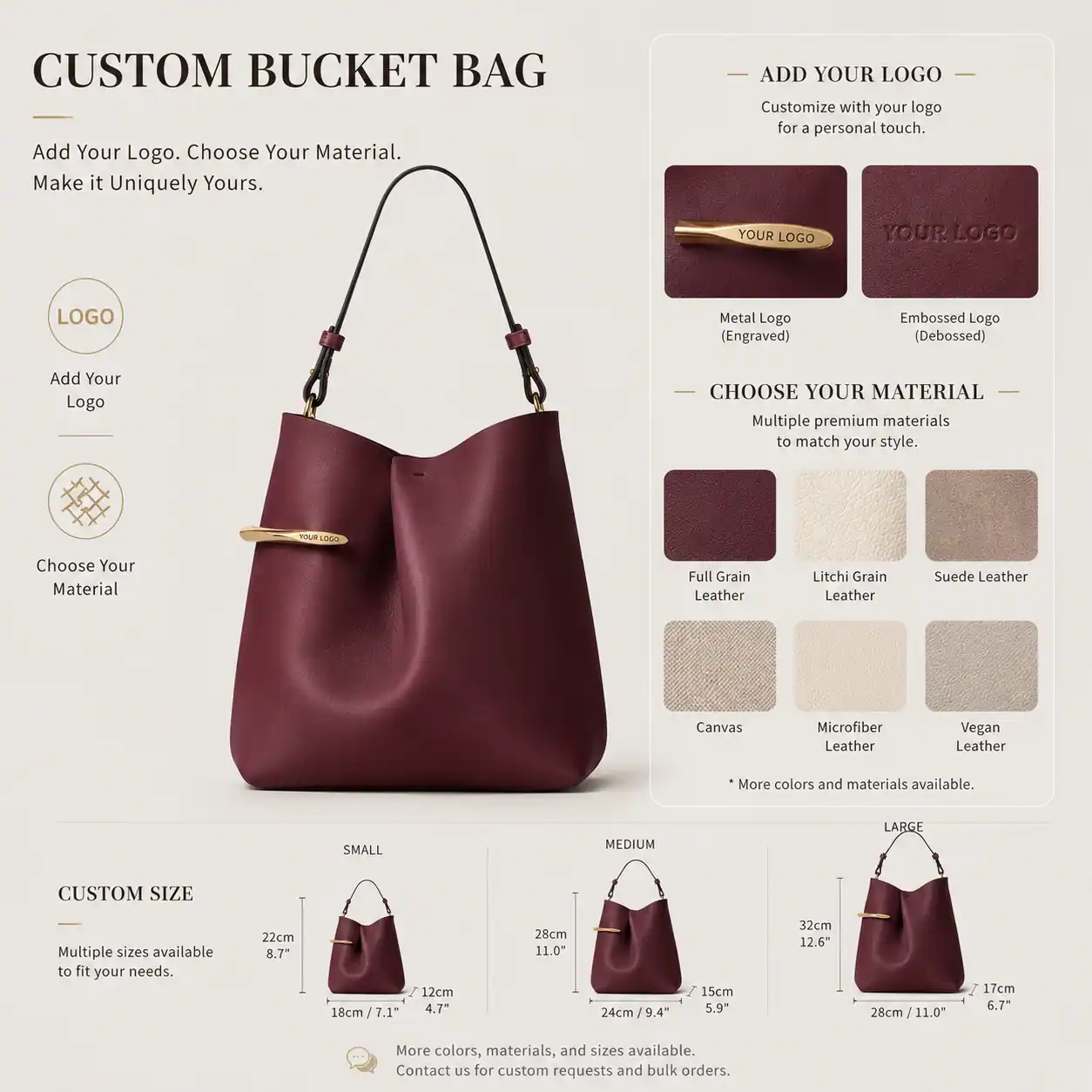


Bag Making Company Manufacturer Products
As a premier bag making partner with a modern facility in China, we design and manufacture a wide range of bags for global buyers. From fashion totes and backpacks to travel cases and laptop sleeves, we offer OEM and ODM solutions. Materials include genuine and vegan leather, canvas, nylon, and recycled fabrics, with customized hardware, zippers, and straps. Our flexible lines handle small prototyping runs and scalable mass production, delivering rapid development cycles and reliable on-time delivery. To meet international procurement needs, we enforce strict quality control at every step—from incoming materials to final inspection—plus traceability and performance testing. We offer competitive lead times, MOQ options, and packaging customization, including eco-friendly choices. With transparent project management and open communication, we help brands and distributors reduce risk, shorten time-to-market, and grow confidently in diverse markets.
{ Bag Making Company Manufacturer Products}
| Product ID | Product Name | Category | Material | Dimensions (L x W x H cm) | Weight (g) | Color Options | Branding/Printing Options | Production Method | Country of Origin | Lead Time (days) | Certifications |
|---|---|---|---|---|---|---|---|---|---|---|---|
| BM-001 | Classic Canvas Tote | Tote Bag | Cotton Canvas | 38 x 28 x 12 | 320 | Natural, Black, Navy | Label patch; Screen print | Cut & Sew | Vietnam | 14 | REACH; OEKO-TEX Standard 100 |
| BM-002 | Waterproof Messenger Backpack | Backpack | 420D Nylon with PU coating | 28 x 46 x 12 | 620 | Olive, Charcoal, Navy | Embroidered logo; Heat transfer | Cut & Sew | China | 21 | ISO 9001; REACH |
| BM-003 | 60L Duffle Bag | Duffel | 600D Polyester | 50 x 28 x 28 | 860 | Black, Grey, Red | Debossed patch | Cut & Sew | China | 28 | OEKO-TEX Standard 100; ISO 9001 |
| BM-004 | Foldable Cosmetic Pouch | Pouch | Ripstop Nylon | 18 x 12 x 8 | 60 | Pink, Emerald, Navy | Screen print | Sewn | Vietnam | 7 | REACH |
| BM-005 | Laptop Sleeve 13" | Accessory | EVA foam + Neoprene | 34 x 24 x 2 | 120 | Black, Charcoal | Heat transfer | Sewn | China | 10 | RoHS; REACH |
| BM-006 | Drawstring Gym Bag | Gym Bag | Nylon with drawstring | 44 x 34 | 90 | Red/Black, Blue/Black | Screen print | Sewn | China | 12 | REACH |
| BM-007 | Camera Insert Bag | Protective Insert | EVA foam + Nylon | 24 x 16 x 26 | 180 | Black | None | Cut & Sew | Vietnam | 16 | ISO 9001 |
Related Products


Bag Making Company Ahead of the Curve Your End-to-End Solution
Top Selling Products



- Related Blog
- Reviews
- Reviews
