Private label shoes and bags factory - XINGZIRAIN

Bespoke Custom Boots Production for Wholesale & Manufacturer Needs

From the first stitch to the final fit, I own Bespoke Custom Boots Production that speaks to serious buyers. I work directly with retailers and brands looking for scalable footwear solutions. As a Wholesale supplier and a trusted Manufacturer, I align craftsmanship with demand, offering full service from design and materials to last, sole, and finish. Each boot is cut to your specs, tested for comfort, and built to endure the road. I keep production lean, reduce lead times, and provide transparent costing so you can price confidently. Our process embraces strict QA, traceable supply chains, and flexible MOQ to fit your catalog. You’ll get samples fast, collaborative prototyping, and volume discounts on long-term orders. If you want consistent quality, predictable delivery, and a partner who understands B2B needs, I stand ready to scale Bespoke Custom Boots Production with you.
Hot Selling Product

Bespoke Custom Boots Production Products Dominates

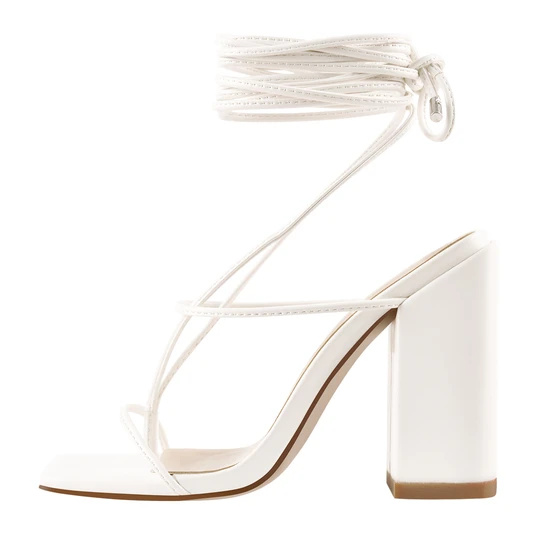
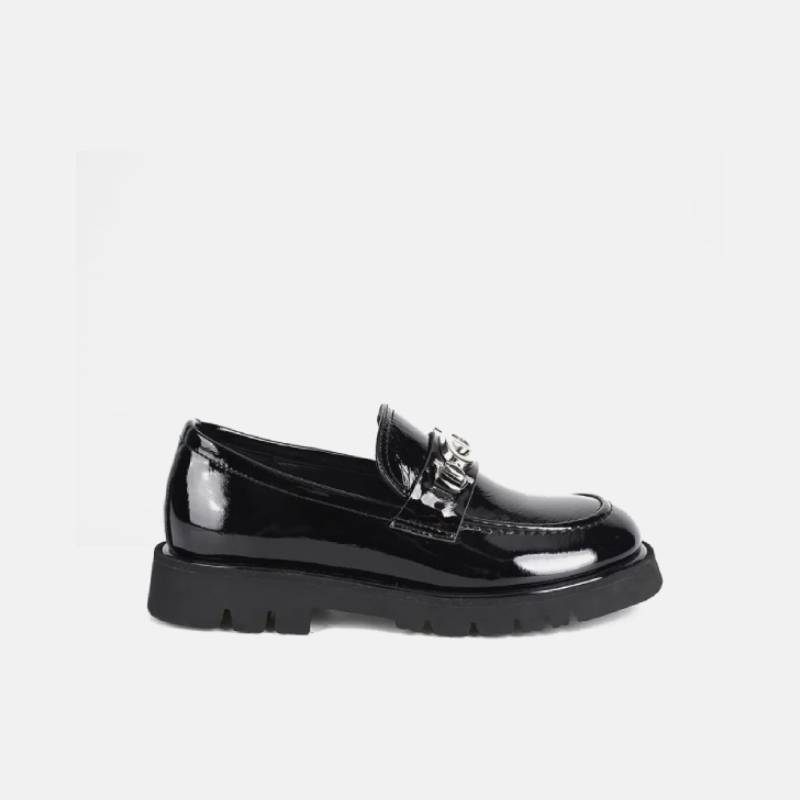
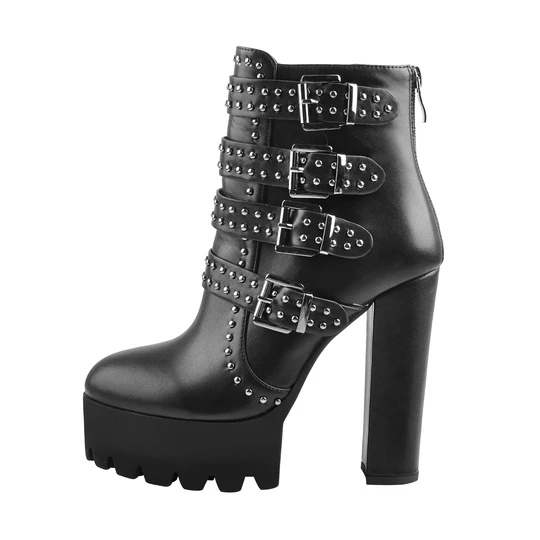
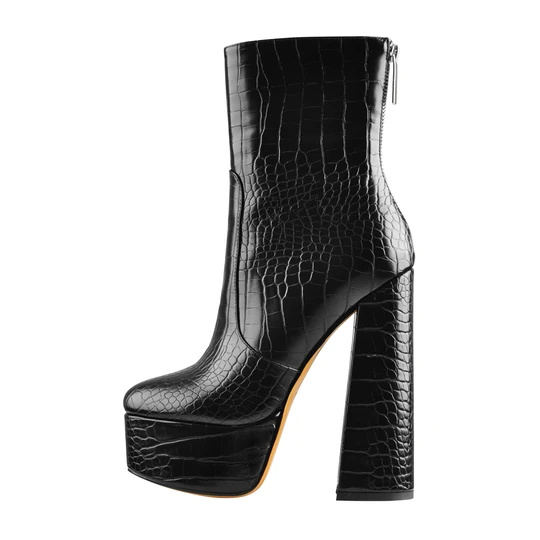
Bespoke custom boots dominate for global buyers who seek fit, function, and distinctive style. The market demands precise sizing, durable materials, and design flexibility across outdoor, work, and fashion segments. From last shaping and arch support to waterproof membranes and outsole geometry, every detail can be tailored. An end-to-end process—from concept sketches and 3D patterning to samples and production—delivers consistent quality and faster feedback. Located in a premier manufacturing hub in southwestern China, this operation blends craftsmanship with automation to support rapid iterations and reliable supply. Global procurement teams benefit from in-house quality control, traceable sourcing, and compliance with international standards. With scalable capacity, flexible lead times, and options for prototypes and small runs, development risk and time-to-market are reduced. In-house tooling and iterative testing translate design intent into durable boots with repeatable performance, while transparent costing supports budgeting and risk management. The result is a competitive edge: customized, dependable boots delivered efficiently to markets worldwide.

{ Bespoke Custom Boots Production Products Dominates}
Model Type Material Heel Style Size Range Lead Time (days) Build Time (hours/pair) Capacity (per week) Customization Options Durability (years) Defect Rate (%) CO2 Emissions (kg CO2e/pair)
Classic Chelsea Boot Full-Grain Leather Flat/Low Heel US 6-12 / EU 39-46 16 7.5 22 Monogram; Stitch Color; Leather Conditioner 6 0.6 28
Wingtip Boot Calf Leather Leather Heel US 7-12 / EU 40-45 18 8 20 Wingtip Pattern; Stitch Color 7 0.5 25
Monochrome Chukka Nubuck Leather Low/Cork US 6-11 / EU 39-44 14 6.5 28 Dye Color; Sole Type 5 0.8 22
Alpine Boot Waterproof Oil-Tanned Leather Lug Sole US 8-13 / EU 41-46 21 9 18 Waterproofing; Stitching Pattern 8 0.6 31
Desert Boot Suede Block Heel US 5-11 / EU 38-43 12 5.5 26 Color Accent; Sole Material 4 1.0 19
Riding Boot Cordovan Stacked Leather US 7-12 / EU 40-45 28 10 12 Exotic Leather; Hand-Stitching 9 0.4 35
Derby Boot Veal Leather Rubber Sole US 6-11 / EU 39-44 15 6 24 Monogram; Stitch Color; Sole Type 6 0.7 24

Related Products

Bespoke Custom Boots Production Factory From Concept to Delivery

数据维度:各生产阶段的耗时分布

End-to-End Lead Time Distribution by Production Stage

Understanding the end-to-end lead time across production stages is essential for optimizing the workflow of a bespoke boot production facility. This chart decomposes the total cycle into discrete stages—Concept, Design, Prototyping, Tooling, Manufacturing, Quality Assurance, and Delivery—and presents the typical duration for each stage in weeks based on recent order data. By visualizing duration by stage rather than solely measuring overall throughput, stakeholders can identify bottlenecks, variability hotspots, and opportunities for parallel work streams or standardization. In the presented data, the Design and Prototyping phases exhibit notable variability, indicating opportunities to accelerate iterations while maintaining the customization standard. The Tooling phase, although relatively shorter, can limit downstream progress if new patterns or materials trigger delays, suggesting a potential benefit from modular tooling and pre-approved material kits. Manufacturing accounts for the largest block of time, reflecting the complexity of artisan techniques, custom fittings, and material handling; process improvements here—such as refining cutting, stitching workflows, or introducing flexible automation—could yield meaningful reductions in lead time. Quality Assurance, while essential for ensuring fit and durability, represents a critical gateway where rework can significantly extend overall delivery timelines; investing in upfront design-for-inspection practices and faster in-line testing can help shrink this segment. Delivery, often constrained by logistics and packaging, tends to be more predictable; however, close coordination with carriers and packaging optimization can further stabilize final mile performance. The insight from this distribution informs capacity planning, prioritization decisions, and continuous-improvement initiatives, emphasizing balanced improvements across stages to maintain the promise of bespoke customization with reliable delivery timelines. This visualization serves as a strategic tool for ongoing optimization, scenario planning, and aligning cross-functional teams around a shared goal of faster, more consistent delivery without sacrificing quality or customization.

Top Selling Products

Leave Your Message