
Green Footwear Development: Wholesale Manufacturer Solutions
I'm here to power Green Footwear Development for Wholesale partners and Manufacturers who demand reliability and sustainability. From concept to delivery, I guide every step: material sourcing with low impact, design for manufacturability, and scalable production. My approach blends eco-friendly upper fabrics, recycled insoles, and water-based adhesives, without compromising comfort or durability. As a Manufacturer myself, I understand timelines, MOQ flexibility, and quality control that meets global standards. For Wholesale clients, I offer ready-to-ship assortments, private labeling, and consistent supply chains. My R&D mindset tests lifecycle impacts, ensures compliance, and provides transparent reporting. With hands-on project management and flexible tooling, I can reduce time-to-market and protect margins. If you seek a trusted partner in Green Footwear Development, talk to me—let’s build sustainable footwear that grows your business responsibly.


Green Footwear Development Custom Solutions, Service Backed by Expertise
Green footwear development is a strategic commitment to responsible sourcing and durable performance. We partner with global buyers to turn eco-friendly concepts into commercially viable products, delivering end-to-end custom solutions from concept to production. Our approach emphasizes low-impact materials (recycled fibers, bio-based textiles, water-based adhesives), design for longer life, and recyclable end-of-use. With material efficiency, waste reduction, and energy-conscious manufacturing, we help brands meet tough environmental standards without sacrificing style or comfort. Behind every rollout is engineering expertise and a collaborative process. Our team blends product design, materials science, and process optimization to turn ideas into scalable production. We offer rapid prototyping, digital sampling, and flexible manufacturing for varying orders and lead times. We align with international quality and environmental certifications, maintain rigorous QA and traceability, and provide transparent supply chain reporting. By combining reliability with responsive service, we help global buyers differentiate with sustainable footwear that performs, fits, and lasts.
{ Green Footwear Development Custom Solutions, Service Backed by Expertise}
| Dimension | Focus Area | Value | Unit | Notes |
|---|---|---|---|---|
| Materials and Sustainability | Renewable and recycled content share | 65 | % | Share of renewable/recycled materials in total input; industry range varies by product. |
| Carbon Footprint | Life cycle CO2e | 7.3 | kg CO2e/pair | Estimated cradle-to-gate value including packaging; regional differences apply. |
| Water Usage | Dyeing and finishing water | 4.8 | liters/pair | Includes rinse and finishing stages; varies with dyeing technology. |
| Energy Consumption | Manufacturing energy intensity | 1.2 | kWh/pair | Electrical energy per pair; automated lines tend to reduce intensity. |
| End-of-Life and Recyclability | Disassembly-friendly design | 68 | % | Share of components designed for disassembly and recycling. |
| Certifications | Material safety and compliance | OEKO-TEX Std 100; REACH | N/A | Covers safety and environmental compliance across materials. |
| Development Timeline | Project duration | 6 | weeks | Typical lead time from concept to prototype in customizing projects. |
Related Products
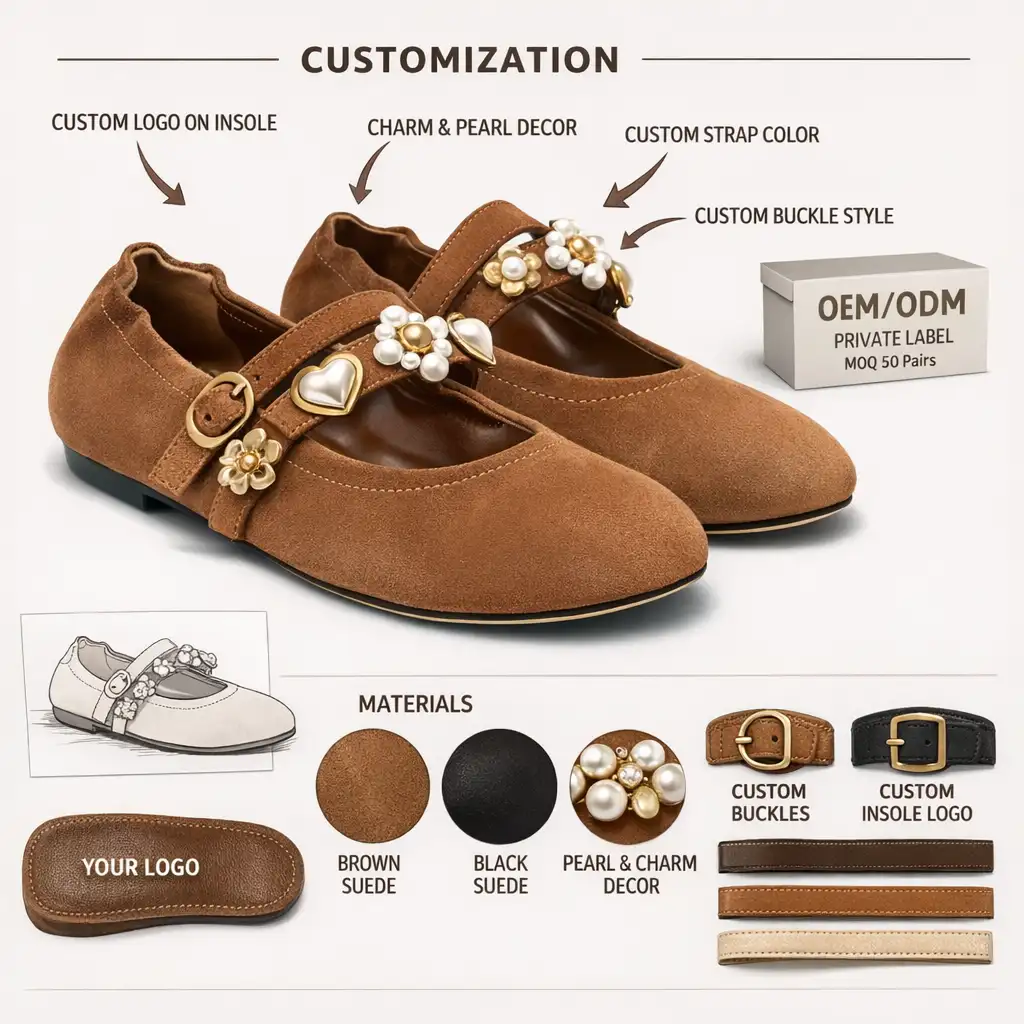
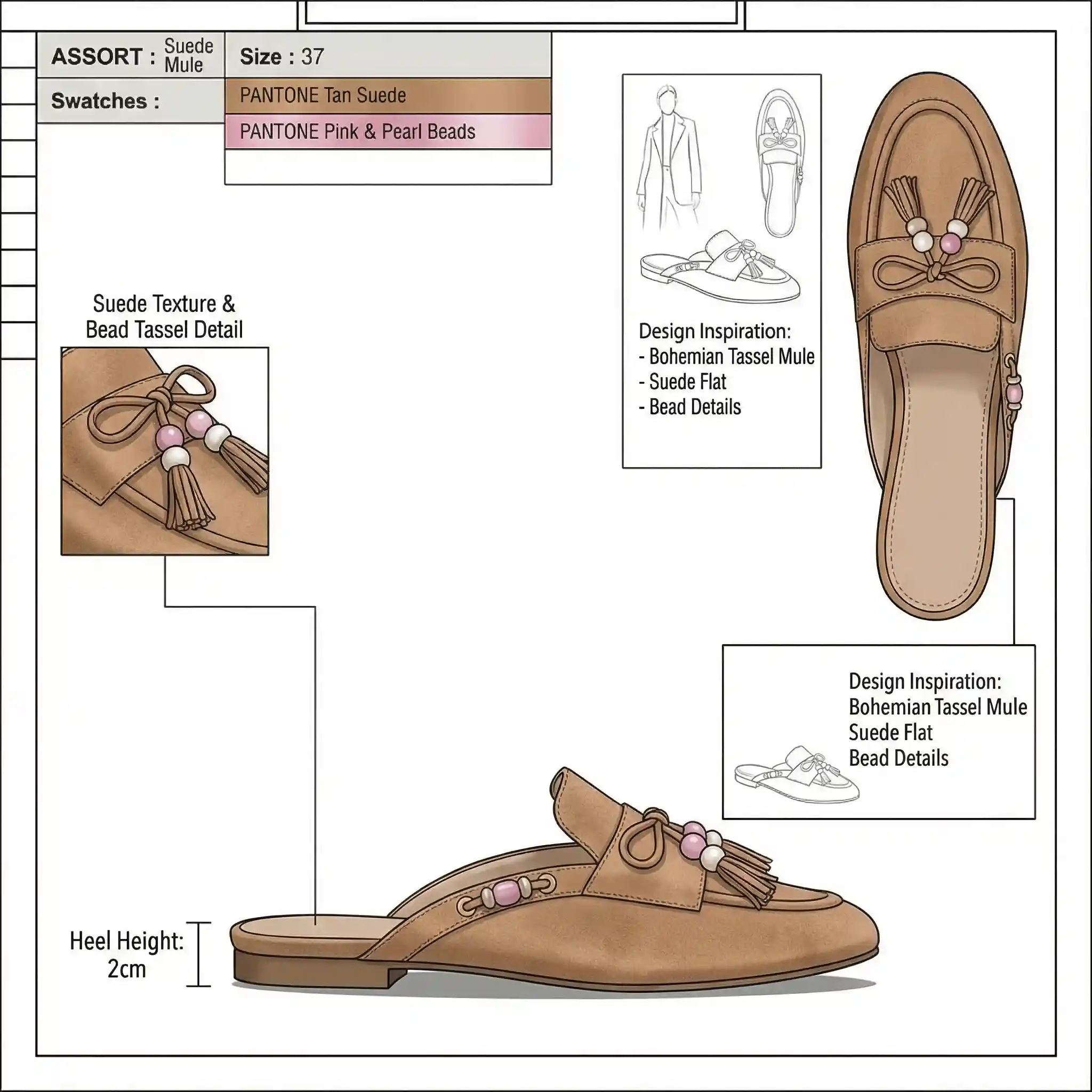
Green Footwear Development Delivers Unmatched Quality Factory-Direct Excellence
Top Selling Products






- Related Blog
- Reviews
- Reviews
