
Green Shoe Industry: Wholesale Manufacturer for Eco Footwear
Within the Green Shoe Industry, I partner with Wholesale buyers and fellow Manufacturers to deliver dependable, customizable footwear solutions. I’m a hands-on Manufacturer with strict QA and scalable production, offering eco-friendly components, durable uppers, and recycled-outsole options. We provide flexible MOQs, fast lead times, and private-label or co-branding options to fit your business model. My team focuses on consistent quality, on-time delivery, and clear communication—so you can plan your inventory with confidence. We employ green processes—water-based inks, low-emission adhesives, and waste reduction—helping you meet sustainability goals. Competitive pricing and transparent terms come standard, with support across design, prototyping, and full-scale production. If you’re expanding Wholesale lines or seeking a reliable Manufacturer partner who can handle both large orders and small runs, I’m ready to tailor a plan to your specs, packaging, and timeline.


Green Shoe Industry For the Current Year Winning in 2025
Across the footwear sector, 2025 turns sustainability into a market advantage. Brands seek lower climate impact while boosting performance, driving demand for recycled and plant-based materials, waterless dyeing, and closed-loop production. Innovations in 3D knitting and modular design cut waste and extend lifecycles. For global buyers, the focus is resilient supply chains and credible ESG storytelling that resonates with consumers. To win, choose partners who offer full traceability, verifiable environmental certifications, and transparent sourcing. Prefer factories with energy efficiency programs and low-emission logistics, plus data on carbon and water use. Emphasize product stewardship, take-back schemes, and scalable green lines that meet regional standards. The payoff is differentiated value: compliant, responsible footwear that supports margins and market access in diverse regions.
| Dimension | 2023 | 2024 | 2025 | Notes |
|---|---|---|---|---|
| Global Green Footwear Market Size (USD Bn) | 68 | 75 | 84 | Estimated market size for sustainable footwear products worldwide. |
| Share of Recycled Materials in Production (%) | 28 | 31 | 34 | Includes recycled upper fabrics, foam, and insoles. |
| Average CO2 Emissions per Pair (kg CO2e) | 8.5 | 8.3 | 7.9 | Lifecycle emissions across material processing and distribution. |
| Water Usage per Pair (liters) | 4.2 | 3.9 | 3.6 | Water footprint reduction through process optimization. |
| Energy Consumption per Pair (MJ) | 40 | 38 | 36 | Improvements from efficiency and cleaner energy sourcing. |
| End-of-Life Recycling Rate (%) | 22 | 25 | 28 | Share of discarded shoes recycled or repurposed. |
| Manufacturers with Sustainability Certifications (%) | 37 | 41 | 46 | ISO 14001, bluesign, and other eco-certifications. |
| Average Product Lifespan (months) | 28 | 29 | 30 | Durability improvements reduce replacement frequency. |
| Circular Design Adoption Rate (%) | 12 | 15 | 19 | Designs optimized for disassembly and recyclability. |
Related Products
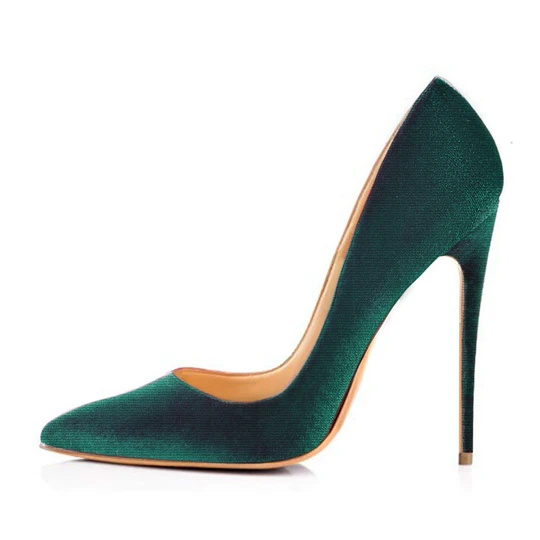
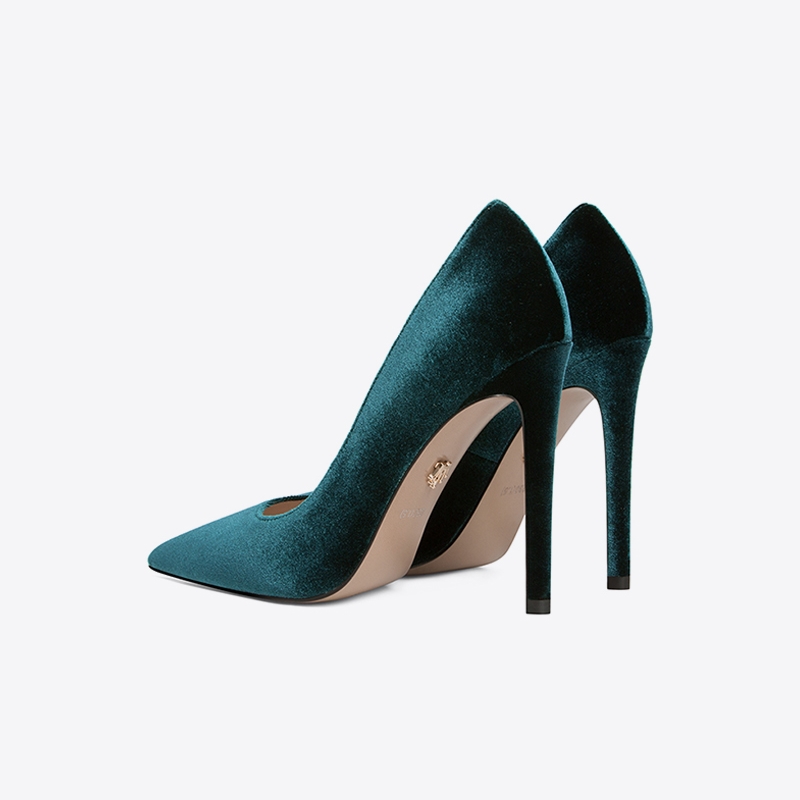




Green Shoe Industry Leads the Global Market Custom Solutions,
Top Selling Products
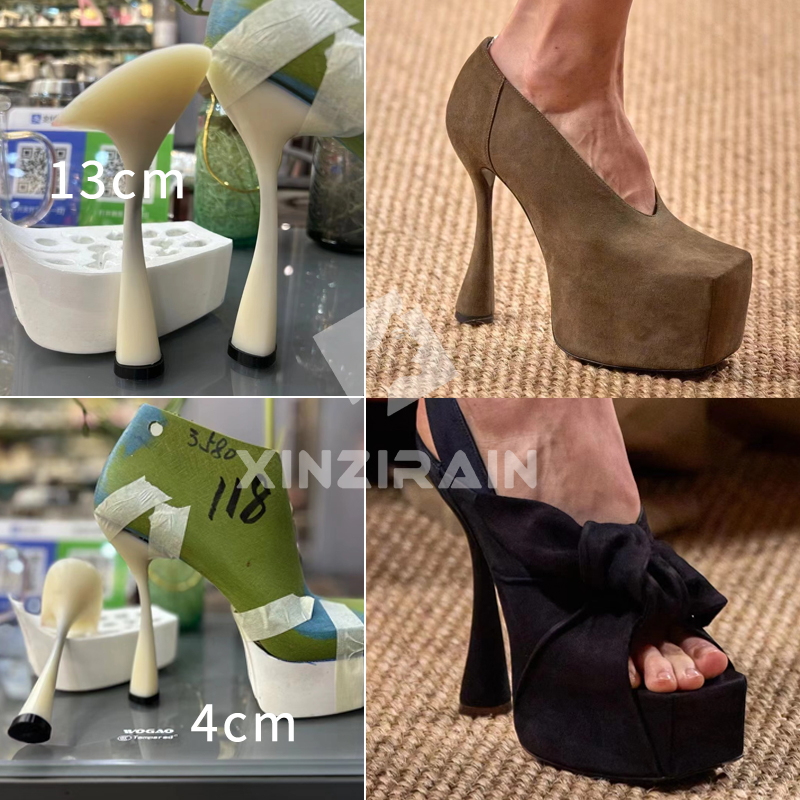


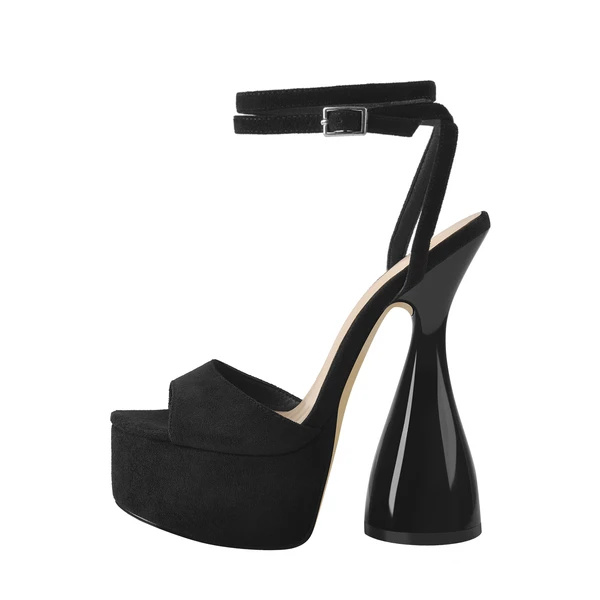




- Related Blog
- Reviews
- Reviews
