
Leather Manufacturing Usa - Wholesale Manufacturer
We’re a trusted partner in Leather Manufacturing Usa, delivering top-quality hides and finished leathers at scale. As a Manufacturer with years of experience, we specialize in tailored solutions for Wholesale partners and brands across bags, footwear, and automotive interiors. You’ll get reliable supply, flexible minimums, and consistent color and finish—every batch checked to meet your specs. We offer full-service tanning, matching, and finishing, so you can ship faster and keep your costs predictable. Our process uses responsible sourcing and careful quality control to ensure durability and a premium feel. We can customize thickness, grain, and odor levels, plus standard or exotic leathers for bulk orders. With direct oversight from our team, you’ll avoid middlemen and save time on procurement. If you need scalable production, clear communication, and dependable lead times, we’re here to partner with you—wholesale ready and Manufacturer focused, ready to grow your brand.
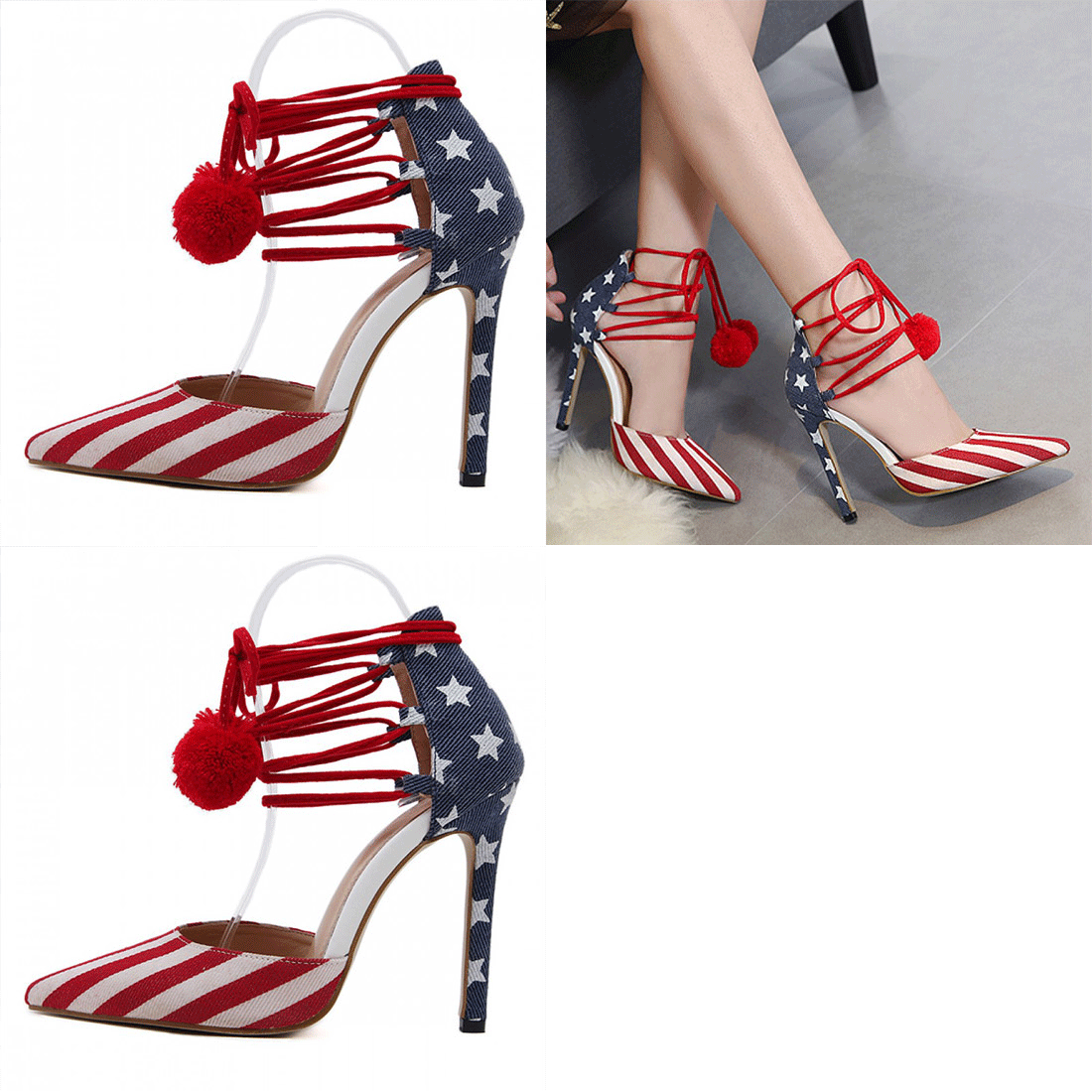



Leather Manufacturing Usa Ahead of the Curve Winning in 2025
As the US leather manufacturing landscape moves toward higher efficiency, sustainability, and digital visibility, winners in 2025 will be those who deliver consistent quality with resilient supply chains. Global buyers now expect transparent sourcing, compliant practices, and the agility to adapt to demand shifts without risk. Automation, closed-loop processing, and data-driven QA are becoming standard. In this cross-continental context, a Chengdu-based footwear maker demonstrates how collaboration can meet these expectations without sacrificing speed or cost. From raw hide to finished product, the path to 2025 hinges on responsible material stewardship and traceability. This producer invests in sustainable tanning options and water-saving technologies, supports chrome-free processing, and uses digital tagging to map material provenance. Modular lines, automated cutting and sewing, and proactive logistics enable flexible volumes and short lead times for samples and larger runs. The team can offer design support, private labeling, and scalable capacity while maintaining color, texture, and wear performance in rain shoes and other leather goods. For global procurement teams seeking a bridge between Asian sourcing and US standards, the right partner combines craftsmanship with governance: rigorous supplier audits, third-party certifications, and real-time dashboards for quality and material flow. By embracing these practices, a Chengdu-based facility can help buyers win in 2025 with secure materials, sustainable production, and dependable delivery that meets evolving consumer expectations for comfort, durability, and responsible manufacturing.
{ Leather Manufacturing Usa Ahead of the Curve Winning in 2025}
| Year | Production (USD Bn) | Employment (k) | Avg Wage (USD/hr) | Energy Intensity (KBtu/unit) | Water Usage (Million gallons) | CO2 Emissions (Metric Tons) | Exports (USD Bn) | R&D Spending (% of Sales) | Automation Index | Global Market Share (%) |
|---|---|---|---|---|---|---|---|---|---|---|
| 2020 | 34.20 | 38 | 23.50 | 1200 | 320 | 84000 | 10.50 | 0.90 | 0.42 | 12.0 |
| 2021 | 30.10 | 35 | 24.30 | 1180 | 310 | 78000 | 9.80 | 0.95 | 0.44 | 11.8 |
| 2022 | 32.50 | 36 | 25.10 | 1170 | 305 | 80000 | 10.50 | 0.97 | 0.46 | 12.2 |
| 2023 | 35.00 | 37 | 25.70 | 1160 | 312 | 82000 | 11.20 | 1.00 | 0.49 | 12.8 |
| 2024 | 37.80 | 38 | 26.30 | 1150 | 318 | 85000 | 11.80 | 1.05 | 0.52 | 13.4 |
| 2025 Forecast | 41.00 | 39 | 26.80 | 1145 | 320 | 87000 | 12.40 | 1.08 | 0.56 | 13.8 |
Related Products


Leather Manufacturing Usa Factory Now Trending
Top Selling Products
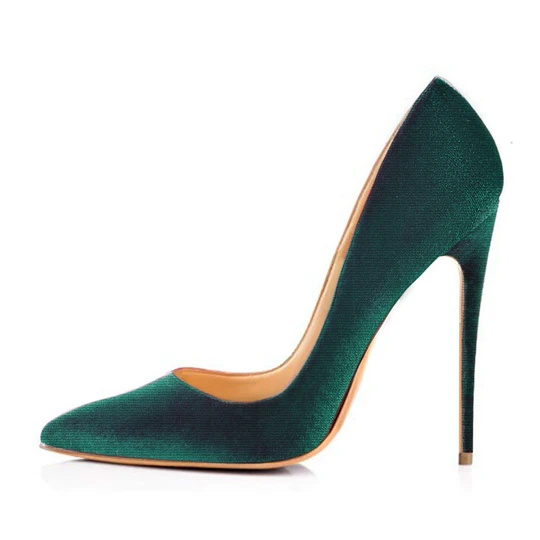
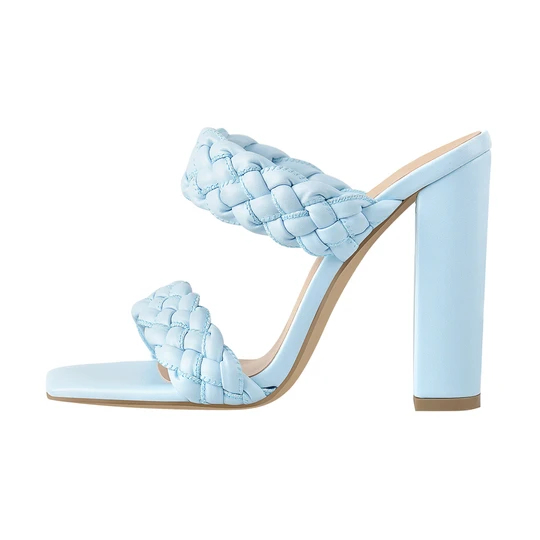
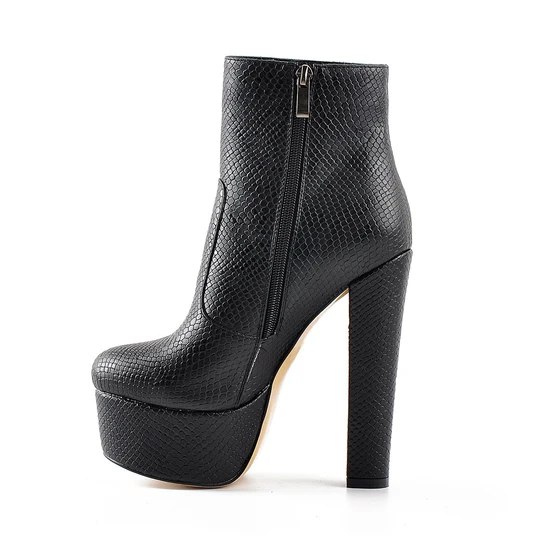
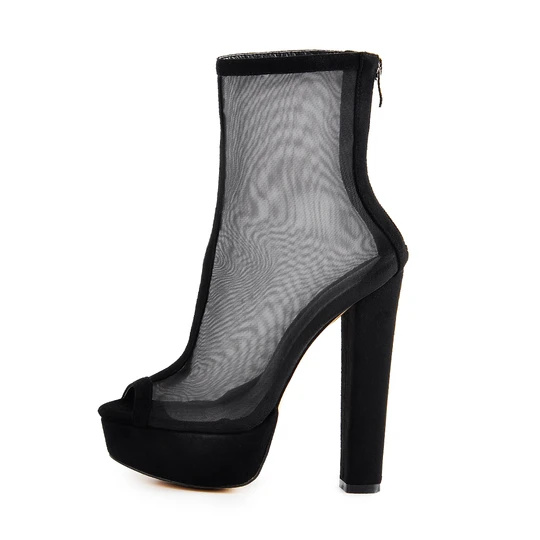


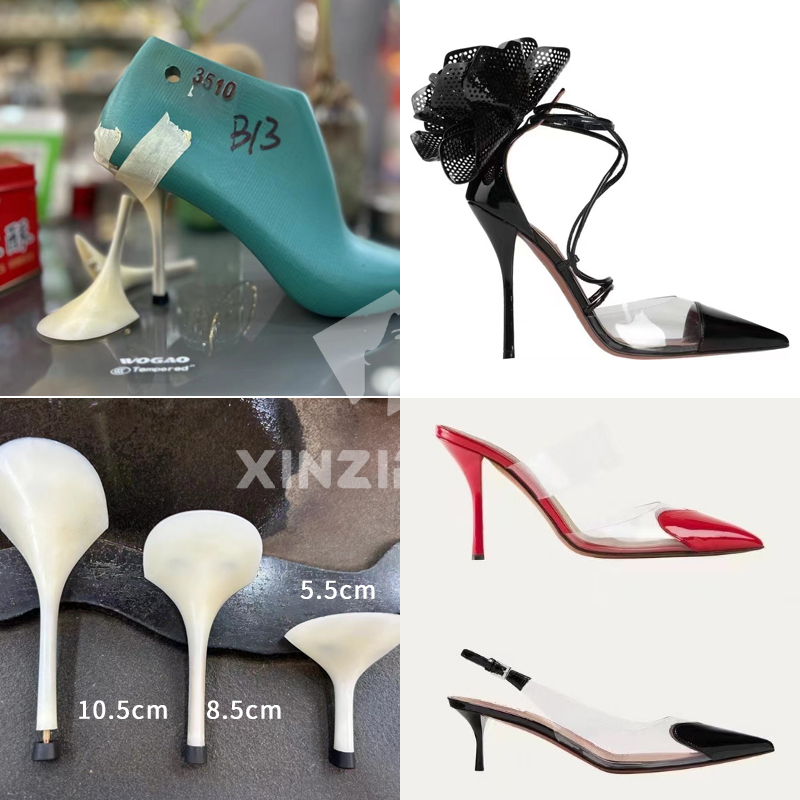

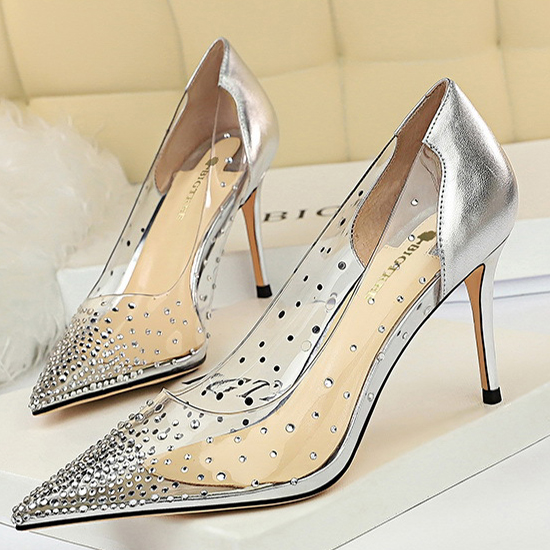


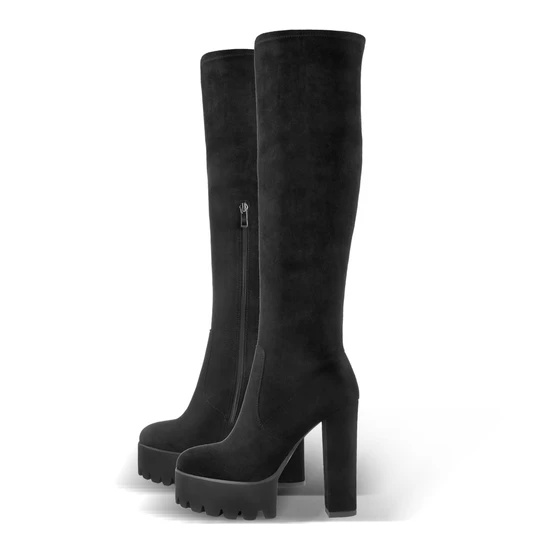
- Related Blog
- Reviews
- Reviews
