
Private Label Footwear Manufacturer - Wholesale & Manufacturer
I’m the team behind this Private Label Footwear Manufacturer, and I’m here to help retailers scale with confidence. When you partner with me for Wholesale orders, you’ll get flexible MOQ, fast lead times, and full branding control—your logo, packaging, and size range, all built into a product line your customers will love. As a Manufacturer focused on quality, we use durable materials, slip-resistant outsoles, and rigorous QC checks from sample to shipment. I offer ready-to-go designs or complete customization, so you can launch a private label category that fits your market. We handle sourcing, labeling, and inventory management, letting you focus on selling. Transparent pricing, dependable logistics, and responsive support are part of the deal. If you aim to differentiate in a crowded space, I can tailor styles, colors, and sizes to your target audience, while keeping costs competitive for wholesale programs and long-term partnerships.


Private Label Footwear Manufacturer Supplies the World\u2019s Top Brands From Concept to Delivery
For global procurement teams seeking private label footwear, a trusted partner can manage every step from concept to delivery. We offer end-to-end support: trend-driven design, precise technical specs, ergonomic comfort, and material selection across leather, fabric, and synthetics. Prototyping, tooling, and fit testing translate ideas into market-ready products while protecting your brand through confidential manufacturing and scalable production plans. Many global brands and retailers rely on such partnerships to scale their footwear programs. Our QC and compliance programs ensure consistent quality, ethical sourcing, accurate color and sizing, and robust documentation. We manage supplier networks, MOQ flexibility, transparent lead times, and cost control while offering packaging customization and full private labeling. With integrated project management, logistics support, and on-time delivery, you can launch seasonally and distribute globally with confidence.
Private Label Footwear Manufacturer Supplies the World’s Top Brands From Concept to Delivery
| Dimension | Representative Data & Details | Notes / Applicable Standards |
|---|---|---|
| Regions Served |
EuropeNorth AmericaAsia
Also active in Oceania & Latin America via consolidated shipping networks.
|
Logistics tailored to regional compliance (chemical & labeling rules vary by market). |
| Primary Materials | Full-grain & corrected-grain leather; suede & nubuck; microfiber & PU leathers; knitted uppers (recycled PET options); thermoplastic polyurethane (TPU) components; EVA, PU & rubber midsoles/outsoles. | Material properties documented for abrasion, tensile strength, and colorfastness. |
| Manufacturing Processes | Pattern making & CAD, cutting (automatic & hand), stitching, lasting, injection & compression molding, vulcanization, adhesive bonding, heat pressing, laser cutting, 3D knitting, automated outsole assembly. | Line mix of automated cells and manual finishing for quality-critical styles. |
| Prototype & Sampling Timeline | Prototype design: 2–4 weeks; Physical sample(s): 2–6 weeks depending on complexity; Fit & lab testing concurrently. | Timelines assume clarified tech-pack and approved material swatches. |
| Typical Bulk Lead Time | Standard production: 8–16 weeks (style complexity and seasonal peaks affect timing); expedited programs possible with prioritized scheduling. | Peak season (Q3–Q4) can add 2–6 weeks to typical lead times. |
| Order Scale & Capacity | Pilot / pre-production runs: commonly 500–1,000 pairs; Standard production runs: 3,000–10,000 pairs; Aggregated annual cluster capacity range: 0.5M–5M pairs depending on factory footprint. | Capacity figures aggregate multiple production lines and seasonal flex capacity. |
| Quality Metrics | In-line inspection protocols, final inspection target defect rate: typically <0.5% for finished goods; dimensional & fit tolerances documented per last and tech-pack. | Quality control includes AQL sampling, final visual inspections, and random lab rechecks. |
| Certifications & Testing | Common certifications and testing frameworks: ISO 9001 (quality), ISO 14001 (environmental programs), social compliance audits (BSCI/SA standards), product testing to EN ISO 20344 / ASTM F2413 (where applicable), Oeko‑Tex & REACH chemical screening. | Certification mix varies by factory site and customer requirements. |
| Sustainability Practices | Recycled material integration (e.g., recycled PET uppers) 10–40% in selected lines; water-saving dyeing systems; solvent-free adhesives in certain processes; targeted renewable energy on-site where feasible. | Measurement: % recycled content by weight, water usage per pair, and GHG reduction initiatives. |
| R&D & Technical Services | 3D CAD development, last development & fit engineering, rapid prototyping (CNC/3D printing molds), material lab validation, biomechanics & wear trials coordination. | Support includes digital mock-ups and physical fit iterations to reduce time-to-market. |
| Shipping & Logistics | Typical transport modes: consolidated sea freight (3–6 weeks transit), air freight for expedited shipments (3–10 days); export documentation and customs support provided. | Incoterm options supported; lead times exclude domestic collection and port congestions. |
Related Products
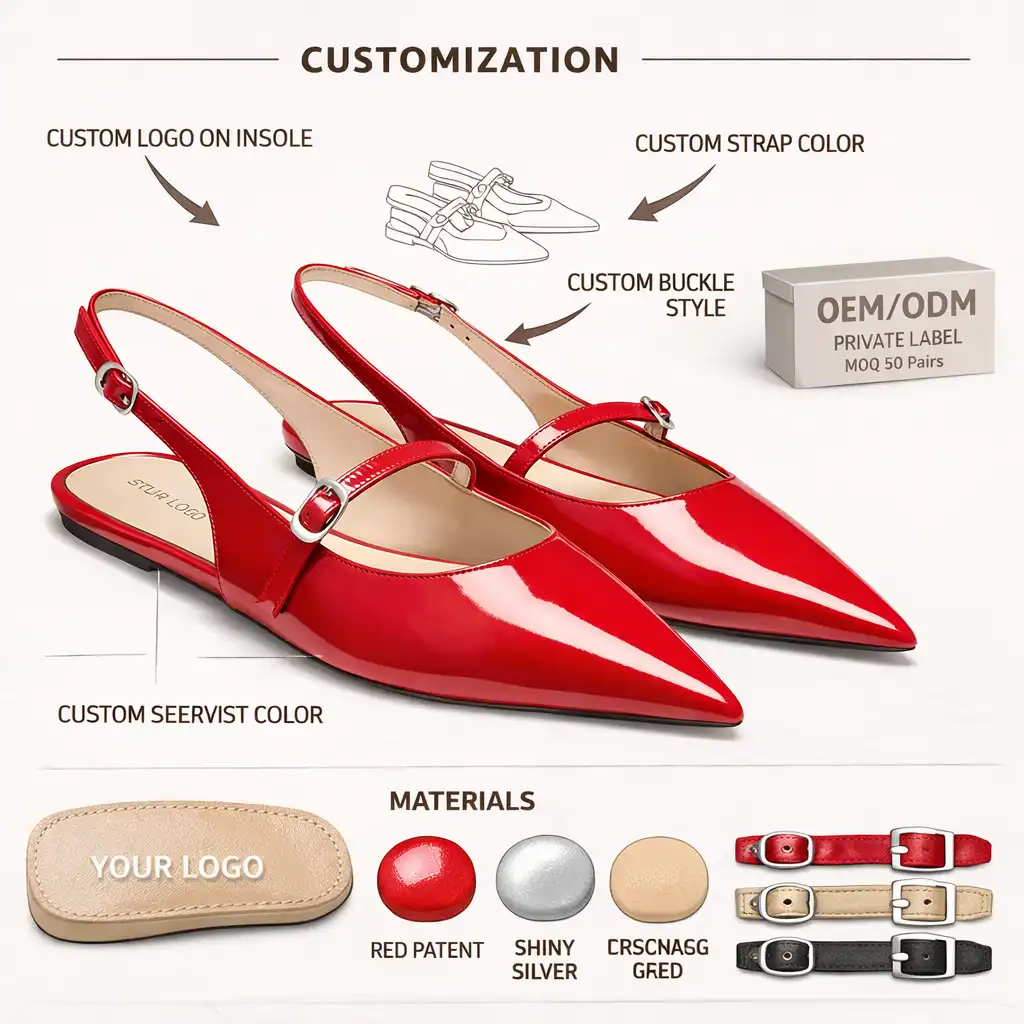
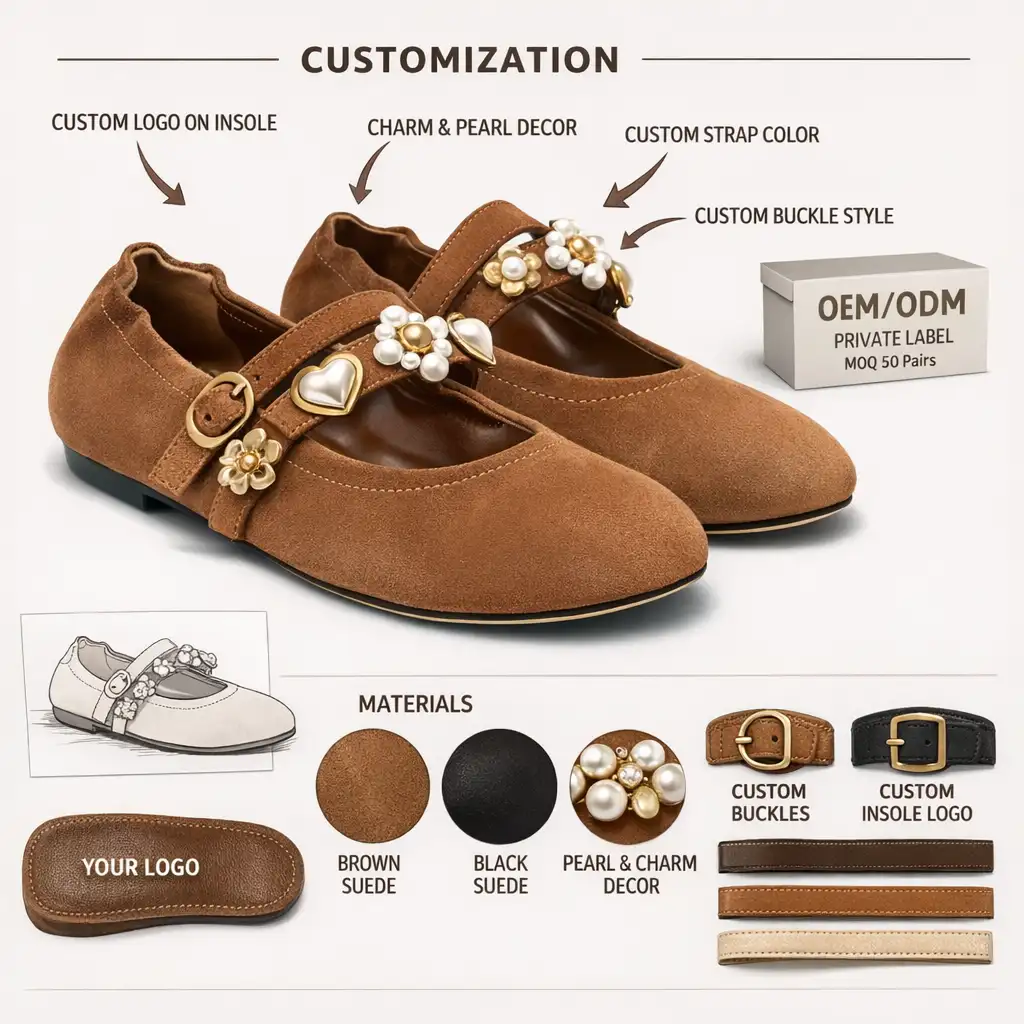
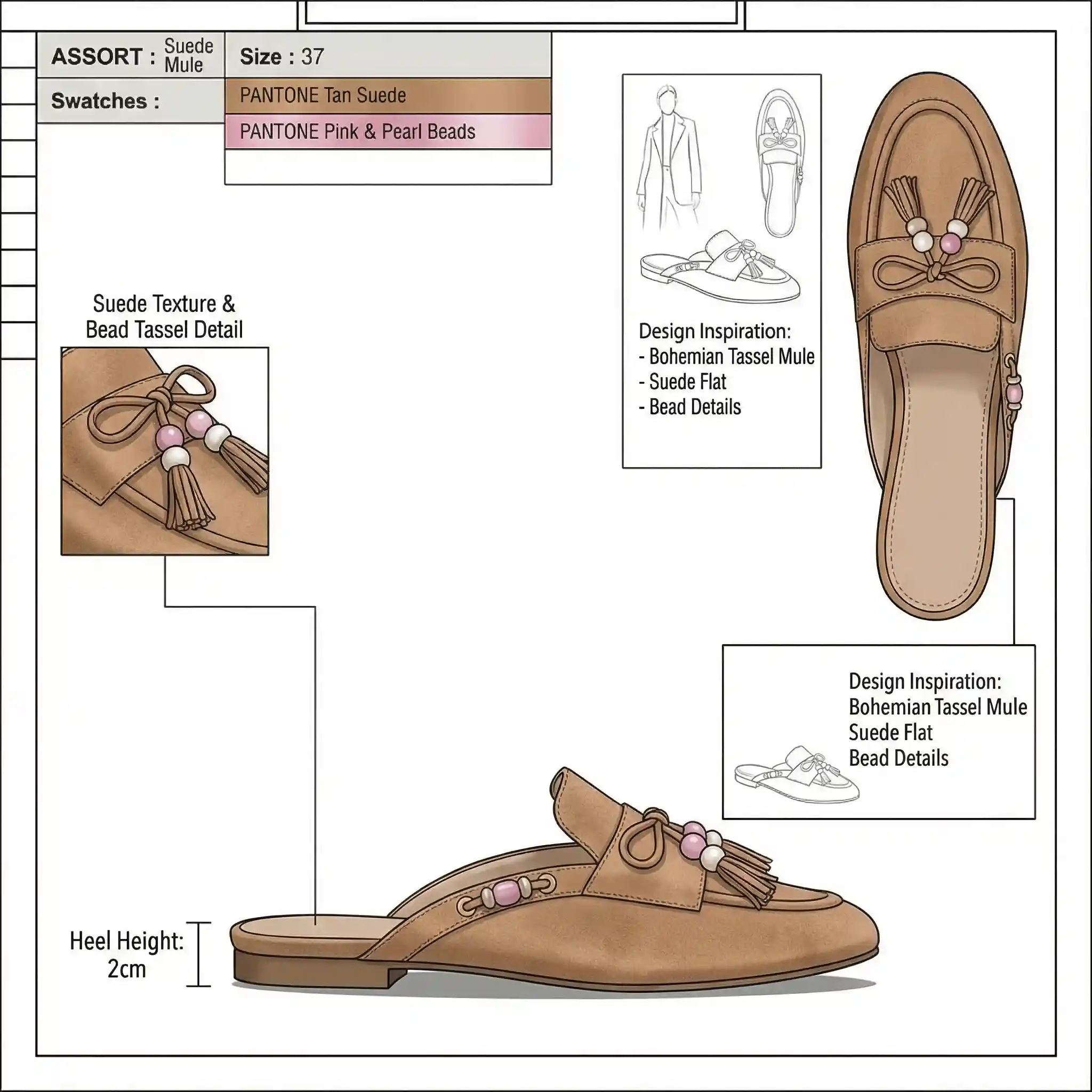
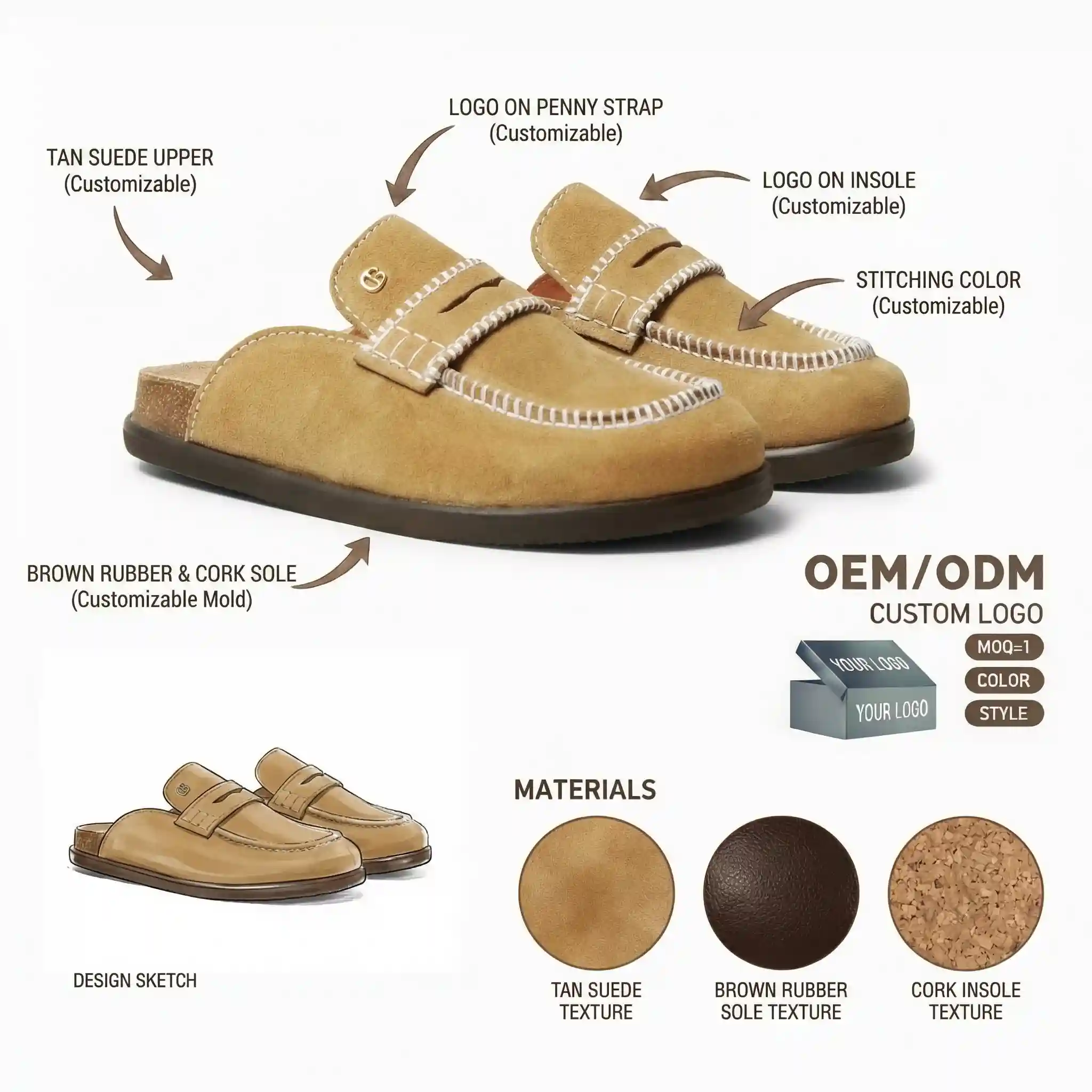


Private Label Footwear Manufacturer Factory Manufacturers You Can Rely On
Top Selling Products


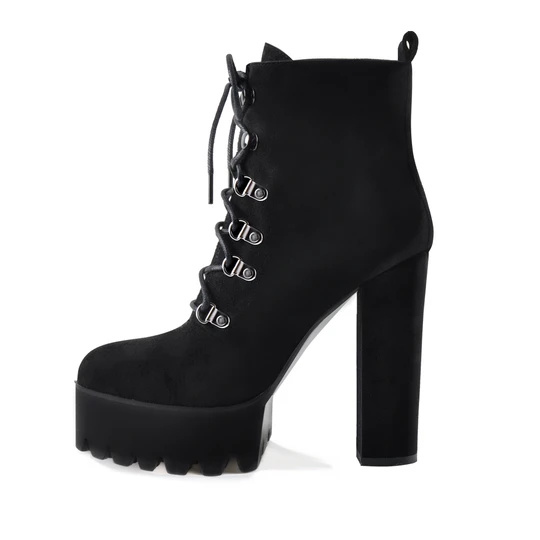
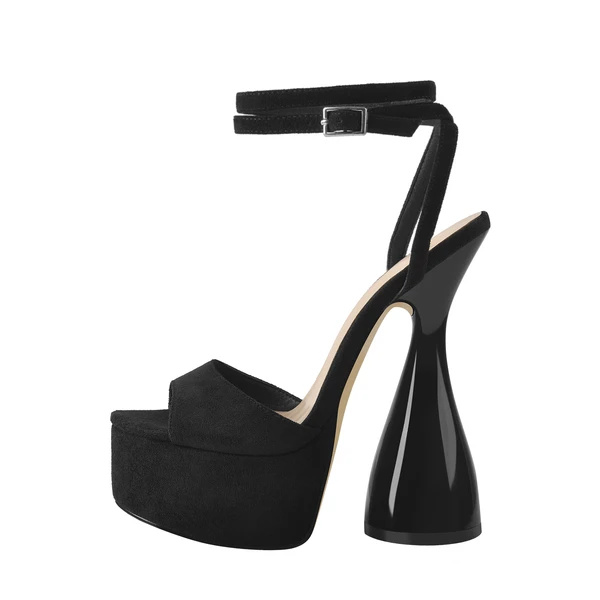
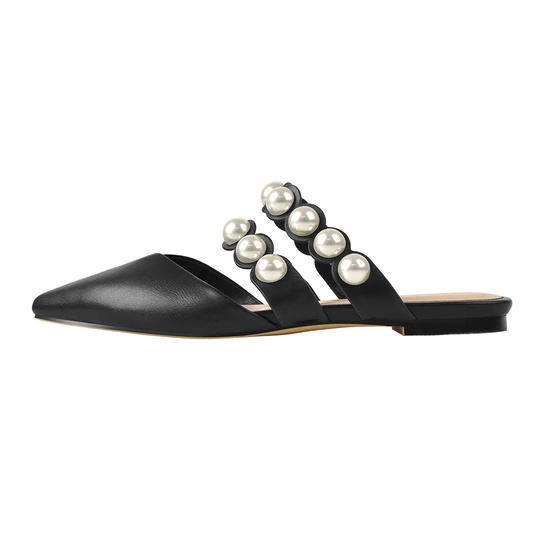
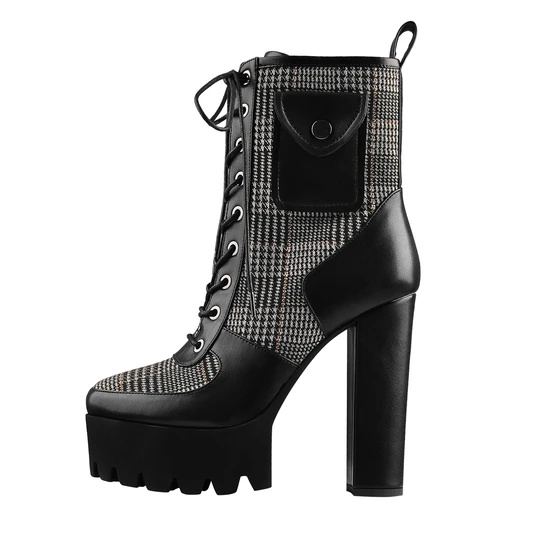


- Related Blog
- Reviews
- Reviews
