
Shoes Women Shoes Wholesale Manufacturer - Quality Women's Footwear
I design Shoes Women Shoes with wholesale buyers in mind. I am a Manufacturer committed to quality and value, delivering reliable lead times and consistent sizing across styles. For Wholesale orders I offer flexible MOQs, competitive pricing, and direct communication to cut middlemen. Our production line handles a wide range of materials—soft nubuck, premium leather, and breathable synthetics—so you can tailor footwear to your market. I work with private labeling, branding, and packaging options, helping you differentiate on shelf and online. From sample to large-scale production, I manage quality control with strict checks and on-time shipping. I understand what buyers want: durable comfort, current design, and easy re-orders. If you’re seeking a steady supply of Shoes Women Shoes from a reliable Manufacturer, I’m ready to partner with you, share catalog, specs, and certifications, and build a successful Wholesale relationship.

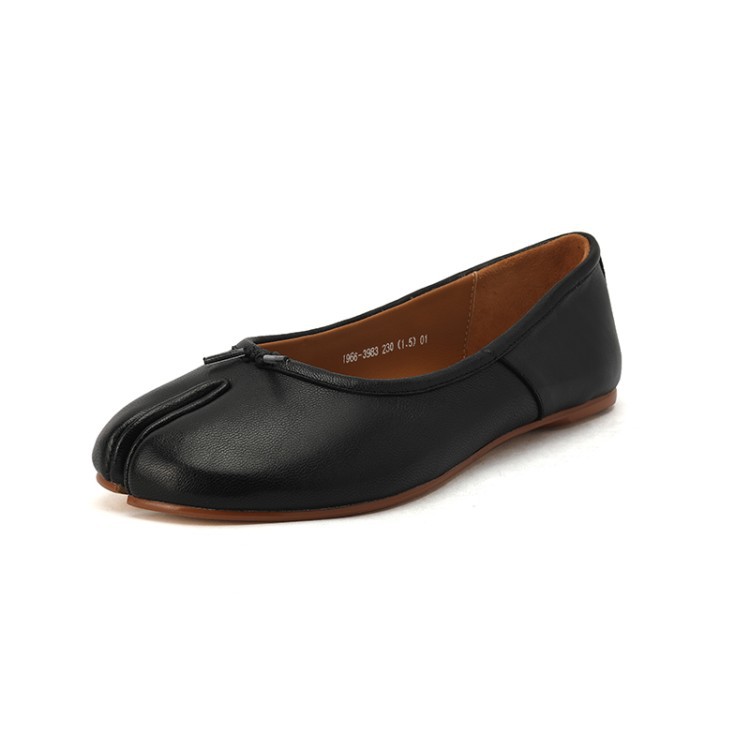
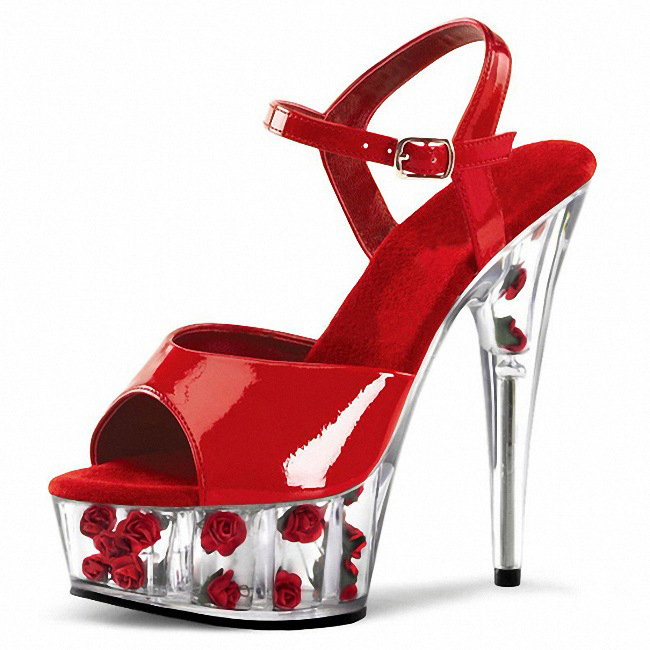
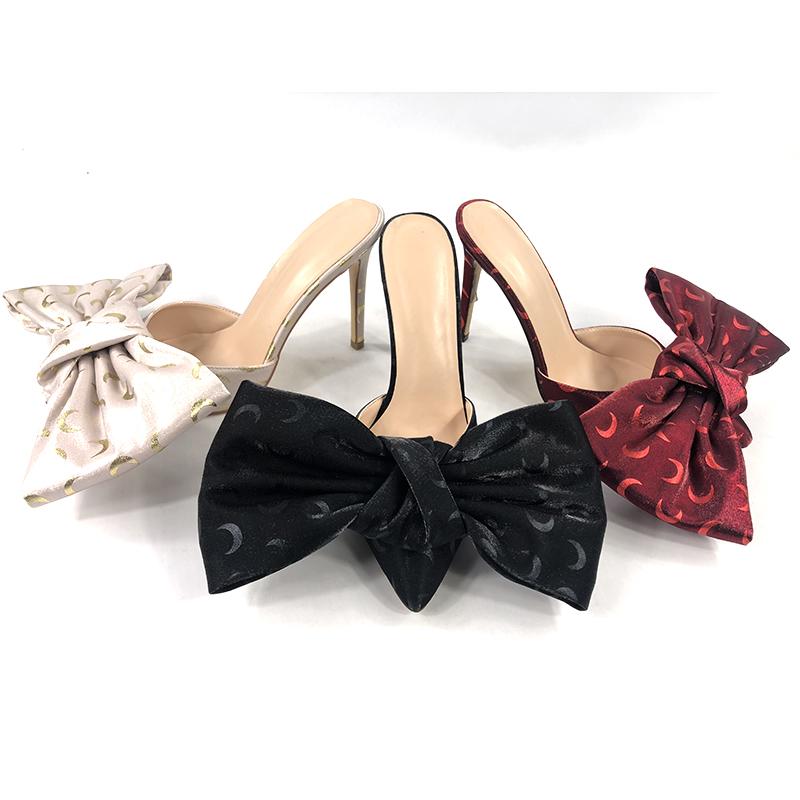
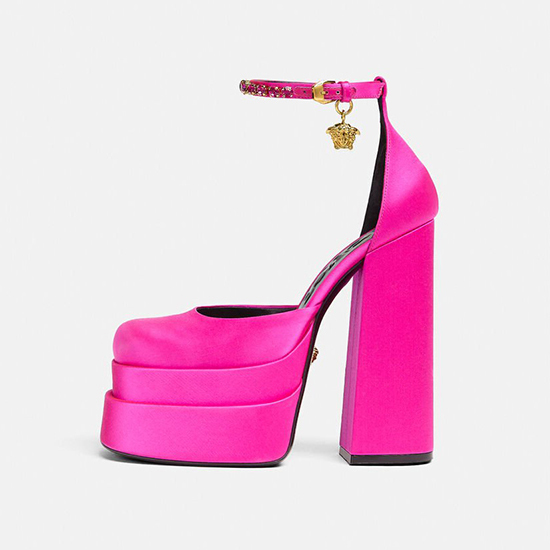
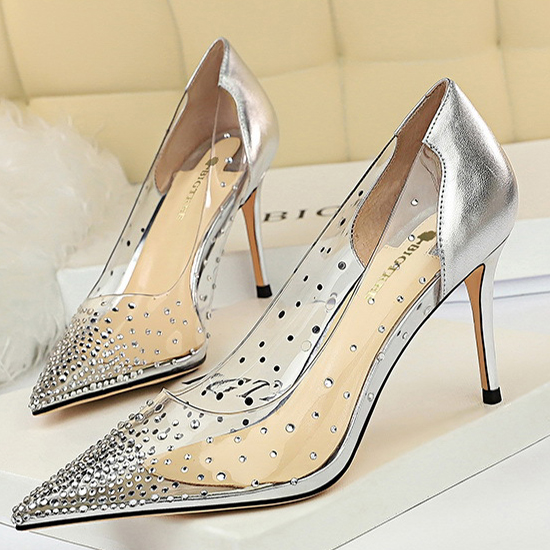
Shoes Women Shoes Leads the Global Market Exceeds Industry Benchmarks
Global buyers seeking reliable, high-quality women’s footwear will find that leading manufacturers outperform typical benchmarks across design, quality control, and delivery. Across athletic, casual, and formal segments, top suppliers blend consumer-focused styling with rigorous process discipline, ensuring products that meet evolving trends while maintaining consistent specifications and on-time shipments. With scalable production and robust supplier networks, they minimize risk and support multi-season launches with confidence. From material selection and product development to mass production, modern suppliers offer end-to-end services: flexible OEM/ODM, fast sampling, agile change management, and diversified materials including leather, synthetic, and sustainable options. Advanced quality systems—ISO 9001, traceability, defect-rate management—coupled with responsible sourcing and factory oversight deliver audits and certifications that meet global retailer expectations. Transparent logistics, regional distribution, and digital collaboration tools reduce cycle times and keep costs competitive while upholding ethical standards.
{ Shoes Women Shoes Leads the Global Market Exceeds Industry Benchmarks}
Related Products
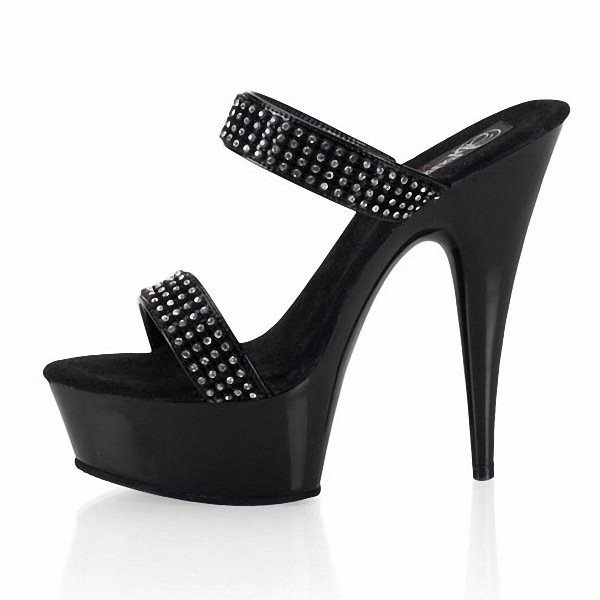
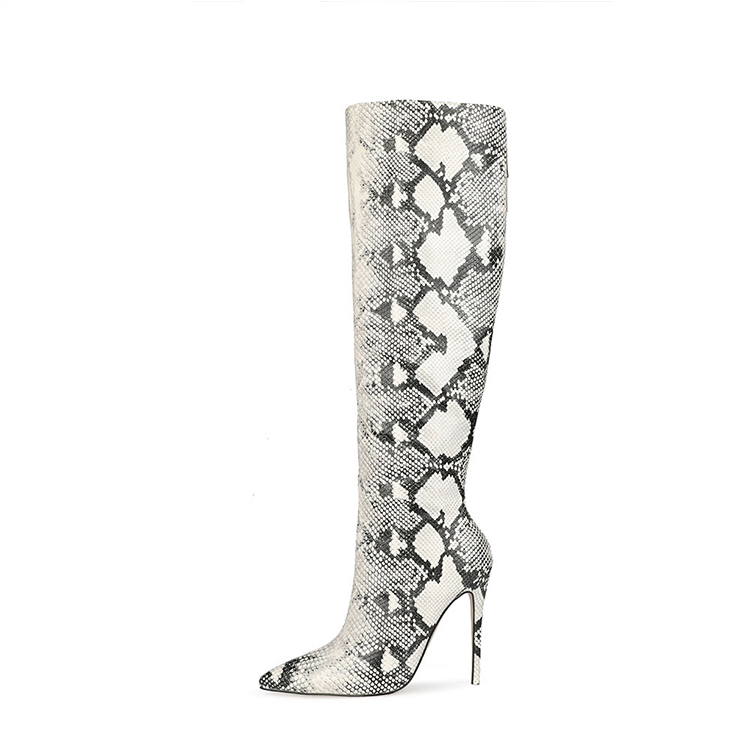
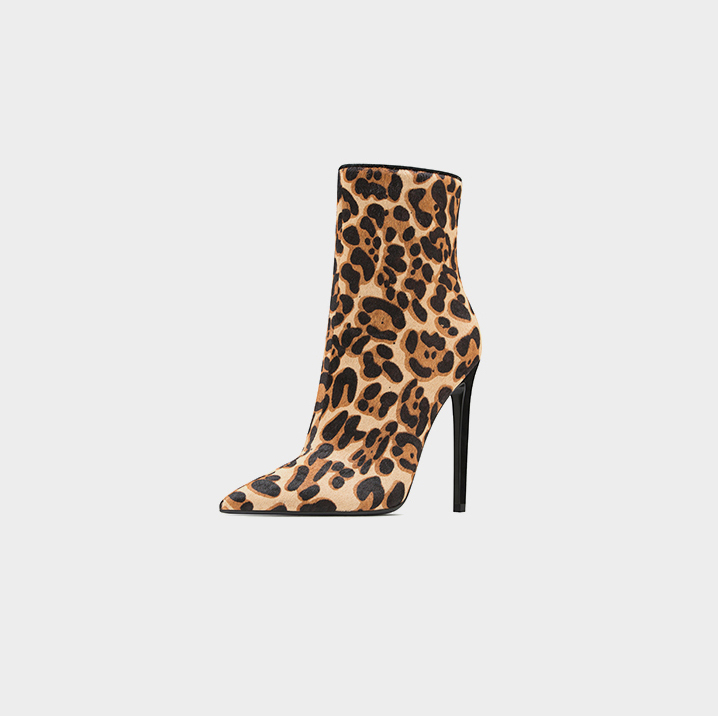
Shoes Women Shoes Custom Solutions, Your End-to-End Solution
Top Selling Products


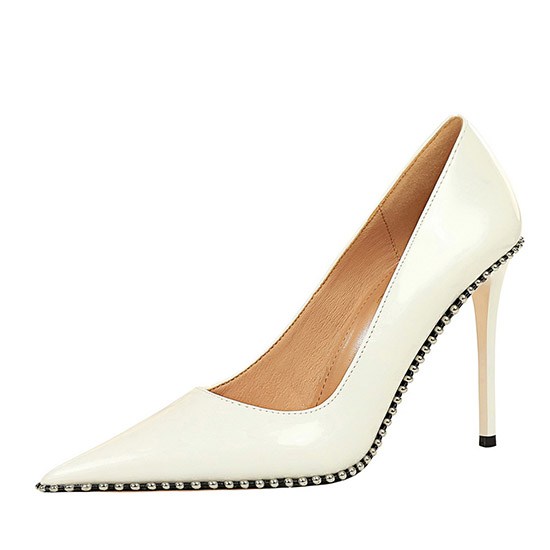

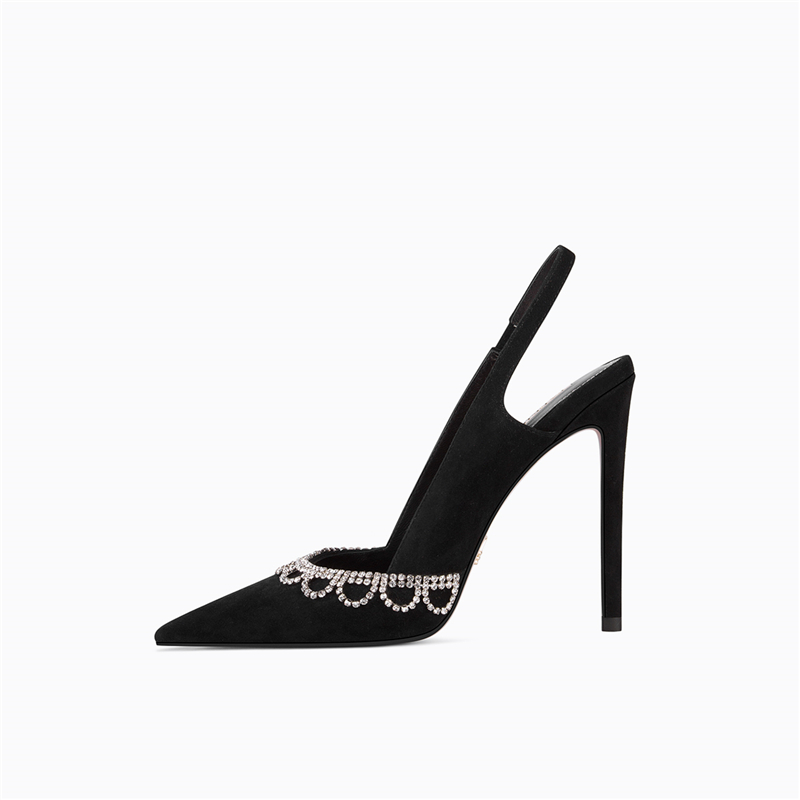

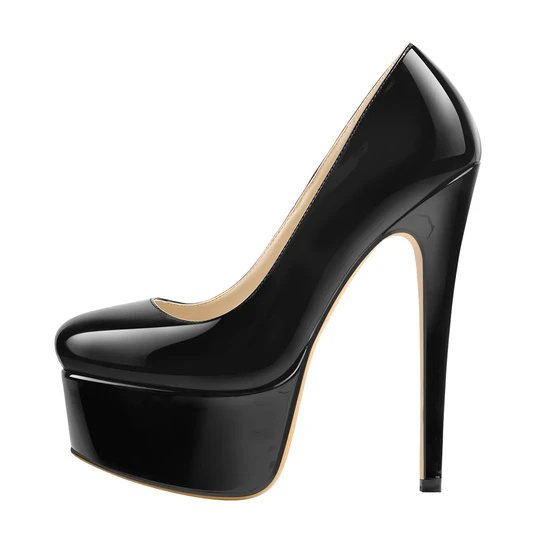

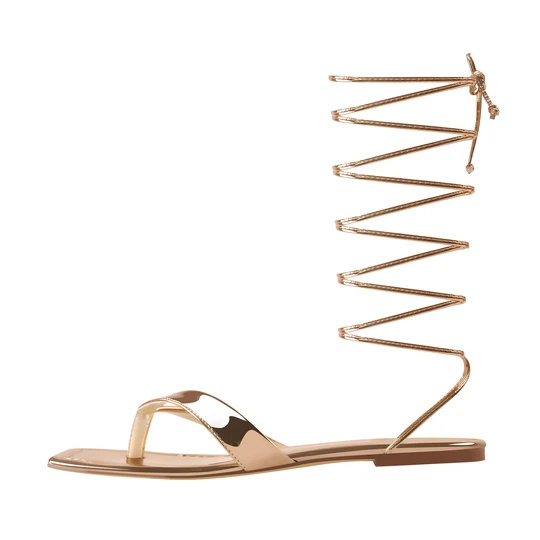
- Related Blog
- Reviews
- Reviews
