
Shoe Manufacturer for Brands - Wholesale & Manufacturer Solutions
I’m the partner you want when sourcing a reliable shoe manufacturer for brands. We deliver premium footwear with OEM/ODM capabilities, from athletic to casual lines, designed for mass Wholesale orders and private label campaigns. With me, you’ll get scalable production, strict QC, and flexible MOQ so you can grow your catalog without risk. I handle certified materials, lasting sustainability, and on-trend tech like lightweight midsoles, breathable uppers, and recyclable packaging. We provide end-to-end service: design concept, sampling, bulk production, and fast lead times. Because I’m a shoe manufacturer for brands, I can tailor specs to your market, control cost, and ensure consistent fit across sizes. You’ll appreciate transparent communication, fair pricing, and a partner who puts your brand first. Let’s discuss your line, volumes, and timelines, and I’ll craft a plan that fits Wholesale demands and my Manufacturer capabilities.


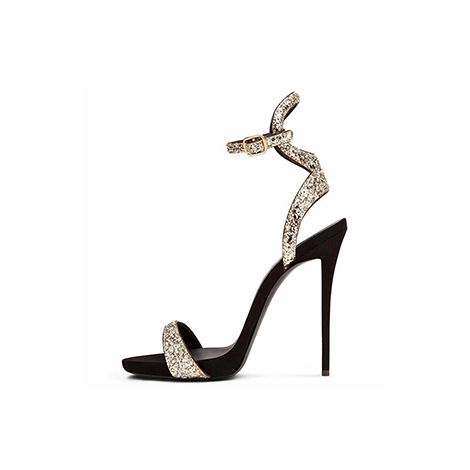
shoe manufacturer for brands Service Outperforms the Competition
Brands seeking a dependable shoe manufacturer want more than a factory; they want a partner who can translate concepts into market-ready products. From design collaboration and rapid prototyping to tooling and mass production, a capable OEM/ODM supplier aligns with a brand's brief at every step, delivering structured sampling, transparent costing, and predictable lead times. Superior service is the differentiator. A top partner enforces strict quality control across materials, assembly, and finishing, backed by in-house testing and third-party labs. Real-time production visibility, flexible minimums, and proactive change management shorten cycles, while sustainable sourcing and full traceability meet growing buyer expectations. Global buyers value compliance and supply-chain transparency. Clear certifications, ethical production, and audited factories reduce risk and simplify imports. Coupled with reliable logistics and after-sales support, a strategic manufacturing partner helps brands stay resilient and outperform competition across seasonal launches.
| Year | Quarter | Region | Production Capacity (K units/quarter) | On-Time Delivery (%) | Lead Time (days) | Defect Rate (%) | Average Fulfillment Time (days) | Customer Satisfaction (NPS) | Sustainability Score (0-100) | Return Rate (%) |
|---|---|---|---|---|---|---|---|---|---|---|
| 2023 | Q1 | Americas | 220 | 97.5 | 11 | 1.2 | 4.5 | 62 | 84 | 1.3 |
| 2023 | Q2 | Europe | 210 | 96.8 | 12 | 1.3 | 4.6 | 64 | 85 | 1.2 |
| 2023 | Q3 | Asia-Pacific | 240 | 98.0 | 10 | 1.0 | 4.2 | 66 | 86 | 1.0 |
| 2023 | Q4 | Americas | 225 | 97.1 | 11 | 1.4 | 4.4 | 61 | 82 | 1.4 |
| 2024 | Q1 | Europe | 215 | 97.3 | 11 | 1.1 | 4.3 | 65 | 87 | 1.1 |
| 2024 | Q2 | Asia-Pacific | 250 | 97.8 | 10 | 0.9 | 4.1 | 68 | 88 | 1.0 |
| 2024 | Q3 | Americas | 230 | 97.6 | 10 | 1.2 | 4.2 | 63 | 85 | 1.2 |
| 2024 | Q4 | Europe | 210 | 96.9 | 12 | 1.5 | 4.7 | 60 | 84 | 1.3 |
Related Products
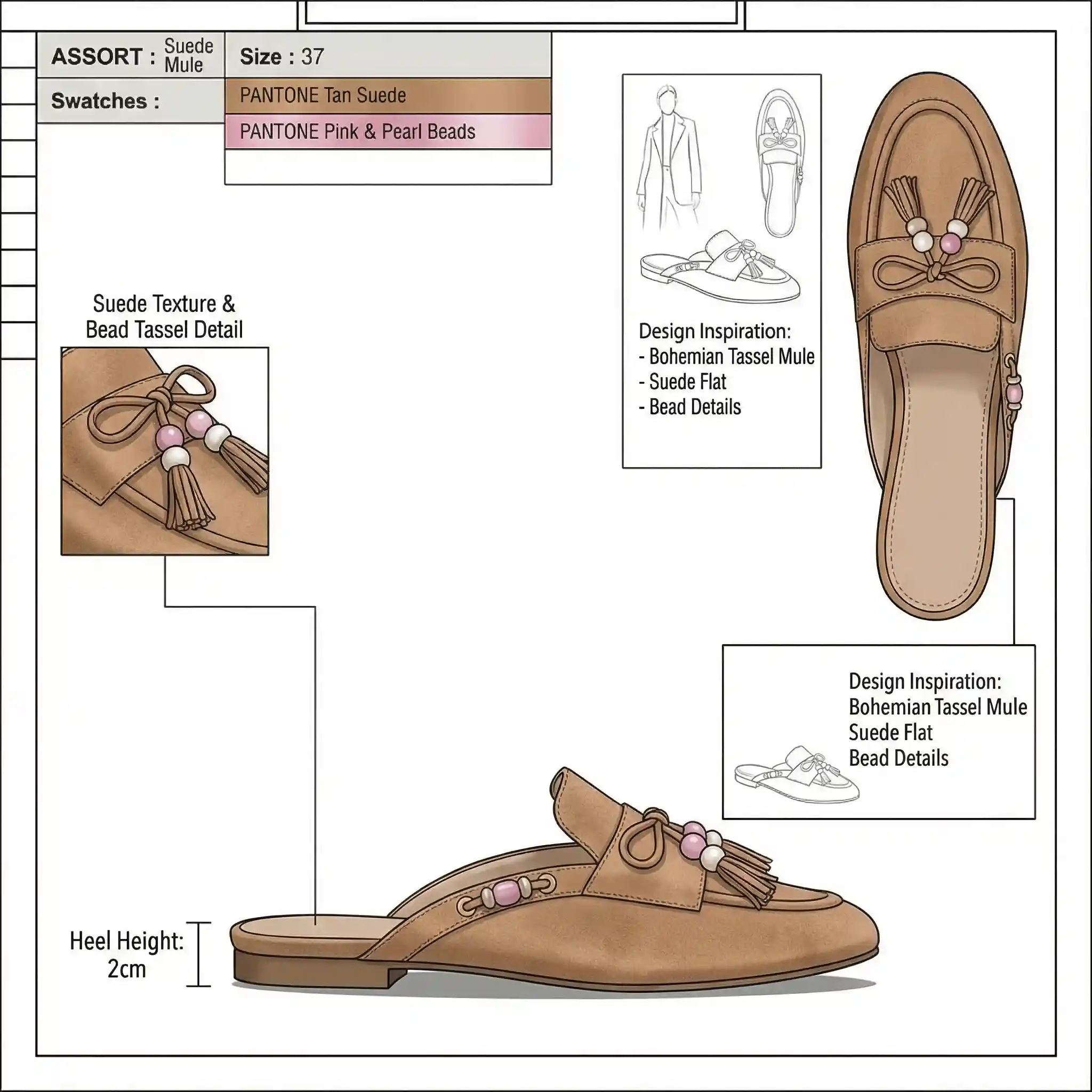
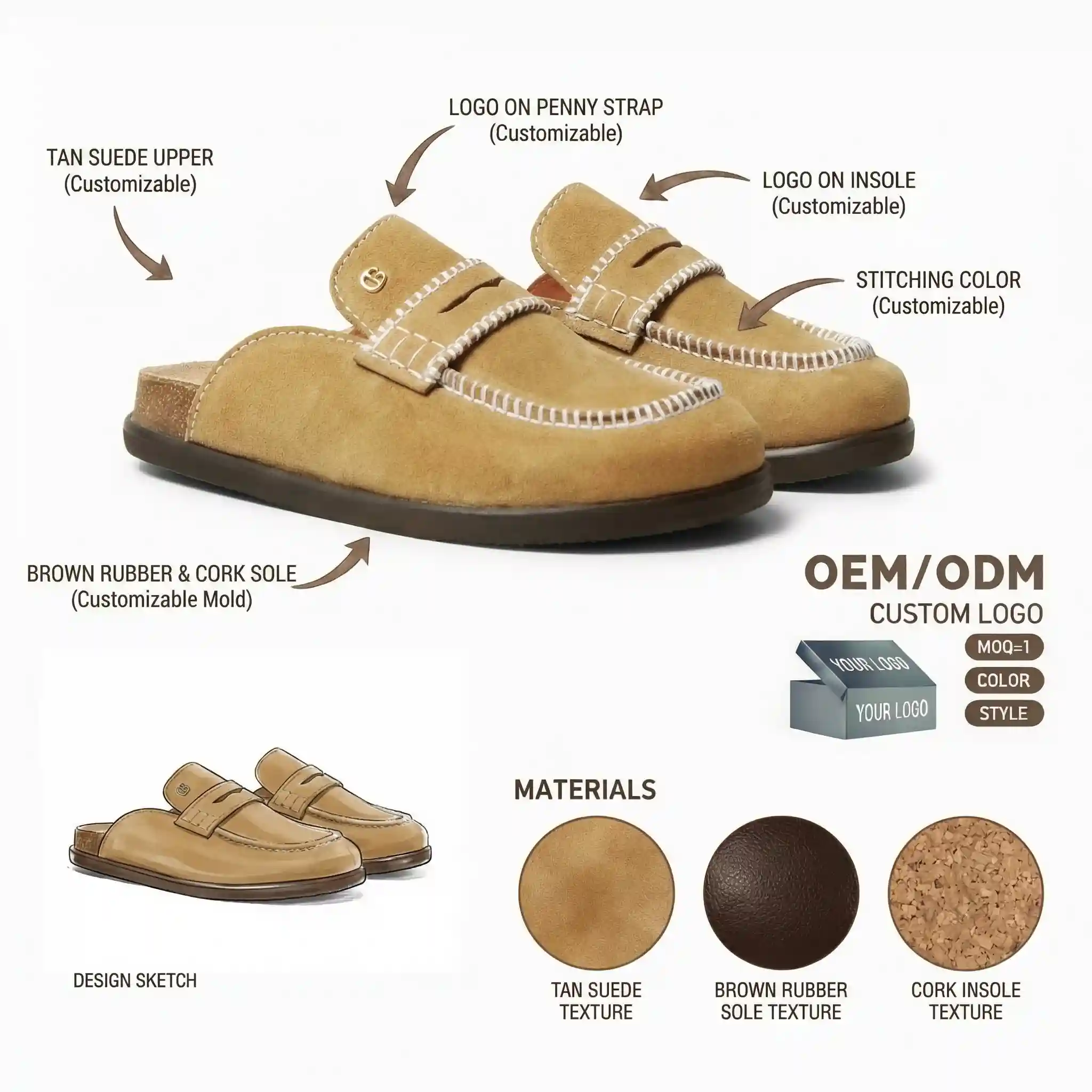


shoe manufacturer for brands Service Backed by Expertise From Concept to Delivery
Top Selling Products



- Related Blog
- Reviews
- Reviews
