
Leather Products Manufacturing - Wholesale Manufacturer for Businesses
From the first cut of leather to the final stitch, I run Leather Products Manufacturing with a steady hand and a clear goal: dependable supply for Wholesale buyers and other manufacturers. I'm a hands-on, end-to-end partner who can handle custom design, laser-etching, embossed logos, and private labeling. As a Manufacturer, I deliver consistent quality across wallets, belts, bags, and accessories, with strict QC checks at every stage. I offer scalable production, flexible MOQ, and competitive pricing for bulk orders, with fast turnaround to keep your shelves full. My process starts with precise material sourcing, then CAD-ready prototypes, and finally mass production in controlled environments. I welcome OEM/ODM collaborations, sample programs, and transparent lead times. If you seek reliability and a genuine partner in Leather Products Manufacturing, I’m here to help your wholesale business grow.
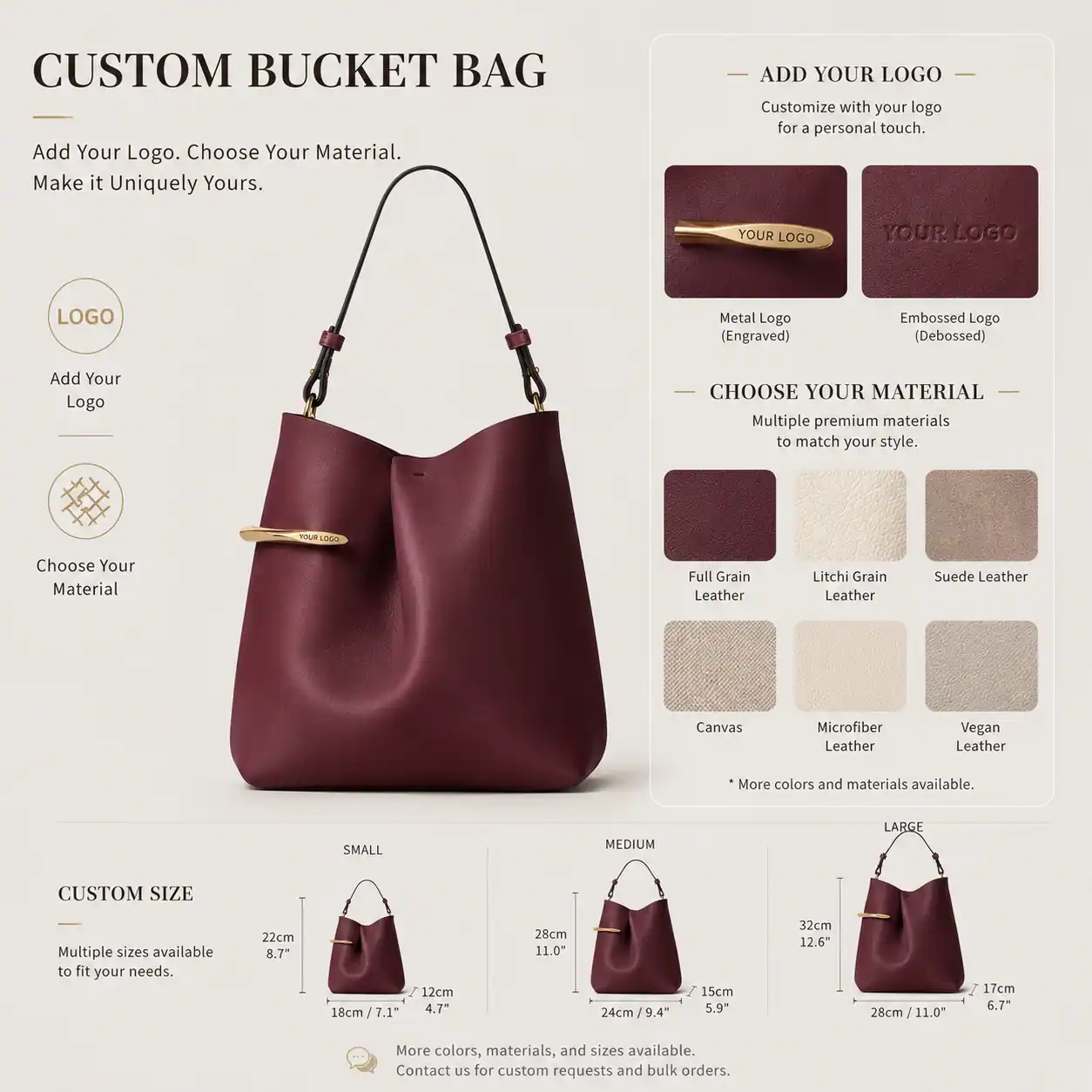


Leather Products Manufacturing Pioneers in the Field Winning in 2025
Global buyers seeking dependable leather goods manufacturing will find 2025 rewards those who fuse artisanal craft with digital scale. Industry pioneers win by integrating product development—3D design, virtual prototyping, automated cutting, and precise stitching—with intelligent quality control and full supply-chain traceability. They source responsibly produced leathers from eco-conscious tanneries and align finishes to deliver durable, attractive goods. Shorter sampling cycles and reduced waste accelerate time-to-market without compromising quality. Smart buyers should seek partners offering end-to-end capabilities, transparent pricing, flexible MOQs, and resilient logistics. The strongest suppliers provide rapid proto-to-production ramp-ups, scalable leather-type capacity, and rigorous batch QA. They practice agile collaboration, periodic compliance audits, and data-driven forecasting to align with brand calendars and regional demand. Collaborating with such pioneers helps global brands secure consistent quality, responsible sourcing, and reliable delivery in a dynamic market.
| Region | Innovation Focus | Certification | Years in Operation | Annual Production (units) | Energy Intensity (MJ per unit) | CO2 Emissions Reduction (tonnes/year) | Patents Granted (Last 5 yrs) | Workforce |
|---|---|---|---|---|---|---|---|---|
| Asia-Pacific | Sustainable Tanning & Water Recycling | ISO 9001, ISO 14001, Leather Working Group Gold | 60 | 12,500,000 | 1.85 | 42,000 | 78 | 8,400 |
| Europe | Biodegradable Finish, Automation | ISO 9001, ISO 14001, REACH | 110 | 9,200,000 | 1.40 | 38,000 | 120 | 9,150 |
| North America | Circular Leather Economy, AI QC | ISO 9001, IATF 16949, LEED | 85 | 6,400,000 | 1.75 | 24,500 | 54 | 5,000 |
| Latin America | Low-Impact Tanning, Waste-to-Energy | ISO 9001, ISO 14001 | 40 | 2,100,000 | 2.20 | 9,800 | 23 | 3,200 |
| Africa | Hydrogen-assisted Tanning, Local Sourcing | ISO 9001 | 25 | 1,200,000 | 2.80 | 5,500 | 8 | 1,400 |
| Middle East | Desert Climate Cooling, Waste Reduction | ISO 9001, ISO 50001 | 18 | 900,000 | 2.40 | 3,300 | 6 | 1,050 |
| Oceania | Waterless Finishing, Renewable Energy | ISO 9001, ISO 14001, Australian Green Building Council | 30 | 600,000 | 1.60 | 1,200 | 12 | 900 |
| Global Collaboration | Cross-border Supply Chain Transparency | ISO 9001, ISO 27001 | 15 | 3,000,000 | 1.30 | 7,400 | 40 | 1,600 |
Related Products


Leather Products Manufacturing Service Stands Out
Top Selling Products



- Related Blog
- Reviews
- Reviews
