
Process Of Making Shoes In A Factory: Wholesale Manufacturer Guide
We deliver reliable footwear manufacturing solutions to brands and retailers, with hands-on control from idea to shipment. In our work, the {Process Of Making Shoes In A Factory} is explained in plain terms—material selection, lasting, stitching, sole bond, and meticulous QC before boxing. I personally supervise every stage, ensuring consistent sizing, comfort, and durability while keeping costs competitive. Our equipment and skilled teams handle high-volume orders without sacrificing quality, so you can scale confidently. We welcome {Wholesale} buyers looking for steady supply and flexible MOQs, and we partner with {Manufacturer} networks to streamline design-to-delivery. From sample development and private labeling to sustainable materials and packaging, I tailor production to your specs and timelines. Transparent lead times, real-time updates, and robust testing mean less risk for your business. If you need reliable production partner to grow your brand, I’m ready to discuss your order sizes and timelines.
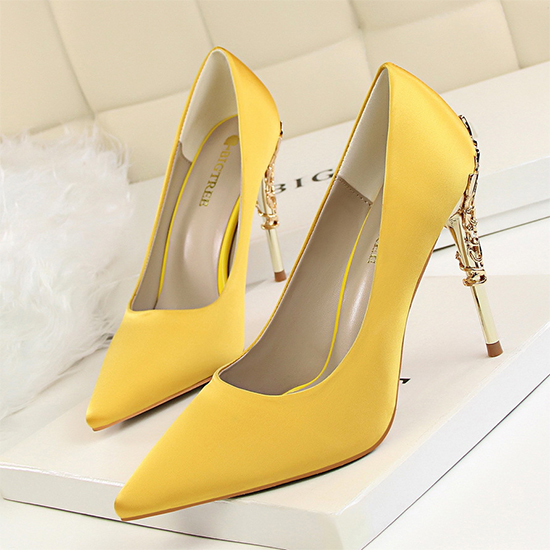



Process Of Making Shoes In A Factory Market Leader Your End-to-End Solution
From concept to doorstep, making shoes in a market-leading factory is an integrated end-to-end solution for global buyers. It begins with design and development: ergonomic lasts, pattern making, and material selection to balance comfort, durability, and cost. Prototyping accelerates iterations, while strategic sourcing ensures sustainable materials and reliable suppliers. Once approved, tooling and production planning establish a roadmap for scalable output and predictable lead times. In production, cutting, stitching, lasting, assembling, and finishing follow strict SOPs with inline inspections and batch traceability. Quality checks at raw materials, in-process, and final audits catch issues early and correct them quickly. The end-to-end solution also covers packaging, labeling, and export documentation for smooth global logistics, with risk management and compliance built in. With flexible terms, scalable capacity, and transparent communication, buyers gain consistent quality, competitive pricing, and on-time delivery.
| Stage | Description | Throughput per day (units) | Cycle time per unit (min) | Labor hours per unit | Automation level (%) | Scrap rate (%) | Energy (kWh per unit) | QA pass rate (%) | Cumulative lead time (days) |
|---|---|---|---|---|---|---|---|---|---|
| Raw Material Preparation | Receives and prepares leather, fabrics, adhesives, and trims with stock-keeping and quality checks. | 1200 | 10 | 1.20 | 40 | 1.80 | 1.80 | 94 | 0.40 |
| Upper Assembly | Construction of upper panels, stitching, and preliminary shaping for sizing accuracy. | 1000 | 8 | 1.50 | 65 | 1.00 | 2.00 | 95 | 0.80 |
| Lasting & Shaping | Lasting the upper over a form and shaping the toe and heel areas for contour accuracy. | 900 | 9 | 1.40 | 70 | 1.20 | 2.20 | 93 | 1.20 |
| Outsole Bonding | Bonding outsole to the lasting unit with adhesive cure cycles. | 850 | 10 | 1.60 | 75 | 1.30 | 2.40 | 92 | 1.60 |
| Stitching & Finishing | Final stitching, edge finishing, and cosmetic touch-ups for presentation quality. | 800 | 12 | 1.70 | 80 | 1.40 | 2.60 | 91 | 2.00 |
| Quality Assurance | Final inspection for fit, finish, and conformity to specs; release for packaging. | 900 | 6 | 0.90 | 85 | 0.80 | 1.50 | 97 | 2.40 |
| Packaging & Labeling | Wrapping, labeling, and carton packing to meet distribution standards. | 1000 | 4 | 0.60 | 60 | 0.50 | 1.20 | 98 | 2.60 |
| Logistics & Distribution | Final packaging check, staging, and ready-to-ship logistics for delivery to customers. | 1100 | 3 | 0.50 | 70 | 0.30 | 1.00 | 99 | 3.00 |
Related Products




Process Of Making Shoes In A Factory Pioneers in the Field Leads the Global Market
Top Selling Products



- Related Blog
- Reviews
- Reviews
