
Luxury Fashion Handbags For Business: Wholesale Manufacturer Solutions
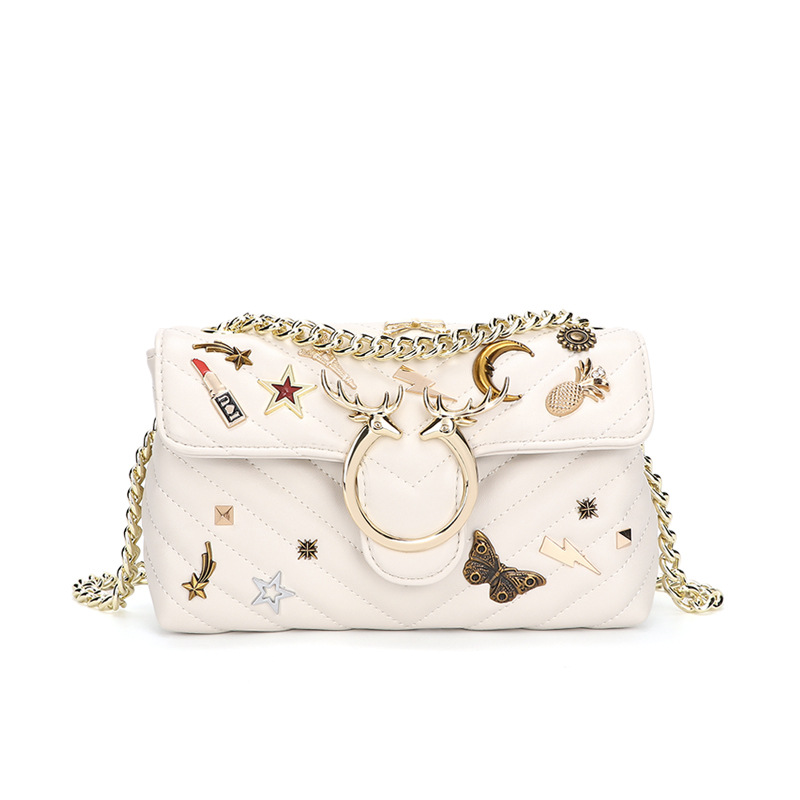
As a hands-on designer and Manufacturer of Luxury Fashion Handbags For Business, I create collections that speak to executive style and durable performance. If you are retailers, boutique networks or corporate gifting programs, I offer Wholesale terms that scale with your needs and a direct supply line from our studio to your warehouse. Each bag blends premium leather, precise stitching, and functional details—pockets, organizers, RFID protection, and weather-resistant finishes—built to survive daily commutes and business travel. We provide customization—logo embossing, colorways, hardware finishes, and private label options—to reinforce your brand. Lead times are efficient, samples available quickly, MOQs flexible for small launches or large campaigns. As a Manufacturer, I stand behind every piece with quality control and sustainable practices. Let me help you elevate your assortment with a timeless, executive aesthetic that clients will trust.
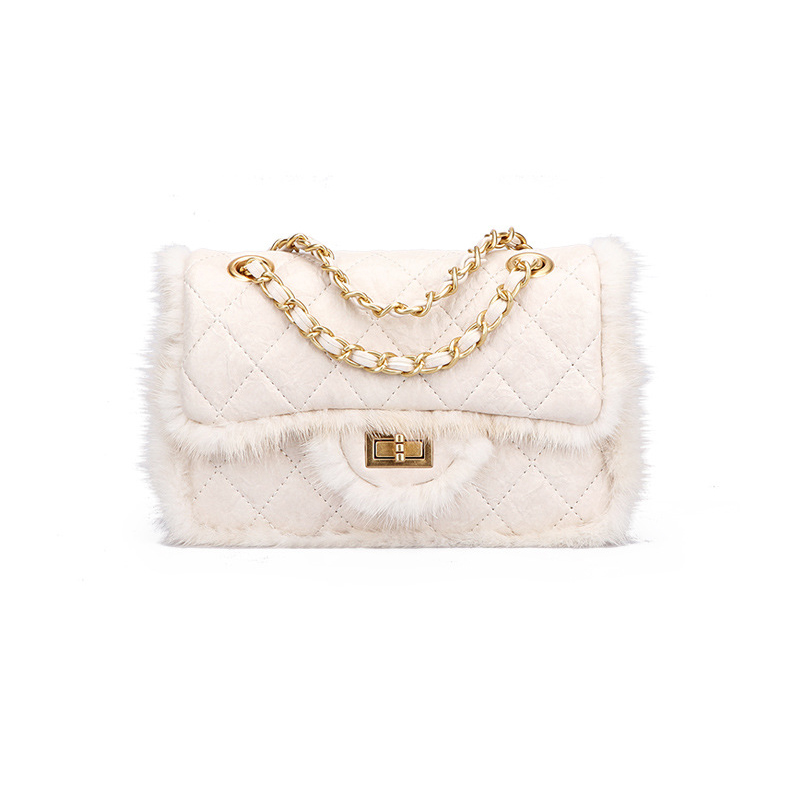


Luxury Fashion Handbags For Business For the Current Year Sets the Industry Standard
Luxury fashion handbags for business have evolved into essential tools for the modern executive. This year’s standard blends timeless silhouettes with durable craftsmanship, premium materials, and responsible sourcing. Buyers want bags that combine professional aesthetics with practical features: padded laptop compartments, secure pockets, stable bases, and water-repellent finishes. When fashion and function converge, brands that ensure consistent quality and traceable supply chains set the bar for reliability and value. For global procurement, choose partners offering scalable production, transparent lead times, and rigorous quality control. Ask for material spec sheets, third-party audits, and flexibility to customize colors, finishes, and branding without delaying timelines. The strongest programs integrate sustainable practices, compliant manufacturing, and packaging optimization to reduce risk and total landed cost, helping buyers secure premium handbags that elevate corporate identity and protect margins.
Luxury Fashion Handbags For Business For the Current Year Sets the Industry Standard
| Bag Type | Primary Material | Lining | Hardware | Construction | Certification | Sustainable Materials % | Avg Rating | Laptop Fit (inch) | Manufacturing Region | Use Case |
|---|---|---|---|---|---|---|---|---|---|---|
| Structured Work Tote | Full-grain calf leather (vegetable-tanned) | Cotton twill | Gold-tone | Hand-finished edges; saddle stitching | OEKO-TEX Standard 100; Leather Working Group Gold | 75 | 4.6 | 15.6 | Europe (Italy/Spain) | Business meetings and travel with laptop |
| Slim Laptop Briefcase | Recycled nylon + faux leather trim | Recycled polyester | Silver-tone | Machine stitch; reinforced handle | OEKO-TEX Standard 100; REACH | 60 | 4.4 | 16 | Asia-Pacific | Daily commutes; meetings |
| Classic Leather Tote | Full-grain cowhide leather (chromium-tanned) | Linen blend | Gunmetal | Traditional hand-stitched saddle | Leather Working Group Gold | 70 | 4.7 | 13.3 | Europe | All-day office use |
| Everyday Business Messenger | Vegetable-tanned leather with textile strap | Cotton twill | Gold-tone | Velcro-free snap; double top stitching | OEKO-TEX Standard 100 | 68 | 4.5 | 13.3 | Europe/NA | Client meetings on the go |
| Compact Executive Satchel | Coated canvas with leather trim | Recycled polyester | Bronze-tone | Double-stitched seams | REACH compliance | 50 | 4.3 | 14 | North America | Short trips, airport lounge |
| Minimalist Structured Tote | PU leather (synthetic); microfiber lining | Recycled polyester | Silver-tone | Heat-pressed edges | OEKO-TEX Standard 100 | 40 | 4.1 | 15 | Asia | Day-to-day business |
Note: All data points are approximate representations for demonstration purposes and do not correspond to any specific brand or product listing.
Related Products


Luxury Fashion Handbags For Business Pioneers in the Field Where Service Meets Innovation
Top Selling Products


- Related Blog
- Reviews
- Reviews
