
Wholesale mesh sandals Manufacturer - Durable Comfort Footwear
To my Wholesale partners, I offer mesh sandals that stand up to high-traffic days. I am a direct Manufacturer, controlling materials, stitching, and finish from start to ship. My mesh sandals combine breathable upper mesh with slip-resistant outsole for comfort and safety in markets from resort to retail. I can provide flexible MOQs and fast lead times for Wholesale programs, with private labeling and color options. I keep a tight supply chain, using fade-resistant threads and eco-friendly soles, so your shelves stay fresh. I understand buyers want reliability, competitive pricing, and easy reordering. I offer sample approvals, test reports, and scalable production to meet seasonal demand. If you're looking to expand your catalog, I’d love to discuss bulk pricing, packaging, and logistics. Let’s partner and deliver mesh sandals customers keep coming back for.
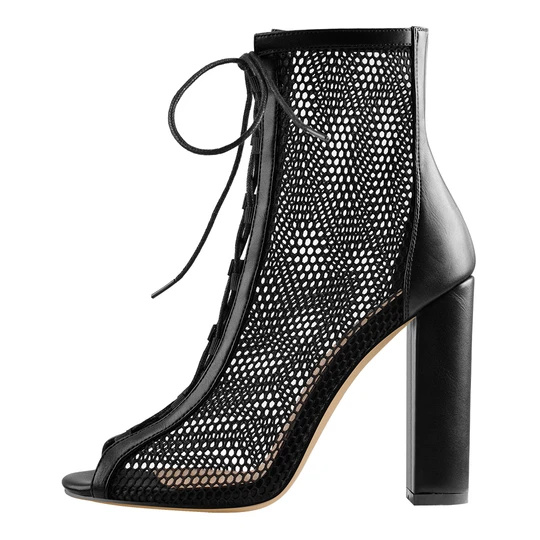
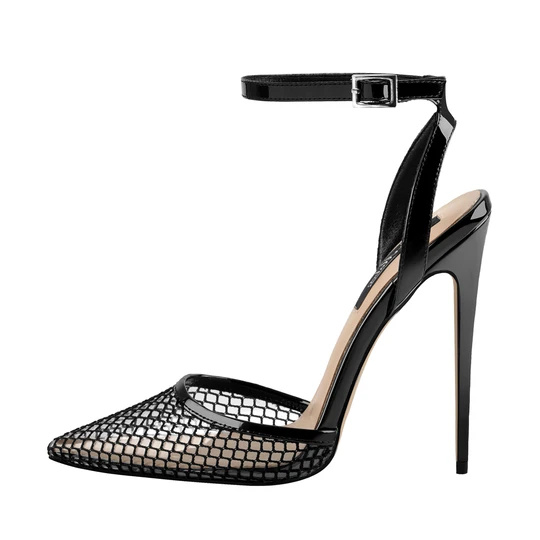
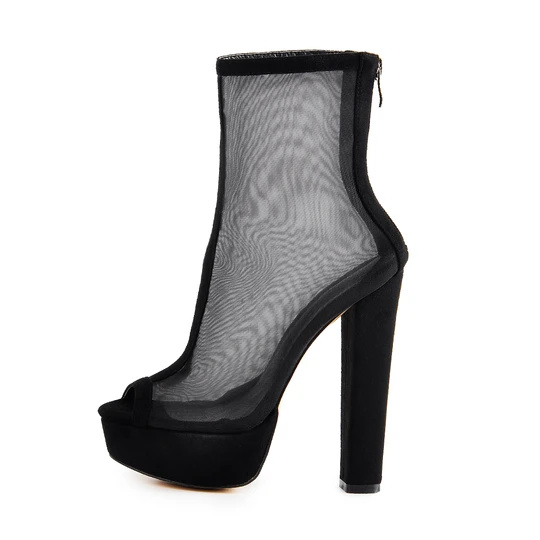
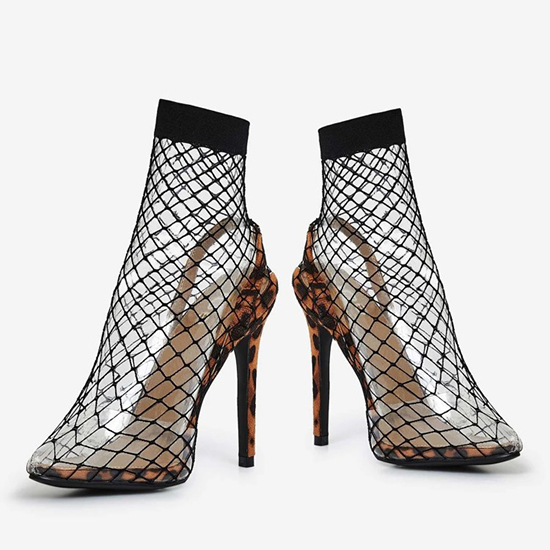
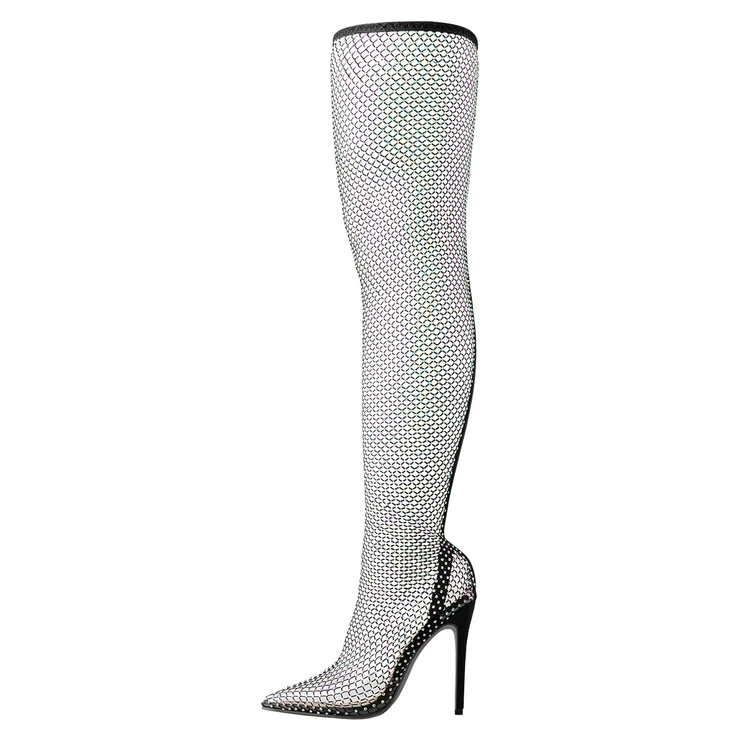

mesh sandals Manufacturer Custom Solutions,
Global buyers seek more than a product; they want a partner who can translate concepts into scalable footwear. Mesh sandals deliver breathability, light weight, and versatile styling, with customization at every step: upper configurations, strap types, closures, colors, patterns, branding, and private-label packaging. Materials can include recycled mesh, EVA insoles, and durable, slip-resistant outsoles. From concept sketches to rapid prototyping and on-sample validation, you can confirm fit and performance before mass production. Flexible tooling supports small launches and large orders with reliable lead times. End-to-end sourcing ensures quality and traceability, with rigorous QA, performance testing, and compliance with international regulations. Private-label labeling, packaging, and regional requirements are customizable, while global logistics and transparent scheduling reduce risk. If you share sketches, size ranges, colorways, and target quantities, we’ll tailor a private-label solution that optimizes landed costs and speeds time to market.
| Facility | Location | Daily Capacity (pairs) | Lead Time (weeks) | Materials Supported | Customization Types | Certifications | MOQ (pairs) | Sample Lead Time (days) | Quality Assurance (score) |
|---|---|---|---|---|---|---|---|---|---|
| Facility 01 | Vietnam | 4200 | 6 | EVA foam, TPU, mesh, rubber outsole | Strap design, Upper color, Insole material | ISO 9001, BSCI, Oeko-Tex | 800 | 10 | 4.6 |
| Facility 02 | China (Dongguan) | 6000 | 8 | EVA, mesh, rubber, recycled outsole | Pattern sole, Logo-free packaging | ISO 9001, SEDEX | 1000 | 14 | 4.5 |
| Facility 03 | Indonesia (Java) | 3200 | 7 | EVA foam, rubber, mesh upper | Strap length, Lining material | ISO 9001 | 600 | 7 | 4.2 |
| Facility 04 | Vietnam | 5400 | 9 | EVA, mesh, TPU, Microfiber | Color-blocking, Custom-insoles | ISO 9001, BSCI, REACH | 900 | 12 | 4.7 |
| Facility 05 | India (Surat) | 2600 | 5 | EVA, mesh, rubber | Strap pattern, Size runs | ISO 9001 | 500 | 9 | 4.3 |
| Facility 06 | Portugal (Porto) | 8000 | 12 | EVA, mesh, leather lining (optional) | Sole pattern, Toe-post design | ISO 14001, ISO 9001 | 1200 | 18 | 4.8 |
Related Products


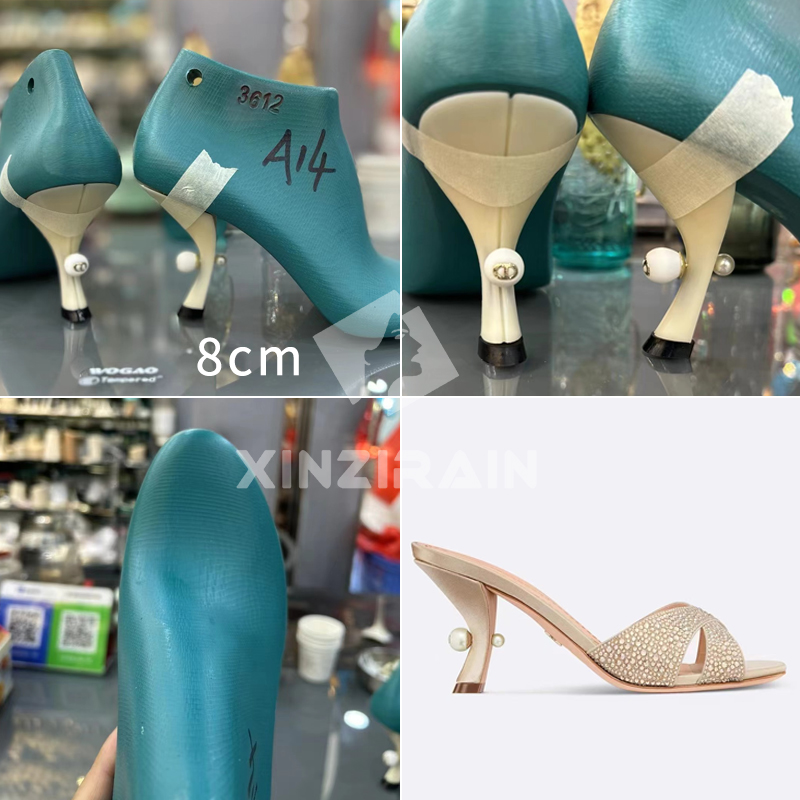
mesh sandals Manufacturers You Can Rely On From Concept to Delivery
Top Selling Products

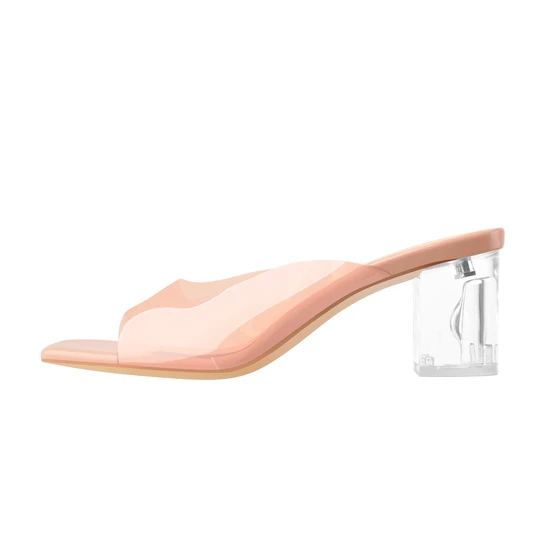
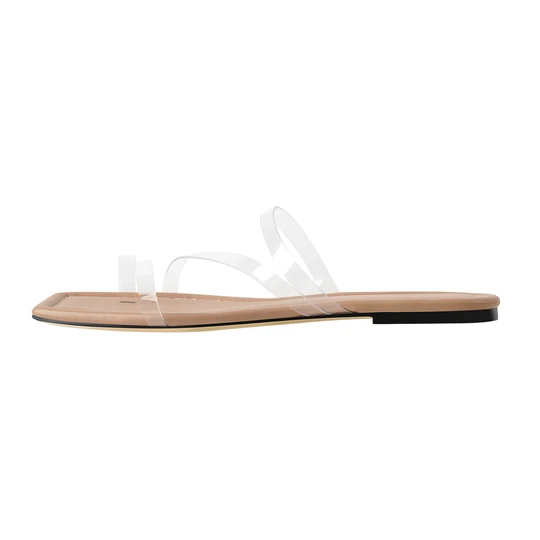

- Related Blog
- Reviews
- Reviews
