
Shoe Factory Switzerland: Wholesale Manufacturer of Footwear
I am the founder of a Shoe Factory Switzerland, and I’m here to partner with serious buyers. We supply high quality footwear through Wholesale channels and as a trusted Manufacturer for brands and retailers worldwide. From design to finish, we control every step—materials sourced in Europe, rigorous quality checks, and consistent lead times. Our collection covers casual, formal, and performance styles, all crafted for durability and comfort. What you can expect: scalable production, flexible MOQ, private labeling options, and fast re-stocks. I work closely with you to tailor fits, sizes, and packaging to your market. We can offer competitive pricing for bulk orders and transparent terms, because long-term partnerships matter. If you search for reliable supply, responsive support, and shoes built to withstand daily wear, let us be your partner in growth. With me, you’ll find a dependable choice in Shoe Factory Switzerland for Wholesale and as a Manufacturer.


Shoe Factory Switzerland Now Trending Custom Solutions,
Switzerland’s footwear scene is now trending toward custom solutions that blend precision, comfort, and sustainability. Buyers worldwide seek shoes engineered for niche markets — from athletic styles with performance data to dressier silhouettes tailored to specific fits. The shift is powered by digital design, rapid prototyping, and modular production that reduces time-to-market while preserving craftsmanship. For global purchasers, this means scalable options for small runs, individualized sizing, and transparent material pedigrees that meet evolving standards. A Chengdu-based footwear manufacturer offers end-to-end capabilities to meet these demands: design support, pattern grading, CAD samples, material selection, and compliant mass production. From eco-friendly uppers and innovative insoles to reliable finishing and QC checks, partners can move from concept to shipped orders with short lead times and flexible MOQs. With established logistics networks and quality systems, this model supports confidential collaboration and on-time delivery for brands seeking consistent quality at global scales.
| Dimension | Details | Value | Unit |
|---|---|---|---|
| Production capacity | Annual output | 120000 | pairs/year |
| Lead time for custom orders | Average customer lead time | 18 | days |
| Customization types supported | Categories | 5 | types |
| Average defect rate | Process defect rate | 0.28 | % |
| Automation level | Share of automated processes | 68 | % |
| Materials distribution | Share by material | Leather 40%; Synthetic 35%; Recycled 15%; Others 10% | percent |
| Energy consumption per pair | Electricity use | 1.8 | kWh/pair |
| Water usage per pair | Water footprint | 0.3 | m3/pair |
| CO2 emissions per pair | GHG emissions | 2.5 | kg CO2e/pair |
| On-time delivery rate | Delivery reliability | 93.5 | % |
| Lead time variability | Standard deviation | 2.3 | days |
| Region served | Key markets | Europe, North America | regions |
Related Products


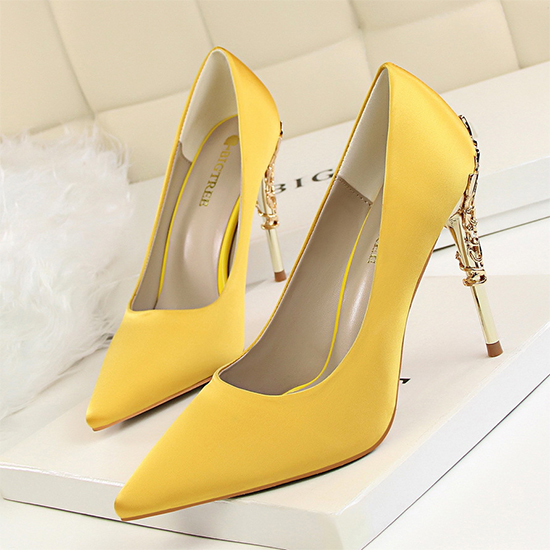


Shoe Factory Switzerland Is The Best Factory-Direct Excellence
Top Selling Products




- Related Blog
- Reviews
- Reviews
