
Bespoke Manufacturing Company for Wholesale Manufacturer Solutions
Here at a Bespoke Manufacturing Company, we turn your prototypes into scalable production for Wholesale clients and other Manufacturers. I work with you from concept to delivery, offering ODM and OEM capabilities, flexible tooling, and short-run options. You’ll notice our emphasis on quality control, on-time delivery, and transparent pricing. We integrate design-for-manufacture guidance early to cut costs and speed time-to-market. From initial quotes to finished goods, I align every step with your business calendar, providing batch-to-batch consistency and ISO-quality standards. Our equipment and processes support high-mix, low-volume, through to high-volume runs, with cycle times tuned to your demand. If you’re seeking a dependable partner who speaks the language of Wholesale and Manufacturer requirements, I’m ready to collaborate on scale, sustainability, and private-label or OEM programs.






Bespoke Manufacturing Company More Than a Supplier - A Partner Service Backed by Expertise
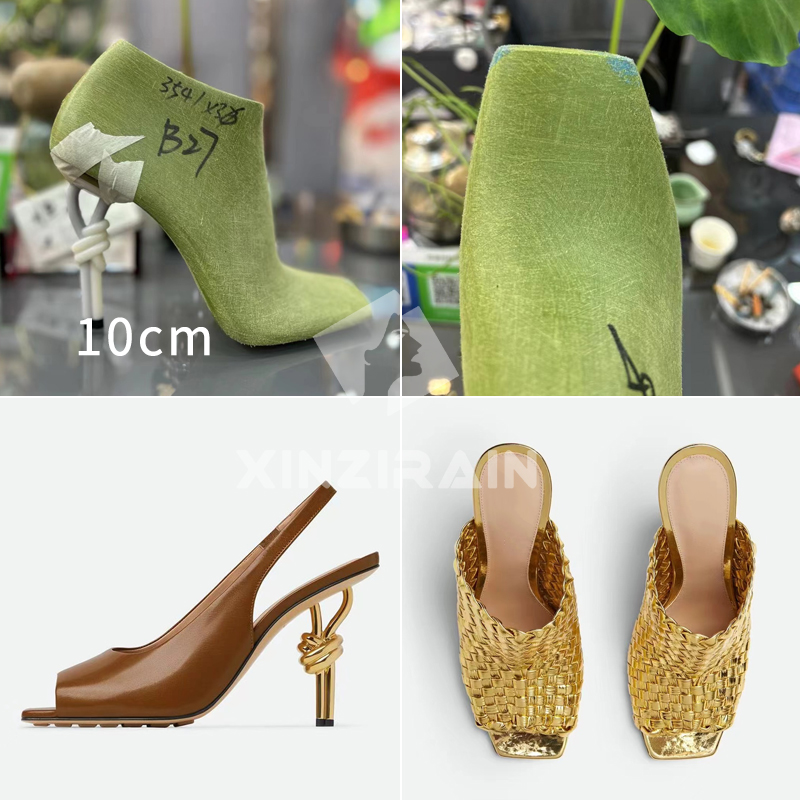
More than a supplier, a true partner in manufacturing combines design expertise, lean processes, and relentless quality control to turn concepts into consistent, scalable products. For global buyers seeking footwear or related goods, a bespoke manufacturing service offers integrated development from initial brief to final production, delivering tailored specifications, materials, and finishes with predictable timelines. By embedding engineering support, rapid prototyping, and strict quality assurance at every milestone, the partner reduces risk and accelerates time-to-market. Transparent communication, shared IP protection, ethical sourcing, and sustainability checks ensure compliance across markets. With this collaborative model, procurement teams gain not only products but a strategic alliance that improves forecasting, cost control, and supply chain resilience across regions.
| Dimension | Description | Unit | Range / Benchmark | Current Benchmark |
|---|---|---|---|---|
| Lead Time | Average time from order placement to shipment for bespoke manufacturing projects | Days | 7–14 | 10 |
| On-time Delivery Rate | Percentage of orders delivered by or before the promised date | % | 92–99 | 97 |
| Defect Rate | Proportion of units failing quality checks | % | 0.5–1.5 | 0.75 |
| Production Capacity (Monthly) | Number of units the facility can produce in a typical month | Units | 20,000–300,000 | 120,000 |
| Customization Lead Time | Time to finalize and ramp up a new custom design | Days | 5–15 | 8 |
| Certifications Coverage | Percentage of production lines with key standards (e.g., ISO 9001, IATF 16949) | % | 60–100 | 85 |
| Sustainability Score | Composite score reflecting energy use, waste, and emissions | Points | 60–95 | 82 |
| NPI Time | Lead time to launch a new product from concept to production | Weeks | 6–20 | 12 |
| Collaboration Model Options | Engagement models offered for joint development and manufacturing | Models | Co-design; Joint Development; Build-to-Order; Design for Manufacturability | Flexible engagement |
Related Products


Bespoke Manufacturing Company Guarantees Peak Performance Service Backed by Expertise
Top Selling Products




- Related Blog
- Reviews
- Reviews
