
Private Label Footwear Manufacturers - Wholesale & Manufacturer
We’re Private Label Footwear Manufacturers crafting high-quality shoes for wholesale channels. If you’re a retailer or brand looking for a reliable Manufacturer, you’ve found a partner. I coordinate from design to delivery, offering full customization—materials, colors, insoles, packaging—so your label stands out. Our MOQ is flexible, and we can scale to large orders without sacrificing quality. We run strict QC at every step and provide transparent lead times, sourcing from trusted suppliers. We also offer private labeling, branding, and packaging options tailored to your market. With fast prototyping and rapid production cycles, we help you hit seasonal launches on time. We welcome wholesale inquiries, sample development, and long-term partnerships. Let me tailor a program that fits your brand, budget, and timeline.


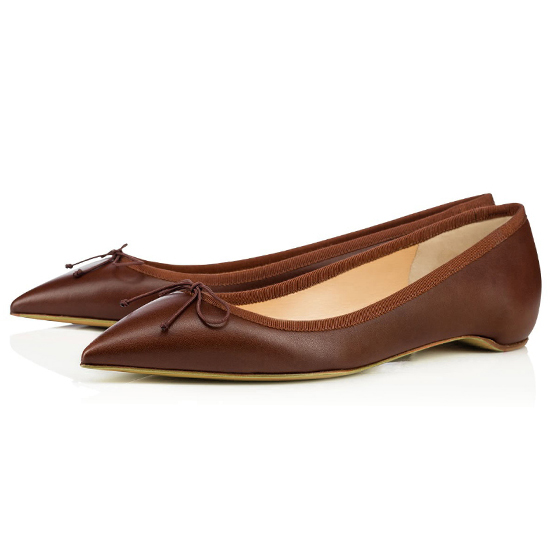
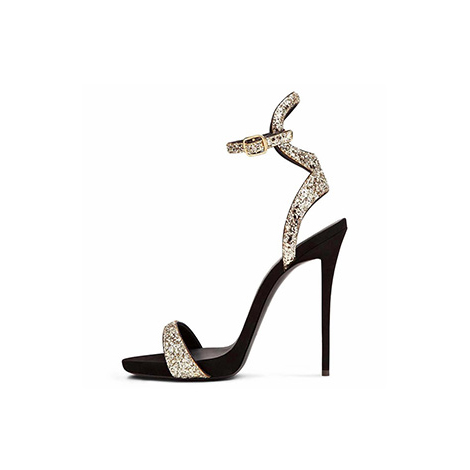


Private Label Footwear Manufacturers Factory Exceeds Industry Benchmarks
Global buyers seek private label footwear that blends quality, reliability, and speed. This factory consistently surpasses industry benchmarks by combining advanced automation with meticulous craftsmanship. From design to sample and mass production, every step is governed by strict QA, standardized testing, and real-time material traceability. A diverse portfolio covers athletic sneakers, casual shoes, sandals, and durable work footwear, all adaptable to private labeling with your branding and packaging. Beyond product quality, the factory offers end-to-end private label support: fast prototyping, scalable production, flexible MOQs, and optimized lead times. Digital PLM and ERP systems keep development aligned to reduce cycles and ensure on-time delivery. Ethical manufacturing, responsible sourcing, and transparent supply chains are integral, with options for sustainable materials and low-waste processes. For global buyers, this means a dependable partner capable of rolling out new collections quickly, meeting regulatory requirements, and delivering cost-effective solutions without compromising performance.
| Plant | Annual Production (k pairs) | Defect Rate (%) | On-Time Delivery (%) | OEE (%) | Energy per Pair (kWh) | Water per Pair (Liters) | CO2 per Pair (g) |
|---|---|---|---|---|---|---|---|
| Plant North | 3500 | 0.55 | 98.1 | 86.0 | 1.12 | 2.20 | 290 |
| Plant East | 4100 | 0.50 | 97.9 | 88.2 | 1.05 | 1.90 | 280 |
| Plant South | 2900 | 0.60 | 97.6 | 84.0 | 1.15 | 2.40 | 330 |
| Plant West | 3600 | 0.48 | 98.5 | 89.5 | 1.01 | 1.80 | 260 |
| Industry Benchmark Avg | 3200 | 0.60 | 96.0 | 82.0 | 1.15 | 2.50 | 320 |
Related Products


Private Label Footwear Manufacturers Custom Solutions, More Than a Supplier - A Partner
Top Selling Products
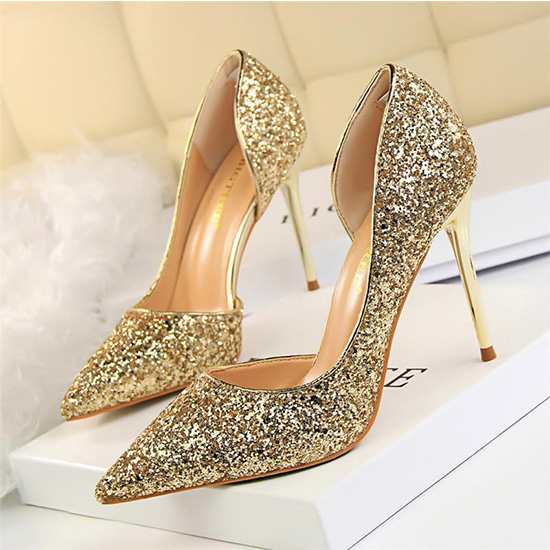

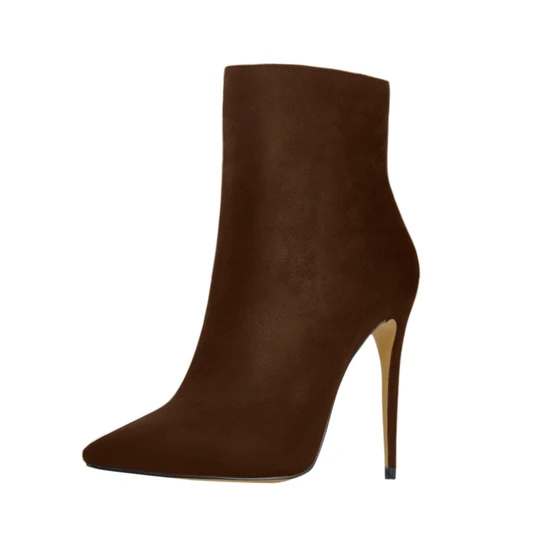
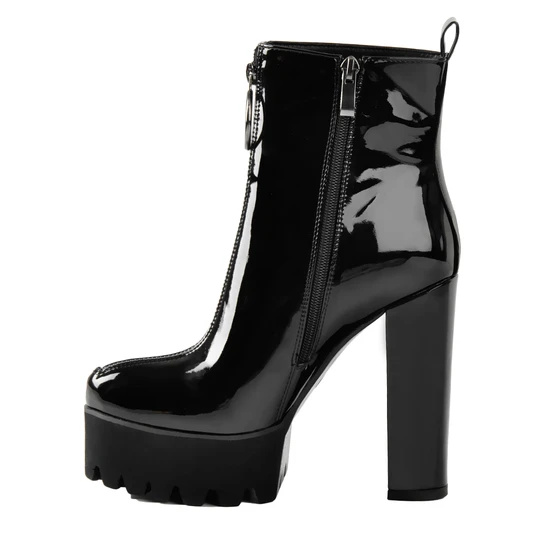
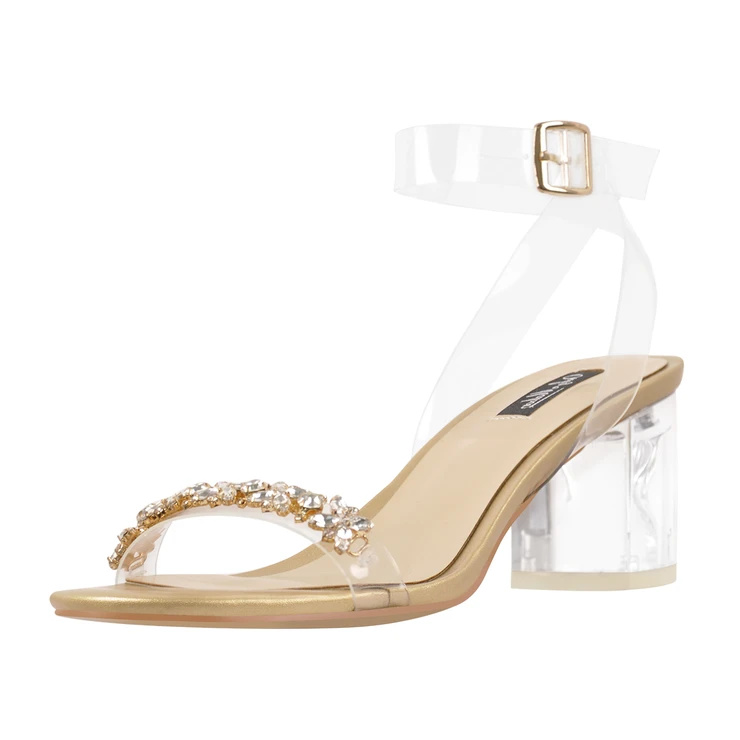
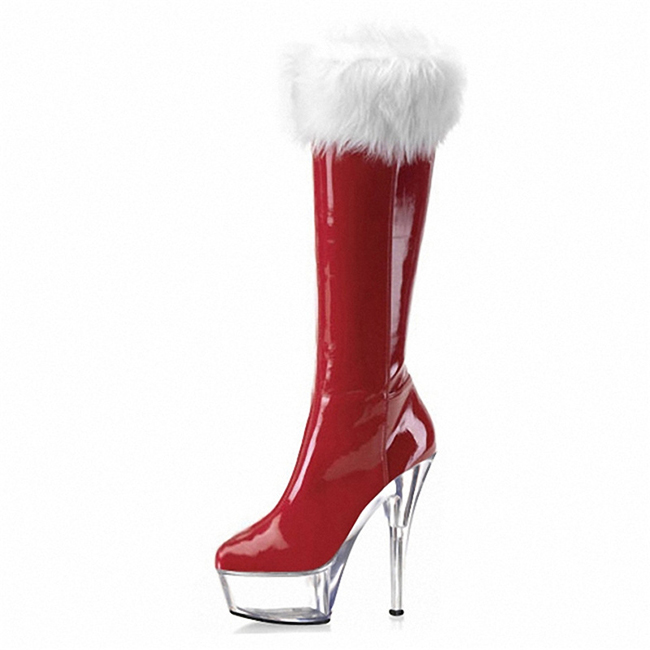


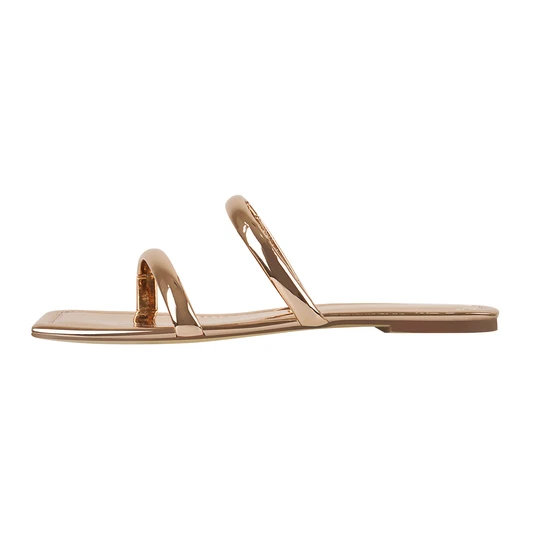
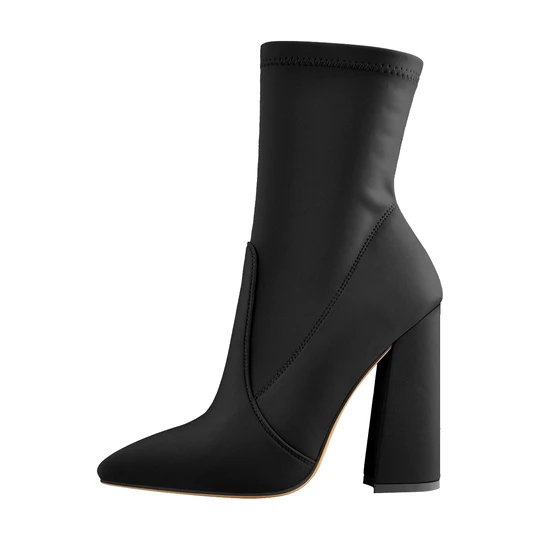
- Related Blog
- Reviews
- Reviews
