
Shoe Craftsmanship: Wholesale Manufacturer Guide for Brands
From the first cut to the final stitch, I bring Shoe Craftsmanship that speaks for itself. As a Manufacturer, I know what wholesale buyers need: consistent quality, scalable quantities, and reliable delivery. Our line blends traditional hand-stitching with modern profiles, using full-grain leather, reinforced welt, and breathable linings. You can count on rapid sampling, competitive pricing for Wholesale orders, and flexible customization—sole shapes, colorways, branding, packaging. I build long-term collaborations, not one-off sales. Lead times are predictable, QA is strict, and I can support private labeling or white-label. If you’re sourcing for footwear lines, I’ve got the capacity to scale while maintaining craft. Let me show you how this craftsmanship translates to margins and customer satisfaction.

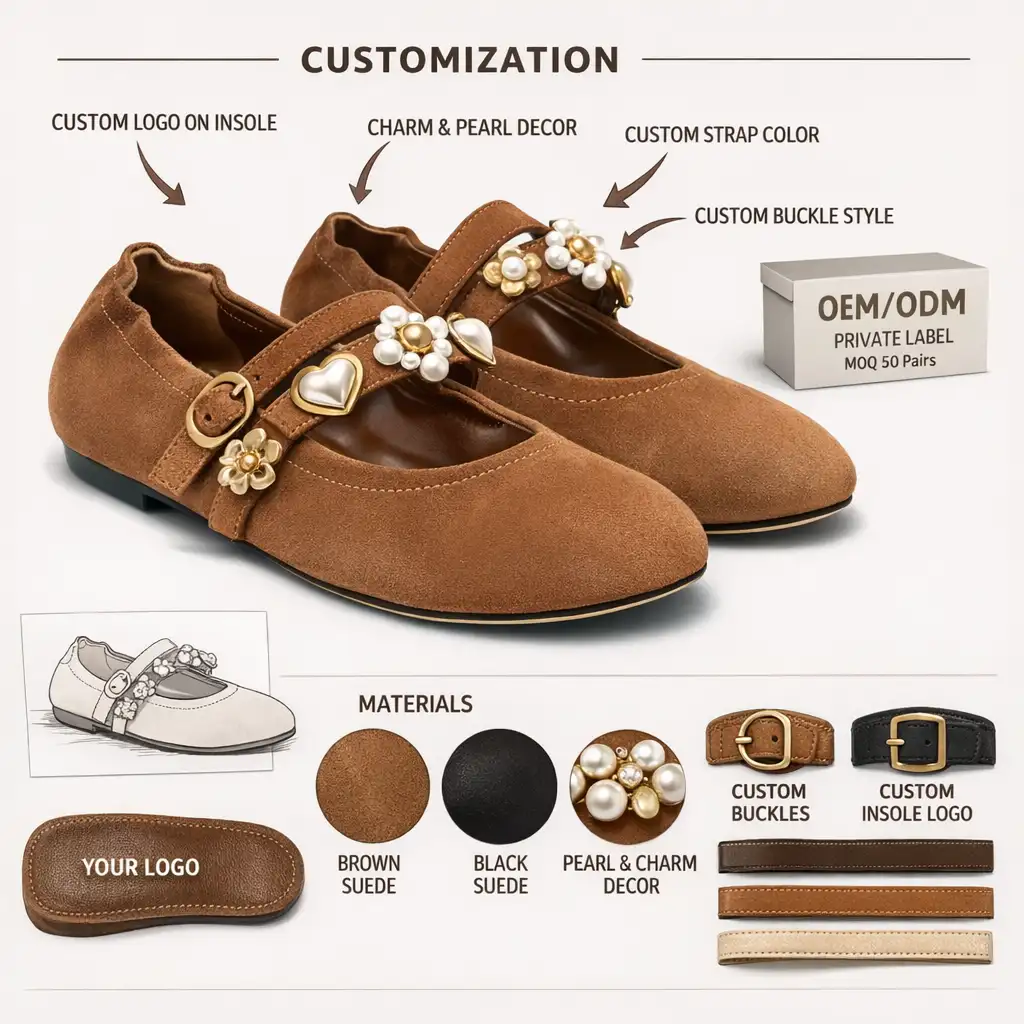
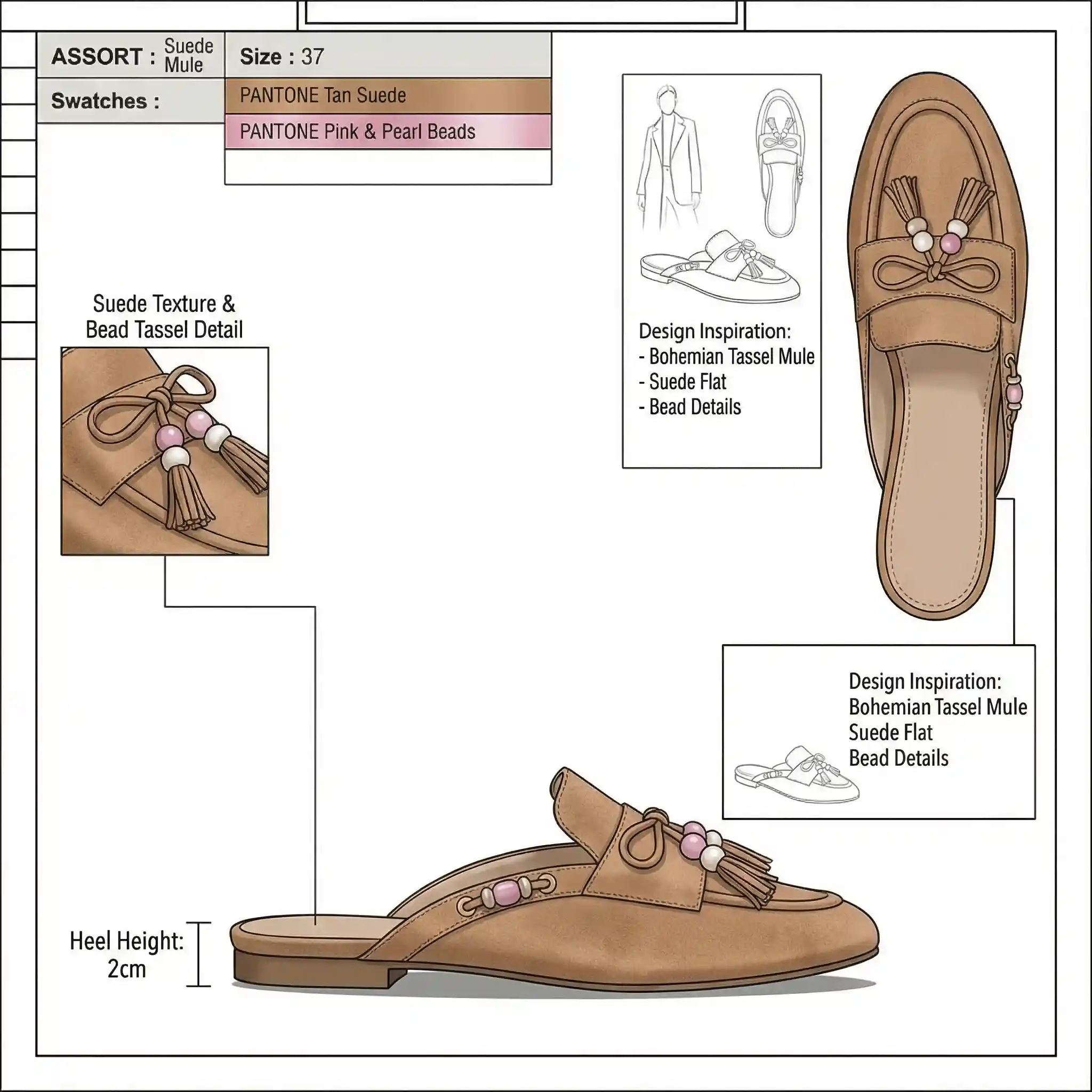
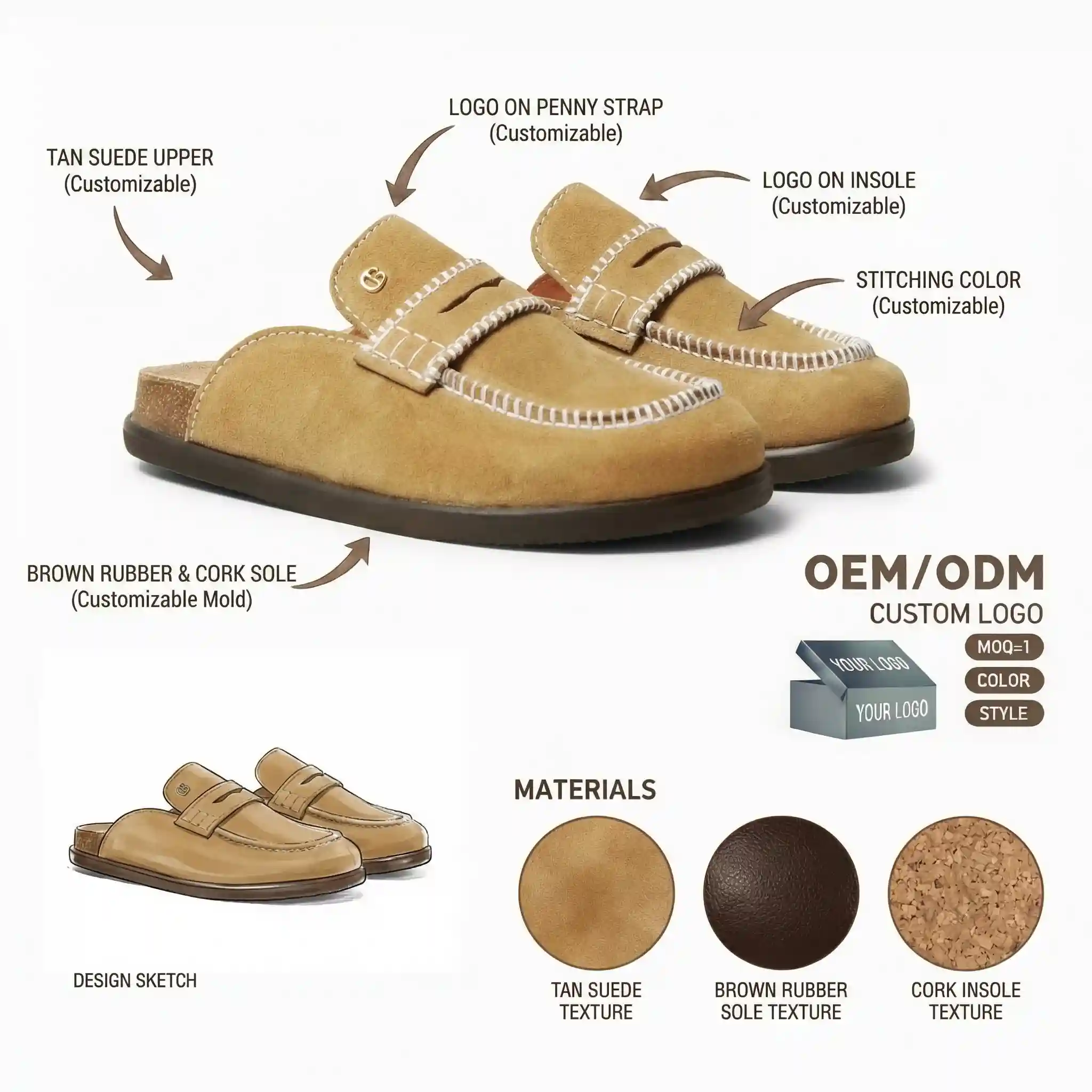


Shoe Craftsmanship Supplier Supplies the World\u2019s Top Brands
Global buyers seeking reliable footwear craftsmanship want a partner who blends precision with flexibility. A premier supplier combines modern automation with artisanal handwork to produce consistent quality from uppers to soles, focusing on ergonomic fit and durable finishes at every size and style. From pattern making and prototyping to mass production, strict quality control guides every stage. Transparent material sourcing, process traceability, and certifications ensure compliance with international standards and ethical practices. The result is scalable production that preserves detail, texture, and comfort. With flexible MOQs, rapid sampling, and short lead times, procurement teams gain predictable timelines and reduced risk. Global logistics and responsive support help brands scale confidently while maintaining sustainable practices and cost efficiency.
{ Shoe Craftsmanship Supplier Supplies the World's Top Brands }
| Dimension | Description | Regions | Materials / Standards | Certifications | Lead Time (weeks) | Production Capacity (units/year) | Key Processes | Sustainability Rating | Notes |
|---|---|---|---|---|---|---|---|---|---|
| Leather Raw Materials | A range of high-quality leather used for uppers and linings, including full-grain and vegetable-tanned options. | Italy; Brazil; USA | Full-grain; Vegetable-tanned; Chromium-free options | LWG Gold; REACH; CPSIA | 3-5 | 5,000,000 | Sourcing, Tanning, Finishing | 4.7 | Chromium-free tanning options increasingly adopted. |
| Synthetic & Alternative Materials | PU composites, microfiber fabrics, and recycled material variants for linings and uppers. | China; Vietnam; India | PU; Microfiber; Recycled polyester | RoHS; REACH | 2-3 | 4,000,000 | Compounding, Coating, Testing | 4.6 | Supports circular economy variants. |
| Outsole & Midsole Materials | Rubber, EVA, and TPU compounds for durability and traction. | Thailand; Vietnam; Indonesia | Rubber; EVA; TPU | ISO 9001; ISO 14001 | 4-6 | 6,000,000 | Moulding, Vulcanization | 4.5 | Includes heat-resistant variants. |
| Hardware & Components | Eyelets, laces, buckles, insoles, and adhesives sourced for reliability. | China; Taiwan; Pakistan | Metallic finishes; Nickel-free plating | ICTI; BSCI | 2-5 | 60,000,000 | Sourcing, Assembly | 4.4 | Nickel-free plating options available. |
| Lasting & Assembly | Last-making, lasting, stitching and final assembly. | Portugal; Spain; Vietnam | Leather; Glue; VOC-limited adhesives | ISO 9001; SEDEX SMETA | 5-7 | 2,000,000 | Lasting, Stitching, Finishing | 4.3 | On-site QA processes ensure fit and finish. |
| Finishing & Quality Control | Dyeing, finishing, and quality assurance testing of assembled units. | India; Indonesia; Egypt | Standard dyeing and finishing chemistries | ISO/IEC 17025; ASTM | 2-4 | 1,500,000 | Dyeing, Finishing, QC testing | 4.8 | Includes colorfastness and wear tests. |
| Packaging & Logistics | Packaging design, labeling, and international logistics support. | Global network | Sustainable packaging options | GRI; CDP | 1-2 | 10,000,000 | Packaging, Documentation, Freight | 4.6 | Emphasis on recyclable materials and carbon reporting. |
| Compliance & Sustainability Program | Independent audits, supplier code of conduct, and continuous improvement. | Global | ISO 14001; SA8000 | ISO 14001; SA8000 | 1-3 | 3,000,000 | Auditing, Reporting | 4.9 | Transparent supply chain with regular third-party audits. |
Related Products


Shoe Craftsmanship Is The Best Where Innovation Meets 2025
Top Selling Products
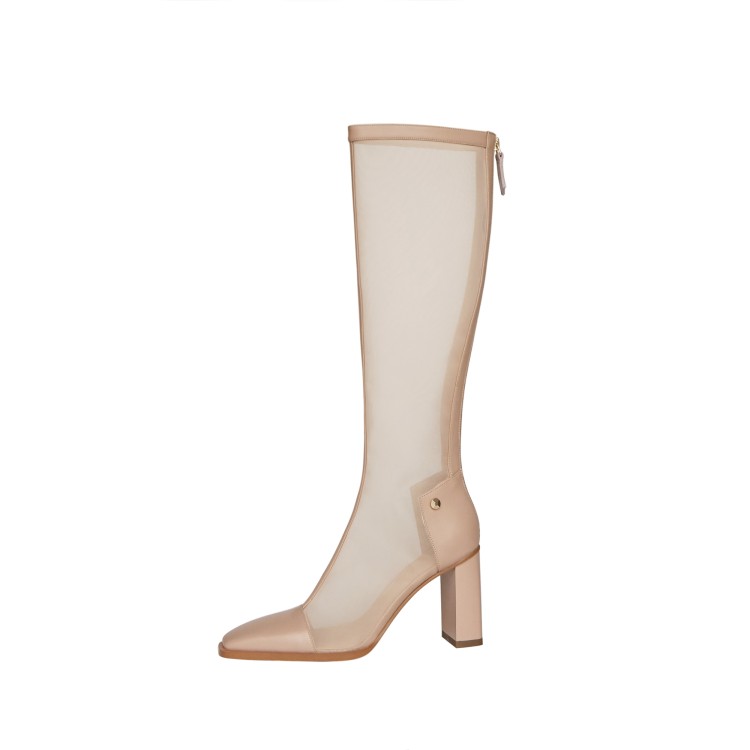
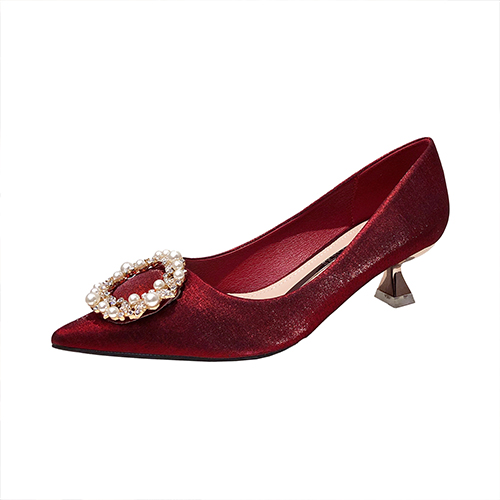

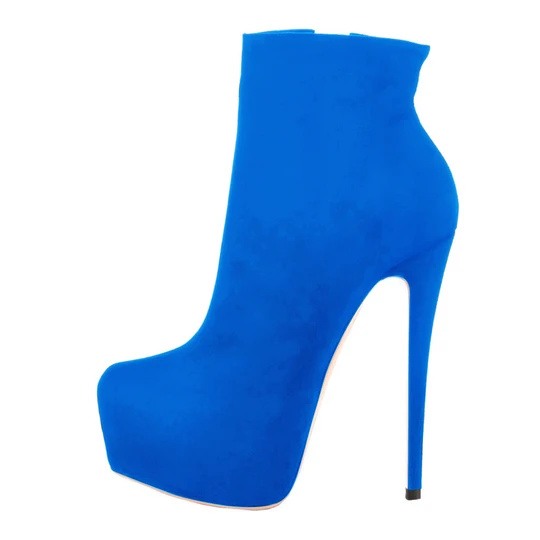

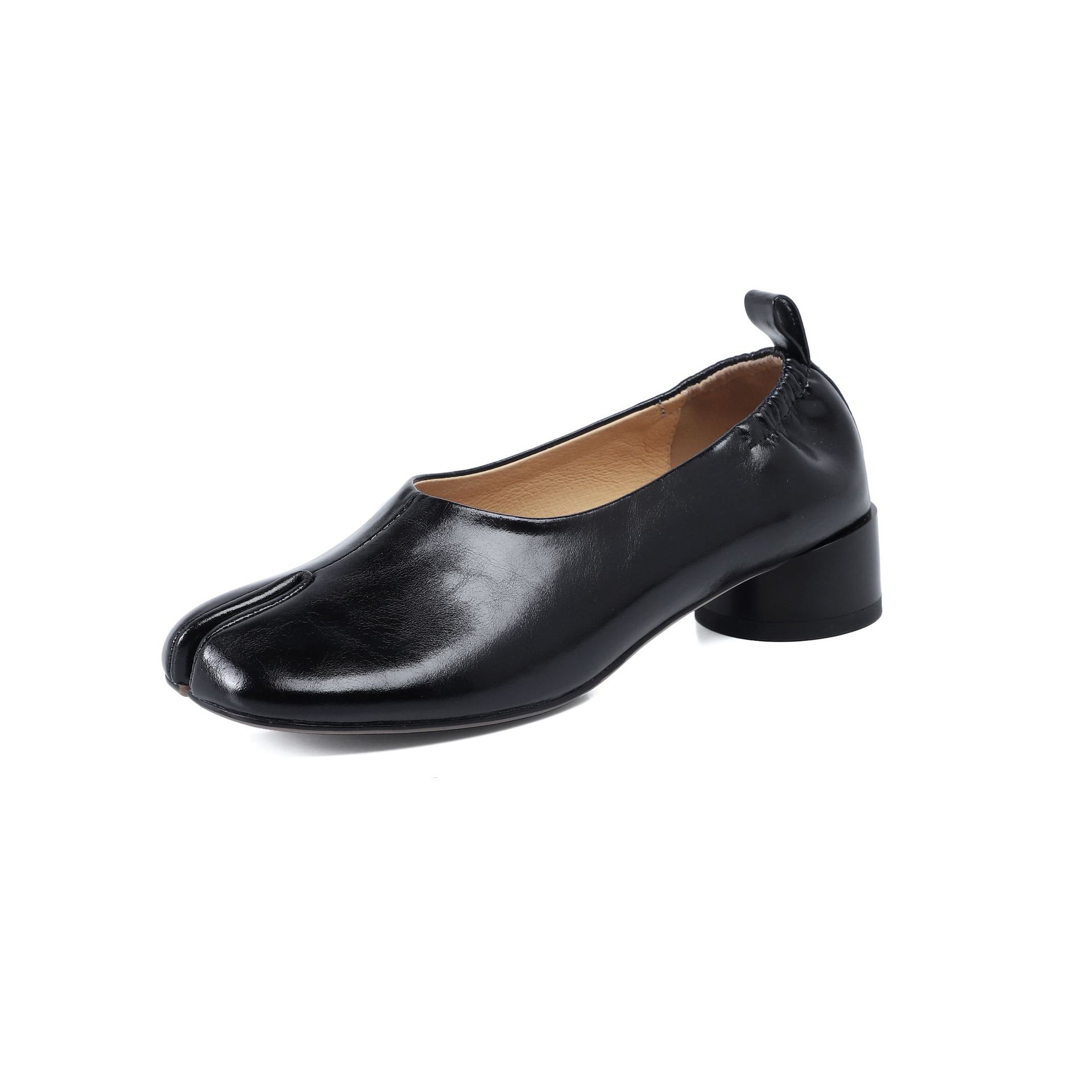
- Related Blog
- Reviews
- Reviews
