
Mid Calf Boots Factories Wholesale Manufacturer
We are the source for durable, fashion-forward boots, rooted in {Mid Calf Boots Factories} excellence. As a trusted {Manufacturer}, I serve retailers and brands through flexible {Wholesale} programs, tight MOQs, and transparent pricing. From full-grain leather and suede to vegan options, our mid calf boots balance comfort, support, and sleek lines. In-house QC ensures sturdy stitching, water-repellent finishes, and consistent sizing (EU 36–44, US 5–11). We can tailor leather, hardware, colors, packaging, and private-label branding. We provide CAD mockups, samples, batch traceability, and reliable lead times. Whether you’re stocking for stores or building a private label, we deliver scalable production and on-time shipping. Let’s build a long-term, no-fluff partnership.
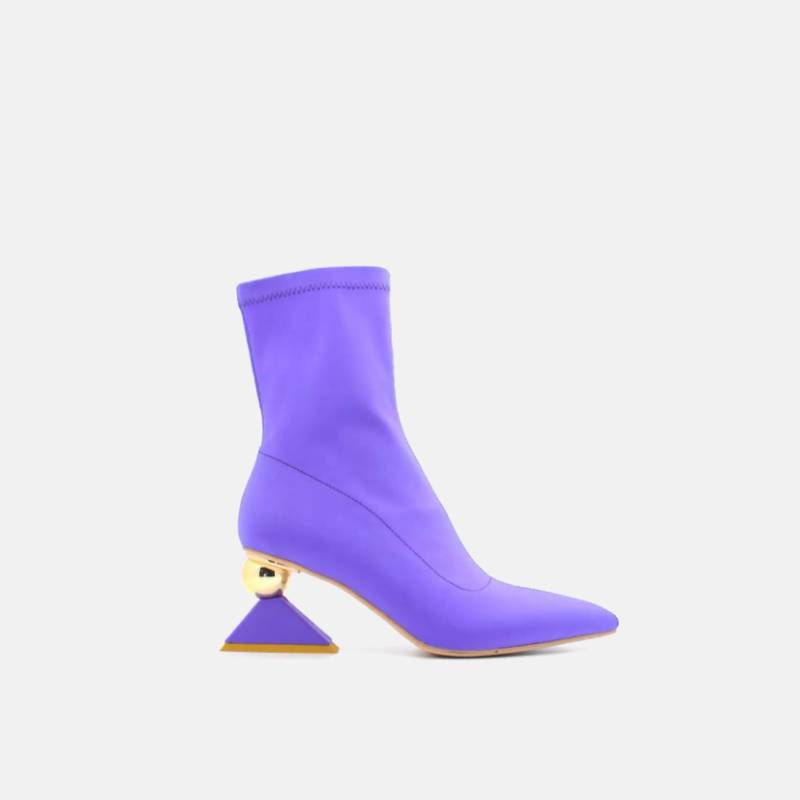
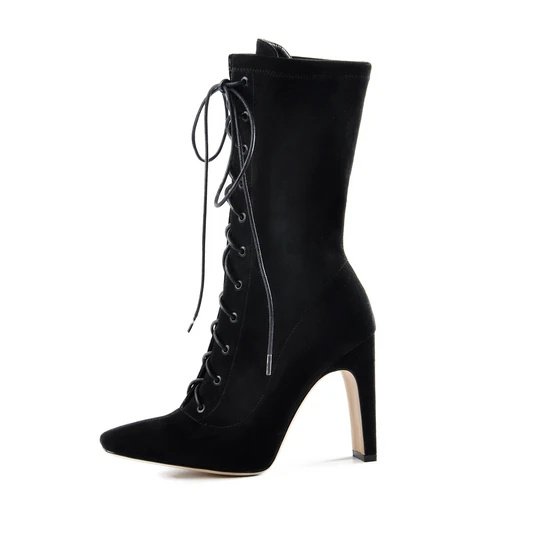
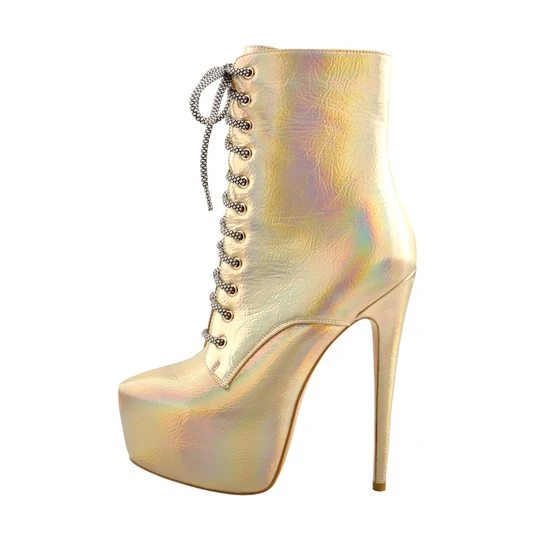
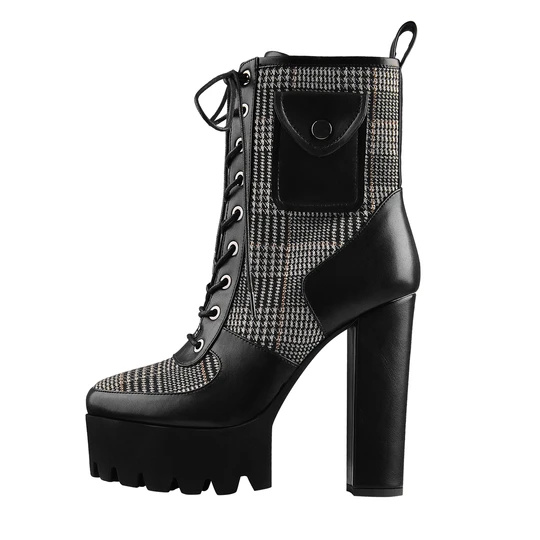
Mid Calf Boots Factories Factory Industry Giant
Mid-calf boots blend fashion with practical warmth, making them a steady focus for global manufacturers. A factory capable of moving from rapid prototyping to large-scale production is a true industry backbone. By leveraging automated cutting, precise stitching, and durable outsole bonding, such partners deliver consistent fit and long wear. From design validation to color matching, a streamlined process shortens lead times without compromising quality. For global buyers evaluating mid-calf boot suppliers, material sourcing, certifications, and a rigorous quality control system are crucial. Seek options across leathers, suede, and high-performance synthetics with transparent origin data. Clarify waterproofing, insulation, seam sealing, and outsole chemistry. Request sample turnaround, clear capacity and lead times, flexible packaging, and traceable labeling. Emphasize sustainable practices and compliant supply chains to ensure reliable delivery from factory floor to customer.
| Factory Code | Country / Region | Annual Capacity (pairs/year) | Primary Materials | Common Certifications & Standards | Employees | Established | Factory Area (m²) | Export Share (%) | Primary Markets | Quality & Testing Practices |
|---|---|---|---|---|---|---|---|---|---|---|
| FCT-001 | China / East Coast | 1,200,000 |
Full-grain leather, PU leather, Rubber soles
|
ISO 9001, ISO 14001, BSCI
|
1,800 | 1998 | 42,000 | 78 | North America, EU |
|
| FCT-002 | Vietnam / Southeast | 850,000 |
PU leather, Microfiber, EVA midsoles
|
ISO 9001, WRAP, Social compliance audits
|
1,200 | 2006 | 28,000 | 84 | EU, Australia |
|
| FCT-003 | Italy / North | 120,000 |
Full-grain leather, Leather soles, Cork inserts
|
ISO 9001; CE compliance for consumer goods
|
320 | 1985 | 6,500 | 65 | EU, Japan |
|
| FCT-004 | Turkey / Marmara | 320,000 |
Corrected-grain leather, Suede, Rubber outsole
|
ISO 9001; Supplier social audit reports
|
760 | 2002 | 14,200 | 72 | EU, Middle East |
|
| FCT-005 | Brazil / Southeast | 180,000 |
Full-grain & split leather, Recycled rubber soles
|
ISO 9001; Local environmental permits
|
450 | 2010 | 9,800 | 58 | Latin America, North America |
|
| FCT-006 | India / West Coast | 640,000 |
Synthetic leather, Neoprene panels, Rubber outsoles
|
BSCI, ISO 9001; periodic third-party audits
|
1,100 | 2004 | 21,500 | 69 | North America, EU |
|
| FCT-007 | Mexico / Northern | 410,000 |
PU leather, TPU toe caps, Rubber lug soles
|
ISO 9001; NAFTA-origin paperwork practices
|
640 | 1995 | 17,000 | 81 | North America, Latin America |
|
| FCT-008 | Bangladesh / Dhaka Region | 540,000 |
Microfiber, PU finishes, EVA/Rubber outsoles
|
BSCI, SMETA audits, ISO 9001
|
1,350 | 2012 | 24,000 | 90 | EU, North America |
|
| FCT-009 | South Korea / Capital Region | 95,000 |
Premium leather, Gore-tex type membranes, Engineered soles
|
ISO 9001; advanced R&D certifications
|
410 | 1990 | 7,300 | 60 | Japan, EU, North America |
|
| FCT-010 | Portugal / Western | 70,000 |
Premium leather, Hand-stitched welt, Rubber & Leather soles
|
ISO 9001; EU consumer safety standards
|
210 | 1976 | 5,600 | 68 | EU, UK |
|
Related Products


Mid Calf Boots Factories Products in 2025
Top Selling Products



- Related Blog
- Reviews
- Reviews
