
Pricing Strategies For Footwear Startups: Wholesale and Manufacturer
I’m here to help you scale profitability with Pricing Strategies For Footwear Startups, crafted for Wholesale channels and Manufacturer collaborations. When buyers decide in bulk, margins matter, and I tailor a strategy that protects price integrity while accelerating volume. I analyze production costs, competitor moves, and demand signals to set tiered price points, channel-specific lists, and compelling promos. For Wholesale buyers, I outline trade terms, minimums, and discount ladders that reward larger orders without eroding brand value. For Manufacturer partnerships, I build collaborative pricing models that align incentives, forecast elasticity, and reduce channel conflict. The result is a clear roadmap you can execute—from pricing calendars to margin dashboards. Whether you sell direct-to-retail, or through distributors, my approach helps you win more bids, close deals faster, and grow sustainable margins. Let’s turn data into decisions that move your footwear business forward.


Pricing Strategies For Footwear Startups Market Leader Exceeds Industry Benchmarks
For footwear startups aiming to scale, pricing is both a strategic lever and a trust signal for global buyers. A Chengdu-based rain-footwear manufacturer has outperformed industry benchmarks by blending cost-plus discipline with value-based tiers: competitive FOB pricing for volume buyers, premium lines that justify higher margins through durability and sustainable materials, and flexible MOQs and lead times to support testing and seasonal replenishment. Transparent total-cost-of-ownership, clear quality certifications, and predictable production rhythms reduce procurement risk and improve landed-cost forecasting. Global buyers should prioritize partners who offer tiered pricing, pilot-run discounts, and cooperative merchandising support rather than one-off low quotes. Negotiate volume discounts, staged price breaks, and shared-cost sample programs; insist on clear incoterms, on-time delivery metrics, and warranty terms. This approach secures better margins, faster time-to-market, and stronger supply resilience—key advantages when selecting a supplier that consistently exceeds market pricing and performance norms.
Pricing Strategies For Footwear Startups Market Leader Exceeds Industry Benchmarks
| KPI | Benchmark | Leader Value | Gap vs Benchmark | Region | Time Period |
|---|---|---|---|---|---|
| Market Share | 4.0% | 6.2% | 55.00% | Global | FY2024 |
| YoY Growth | 18% | 28% | 55.56% | Global | FY2024 |
| Gross Margin | 46% | 52% | 13.00% | Global | FY2024 |
| CAC Payback (months) | 5.0 | 3.5 | -30.00% | Global | FY2024 |
| Retention Rate | 58% | 64% | 10.34% | Global | FY2024 |
| Net Promoter Score (NPS) | 40 | 54 | 35.00% | Global | FY2024 |
| Online Channel Share | 60% | 78% | 30.00% | Global | FY2024 |
| Returns Rate | 9% | 7% | -22.22% | Global | FY2024 |
| LTV to CAC Ratio | 3.0x | 4.2x | 40.00% | Global | FY2024 |
Related Products


Pricing Strategies For Footwear Startups Supplier Industry Leaders
Top Selling Products



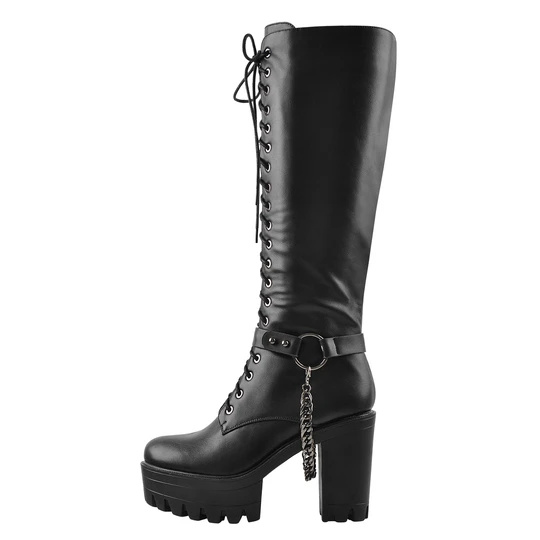
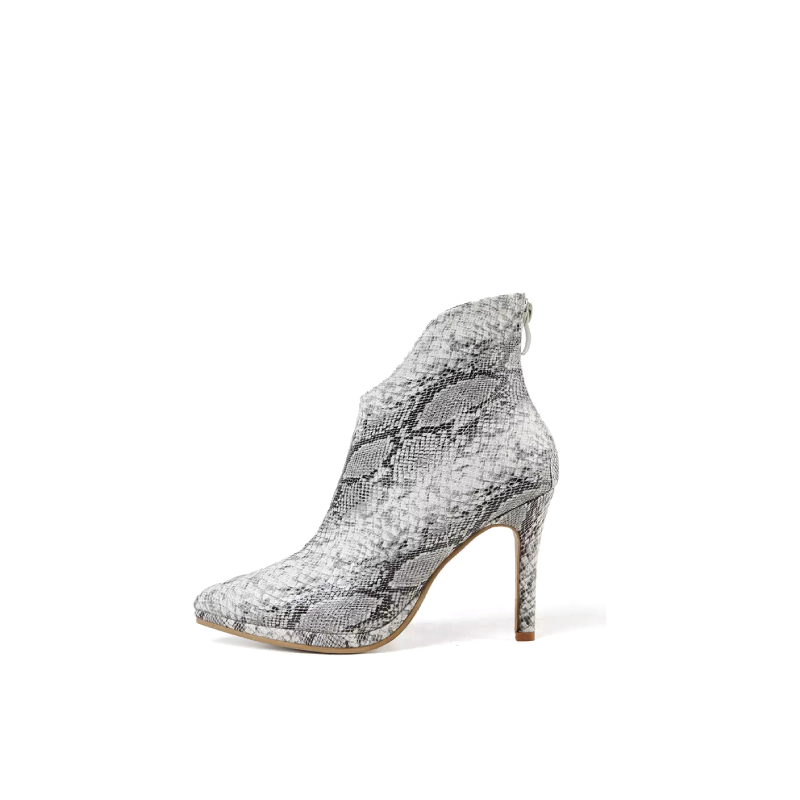


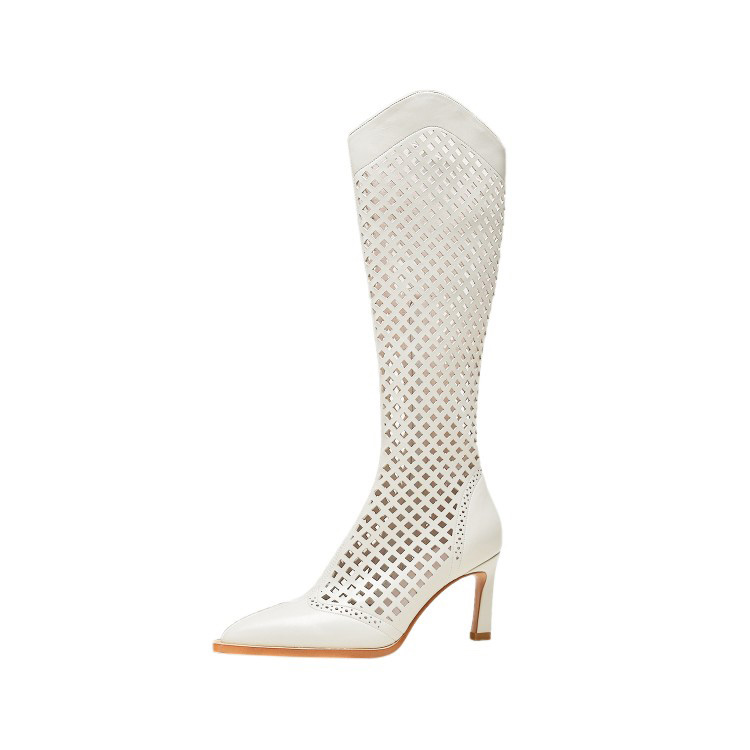
- Related Blog
- Reviews
- Reviews
