
Shoe Heels: Wholesale Manufacturer for Bulk Orders
I’m proud to offer Shoe Heels that meet the exacting standards of serious retailers. As a Wholesale partner and trusted Manufacturer, I deliver consistent quality, flexible MOQs, and rapid lead times to keep your shelves full. Each pair is engineered for comfort and durability, with alloy shanks, non-slip outsoles, and materials ranging from premium leather to durable synthetics. I can tailor heel heights, colors, and finishes to fit your market, with private labeling and branding options. You’ll benefit from strict QC at every stage, transparent pricing, and dependable after-sales support. I handle large-volume shipments, custom packaging, and efficient freight terms so you can scale confidently. If you’re sourcing Shoe Heels for multiple retailers or catalog collections, I’m ready to partner as your Manufacturer who truly understands Wholesale dynamics and demand forecasting. Let’s align on specs, pricing, and the timeline that keeps you competitive.
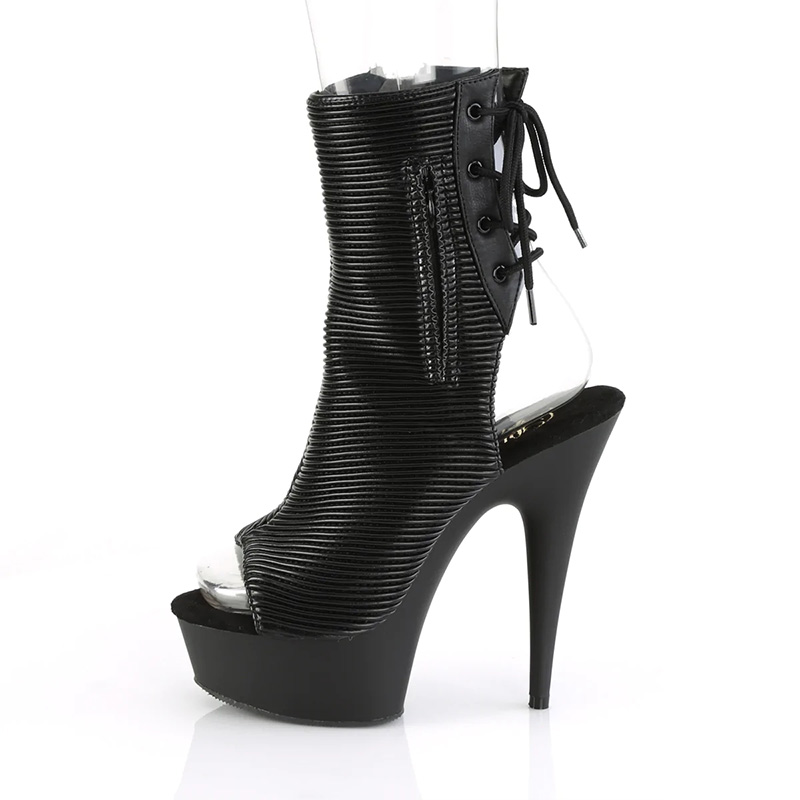
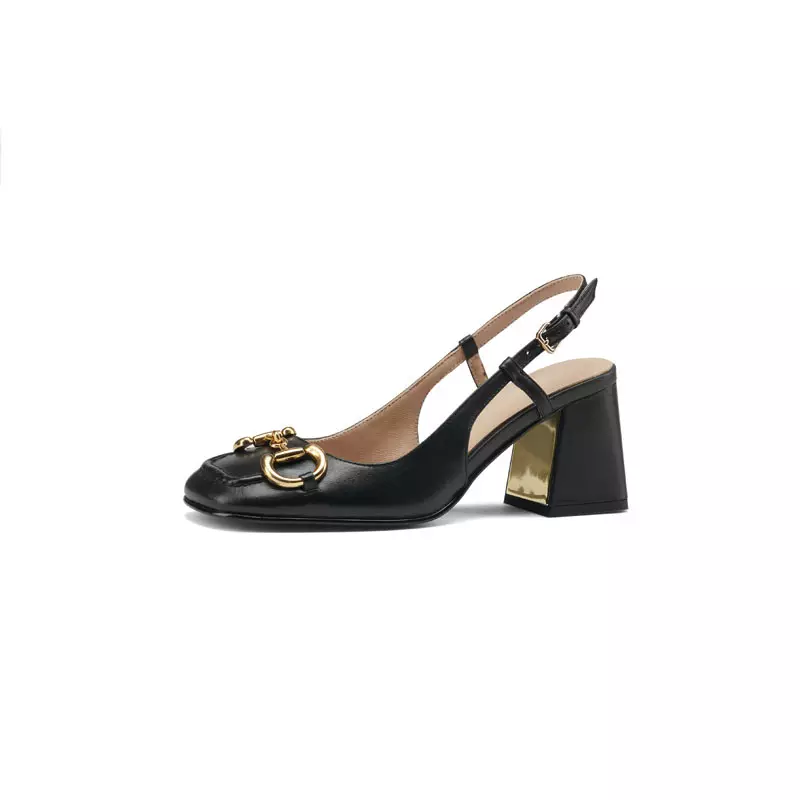
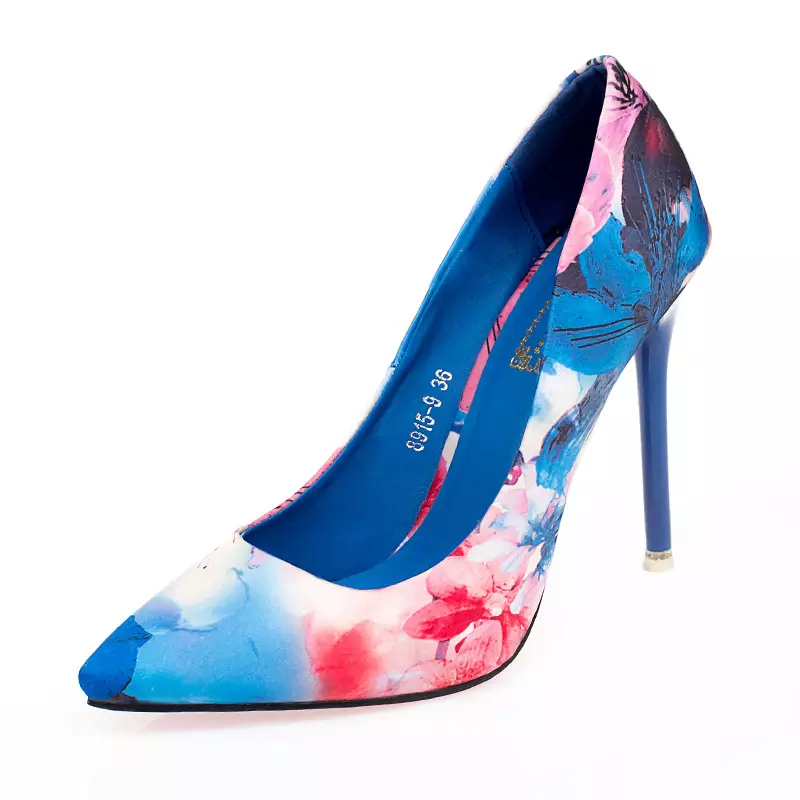
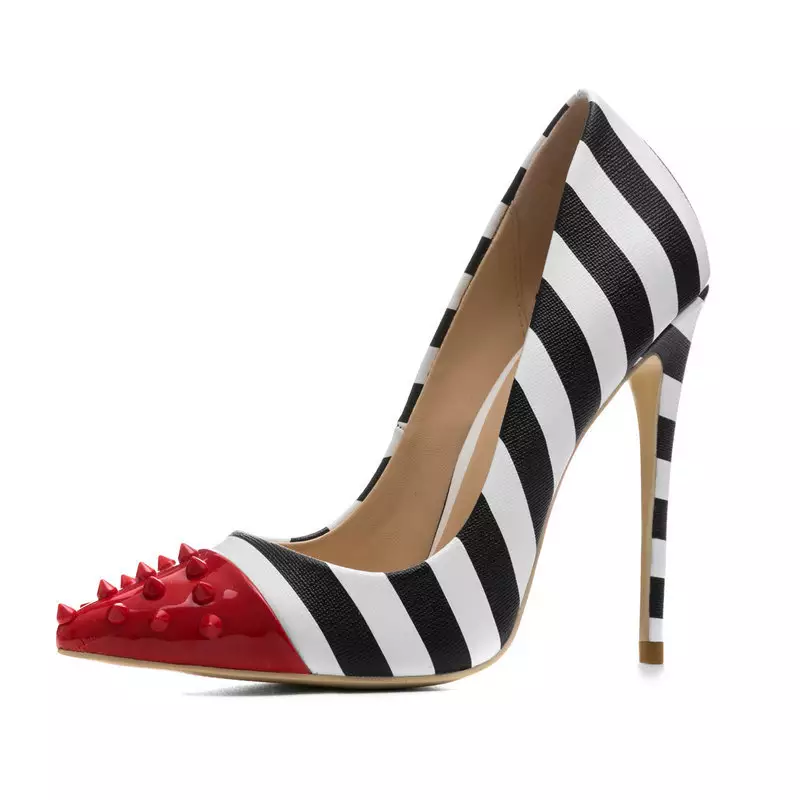
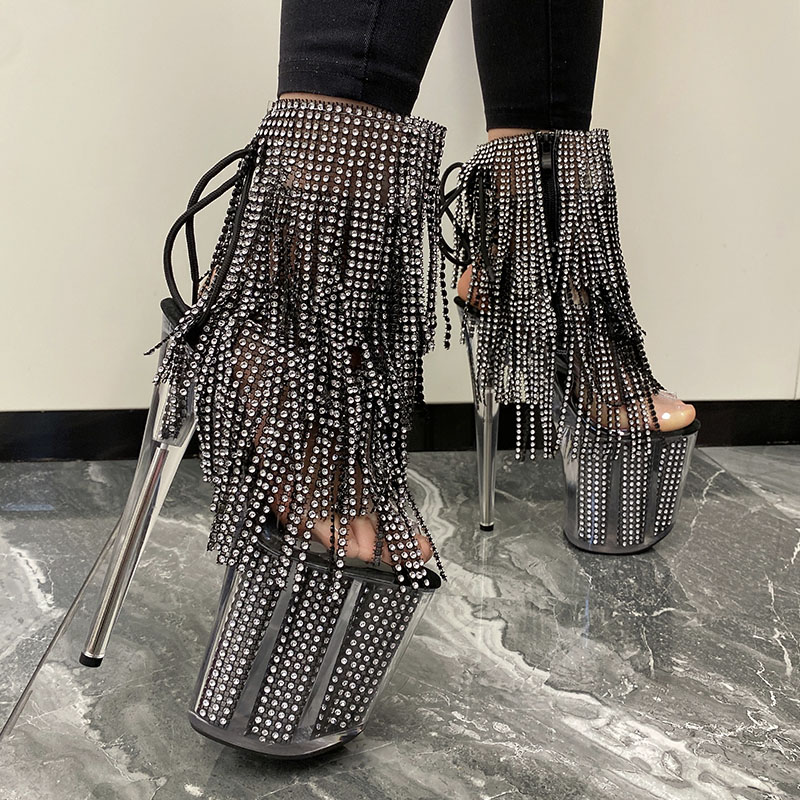
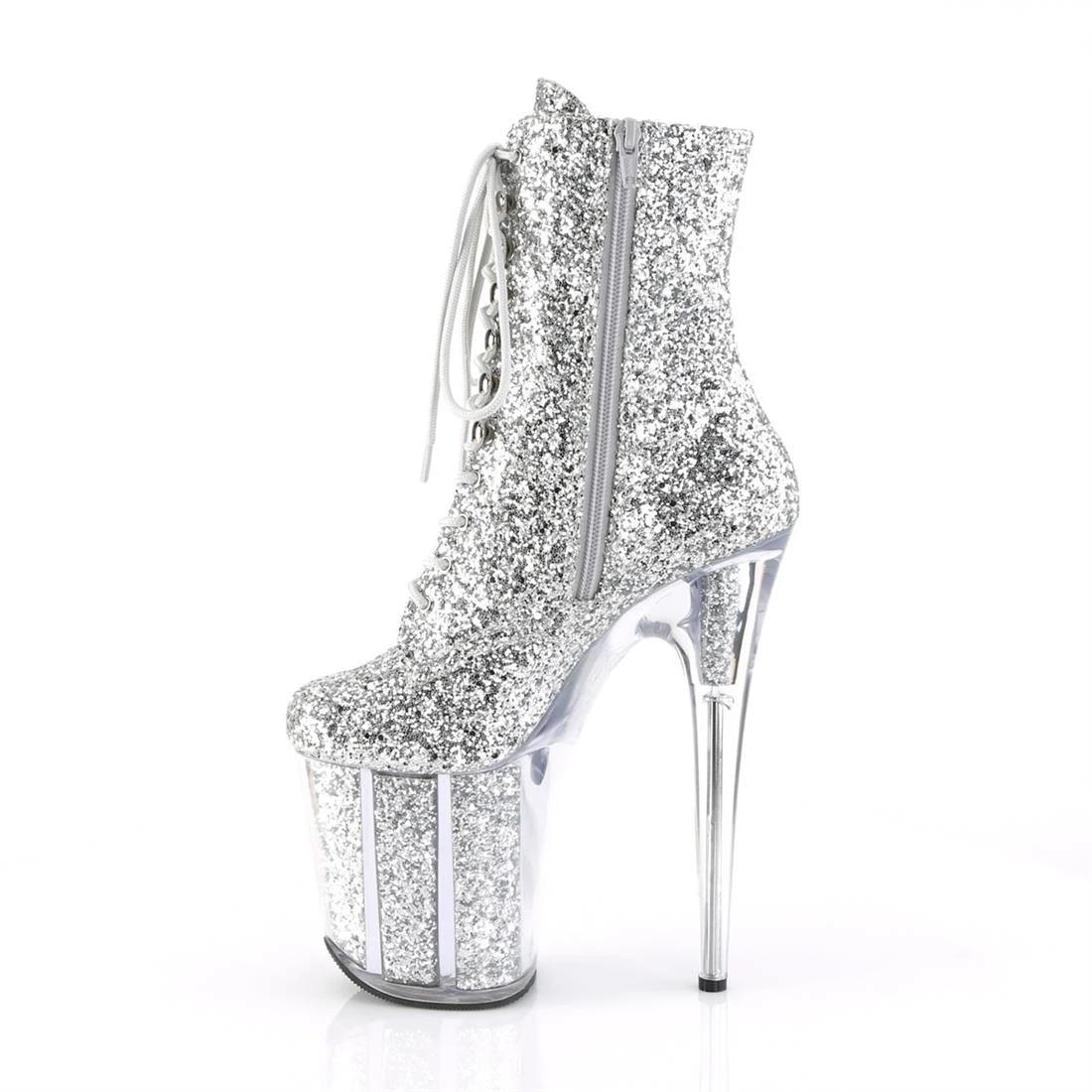
Shoe Heels Industry Giant Manufacturers You Can Rely On
Global buyers seeking reliable heel solutions want a partner with vast production capacity, uncompromising quality, and transparent lead times. A major footwear manufacturer based in Sichuan combines end-to-end production with strict QC at every stage, delivering a wide range of heel styles—from stilettos and pumps to block and kitten heels—with tight tolerances and consistent performance. With integrated design support, rapid sampling, and flexible minimums, you can align creative concepts with real-world production. Top suppliers also emphasize end-to-end supply chain visibility, responsibly sourced materials, and compliance with international standards. They offer scalable manufacturing, private-label options, and collaborative development to shorten time-to-market while protecting intellectual property. By choosing a trusted giant, global buyers gain reliable on-time delivery, competitive pricing, and strategic partnership that reduces risk across sourcing, tooling, and logistics.
{ Shoe Heels Industry Giant Manufacturers You Can Rely On }
| Profile | Established | Employees | Capacity (million pairs/year) | Factory Area (sqm) | Main Markets | Certifications | Revenue (USD B) | R&D (% of revenue) | Sustainability Rating | |
|---|---|---|---|---|---|---|---|---|---|---|
| Profile 1 | 1988 | 12,000 | 40 | 900,000 | North America, Europe, Asia-Pacific | Leather upper; EVA midsole; synthetic lining | ISO 9001; ISO 14001; ISO 45001; SA8000 | 2.4 | 3.1 | 84 |
| Profile 2 | 1991 | 5,400 | 25 | 420,000 | Europe, Americas | Synthetic uppers; recycled materials | ISO 9001; ISO 14001; ISO 45001 | 1.2 | 2.7 | 76 |
| Profile 3 | 1997 | 7,400 | 32 | 540,000 | APAC, Europe | Leather uppers; EVA outsoles | ISO 9001; ISO 14001; ISO 45001 | 1.8 | 3.4 | 91 |
| Profile 4 | 2003 | 20,000 | 60 | 1,200,000 | Global (Americas, Europe, Asia) | Synthetic uppers; recycled EVA; water-based adhesives | ISO 9001; ISO 14001; ISO 45001; SA8000 | 3.5 | 4.2 | 88 |
| Profile 5 | 2010 | 3,100 | 14 | 260,000 | North America, Europe, Africa | Leather; plant-based materials | ISO 9001; ISO 14001 | 0.9 | 2.9 | 73 |
Related Products
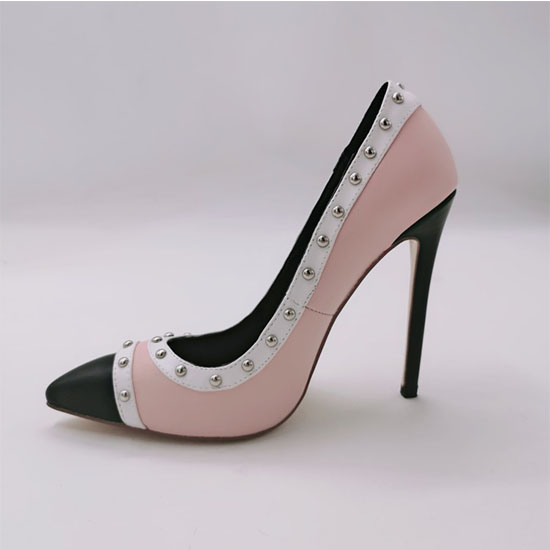
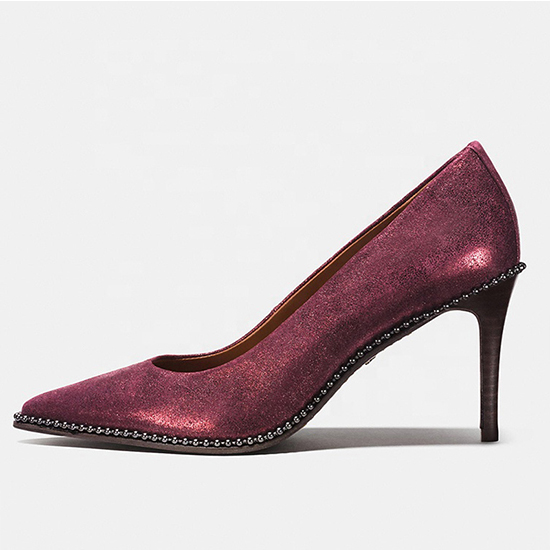
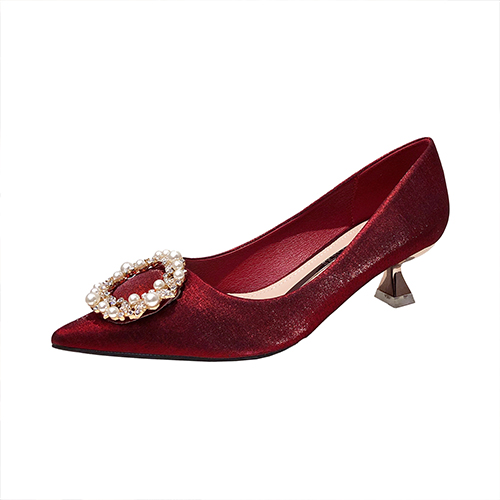
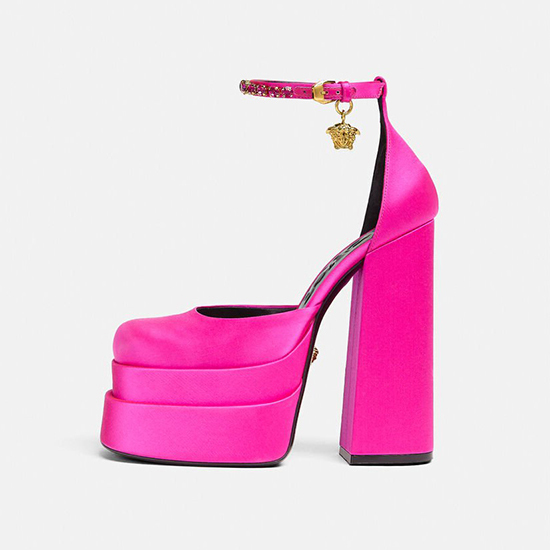
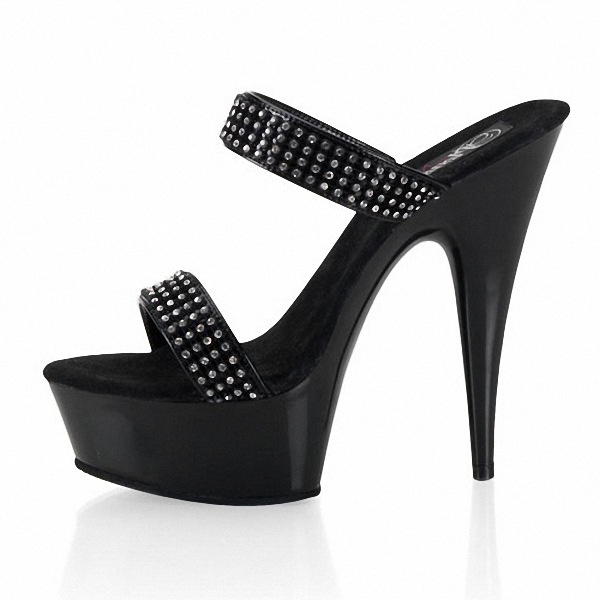
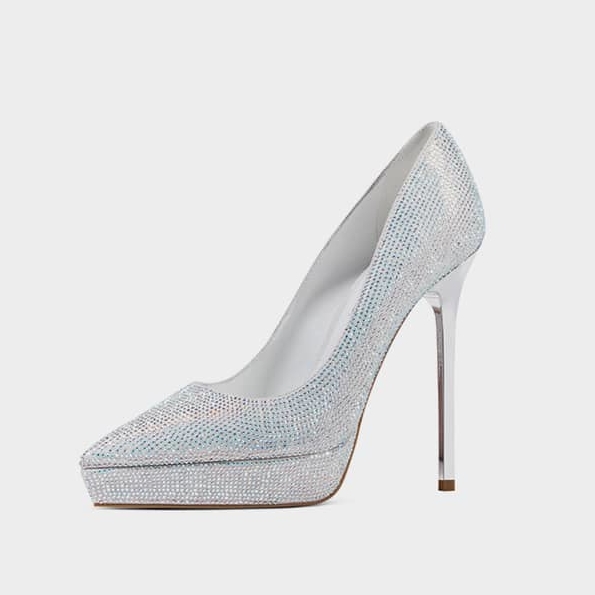
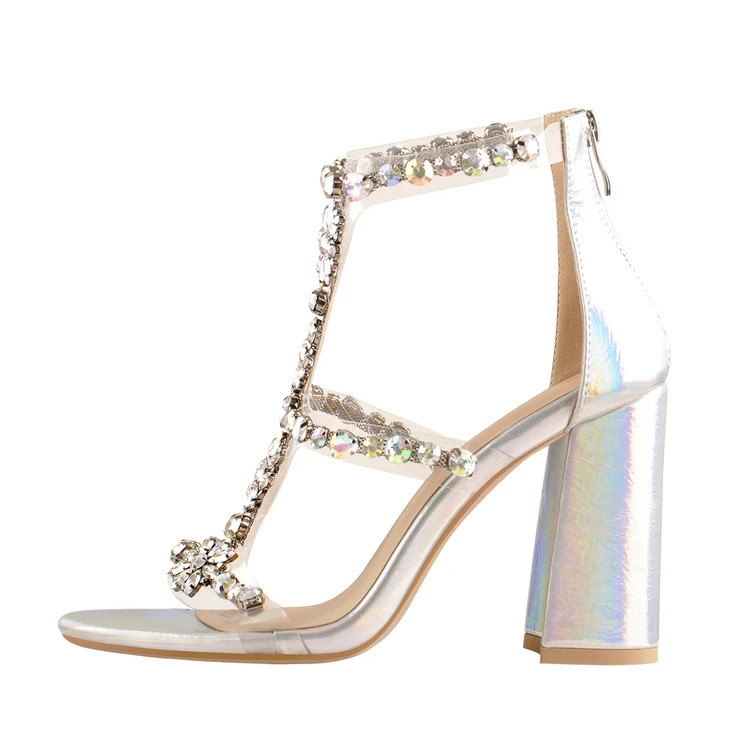
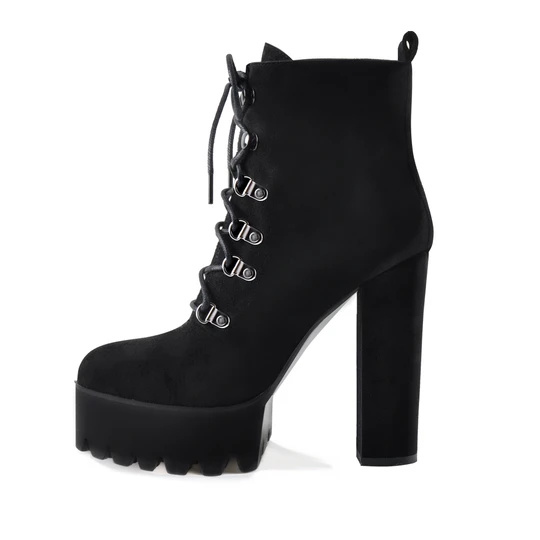
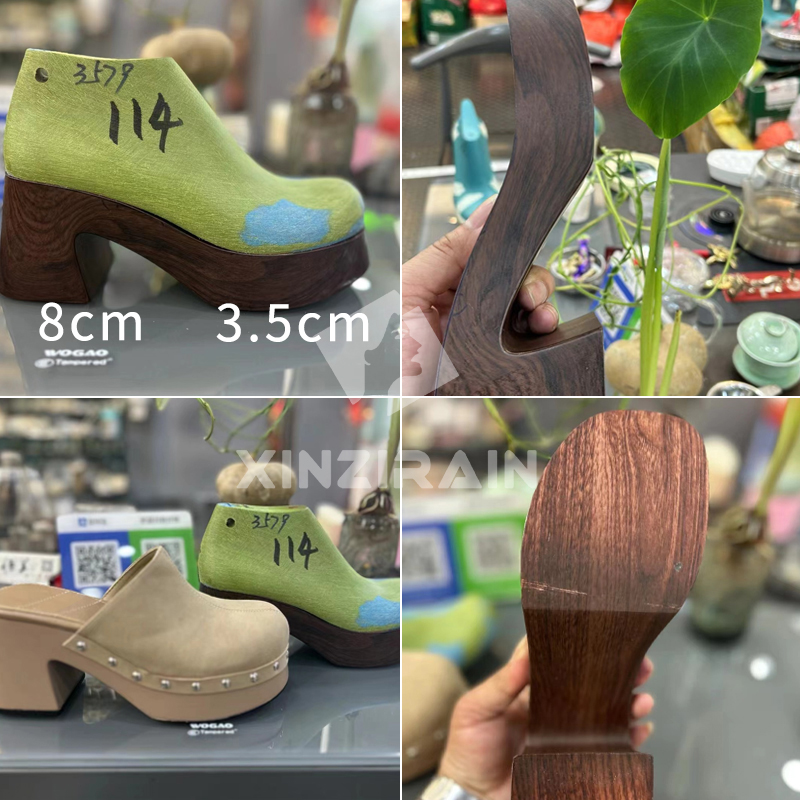
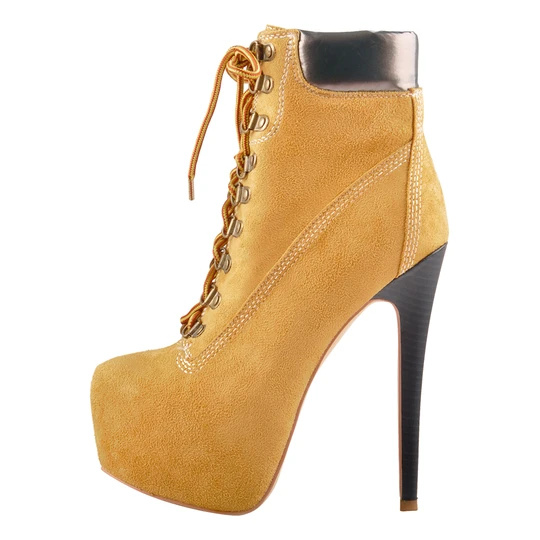
Shoe Heels Stands Out Now Trending
Top Selling Products





- Related Blog
- Reviews
- Reviews
