
Bespoke Shoe Factory: Wholesale Manufacturer of Custom Shoes
We are a Bespoke Shoe Factory delivering fully custom footwear for retailers and brands. As a Wholesale partner and Manufacturer, we design, prototype, and produce premium shoes at scale without sacrificing fit or detail. You share your specs — last type, leathers, stitching, soles — and we translate them into precise patterns and samples fast. We manage every step from pattern cutting to final lacquer, ensuring consistency across batches. Our MOQ is flexible for startups and established brands alike, with transparent lead times and competitive wholesale pricing. We offer dedicated account support, quality control, and traceability from hide to heel. With sustainable materials and responsible sourcing, we help you differentiate in a crowded market. Let's collaborate to bring your bespoke concepts to life at a reliable cadence, with the reliability a true Manufacturer should provide and the value Wholesale buyers demand.


Bespoke Shoe Factory Where Service Meets Innovation More Than a Supplier - A Partner
In today’s procurement landscape, a bespoke shoemaking facility stands out by turning service into strategy. Rather than merely supplying parts, it partners with designers and buyers to translate ideas into finished shoes with precise fit, comfort, and branding. From sketch to sample, teams align on goals, timelines, and quality, creating long‑term relationships rather than one‑time transactions. Innovation drives every stage: 3D modeling, rapid prototyping, and modular production shorten cycles; sustainable materials and traceability ensure responsible sourcing. Confidential design protection and transparent reporting safeguard IP. Integrated feedback, testing, and compliance checks streamline the workflow, reducing risk and speeding time‑to‑market for fashion, sport, and corporate gifts. For global buyers, this is more than a supplier—it's a true partner. A dedicated manager provides milestones, real‑time updates, and proactive problem‑solving. Flexible minimums, scalable lead times, and competitive pricing sit beside unwavering quality and service. Whether you need private labeling, full customization, or product development support, you gain a reliable ally that elevates your brand and procurement outcomes.
{ Bespoke Shoe Factory Where Service Meets Innovation More Than a Supplier - A Partner }
| Dimension | Definition | 2023 | 2024 | 2025 Forecast | Trend |
|---|---|---|---|---|---|
| Customization Capabilities | Range of customization options including materials, lasts, stitching, fit, and comfort adjustments | 72 | 88 | 100 | Upward |
| Lead Time for Bespoke Orders | Average weeks from order to shipment for custom shoes | 8 weeks | 7 weeks | 6.5 weeks | Decreasing |
| On-Time Delivery Rate | Percentage of orders delivered by the committed date | 94.5% | 96.8% | 97.9% | Improving |
| First-pass Yield (Quality) | Proportion of pairs meeting quality standards on first inspection | 92.0% | 94.2% | 95.8% | Upward |
| Material Utilization Efficiency | Material usage efficiency across manufacturing processes | 86% | 89% | 91% | Improving |
| Waste Reduction | Percentage reduction in waste relative to baseline per year | 3.5% | 5.0% | 7.5% | Accelerating |
| Automation Level | Share of processes automated (robotics, CNC, automation) | 65% | 72% | 80% | Growing |
| Energy Intensity per Pair | Energy consumption per produced pair (kWh) | 0.90 | 0.82 | 0.75 | Decreasing |
| Design Iteration Speed | Average time to move from concept to prototyping for a new design | 12 days | 9 days | 6 days | Faster |
| Customer Support & Aftercare | Post-sale support responsiveness and availability (repair guidance, fittings) | 24 hours | 18 hours | 12 hours | Faster |
| R&D Investment | R&D expenditure as a percentage of revenue | 6.2% | 7.1% | 7.8% | Rising |
Related Products


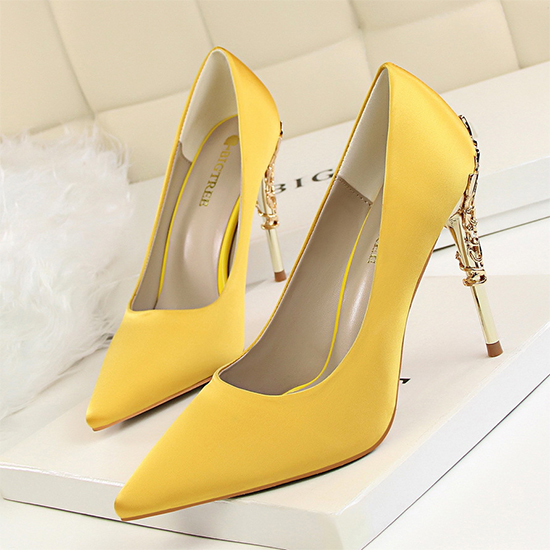


Bespoke Shoe Factory Application Global Reach
Top Selling Products
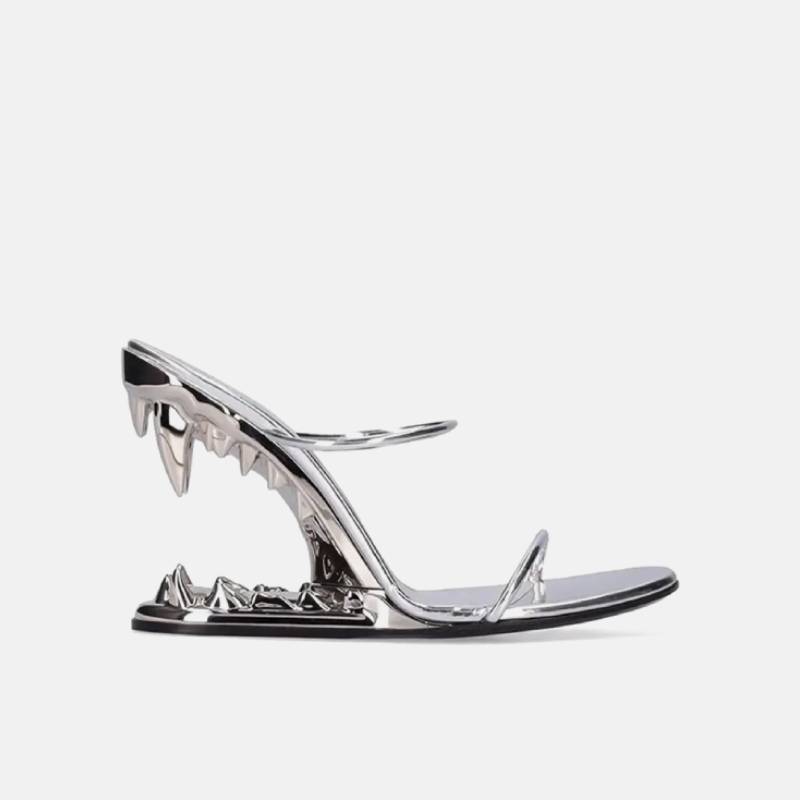

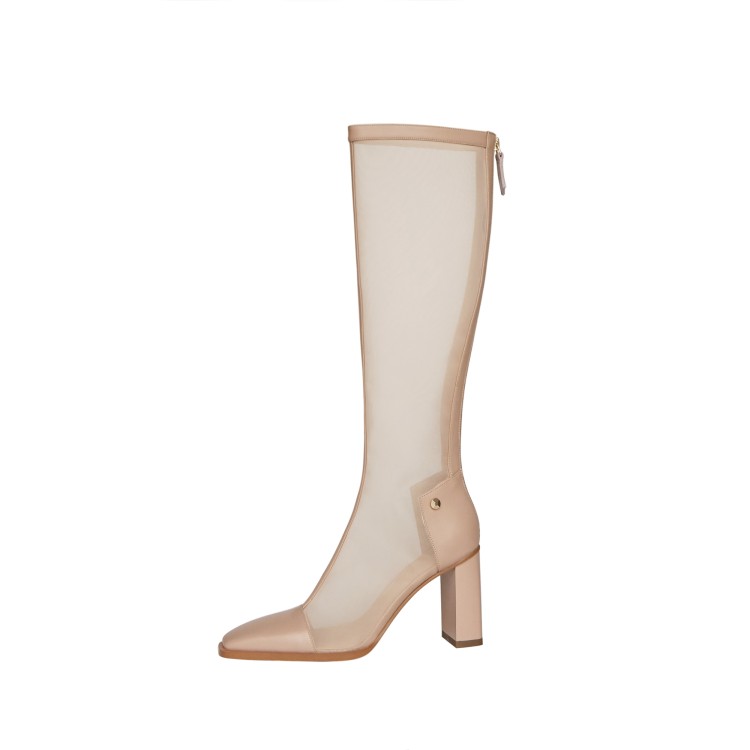
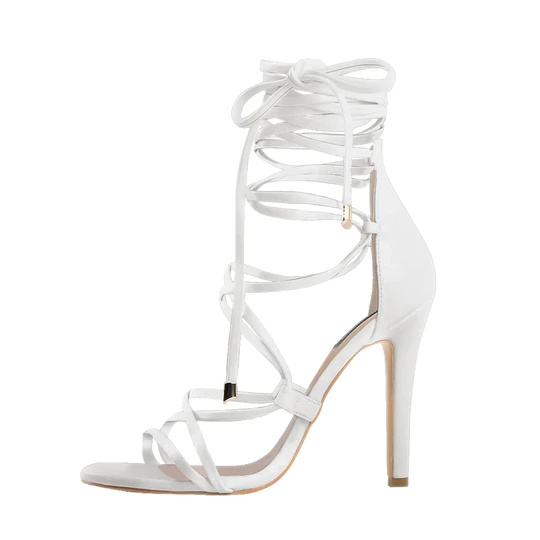
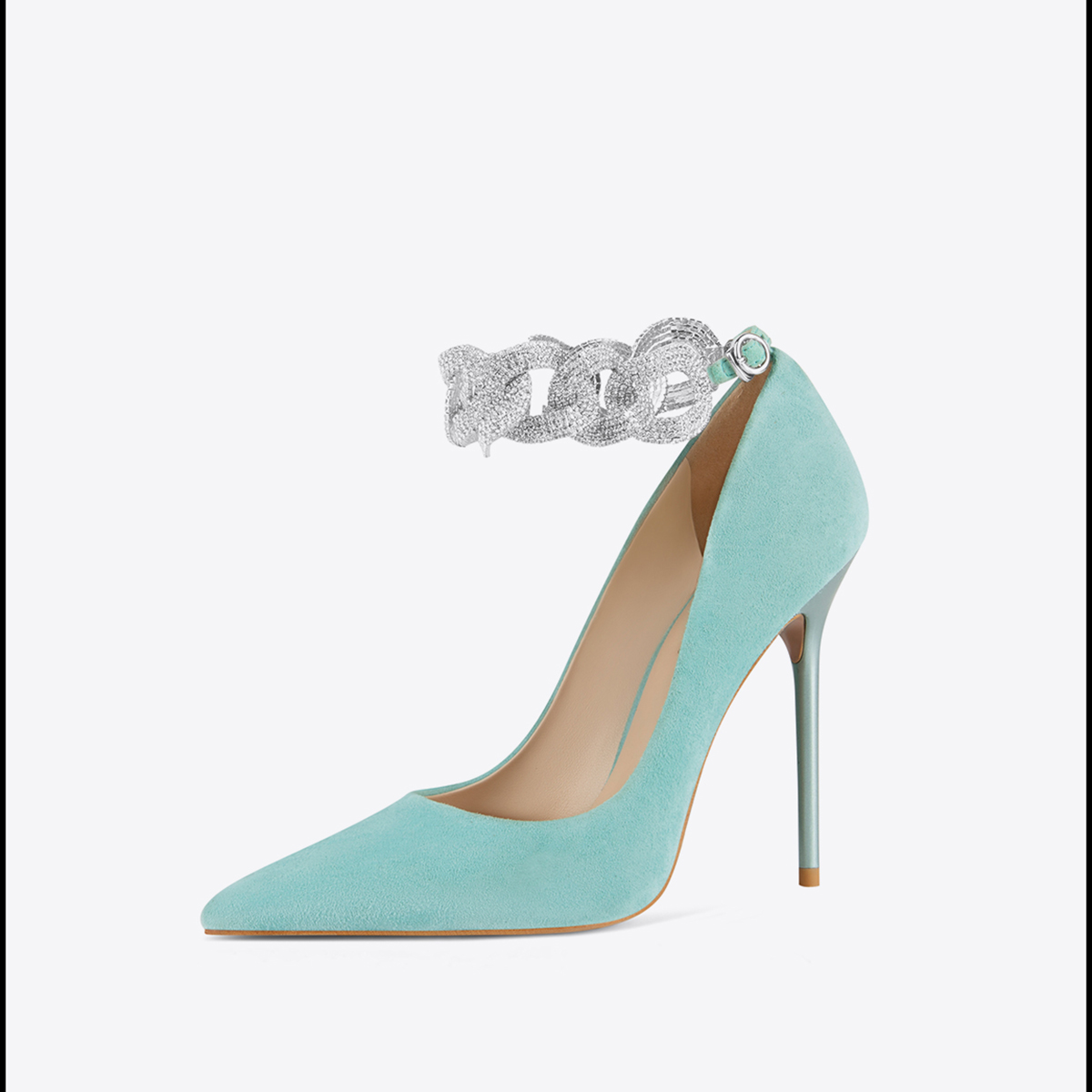
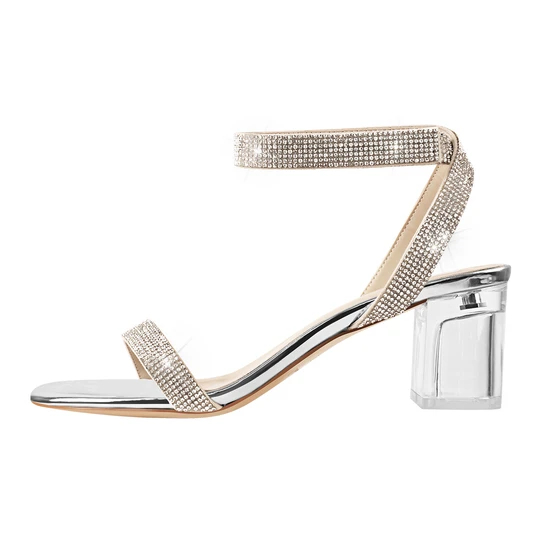
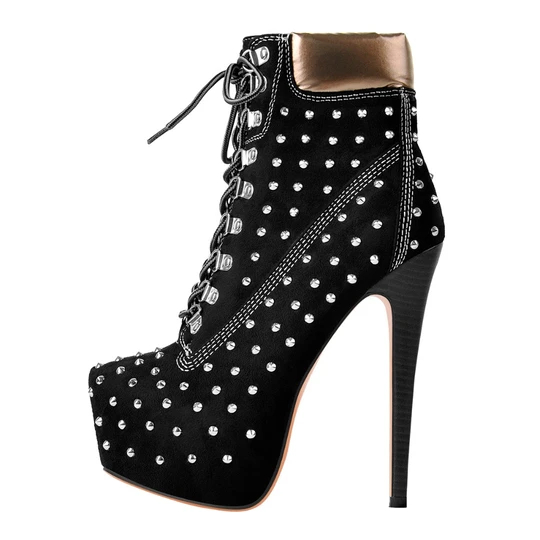
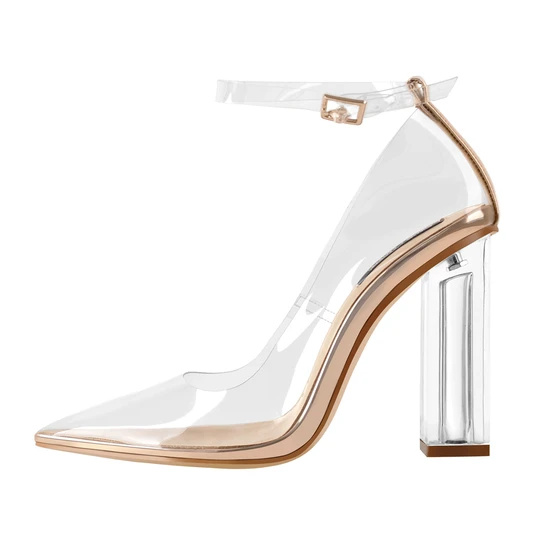


- Related Blog
- Reviews
- Reviews
