
Boots Footwear Wholesale Manufacturer - Quality Bulk Supply
From a factory floor to your catalog, I offer Boots Footwear that meets demand in bulk. As a Manufacturer, we cut intermediaries, so wholesale pricing hits your margins hard. We specialise in durable leather and advanced synthetic uppers, reinforced seams, slip-resistant outsoles, and comfort insoles. When you partner with us, you get flexible minimum order quantities, custom branding, and speedier lead times. I listen to wholesale buyers: you need consistent stock, compliant materials, and reliable QC. Our ISO-certified production line keeps testing at every stage, from material selection to packaging. For Wholesale orders we can offer mixed sizes and colorways, private labels, and label-free options. We ship worldwide, with dedicated support, sample programs, and clear MOQs. If you're a Buyer seeking a dependable Manufacturer for Boots Footwear, we are ready to talk, negotiate, and tailor a solution that fits your distribution network. Let’s build a long-term partnership that boosts your catalog and your bottom line.


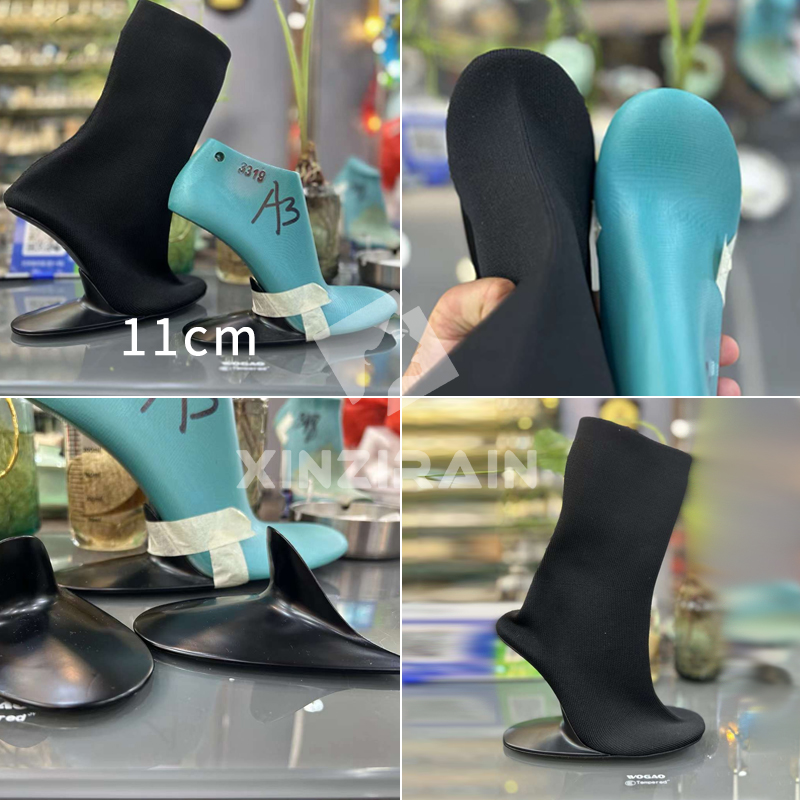


Boots Footwear Application Winning in 2025
Boots are winning in 2025 by fusing safety, comfort, and versatility for work, outdoor, and urban wear. Leading models pair rugged uppers with weatherproof but breathable membranes and lightweight midsoles for all-day support. Demand centers on slip resistance, reinforced toe caps, ergonomic fits, and durable construction. Sustainability is essential: recycled materials, PFAS-free finishes, and water-based coatings are expected, while antimicrobial linings and modular insoles boost value without sacrificing performance. Global buyers seek scalable production, reliable lead times, and consistent quality. The best partners offer modular components, rapid prototyping, and thorough testing. Clear traceability and safety compliance build trust across supply chains, while strong ESG practices add long-term value. In a volatile logistics landscape, accurate forecasting and transparent communication help brands deliver the right boots to customers worldwide.
| { Boots Footwear Application Winning in 2025} | |||||||||
|---|---|---|---|---|---|---|---|---|---|
| Segment | Primary Applications | Key Performance Indicators | Projected Adoption (2025) | YoY Growth (24→25) | Dominant Materials / Technologies | Sustainability Score | Target Age Group | Leading Distribution Channels | Typical Use Case Examples |
| Outdoor / Hiking Boots | Trail navigation, multi-day trekking, alpine approaches | Tread longevity (≥1,200 km), Waterproof rating (hydrostatic head mm), Ankle support index | 28% | +12% | Full-grain leather, breathable membrane, high-abrasion rubber | 82 | 25–54 | Specialty outdoor retailers; direct online D2C; independent outfitters | Long-distance hikes, rugged trail protection, wet-weather trekking |
| Work / Industrial Boots | Construction, utilities, heavy-duty job sites | Toe protection compliance, Slip resistance (SRC equiv.), Sole puncture resistance | 18% | +8% | Full-grain leather, TPU midsoles, reinforced composite toe (non-metallic) | 74 | 25–60 | Industrial suppliers, safety distributors, B2B procurement portals | Daily site wear, heavy-load handling, anti-slip environments |
| Tactical / Defense Boots | Military, law enforcement, security operations | Mobility score, Noise signature (low), Rapid lacing durability | 7% | +6% | Rugged synthetic uppers, breathable membranes, anti-fatigue insoles | 68 | 20–45 | Government contracts, specialty tactical resellers | Patrols, rapid deployment, urban operations with rough surfaces |
| Urban Fashion Boots | Everyday streetwear, seasonal fashion lines | Comfort score (out of 10), Style adoption index, Weight per pair (g) | 20% | +15% | Vegan leathers, recycled microfiber, lightweight foam soles | 79 | 18–35 | Online marketplaces, boutique retailers, fashion apps | Commuting, city nightlife, seasonal street styling |
| Safety / Healthcare Boots | Hospital staff, lab technicians, cleanroom support | Chemical resistance, Slip resistance on wet floors, Easy sanitization | 6% | +5% | Antimicrobial-treated textiles, lightweight polymer soles, seamless uppers | 85 | 22–60 | Medical suppliers, institutional procurement, specialized retailers | Long shifts on hard floors, spill-prone environments, sterile zones |
| Equestrian / Riding Boots | Stable work, riding, show events | Grip for stirrup, Shaft stability, Leather flex cycles | 3% | +2% | Polished full-grain leather, shock-absorbing heel stacks | 72 | 16–50 | Specialist equestrian retailers, local tack shops | Riding lessons, barn duties, competitive shows |
| Winter Insulated Boots | Cold-weather commuting, snow travel, alpine base use | Thermal retention (°C delta), Waterproof seam performance, Traction in ice/snow | 10% | +9% | Insulated synthetic liners, waterproof membranes, cold-rated outsoles | 80 | 20–55 | Outdoor retailers, seasonal pop-ups, online marketplaces | Snow commute, short winter hikes, cold-climate daily wear |
| Lightweight Travel Boots | Urban travel, carry-on friendly, light trekking | Packed weight per pair (g), Packability index, Breathability (g/m²/24h) | 12% | +18% | Engineered knit uppers, EVA midsoles, low-profile rubber outsoles | 76 | 20–50 | Travel specialty shops, online travel gear platforms | Airport travel, city walking tours, multi-climate trips |
| Orthopedic / Medical Support Boots | Post-injury rehabilitation, diabetic foot protection, long-term support | Arch support index, Pressure redistribution (kPa), Removable orthotic compatibility | 4% | +7% | Medical-grade foams, breathable antibacterial linings, adjustable closures | 88 | 35–75 | Medical suppliers, orthopedic clinics, certified retailers | Rehabilitation, mobility aid, pressure-sensitive conditions |
| Rain / Waterproof Boots | Wet-weather commuting, urban flood-prone areas, outdoor chores | Seam seal integrity (hours), Sole grip on wet surfaces, Water ingress rate | 5% | +4% | Waterproof coated textiles, vulcanized rubber, sealed seams | 70 | 18–60 | Mass-market retailers, online stores, outdoor outlets | Daily rainy commute, gardening, wet-site chores |
Related Products


Boots Footwear Ahead of the Curve From Concept to Delivery
Top Selling Products



- Related Blog
- Reviews
- Reviews
