
Handbags Factory In China - Wholesale Manufacturer for Premium Bags
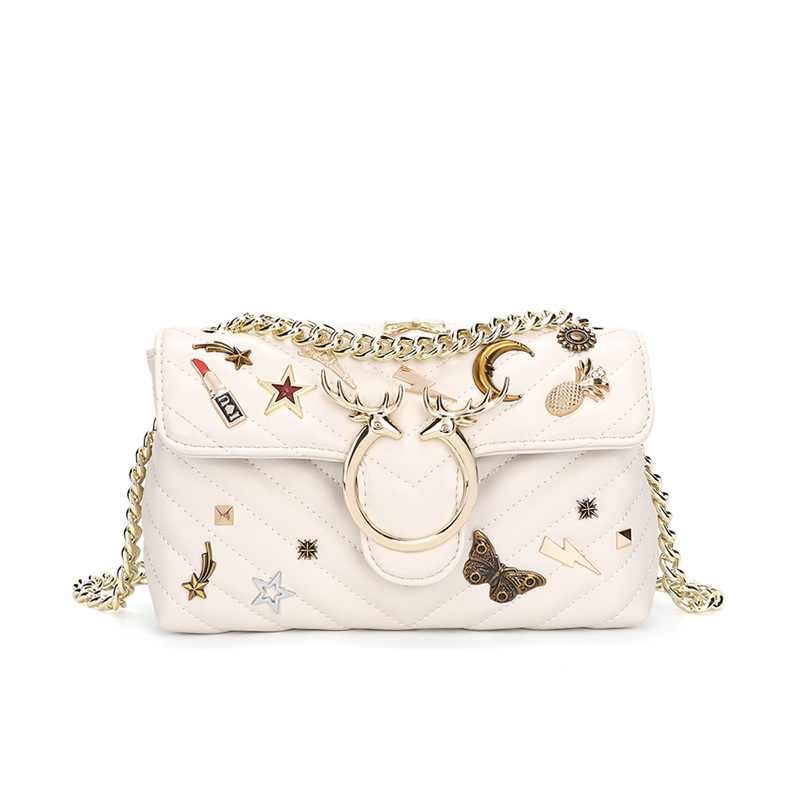
From a hands-on owner perspective, I run a Handbags Factory In China that blends design flair with factory-grade reliability. We offer Wholesale options for retailers and brands looking to scale, with flexible MOQ and fast lead times. As a Manufacturer, we control every step—design, sourcing, stitching, finishing, and packaging—so you get consistent quality and lower total costs. Our collections span everyday totes, crossbody bags, and luxury-inspired silhouettes, all crafted from premium materials and tested for durability. I understand B2B buyers want clear timelines and transparent pricing, so we provide rapid samples, scalable production runs, and up-front quotes. Our QC team inspects each bag before shipment, ensuring color fastness, thread strength, and hardware integrity. We welcome customization: logos, hardware finishes, lining colors, and size tweaks to fit your market. If you're seeking a dependable partner to keep inventory flowing, let's talk about your next private label order.


Handbags Factory In China Factory Pioneers in the Field
A handbags factory in China that has pioneered the field blends design-driven development with precision manufacturing. From concept sketches and CAD prototyping to material selection and tooling, it provides end-to-end services under one roof. State-of-the-art machinery, skilled artisans, and rigorous process controls deliver consistent quality across styles—from durable totes to luxury handbags, with reliable color matching, finish, and hardware. Global buyers seek partners that offer customization at scale without compromising lead times or costs. Flexible minimums, clear specifications, and a robust QA program ensure batch-to-batch consistency. Ethical sourcing, including leather and alternative materials, compliance with international standards, and transparent communication, translate into on-time delivery and reduced supply-chain risk for new product launches.
{ Handbags Factory In China Factory Pioneers in the Field}
| Factory ID | Location | Established Year | Production Focus | Annual Capacity (units/year) | Core Materials | Certifications | Workforce | Main Export Markets | R&D Investment (%) | Lead Time (days) | Sustainability Initiatives |
|---|---|---|---|---|---|---|---|---|---|---|---|
| F-1001 | Dongguan, Guangdong | 1998 | Leather and PU leather | 800,000 | Leather, PU Leather, Fabric | ISO 9001, ISO 14001, BSCI | 1,500 | USA, EU, Middle East | 1.5 | 30 | Solar energy, water recycling |
| F-1002 | Yiwu, Zhejiang | 2004 | Canvas, Fabric | 1,200,000 | Canvas, Fabric, PU | ISO 9001, SA8000 | 1,200 | USA, EU, Asia | 1.0 | 28 | Waste management |
| F-1003 | Guangzhou, Guangdong | 2010 | Leather, Mixed | 900,000 | Leather, PU | ISO 9001, ISO 14001 | 900 | USA, EU, UK | 0.8 | 25 | Recycled packaging |
| F-1004 | Nantong, Jiangsu | 1995 | Leather Goods | 2,000,000 | Leather, Fabric | ISO 9001, SA8000 | 2,500 | US, Europe, Africa | 2.0 | 45 | Water recycling |
| F-1005 | Wenzhou, Zhejiang | 2008 | PU Leather and Fabric | 700,000 | PU Leather, Nylon | ISO 9001, BSCI | 800 | US, EU, Southeast Asia | 1.2 | 32 | Energy efficiency |
| F-1006 | Shenzhen, Guangdong | 2012 | High-end Leather | 1,100,000 | Leather, Velvet | ISO 9001, ISO 14001, SA8000 | 1,200 | EU, US, Japan | 1.7 | 28 | Carbon neutrality plan |
Related Products


Handbags Factory In China Supplies the World\u2019s Top Brands Outperforms the Competition
Top Selling Products




- Related Blog
- Reviews
- Reviews
