
Shoe Factory Japan: Wholesale Manufacturer of Shoes
Premium footwear for retailers, I represent Shoe Factory Japan, a dedicated Wholesale Manufacturer delivering reliable, on-trend shoes directly from our Japanese facilities. I personally oversee every step—concept, samples, mass production, and quality assurance—so you get consistent sizing, fit, and finish. We tailor to your needs with flexible MOQs, scalable lines, and transparent pricing. From private labeling to ODM/OEM collaboration, I can help you build a unique collection that stands out in the market. Our materials range from premium leather and suede to breathable technical fabrics, tested for durability and comfort in real-world wear. I offer fast lead times, dependable shipments, and proactive communication, so you stay informed from sample to shipment. Partner with me to secure stable supply for your catalog, with compliant packaging and eco-conscious options. Let’s discuss volumes, certifications, and your branding; I’m ready to work with you as your trusted supplier.


Shoe Factory Japan Supplier Leads the Global Market
In today’s global footwear market, a Japan-based factory leading the way shows how precision, speed, and transparent collaboration create lasting supplier value. From design to delivery, the playbook hinges on rigorous quality control, on-time shipments, and scalable output. A Chengdu-based rain shoes maker adopts a similar mindset: standardized processes, modern equipment, and end-to-end traceability to satisfy customers across continents while ensuring durability and comfort. Global buyers now seek more than price: they want stable lead times, consistent materials, and ethical sourcing. Look for ISO or equivalent quality management certifications, automated process controls, clear QA records, and flexible MOQs for prototyping and spikes. By aligning these capabilities with open communication, the Chengdu producer demonstrates how regional manufacturers can partner worldwide to deliver safe, reliable products suited for varied climates.
Shoe Factory Japan Supplier Leads the Global Market
| Plant | Region | Factory Area (sqm) | Annual Production (thousand pairs) | Utilization (%) | Automation Level | Workforce | Certifications | Lead Time (days) | Defect Rate (%) |
|---|---|---|---|---|---|---|---|---|---|
| A | Kanto | 12,000 | 450 | 85 | 68 | 240 | ISO 9001, ISO 14001 | 25 | 0.9 |
| B | Chubu | 18,000 | 760 | 90 | 75 | 310 | ISO 9001, ISO 14001, ISO 45001 | 22 | 0.7 |
| C | Kansai | 9,000 | 320 | 78 | 60 | 180 | ISO 9001, ISO 14001 | 28 | 1.2 |
| D | Kyushu | 26,000 | 980 | 92 | 82 | 420 | ISO 9001, ISO 14001, ISO 45001 | 20 | 0.6 |
| E | Tokai | 15,000 | 560 | 88 | 70 | 260 | ISO 9001, ISO 14001 | 24 | 0.8 |
Related Products


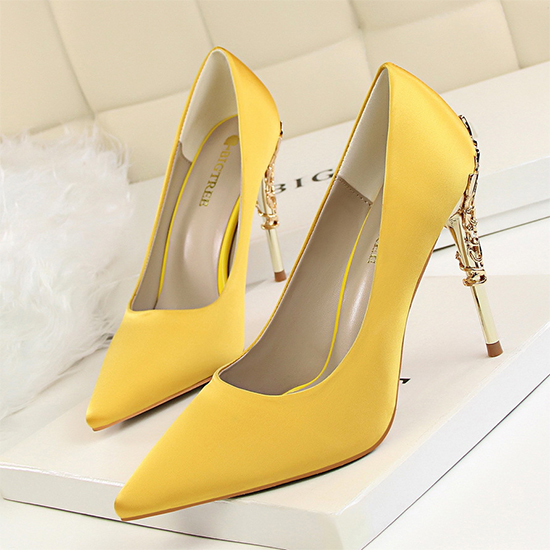


Shoe Factory Japan Winning in 2025 Your Trusted OEM Partner
Top Selling Products



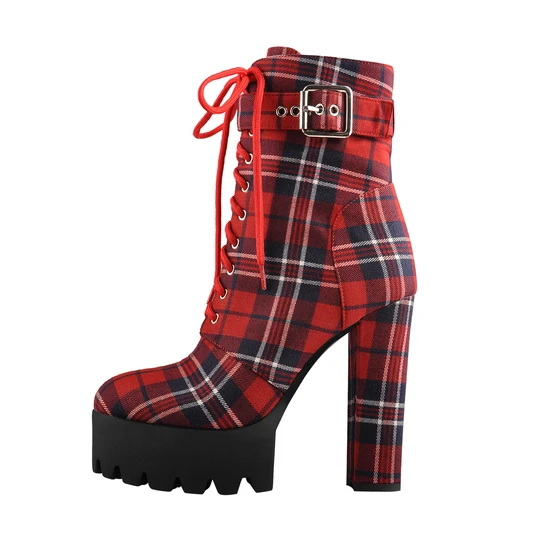
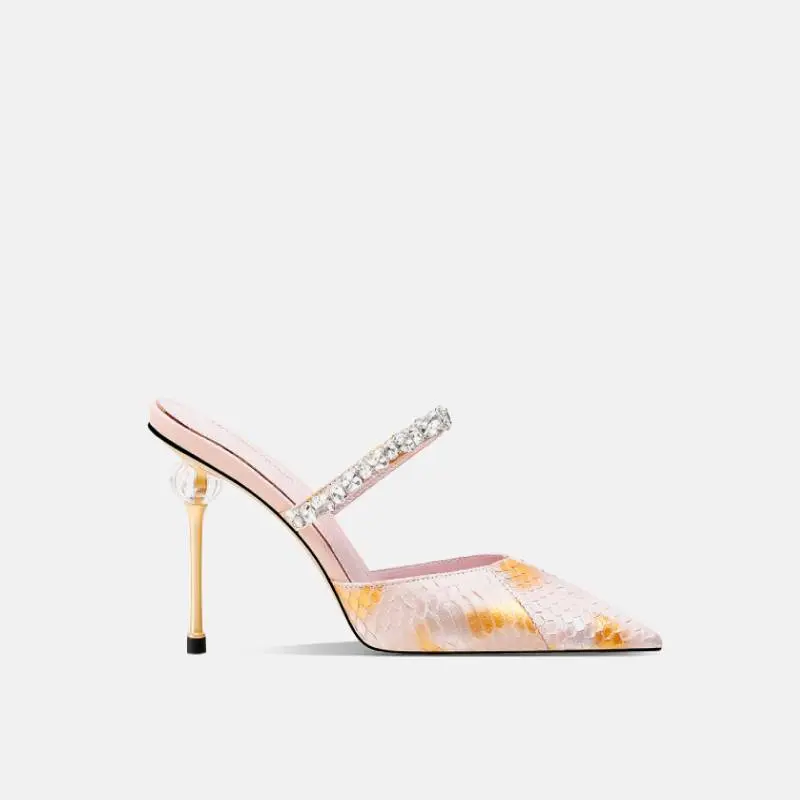
- Related Blog
- Reviews
- Reviews
