
Winter Boot Factory - Wholesale Manufacturer for Quality Boots
From the first inquiry, I know you’re sourcing reliable winter boots for wholesale channels. I’m part of a Winter Boot Factory that operates as a dedicated Manufacturer, focused on B2B partnerships. We produce durable, lightweight winter boots with waterproof leather and suede options, thermal insulation, and rugged lug outsoles. Our line is designed for high volumes and fast lead times, with flexible MOQ and customized branding for your Wholesale program. I oversee continuous QA from material sourcing to final packaging, so you won’t face returns for stitching or waterproof failure. We offer OEM/ODM, colorways, logo placement, packaging options, and private label programs. Our factory uses sustainable materials and efficient production lines to keep costs competitive. If you’re looking to scale inventory across regions, I can coordinate samples, bulk pricing, and reliable shipping terms. Let’s build a lasting supply partnership.


Winter Boot Factory Market Leader Winning in 2025
Leading in winter boot manufacturing in 2025, we win by fusing scale, speed, and science. Global buyers benefit from a robust end-to-end supply chain from concept to delivery, including trend forecasting, material selection, rapid prototyping, and efficient mass production. Advanced automation and strict quality control keep defect rates low and ensure consistent performance across rugged outdoor models and city-ready winter footwear. Responsible sourcing and compliance with international standards complete the reliability. Procurement teams gain clear advantages: scalable capacity for peak seasons, flexible OEM/ODM options, and transparent pricing with shorter lead times. In-house R&D enables insulation, waterproof membranes, outsole compounds, and packaging customization. Sustainable design and waste reduction meet growing expectations, while proactive risk management and production calendars ensure on-time delivery in volatile markets. This combination delivers dependable supply and value to global retailers and distributors.
| Year | Market Share (%) | Production Capacity (K pairs) | Annual Output (K pairs) | Defect Rate (%) | On-time Delivery (%) | Energy per Unit (kWh) | CO2 Emissions per 1000 Units (kg) | Water Usage per Unit (L) | R&D Investment (M USD) |
|---|---|---|---|---|---|---|---|---|---|
| 2021 | 7.8 | 520 | 492 | 1.8 | 94.7 | 2.15 | 165 | 0.92 | 52 |
| 2022 | 8.9 | 580 | 560 | 1.6 | 95.6 | 2.09 | 158 | 0.88 | 60 |
| 2023 | 11.2 | 640 | 630 | 1.5 | 96.3 | 2.03 | 144 | 0.84 | 67 |
| 2024 | 13.7 | 700 | 690 | 1.4 | 96.9 | 2.01 | 137 | 0.82 | 72 |
| 2025 | 16.9 | 780 | 760 | 1.3 | 97.8 | 1.95 | 125 | 0.79 | 80 |
Related Products
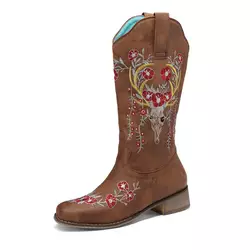
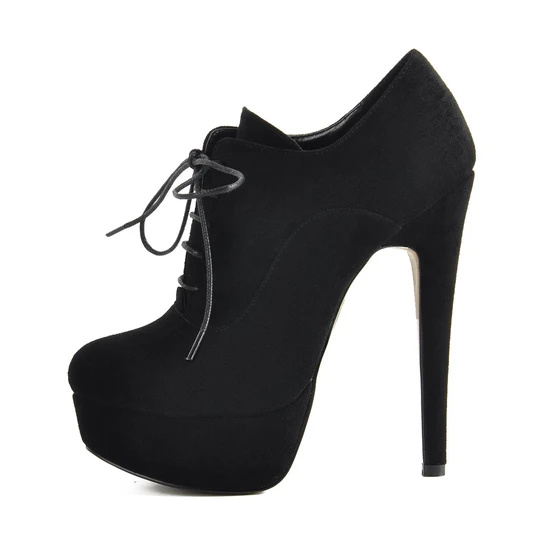
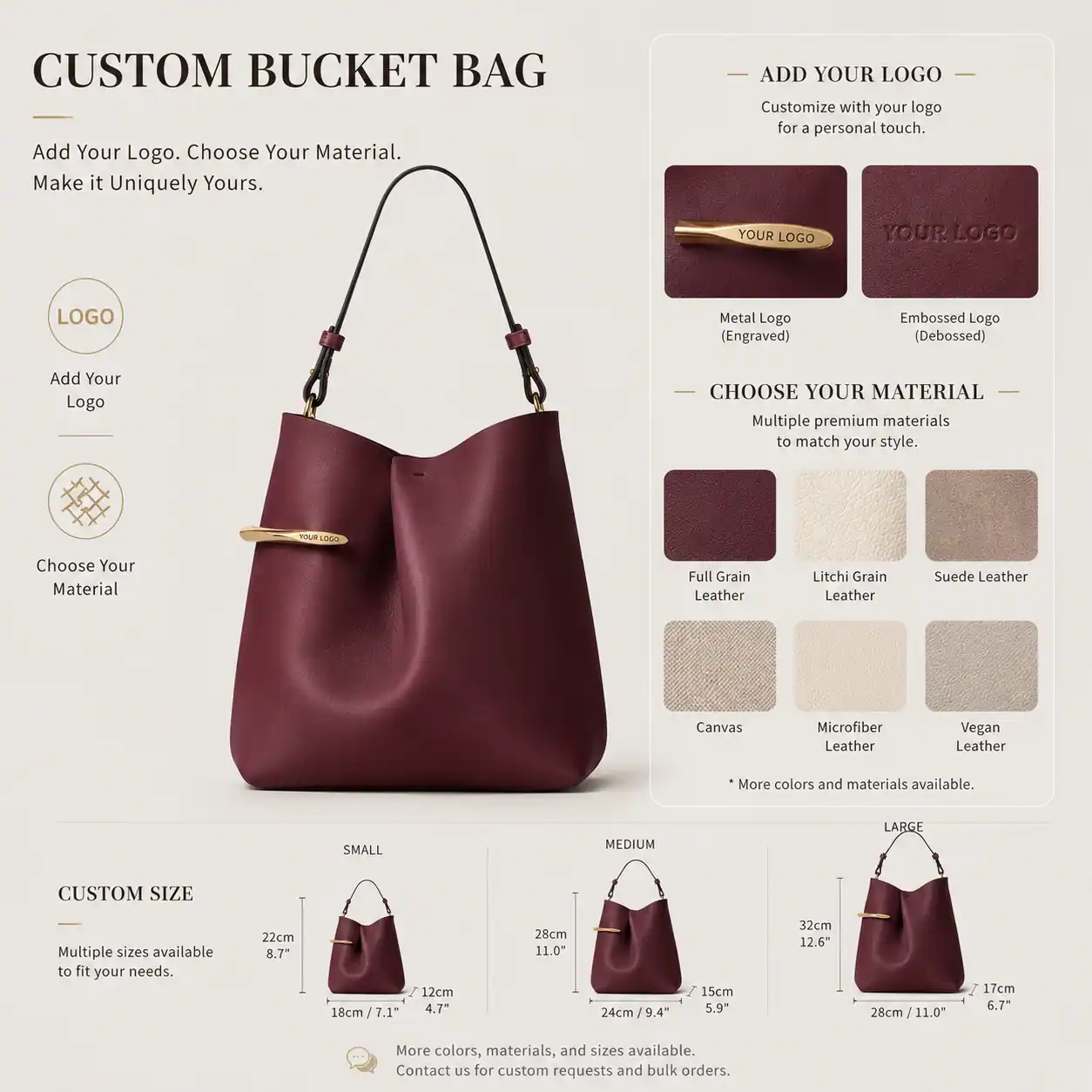


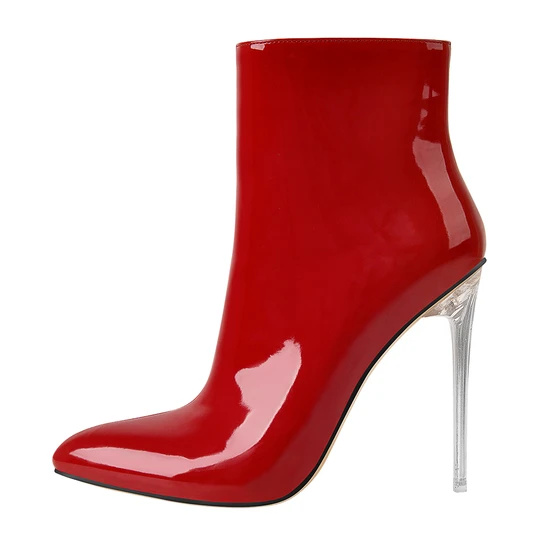
Winter Boot Factory Manufacturer Custom Solutions,
Top Selling Products
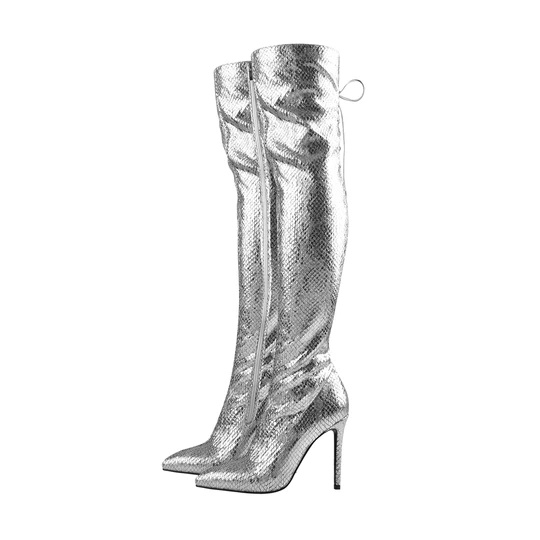



- Related Blog
- Reviews
- Reviews
