
Designer Women's Boots - Wholesale & Manufacturer
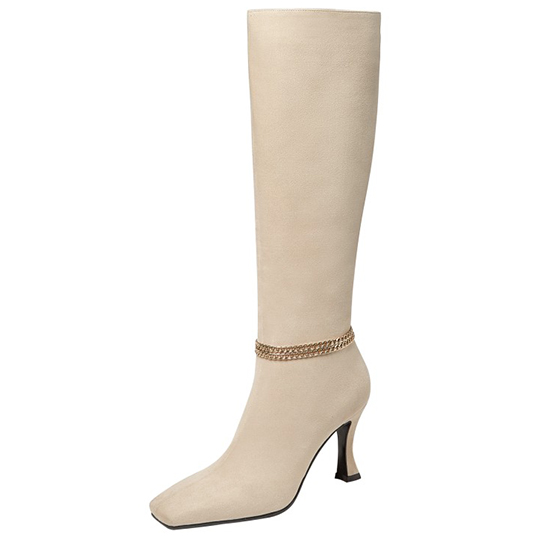
Bold, timeless, and built to travel from runway to retail shelves, Designer Women's Boots are my specialty. I’m a Wholesale Manufacturer who partners with retailers, boutiques, and online stores to deliver premium footwear with fast lead times. Every pair blends premium leathers, durable outsoles, and comfortable insoles with on-trend silhouettes. I offer flexible MOQs, colorways, and finishes to fit your assortment and seasonal demand. My production process emphasizes ethical sourcing, strict QC, and scalable capacity so you can stock confidently. As your Manufacturer, I handle private labeling, packaging customization, and timely shipping to optimize your margins. Whether you’re refreshing a boutique collection or stocking a growing e-commerce catalog, I provide reliable supply, competitive pricing, and responsive service. Let’s collaborate to transform customer demand into steady wholesale orders of Designer Women's Boots.


Designer Women's Boots Service Backed by Expertise From Concept to Delivery
Designing premium designer women’s boots starts with a strong concept and ends with delivery. This service blends trend-aware design with practical engineering to ensure comfort, fit, and durability while staying market-ready. From the initial brief through line planning and fit reviews, cross-disciplinary teams translate ideas into a clear, production-ready plan. Development proceeds through last creation, material selection, and multiple prototypes. In-house sample rooms accelerate cycles, while colorways and hardware are validated against standards. A detailed production plan, tooling, and quality controls guide the journey from first cut to finished product, with sustainable choices considered at every step. For global buyers, the benefit is a scalable, reliable supply chain balancing customized design with consistent quality and on-time delivery. Flexible minimums, clear communication across time zones, and transparent scheduling help you respond quickly to market changes. The result is a boots program you can trust to protect brand integrity while growing your global footprint.
| Service Component | Typical Deliverables | Materials & Sourcing Notes | Sustainability Indicators | Quality Standards | Sample Turnaround | Production Lead Time | Finishing Techniques | Size Range Coverage | Manufacturing Regions | Testing & Certifications | Delivery Reliability / Returns |
|---|---|---|---|---|---|---|---|---|---|---|---|
| Conceptual Design | Mood boards, silhouette sketches, colorways, initial tech notes | Material suggestions: full-grain and corrected-grain leathers, microfiber linings, recycled polyester textiles | Design-for-disassembly considered; target 25–40% recycled-content options | Design reviews with fit protocol and internal QC checklist | 7–10 calendar days for first digital concept set | N/A (pre-production) | Hand-skived edges, burnish dyes, water-resistant topcoats | EU 35–42 / US 5–11 typical coverage | Design centers in Western Europe and East Asia collaboration | Material traceability documentation; supplier declarations | -Fit refinement reduces downstream returns |
| Technical Development | Detailed tech packs, graded lasts, spec sheets, tolerances | Last profiles matched to material stretch; recommended thread and adhesive grades | Optimized material yield to reduce waste by ~12% vs. unoptimized layouts | Pattern control, dimensional tolerances ±3 mm | 5–8 business days for first physical prototype | N/A (phase supports later production) | Reinforced stitching, seam sealing, hidden gussets | Half sizes accommodated through inner sole adjustments | Technical input from mixed-cost regions (prototype hubs in East Asia) | ISO-style fit protocols; lab test plans defined | 92% OTIFAccurate specs lower returns due to fit |
| Material Sourcing | Approved material lists, supplier scorecards, sample swatches | Leather sourced from tanneries with environmental controls; textile trims from audited mills | Share of sustainably certified materials targeted at 40% per season | Incoming QA checks, mill certificates | Bulk sample confirmation: 10–14 days | Material lead 4–8 weeks depending on sourcing | Pre-treated water-repellant finishes, low-VOC coatings | Modular insoles available to cover half-size adjustments | Primary sourcing: Southern Europe, South-East Asia | OEKO-TEX standard for textile components; chemical management per regional law | 3.5% return rateMostly fit/comfort |
| Prototyping & Sampling | Proto shoes, wear trials, fit comments, pilot runs | Test combinations of leather types and lining systems for comfort and durability | Prototype reuse program; 60% of proto components repurposed or recycled internally | Physical wear test protocols and abrasion sampling | Physical sample revision: 5–12 days depending on complexity | Pilot batch: 2–4 weeks | Edge burnishing, hand-polished toes, decorative embossing | Children’s sizes excluded; adult runs standard EU 35–42 | Prototype workshops in urban hubs with skilled pattern-makers | Durability tests per consumer footwear norms; slip-resistance sampling | 94% sample acceptanceLower variance in fit after 2 rounds |
| Manufacturing & Production | Full production runs, line QC, packing protocols | Assembly uses PU and rubber outsole mixes; recommended adhesives with low emissions | Waste-to-energy recovery in partner facilities; target 18% reduction in waste-to-landfill | Inline QA: stitch density checks, sole adhesion pull tests | N/A (sampling completed earlier) | Typical 8–14 weeks from PO to finished goods (seasonal variation applies) | Varnish top coats, edge painting, metal hardware finishing with corrosion resistance | Full runs available in EU 35–42, extended runs upon request | Production spread across Southern Europe, Turkey, and selected East Asian lines | ISO 9001-style QA processes at site; chemical testing per regulation | OTIF 90–95%Continuous improvement targets |
| Quality Assurance | Final QC reports, defect rate analysis, corrective actions | Critical component checks: heel counter rigidity, outsole bond strength | End-of-line inspections capture recyclability data for packaging | Accept/reject criteria for visible defects, functionality checks | Spot sample checks daily during runs | Final release after QA sign-off within 3–5 working days | Hand inspection, buffing, final waterproofing where applicable | Stability tests across full size range to ensure consistent fit | QA teams co-located in manufacturing regions to speed response | Random batch testing; tensile, seam, and adhesion tests | Defect rate <2%Root-cause tracked monthly |
| Packaging & Logistics | Sustainable packaging mockups, label compliance, shipment POs | Recycled-content boxes, water-based inks, minimal plastic use | Packaging target: 85% recyclable by weight | Marking and labeling audits to meet importing-country rules | Pre-pack mock-up: 3–6 days | Transit planning: 2–6 weeks by chosen method | Anti-scratch tissue, dust bags with recycled fabric option | Size set packing to reduce returns from mis-shipments | Consolidation hubs in Northern Europe and Southeast Asia | Compliance with transport regulations; MSDS for chemical cargos | On-time delivery ~92%Expedited options available |
| After-Sales & Warranty Support | Warranty guidelines, repair kits, authorized service procedures | Repair parts defined per style; recommended adhesives and thread types | Repair-first policy to extend product life and reduce waste | Return inspection workflow and repair acceptance criteria | Repair turnaround typically 7–21 business days | N/A (post-delivery) | Authorized repair: sole replacement, reheeling, restitching | Repair guidance covers full size range produced | Regional repair partners and centralized coordination | Repair logs maintained; failure mode analysis for warranty claims | Return rate ~3.1%Primary causes: fit/comfort; repair-first reduces waste |
Related Products


Designer Women's Boots For the Current Year Winning in 2025
Top Selling Products



- Related Blog
- Reviews
- Reviews
