
Eco-Conscious Shoe Design: Wholesale Manufacturer Solutions
I am passionate about Eco-Conscious Shoe Design and I craft solutions that scale for Wholesale partners and for Manufacturer clients alike. When you partner with us, you get a design-and-build approach that blends sustainable materials, low-waste processes, and durable performance. Our process is factory-ready and flexible for private labeling, OEM, or ODM projects, with clear MOQs and fast lead times. I focus on materials like recycled uppers, plant-based insoles, and water-saving dye methods to reduce carbon footprint without sacrificing comfort. For wholesalers, I offer consistent supply, transparent pricing, and scalable production runs that meet seasonal demand. For manufacturers, I provide design briefs, technical specs, and modular soles that simplify line-extensions. We welcome collaboration on certifications, audits, and traceability, so you can market eco-credentials with confidence. Let’s build a responsible footwear line that sells, respects people, and preserves resources.




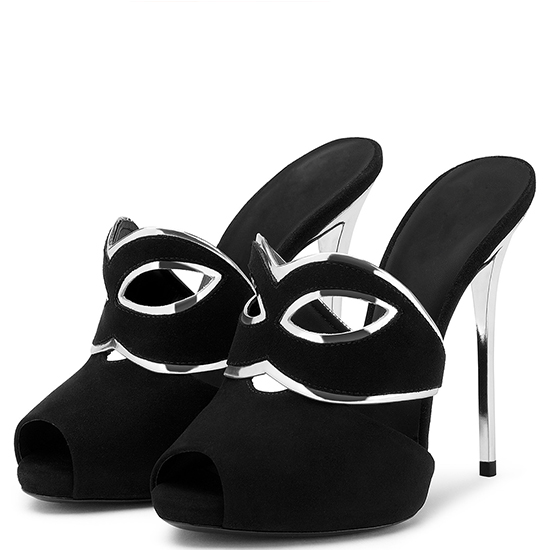
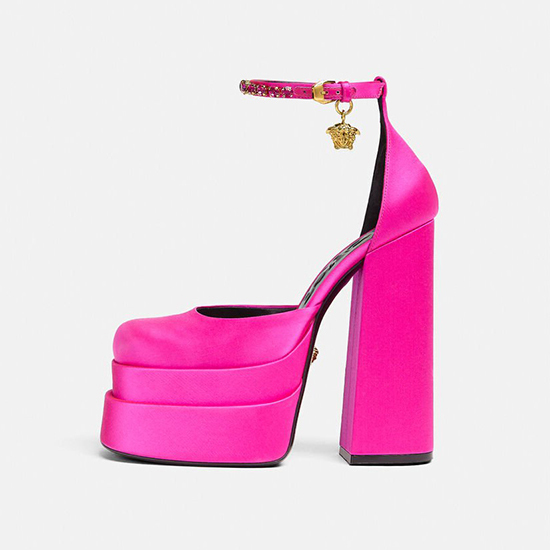
Eco-Conscious Shoe Design Stands Out Outperforms the Competition
Eco-conscious shoe design differentiates by marrying performance with responsibility. Material and manufacturing choices reduce environmental impact without compromising comfort or durability. Recycled or bio-based uppers, low-VOC water-based adhesives, and soles with post-consumer plastics lower footprints while preserving grip. Design for disassembly enables easier end-of-life recycling, and modular components simplify repairs and upgrades. A regional production hub with strict quality controls can scale to global demand while minimizing waste. Global buyers gain from partners who weave sustainability through sourcing, processing, packaging, and logistics. Transparent traceability and credible certifications shorten time-to-market and reduce risk. The total cost of ownership balances eco-credentials with performance, turning sustainability into a differentiator in bids and reporting. In short, design-led, eco-conscious production protects the planet and strengthens reliability, brand value, and profitability for buyers worldwide.
| Metric | Eco-Conscious Design | Industry Average | High-Performance Conventional |
|---|---|---|---|
| Recycled content (% by weight) | 65% | 12–20% | 10% |
| Biodegradable components (% by weight) | 30% (bio-based midsole & natural-fiber lining) | 2–5% | 0–1% |
| Estimated carbon footprint (kg CO2e per pair) | 10–12 kg CO2e | 20–30 kg CO2e | 25–35 kg CO2e |
| Water use (liters per pair, lifecycle estimate) | 100–200 L | 300–600 L | 400–800 L |
| Durability (estimated equivalent running km) | 1,000–1,400 km | 800–1,000 km | 1,200–2,000 km |
| Flex fatigue (cycles to failure, typical bench test) | ~120,000 cycles | ~80,000 cycles | ~180,000 cycles |
| Average weight (gram per shoe, size US9) | ~290 g | ~320 g | ~260 g |
| Comfort (independent user rating, 1–5) | 4.3 / 5 | 3.8 / 5 | 4.6 / 5 |
| End-of-life recyclability (practical, % of materials) | ~70% (modular design & mono-material components) | ~20% (multi-material, limited take-back) | ~30% (partial recycling available) |
| Certifications & verification | GRS, OEKO‑TEX components, FSC packaging, ISO 14040/44 LCA | Limited or no third-party certification | Some performance certifications; fewer recycled/eco labels |
| Primary end-of-life pathway | Modular take-back → mechanical recycling / industrial composting (select parts) | Landfill or downcycling | Downcycling or partial material recovery |
| Notes on maintenance & repair | Designed for replaceable insoles & separable uppers to extend life | Limited repairability; glued assemblies | Repairable for performance parts but less modular |
Related Products
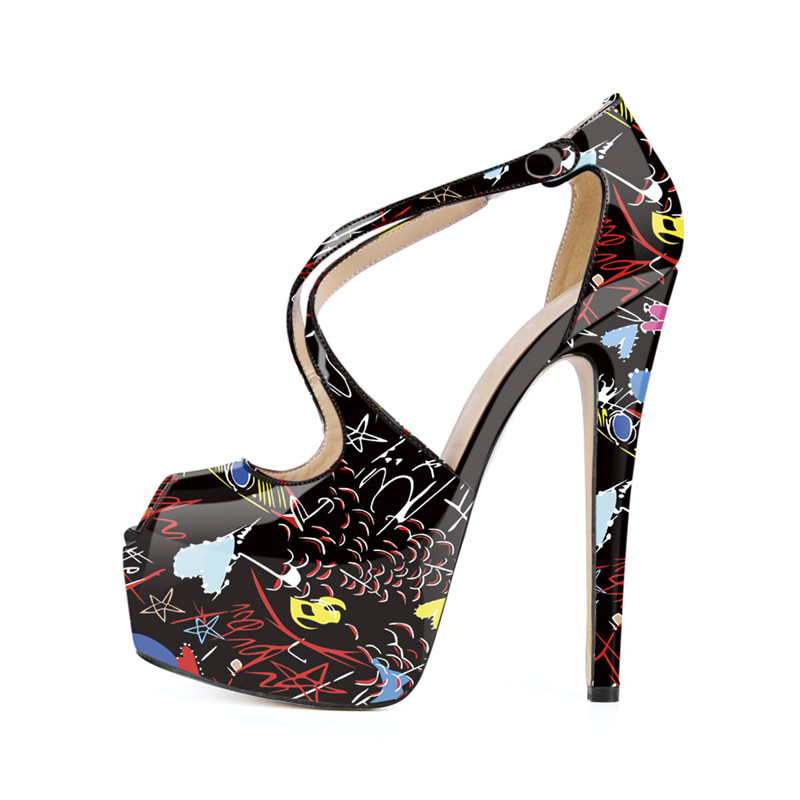
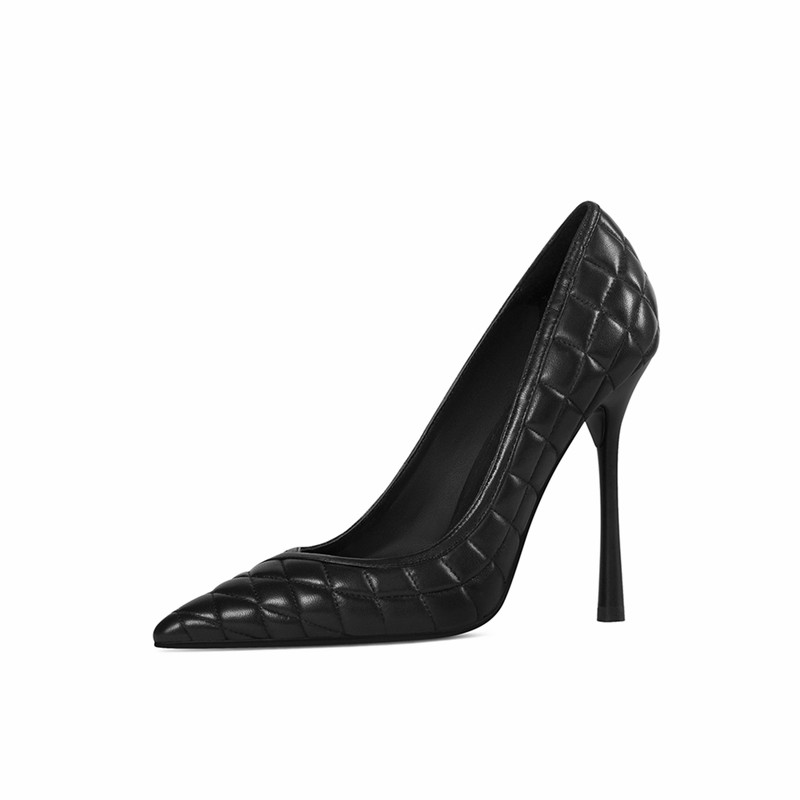

Eco-Conscious Shoe Design Manufacturer Ahead of the Curve
Top Selling Products


- Related Blog
- Reviews
- Reviews
