
Oem For Shoes: Wholesale Manufacturer Solutions for Brands
From my desk, I coordinate every step as an OEM for Shoes, tailoring production to meet the exact needs of Wholesale buyers and Manufacturers. I offer end-to-end support—from concept and mold creation to sampling, material selection, and final mass production. Our factories produce durable athletic and casual shoe uppers, midsoles, and outsoles using top-grade leather, synthetic, and recycled materials. We provide quick lead times, scalable MOQ options, and flexible packaging to fit your distribution channel. As an OEM for Shoes, I understand the importance of consistent quality; we implement rigorous QC at every stage and provide traceability, color-matching, and size grading. Co-design programs let you own the brand feel, from insoles to branding patches, with minimal risk. Let's discuss your specs, branding, and regulatory needs, and I’ll propose a cost-effective, low-risk MOQ plan. Partner with me for reliable, compliant production—your Wholesale channel will thank you.


Oem For Shoes Factory For the Current Year
Global buyers seeking a reliable footwear OEM partner this year need a factory that blends design flexibility with scalable production. A modern shoe OEM can manage the full development cycle—from concept and prototyping to tooling, cutting, stitching, and finishing—while supporting a wide material range (leather, textiles, knit, and sustainable options). Rapid sampling, design-for-manufacturability, and short lead times help brands test concepts quickly without sacrificing quality or consistency. Key advantages include strict quality control across batches, transparent pricing with clear cost drivers, and compliance with global standards. Many OEM partners offer end-to-end services: private labeling, packaging optimization, MOQ flexibility, and adaptive production lines for seasonal demand. With dedicated project managers, multilingual support, and robust QA, global buyers gain reliable delivery, traceability, and sustainability options that meet evolving consumer expectations.
| Dimension | Unit | Value |
|---|---|---|
| Factory Annual Output | pairs/year | 1,200,000 |
| Monthly Production Capacity | pairs/month | 100,000 |
| Average Production Lead Time | days | 28 |
| Number of Production Lines | lines | 14 |
| Total Workforce | employees | 2,600 |
| On-time Delivery Rate | % | 95.8 |
| Defect Rate | % | 1.9 |
| Energy Consumption | MWh/year | 12,500 |
| Average Order Size | pairs | 8,750 |
| CNC Machining Stations | stations | 28 |
| Material Share - Leather | % | 30 |
| Material Share - Synthetic | % | 40 |
| Material Share - Fabric | % | 20 |
| Material Share - Other | % | 10 |
| Certifications | standards | ISO 9001, ISO 14001, BSCI |
| MOQ for OEM Projects | pairs | 500 |
| Warranty Claim Rate | % | 0.3 |
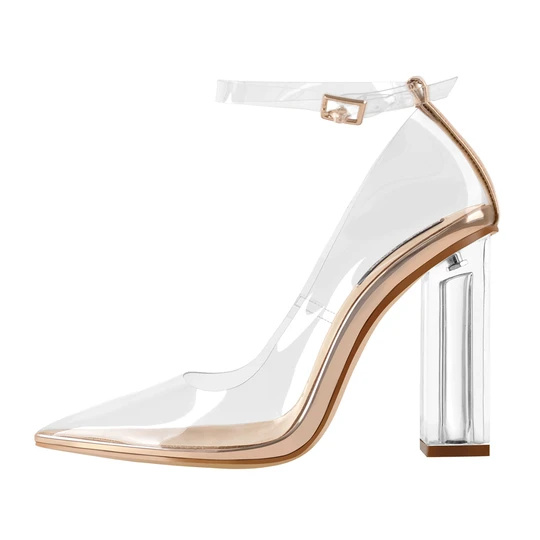
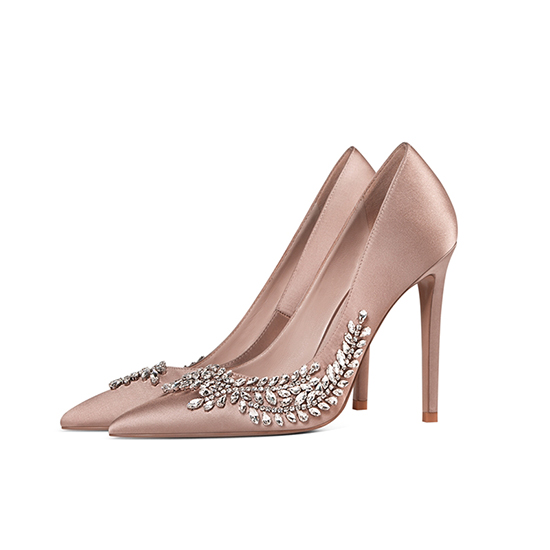
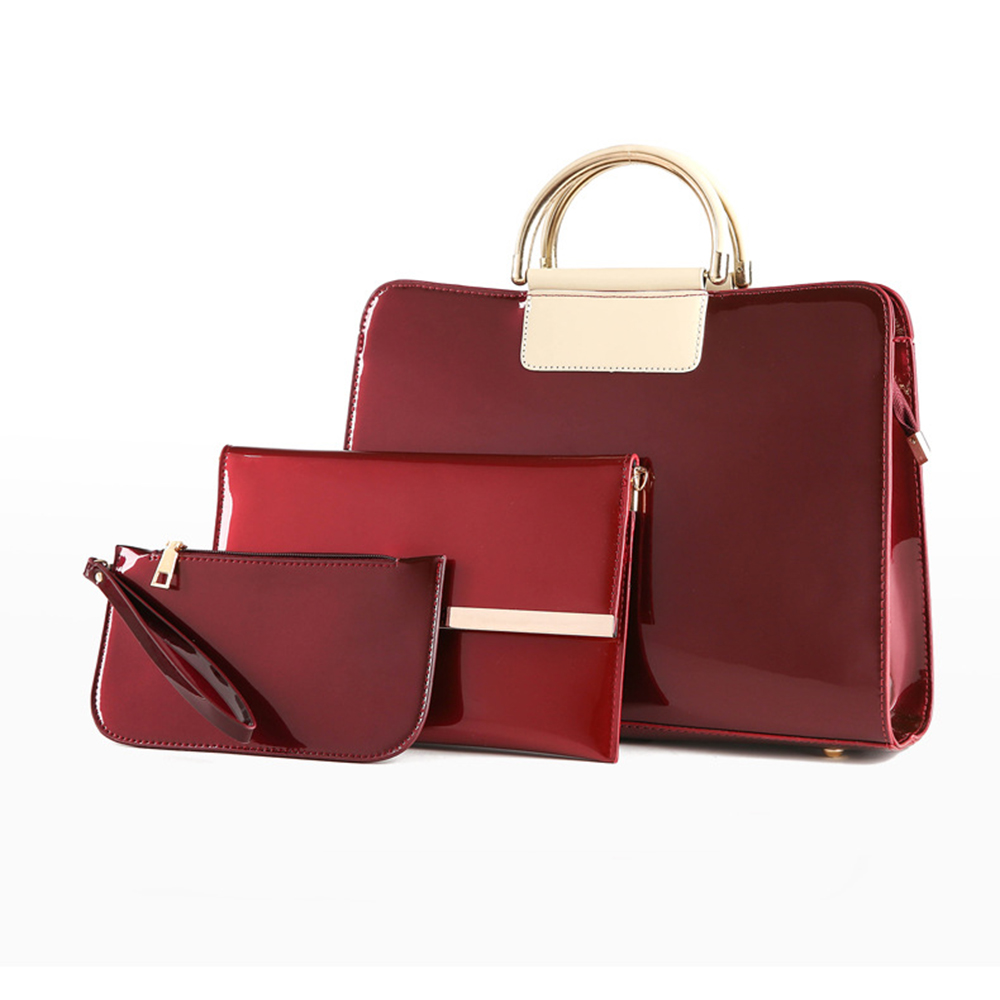
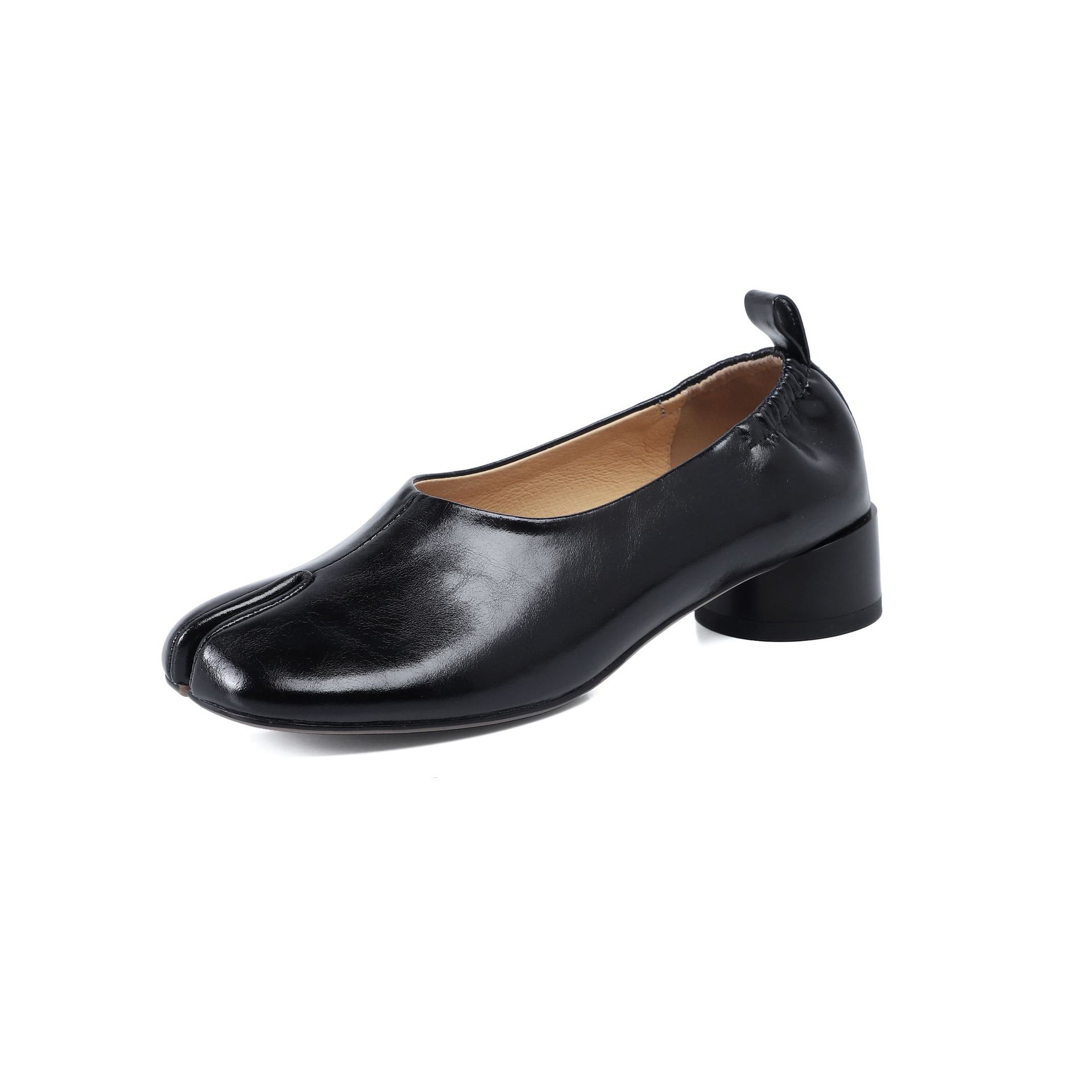
Related Products
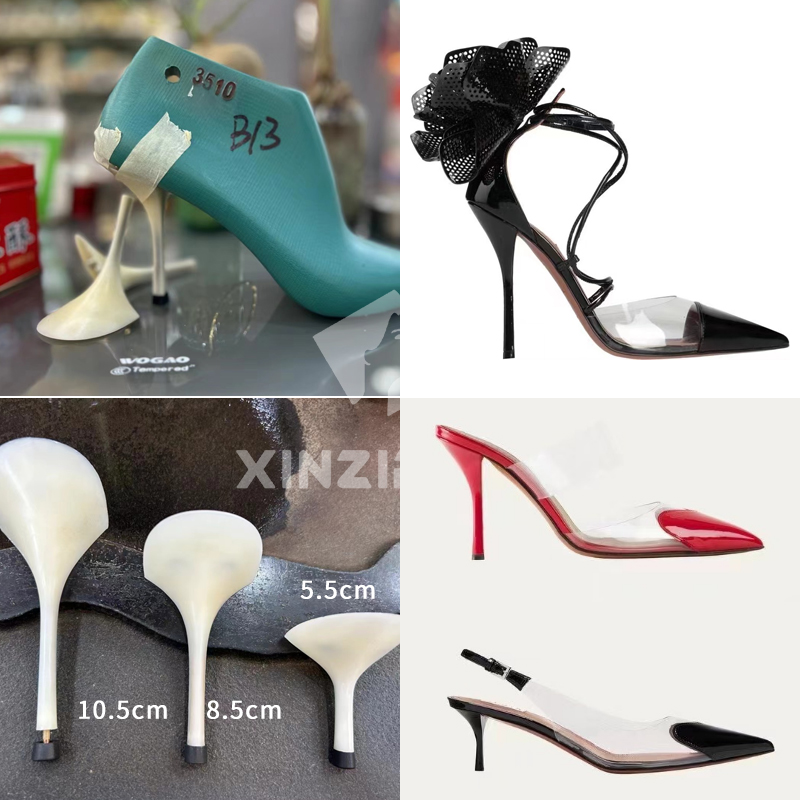
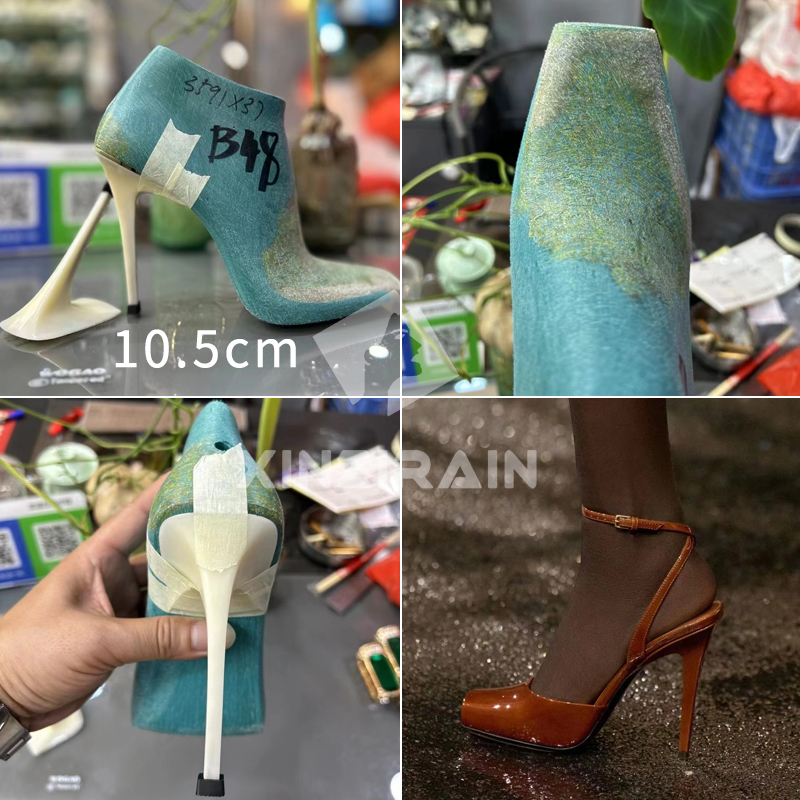
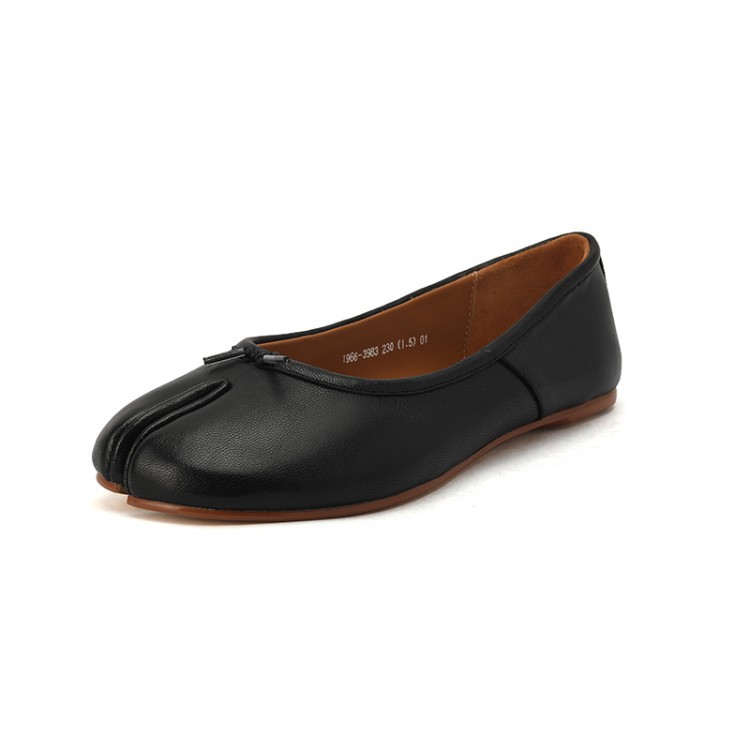
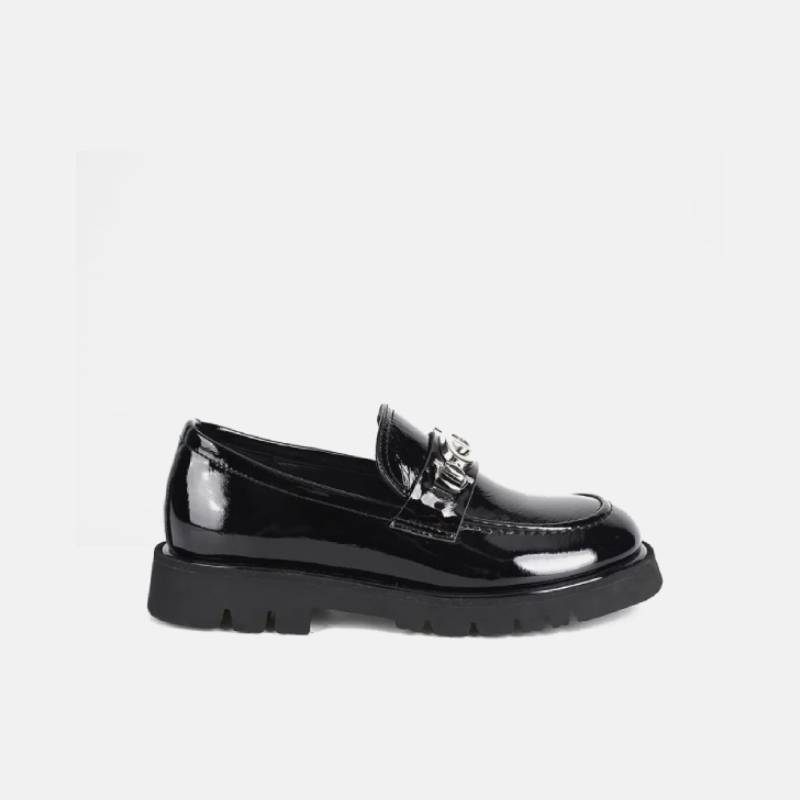
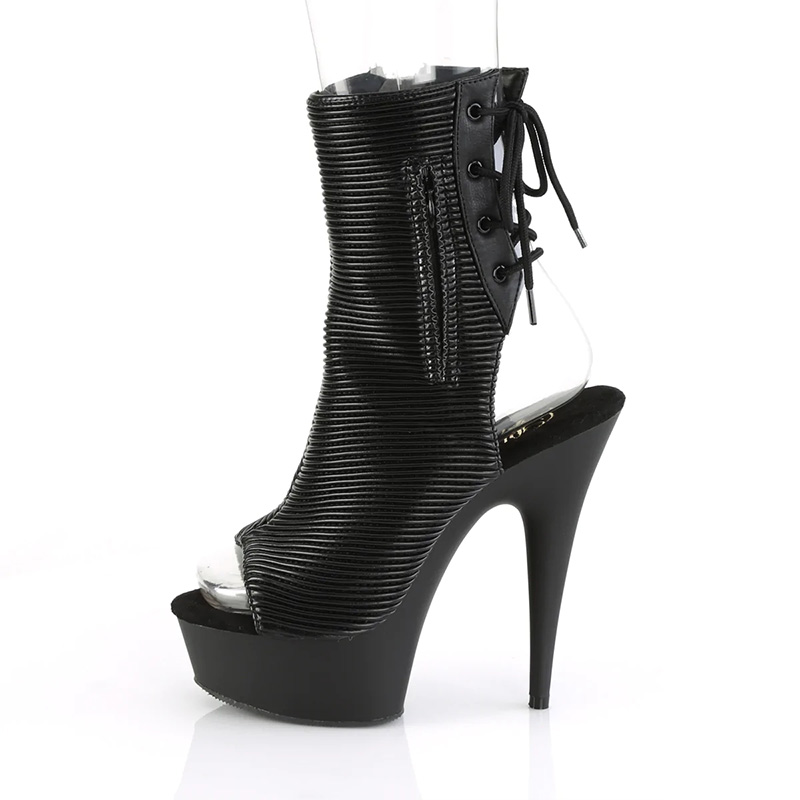
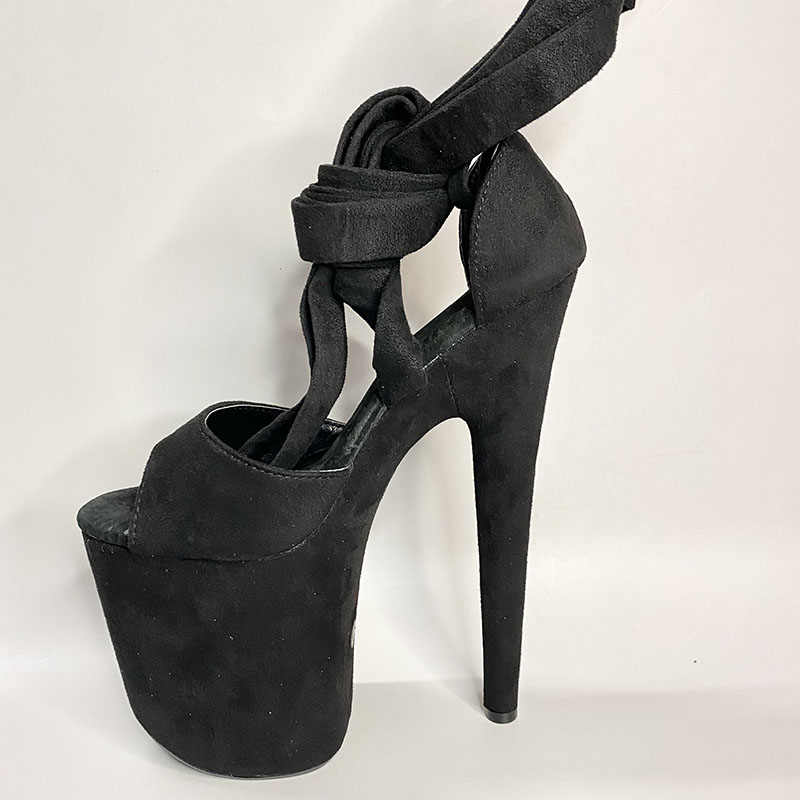
Oem For Shoes Products Exceeds Industry Benchmarks
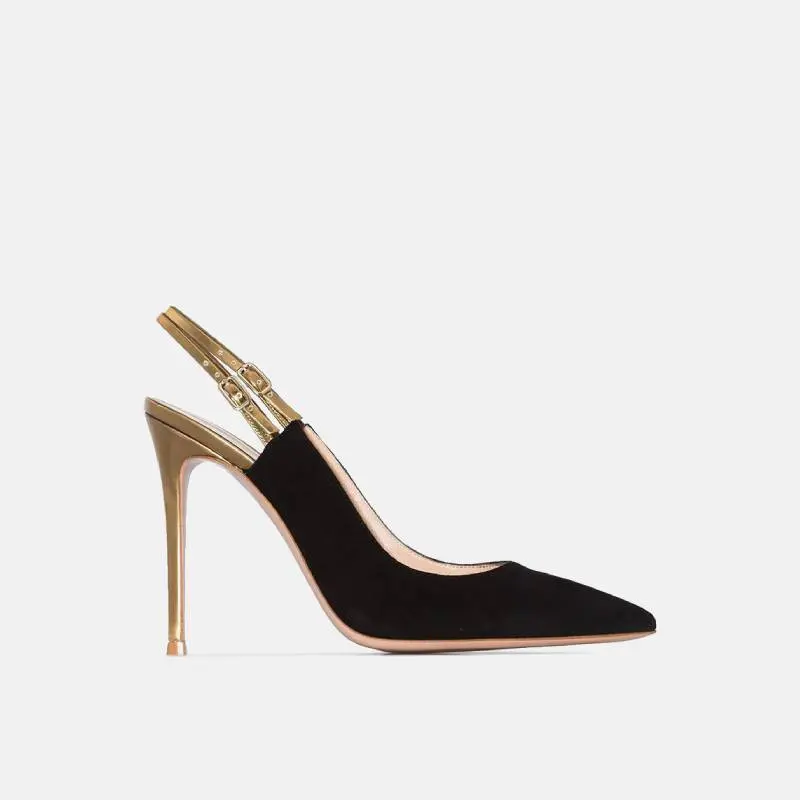
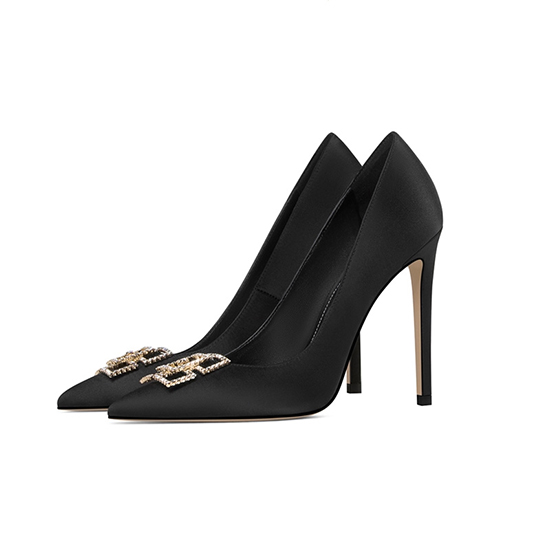
Top Selling Products






- Related Blog
- Reviews
- Reviews
