
High Heel Loafers Wholesale Manufacturer | Fashion Footwear
From my workshop I bring you the latest in durable, stylish footwear: {high heel loafers} designed for fashion-forward retailers who value consistent supply and strong margins. I'm a Manufacturer who controls every step—from premium uppers to cushioned linings, sturdy heel, and slip-resistant outsole. For Wholesale partners, I offer attractive MOQs, scalable production, and rapid turnarounds. You can customize colors, finishes, and branding to fit your collection, with reliable certification and ethical sourcing. My QA process ensures size consistency across batches, so your inventory stays uniform on shelves and in online catalogues. You’ll benefit from competitive pricing, sample terms, and direct access to factory support. Partner with me to deliver elegant, comfortable high heel loafers that retailers can confidently stock and buyers will return for.


high heel loafers Market Leader Your End-to-End Solution
In today’s footwear market, high heel loafers are a global staple for retailers and buyers alike. An end-to-end solution provider covers concept to delivery, helping you scale quickly and reduce risk. Buyers value durable comfort, versatile styles, and consistent color and fit across markets. A market-leading partner streamlines sampling, material sourcing, and finished-goods production in one seamless workflow. From design and prototyping to mass production, the integrated approach aligns product specs with material supply, tooling, and factory capacity. Strict quality control at every stage ensures uniformity and compliance with international standards. Flexible MOQs, short lead times, and transparent project tracking make planning predictable, even for multi-region launches. Global buyers gain confidence with reliable packaging, safe logistics, and end-to-end visibility from factory to doorstep. Post-sales support, design iterations, and continuous improvement programs help collections stay fresh and margins healthy. This is how you stay competitive in a fast-evolving market for high heel loafers.
{ high heel loafers Market Leader Your End-to-End Solution}
| Region | Segment | Market Share (%) | CAGR (2023-2028 %) | Primary Distribution Channel | Customer Satisfaction |
|---|---|---|---|---|---|
| North America | Premium Casual - Women 25-44 | 26.5 | 5.2 | Online Retail | 4.4 |
| Europe | Fashion-forward - Women 28-48 | 23.4 | 4.8 | Online & Specialty Stores | 4.2 |
| Asia-Pacific | Mass Market - Women 18-40 | 34.8 | 7.1 | Online Retail | 4.6 |
| Latin America | Value-focused - Women 20-50 | 6.9 | 6.3 | Wholesale | 4.1 |
| Middle East & Africa | Luxury-leaning - Women 25-50 | 4.2 | 5.9 | Direct-to-Consumer (DTC) | 4.0 |
| Rest of World | Multi-channel - Unisex 18-54 | 4.2 | 4.5 | Online Retail | 4.3 |
Related Products


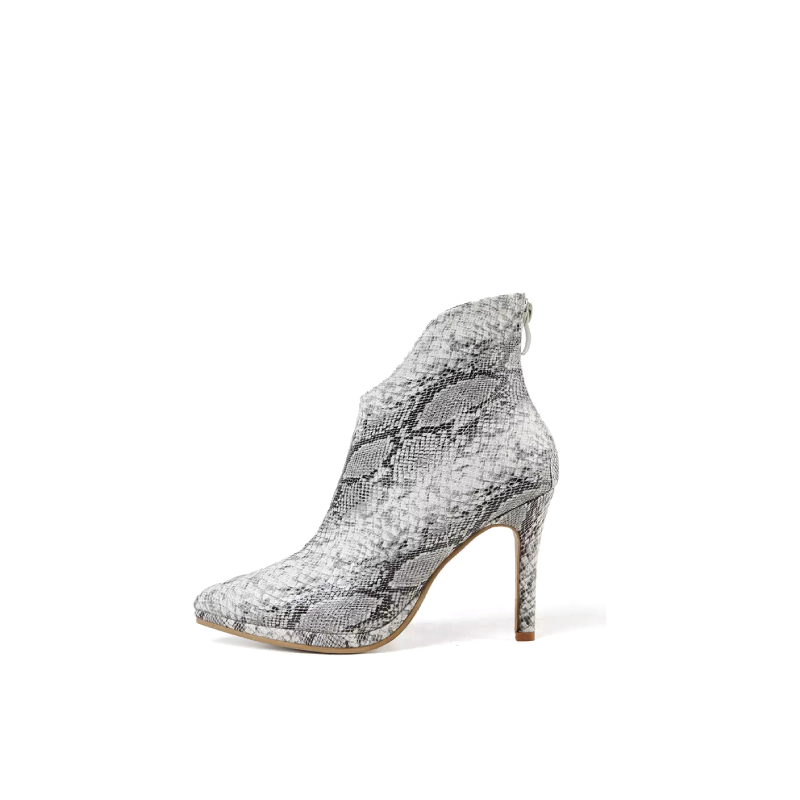
high heel loafers More Than a Supplier - A Partner Service Backed by Expertise
Top Selling Products
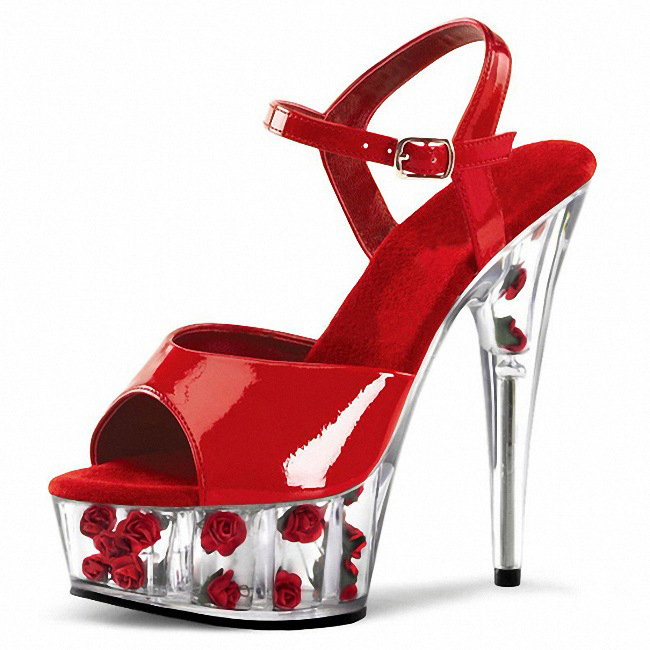
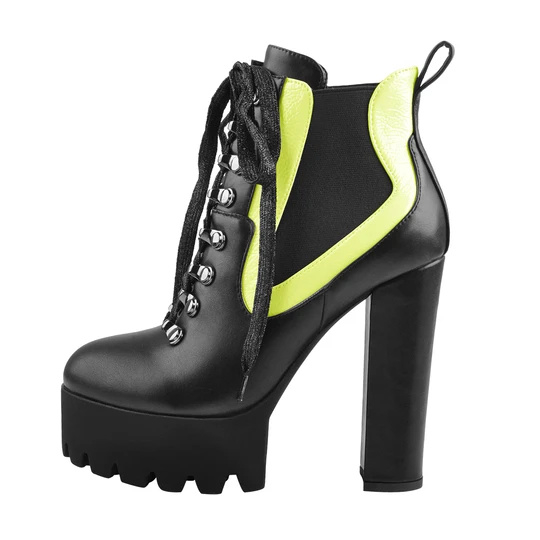
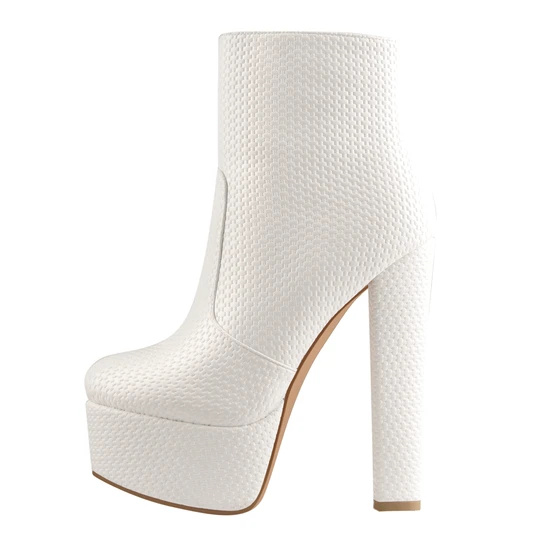



- Related Blog
- Reviews
- Reviews
