
Low Heel Sandals Wholesale Manufacturer | Quality Fashion Footwear
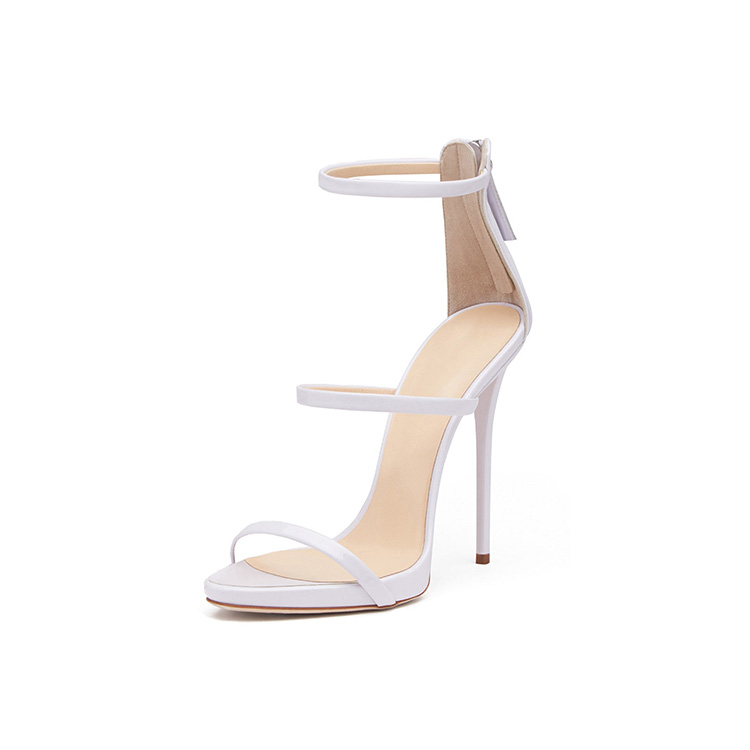
I’m a manufacturer of Low Heel Sandals, offering direct access to Wholesale pricing for retailers and distributors. I design and produce in-house, so you won’t get stuck with middlemen or hidden costs. We blend comfort with modern style—premium uppers, cushioned footbeds, dependable straps, and grippy outsoles—crafted to endure daily wear. As a Manufacturer, I can customize colors, materials, and packaging to fit your brand, with flexible MOQs and fast lead times. You’ll enjoy consistent quality control, stable supply, and responsive service from order to delivery. Our Low Heel Sandals are built to boost sales in your store, pair well with seasonal lines, and appeal to fashion-conscious customers who still value comfort. If you’re seeking reliable stock with transparent pricing and real partner support, I’m here to help you scale your wholesale business with confidence.
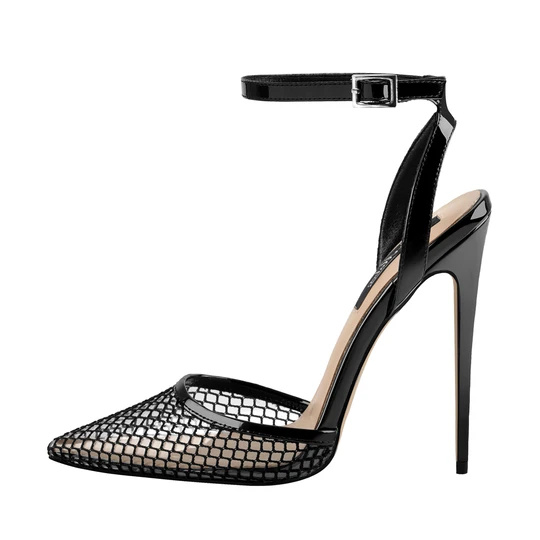
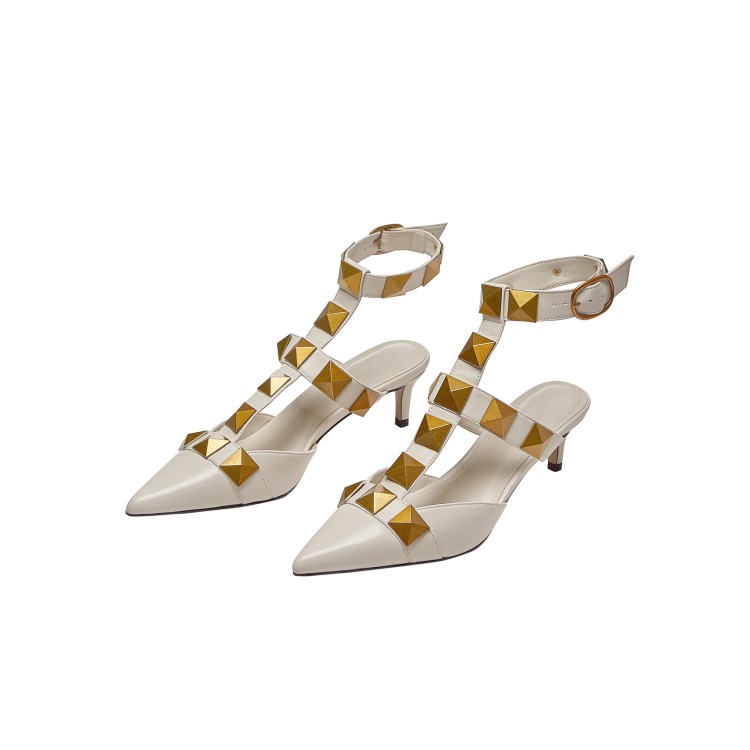
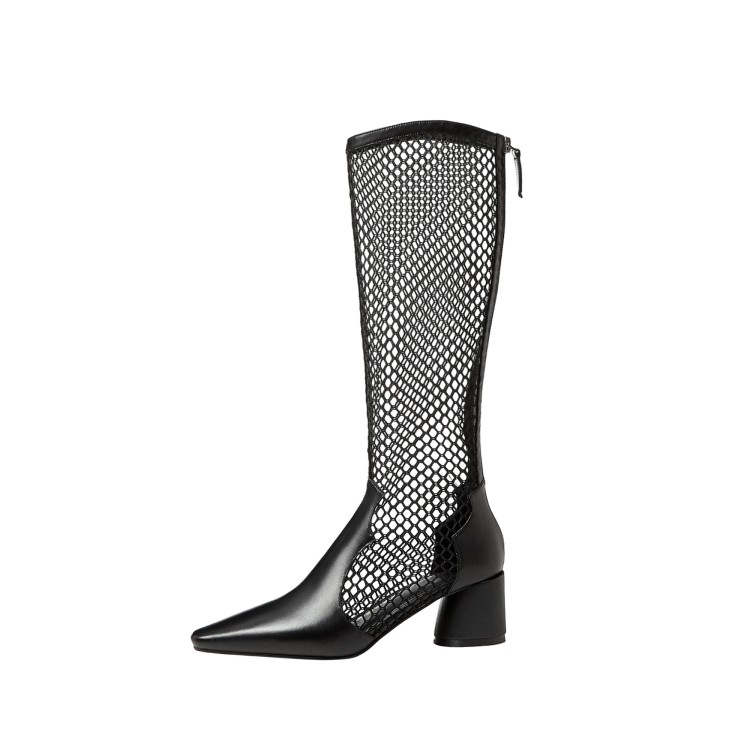


Low Heel Sandals Factory More Than a Supplier - A Partner
A low heel sandals factory is more than a supplier—it's a partner who shares your goals for quality, consistency, and speed to market. Global buyers seek reliability across seasons, not just products. From concept to samples and mass production, we offer flexible tooling, material sourcing, and finish options, backed by rigorous inline quality control to catch issues early and keep defect rates low. With scalable production, transparent lead times, and proactive communication, we align operations with your procurement cadence. Our capabilities include multiple heel heights, strap configurations, colors, and packaging, along with compliant sourcing and full traceability. By integrating design, manufacturing, and logistics, we reduce risk, shorten lead times, and build a lasting partnership that grows with your business.
{ Low Heel Sandals Factory More Than a Supplier - A Partner}
| Location | Establishment Year | Annual Capacity (thousand pairs/year) | Main Materials | Certifications | Export Markets | Design Capabilities | Lead Time for Custom Orders (days) | Quality Score | Sustainability Initiatives |
|---|---|---|---|---|---|---|---|---|---|
| Guangdong Province, China | 2009 | 1200 | Synthetic leather, PU foam | ISO 9001, ISO 14001 | North America, Europe, Asia | High | 18 | 4.6 | Waste minimization, water recycling |
| Zhejiang, China | 2012 | 950 | Microfiber leather, EVA | ISO 9001, BSCI | Europe, Middle East | Medium | 14 | 4.3 | Solar power, packaging reuse |
| Ho Chi Minh City Region, Vietnam | 2010 | 600 | Faux suede, TPU sole | ISO 9001 | North America, Southeast Asia | High | 21 | 4.5 | Water-based adhesives, energy efficiency |
| Jakarta, Indonesia | 2015 | 450 | Natural rubber sole, canvas fabric | ISO 9001, SA8000 | Asia, Oceania | Medium | 16 | 4.2 | Local materials, reduce emissions |
| Casablanca Region, Morocco | 2016 | 350 | Leather, cork footbed | ISO 9001, REACH | Europe, Africa | Low | 20 | 4.1 | Leather waste reduction, dye control |
| Tiruppur, India | 2007 | 800 | Faux leather, EVA | ISO 9001, BSCI, SEDEX | Global | High | 17 | 4.7 | Water recycling, energy-saving manufacturing |
Related Products

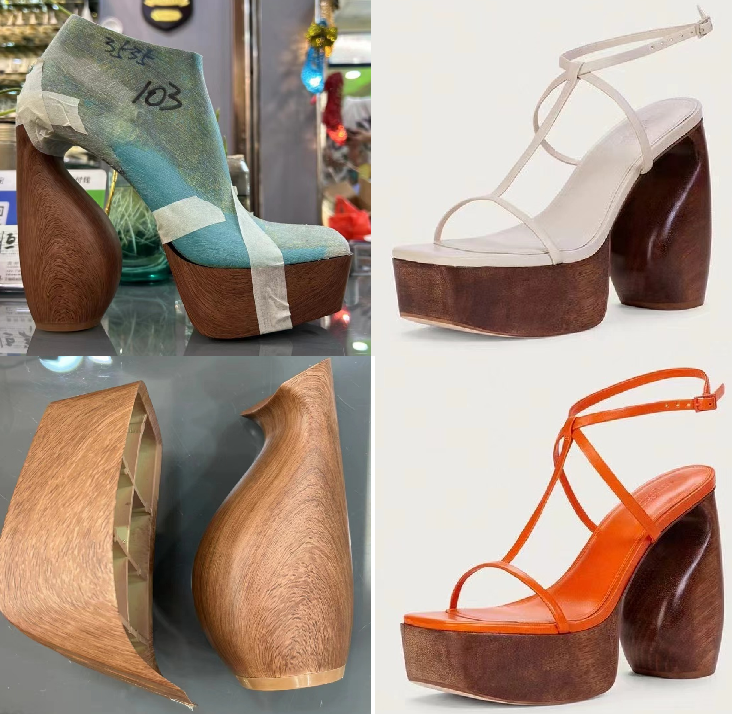
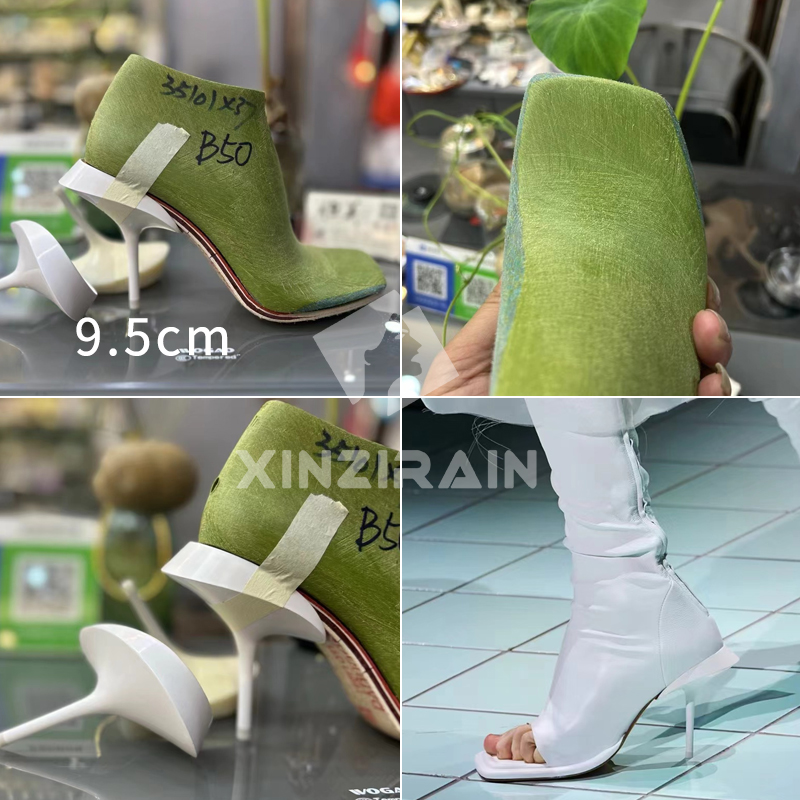
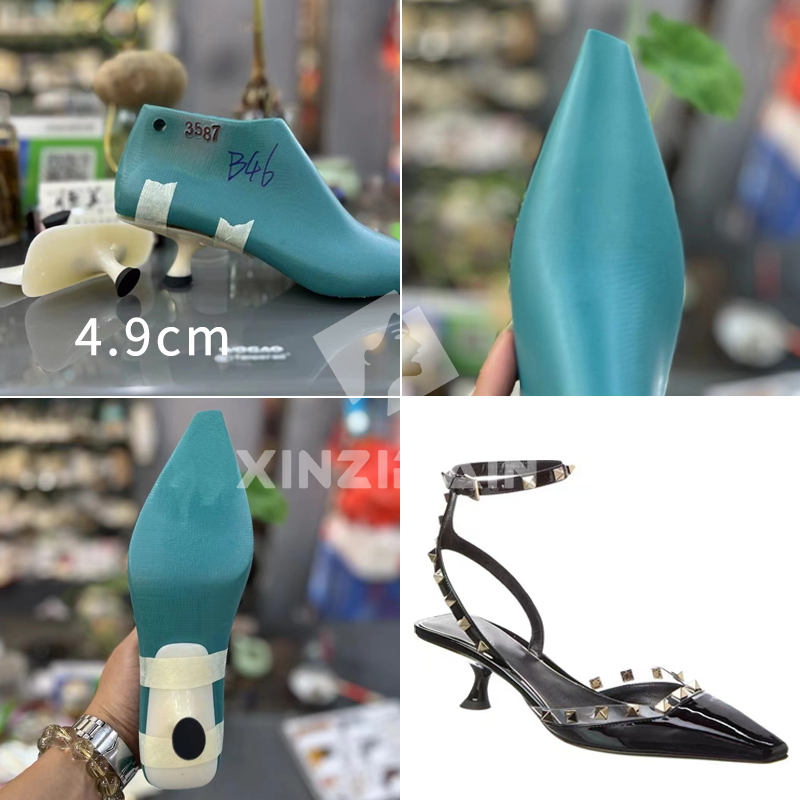
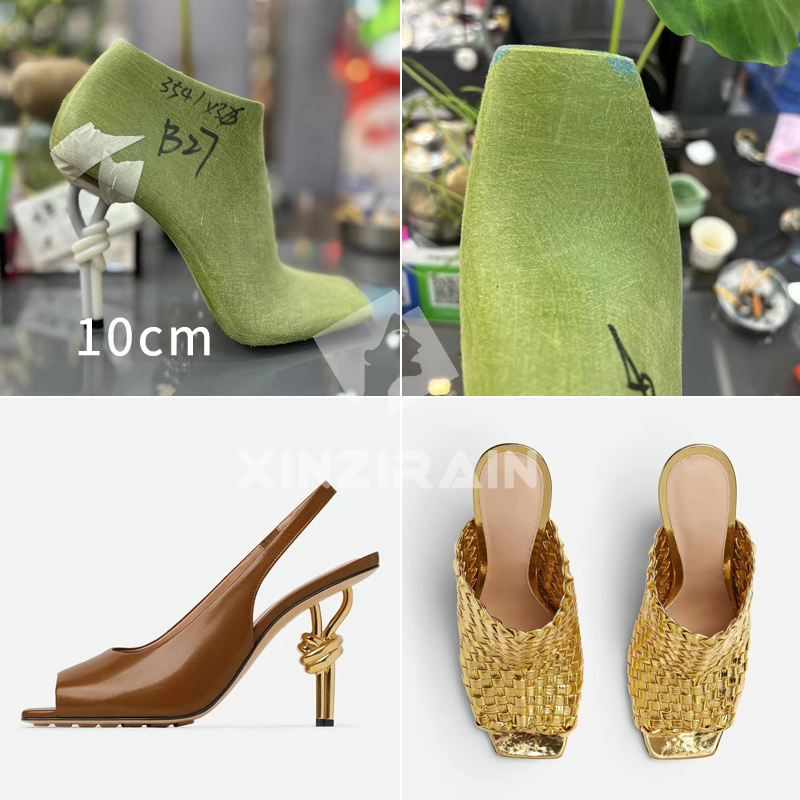
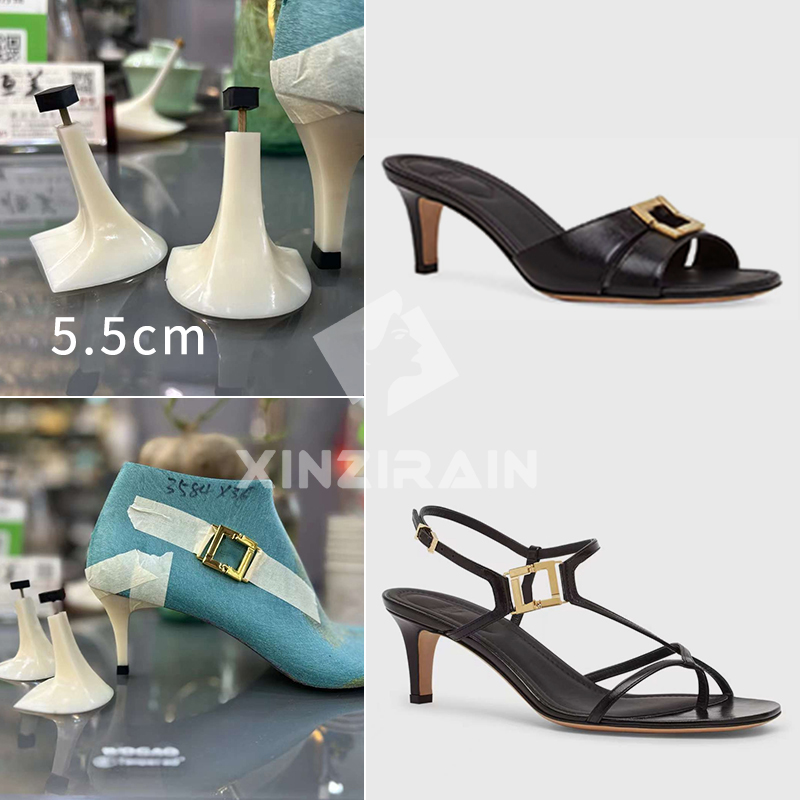
Low Heel Sandals Stands Out Supplies the World\u2019s Top Brands
Top Selling Products

- Related Blog
- Reviews
- Reviews
