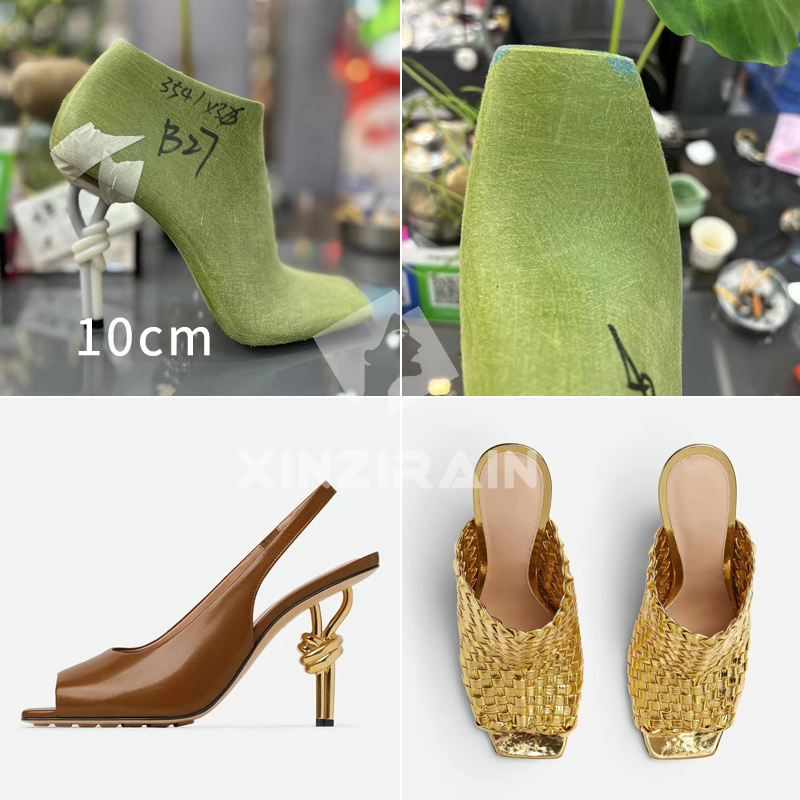
Private label shoes and bags factory - XINGZIRAIN

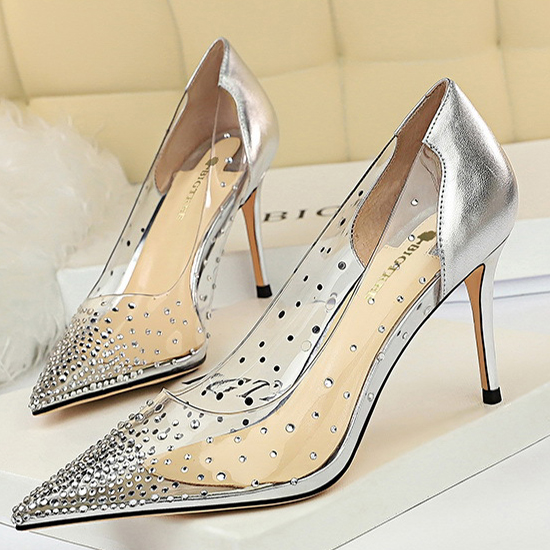
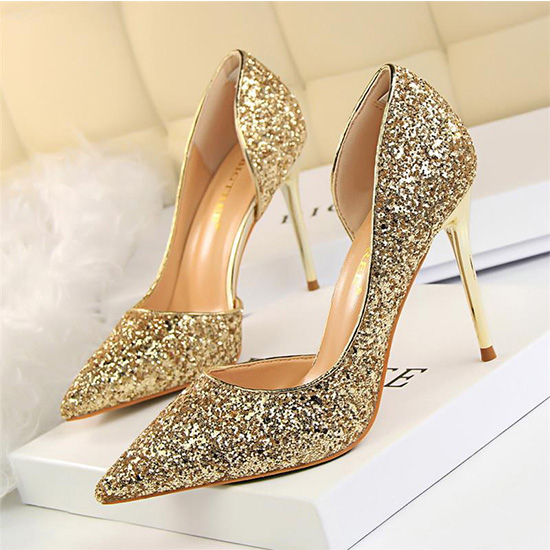
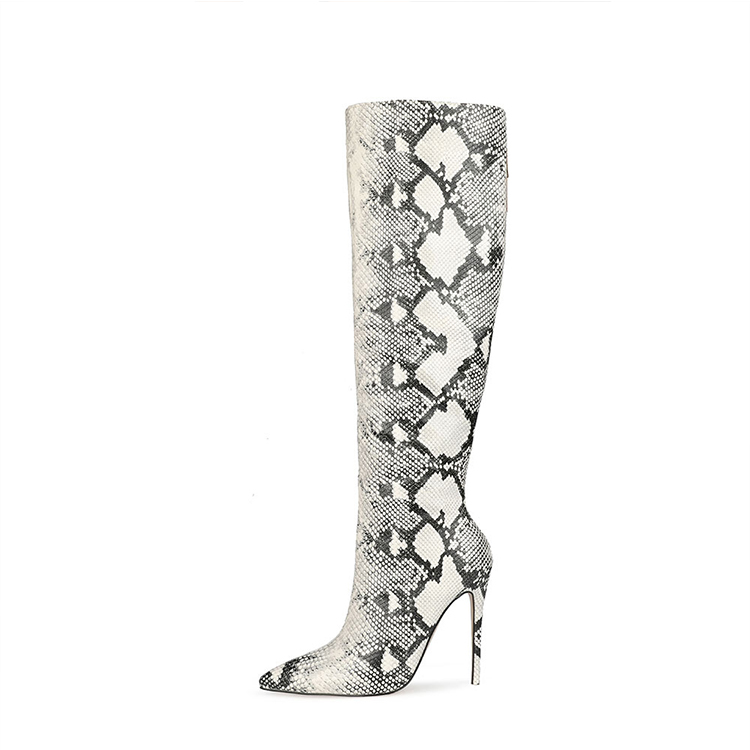
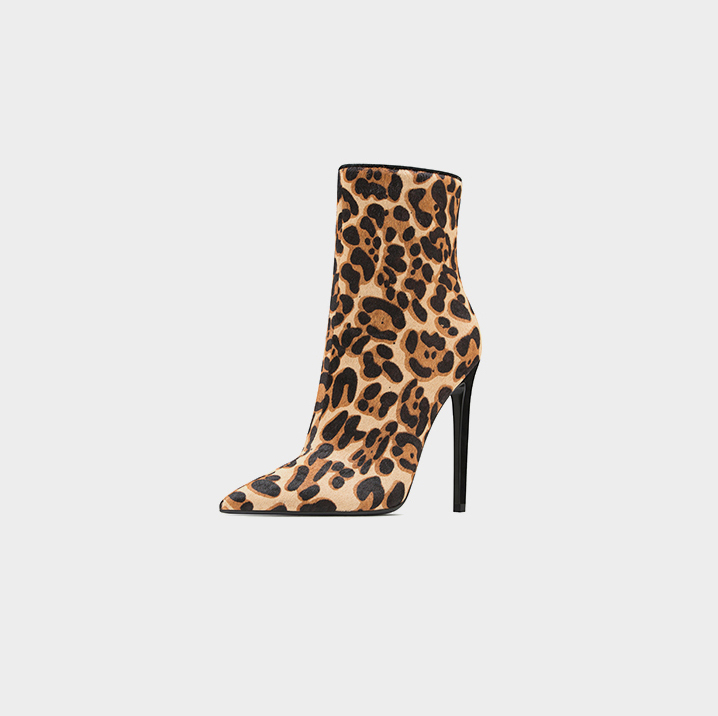
Over Size Women Shoes - Wholesale Manufacturer Options

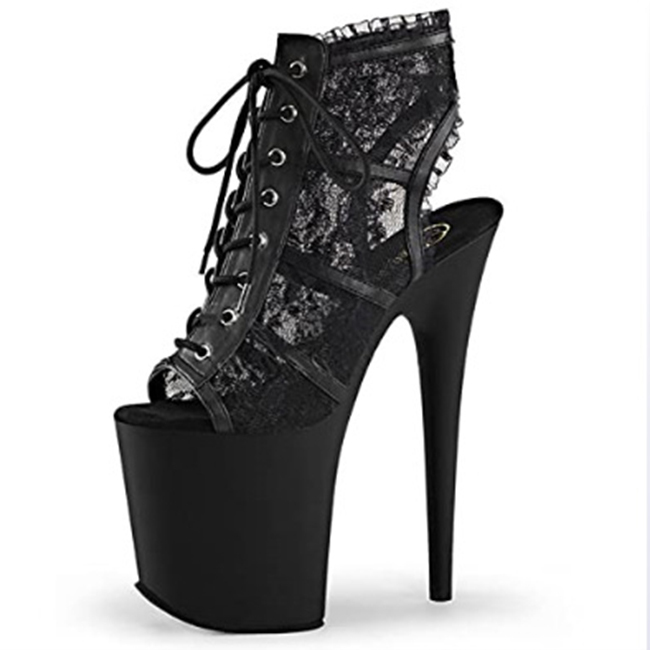
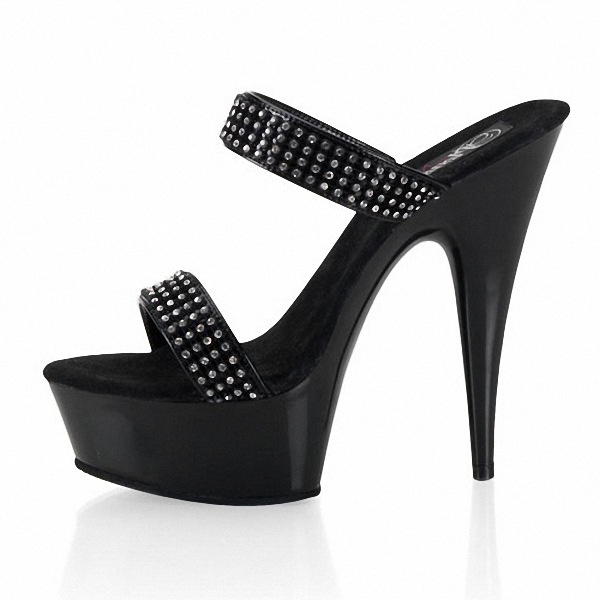
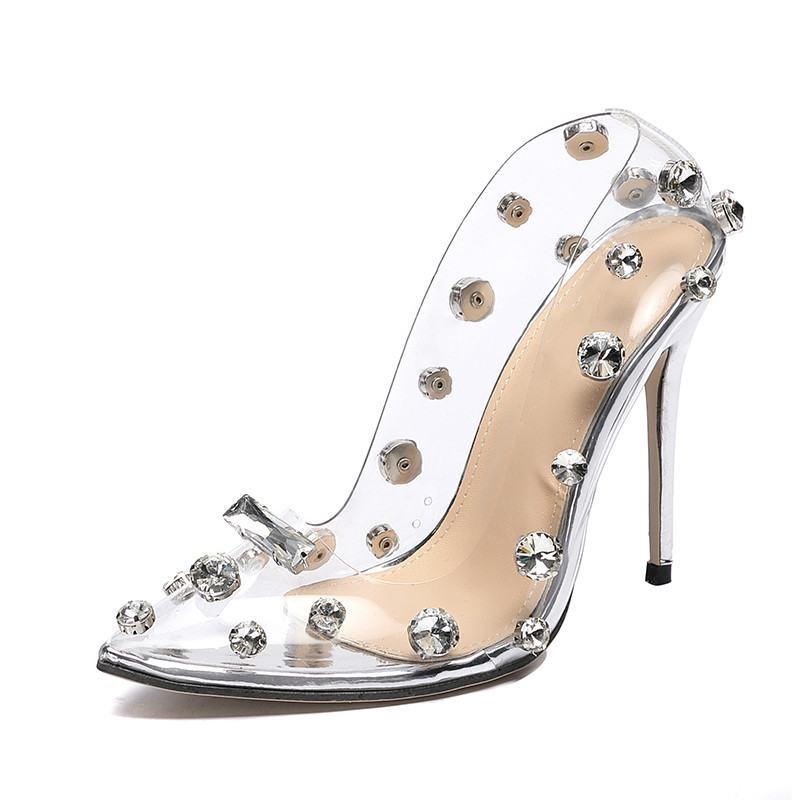
From my workshop to your catalog, I bring a full line of over size women shoes tailored for wholesale orders. I am a Wholesale Manufacturer dedicated to reliability, timely deliveries, and scalable sizes. When buyers look for bulk stocking, I offer competitive pricing, flexible MOQ, and fast lead times. My collection covers daily, formal, and comfort styles in extended widths, designed to support all-day wear in busy retail and online channels. I customize uppers, insoles, and packaging to match your brand, with sample programs and private labeling available. With direct factory control, I minimize middlemen, keeping margins healthy for retailers and distributors. If you’re sourcing for big size demand, I can help you expand assortment and improve sell-through with durable materials and consistent sizing. Let’s talk about your target colors, quantities, and delivery windows, and I’ll tailor a plan that fits.
Hot Selling Product

over size women shoes Is The Best For the Current Year

For the current year, oversized or plus-size women’s shoes have become a standout category for global retailers. Demand is broadening across markets as consumers seek comfortable, true-to-size fits with wide widths and roomy toe boxes. A Chengdu-based footwear manufacturer is expanding its plus-size range to offer consistent sizing, on-trend silhouettes, and reliable production that meets diverse regional requirements. Global buyers value ranges that cover full sizes, wide widths, and adaptive lasts, plus features such as cushioned footbeds, arch support, and durable outsoles. Materials choices matter—breathable uppers, soft linings, and options with recycled content—combining sustainability with style. Strong QA, standardized color and size specs, and scalable packaging help minimize returns and streamline international logistics. Partnering with a capable supplier in a major producing region can deliver ODM and private-label flexibility, agile lead times, and consistent supply even as demand shifts. A reliable partner with robust sourcing, ethical manufacturing practices, and transparent communication can help buyers diversify portfolios, reduce total landed cost, and grow market share in a competitive global market for plus-size footwear.

over size women shoes Is The Best For the Current Year
Model Code US Size Range Upper Material Color Options Heel Height (cm) Width Rating Reviews
OVS-01 9–13 US Leather Black / Beige 6.5 Wide 4.6 214
OVS-02 11–14 US Faux Leather Black / Navy 3.0 Medium 4.5 156
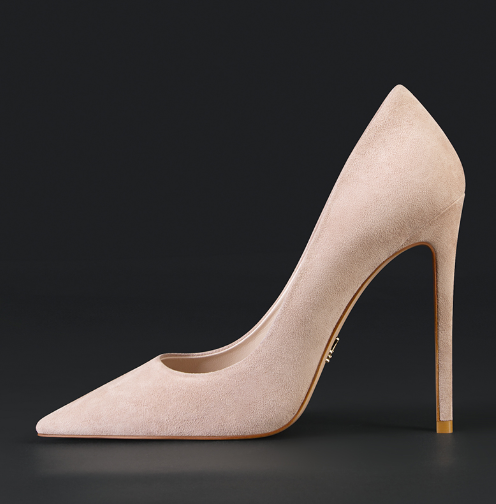
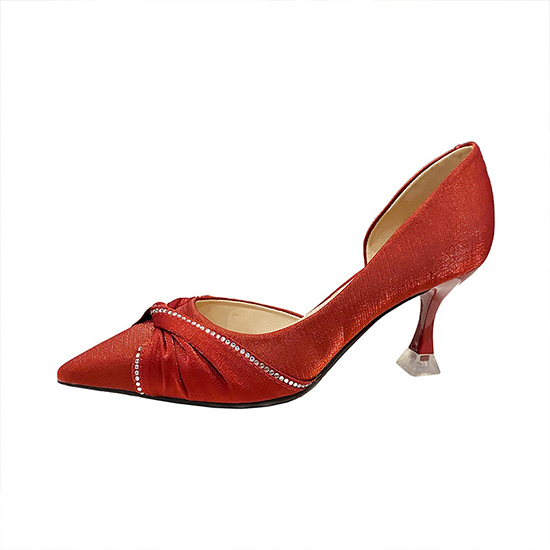
OVS-03 10–12 US Suede Beige / Red 7.0 Wide 4.2 128
OVS-04 9–12 US Mesh Black / Gray 4.0 Medium 4.3 345
OVS-05 9–14 US Leather Brown / Black 8.0 Wide 4.7 501
OVS-06 8–11 US Textile Navy / Pewter 9.5 Regular 4.5 290
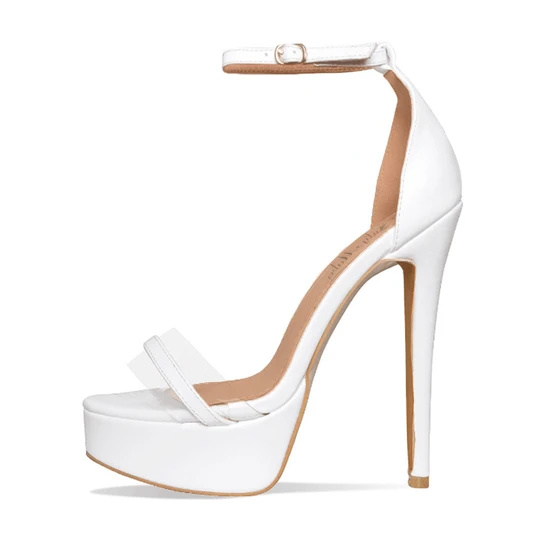
OVS-07 9–12 US Microfiber White / Black 5.0 Medium 4.1 160

Related Products

over size women shoes Manufacturer Service

Monthly Order Volume vs. Average Lead Time for Plus-Size Women's Shoes (12-Month Trend)

This chart visualizes a 12-month operational snapshot comparing monthly order volume (units) and average production lead time (days) for plus-size women's shoes across a typical manufacturing pipeline. The dual-axis line chart highlights seasonal demand fluctuations alongside changes in lead time that reflect capacity adjustments, staffing, and supply chain performance. Orders show a steady ramp from the start of the year, peaking in midsummer, followed by a moderate decline into autumn and winter — a pattern consistent with launch cycles and promotional campaigns. Lead time trends move inversely to order volume in the first half of the year, indicating efficiency gains as production scales; the shortest average lead time coincides with the highest throughput months, which can result from temporary overtime, process streamlining, or prioritized material allocation. Later in the year, as orders taper, lead times increase slightly, suggesting reduced scheduling efficiency or planned maintenance periods that slow turnaround. Analyzing both metrics together helps operations and procurement teams balance capacity planning and customer service expectations. For example, maintaining a buffer in raw material inventory and modular staffing during peak months can preserve quick lead times without compromising quality. Conversely, during lower demand periods, targeted process improvements and preventative maintenance can reduce the end-of-year lead time rise. This visualization supports data-driven decisions such as setting reorder points, negotiating supplier lead times, and aligning marketing campaigns with production capability. It can also guide discussions about whether to invest in capacity expansion, subcontracting, or inventory strategies to smooth both order fulfillment and lead-time variability across the year.

Top Selling Products

Leave Your Message