Private label shoes and bags factory - XINGZIRAIN

Backless Casual Shoes - Wholesale Manufacturer | Quality Footwear

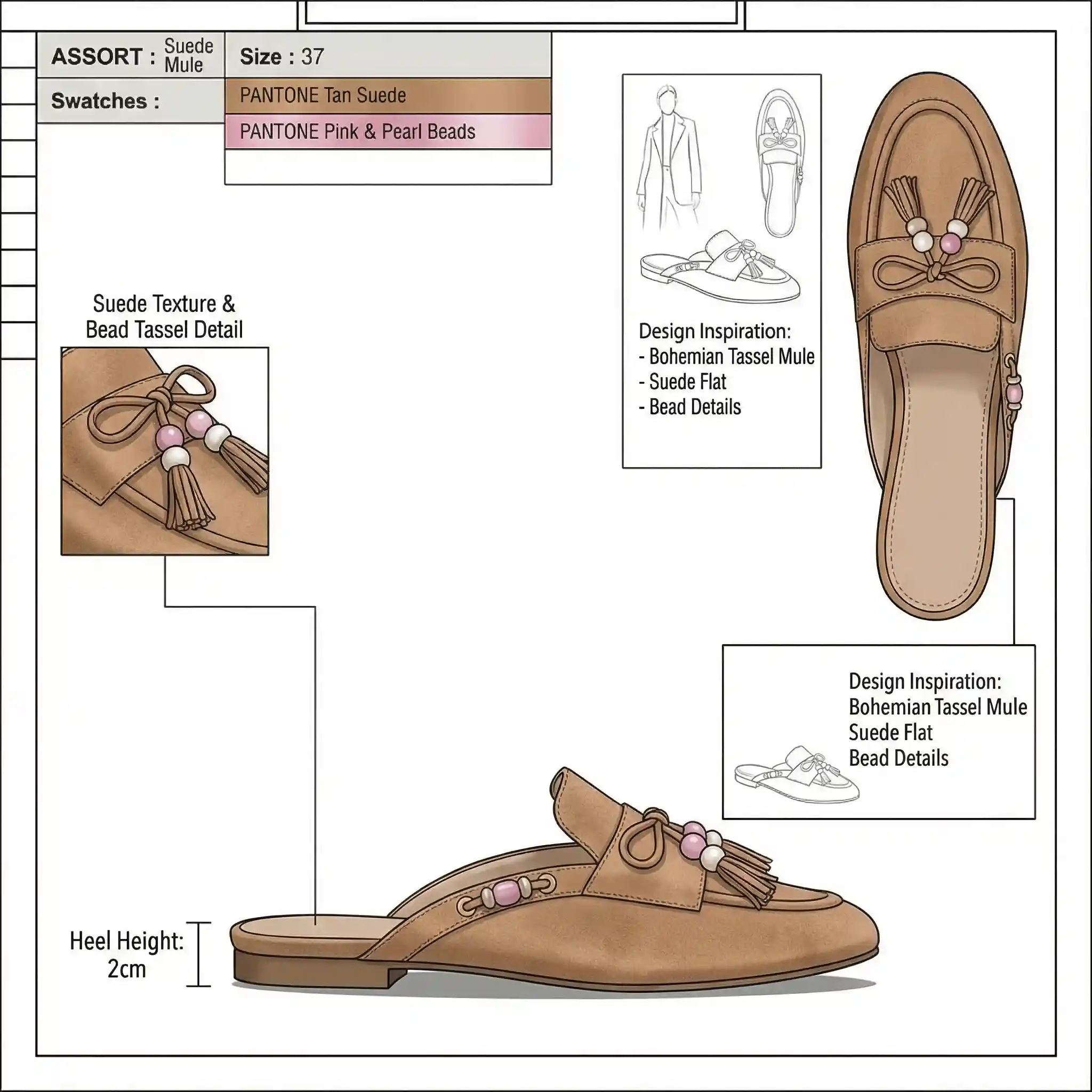
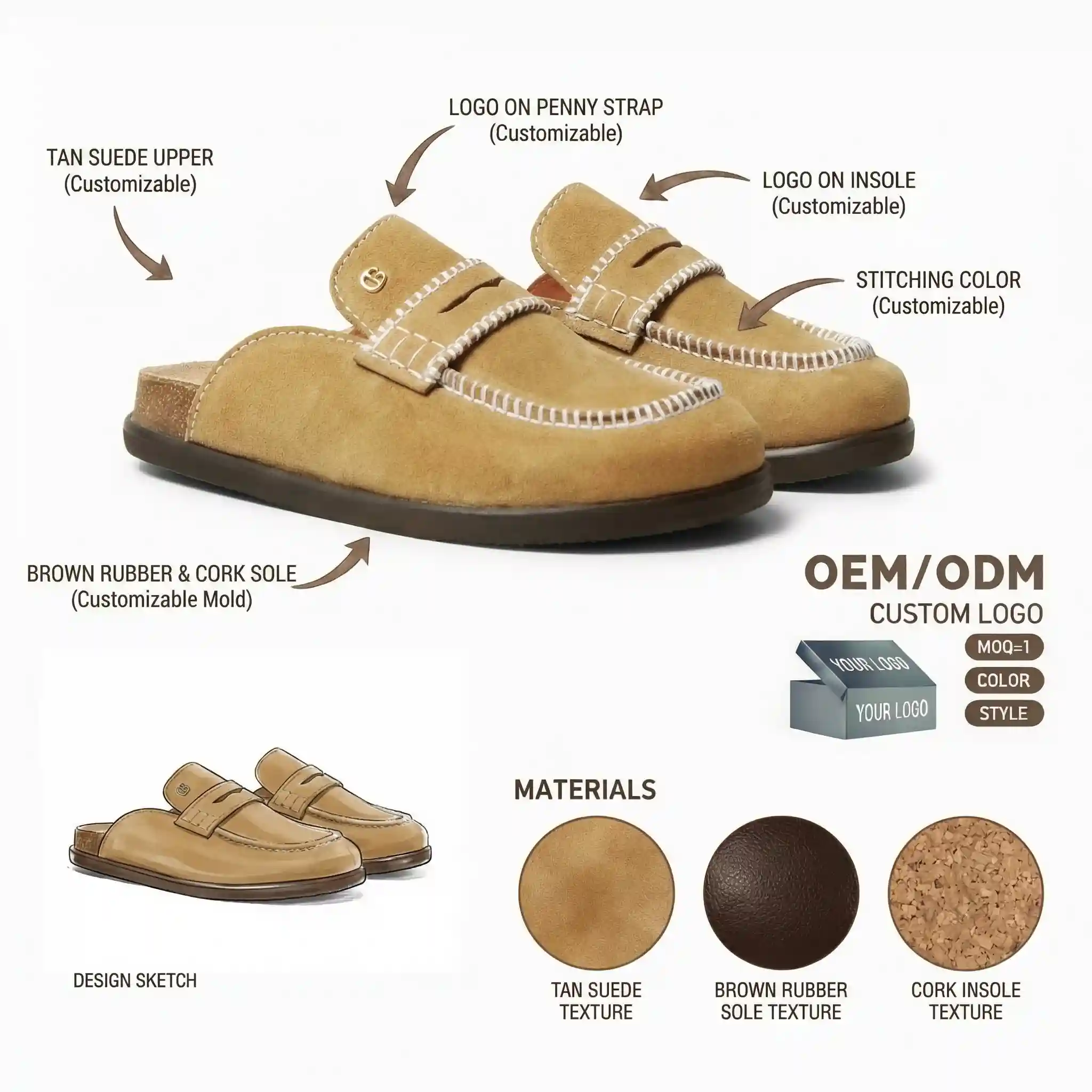
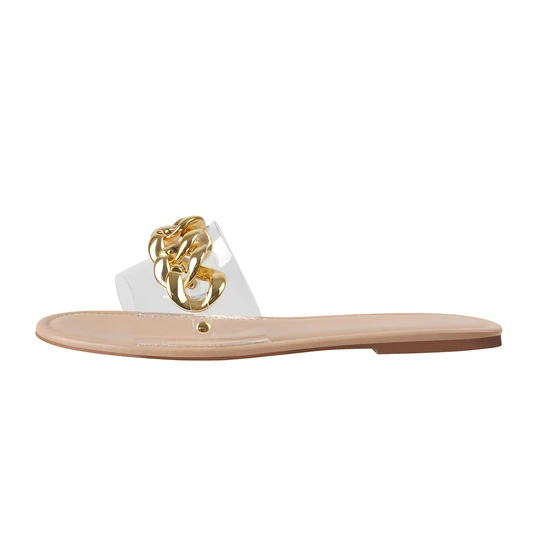
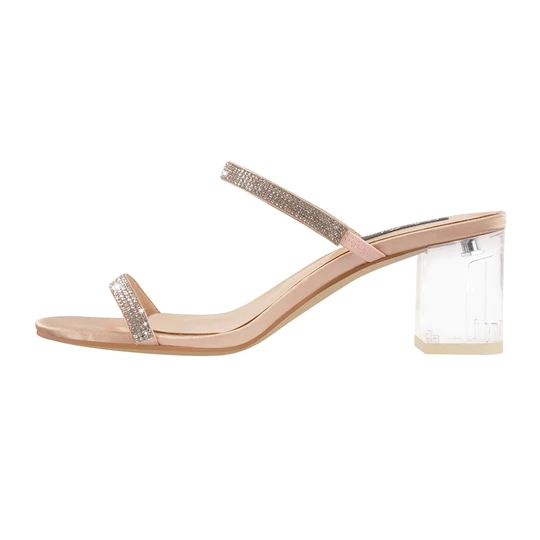
I represent a Wholesale Manufacturer focused on Backless Casual Shoes that blend everyday comfort with modern style. For retailers and distributors, I offer a scalable model, flexible MOQ, and competitive pricing on bulk orders. These Backless Casual Shoes feature a lightweight, breathable upper, cushioned insole, and a secure slip-on silhouette that keeps foot effortless on and off. The backless design is perfect for quick restocking counters and for customers who prioritise ease of wear. I ship worldwide with tested quality control and consistent supply, so you can plan promotions without worry. With customization options for branding, packaging, and size runs, you can tailor orders to your market. If you’re looking for a dependable partner in footwear manufacturing, I’d love to discuss volume, lead times, and certifications. Let’s build steady wholesale channels together with these versatile Backless Casual Shoes.

Hot Selling Product

Backless Casual Shoes Is The Best Your End-to-End Solution

Global footwear buyers seek reliability, speed, and consistency across markets. Backless casual shoes offer an end-to-end solution that covers design, development, material sourcing, production, quality control, packaging, and logistics in a single, coordinated workflow. From ergonomic insole support to lightweight uppers and slip-on comfort, this style adapts to diverse consumer preferences and seasonal trends. An integrated supply chain enables rapid prototyping, standardized sizing, and scalable production that reduces risks of delays and quality gaps. By aligning all stages under one roof, we can deliver accurate samples, transparent lead times, and consistent performance across orders. Buyers benefit from flexible MOQs, customization options (colors, textiles, outsole textures), sustainable materials, and traceable workmanship. Comprehensive QC at every stage, certified packaging, and reliable freight planning mean you receive on-time shipments with minimal overhead. This end-to-end approach is designed to help markets everywhere grow with confidence.

{ Backless Casual Shoes Is The Best Your End-to-End Solution}
Specification Details Typical Range / Values Notes
Product Category Backless casual shoes (mules, slides) Everyday / Urban / Travel Designed for easy on/off and light daily use
Upper Material Canvas, knitted polyester, microfiber suede, genuine leather alternatives Canvas / Knit / Suede-like / Leather-like Knit and canvas give higher breathability; microfiber offers soft handfeel
Insole Memory foam, PU foam, cork-latex blends, removable textile liners 5–12 mm foam + optional mesh top layer Removable insoles help hygiene and allow orthotic inserts
Outsole EVA, thermoplastic rubber (TPR), lightweight rubber compounds EVA: 4–12 mm / TPR: 2–8 mm EVA is lightweight; TPR improves grip and abrasion resistance
Sizes (typical market coverage) Unisex sizing ranges commonly offered US: 5–13 | EU: 36–47 | UK: 3–12 Size charts vary by region; length-based conversion recommended
Fit Recommendation General fit guidance for backless designs True to size; consider +½ size if forefoot is wide Backless silhouettes allow some forefoot movement—secure instep helps
Heel Height Measured at rear-most sole thickness 0–25 mm (flat to low heel) Lower heels favour stability and long-wear comfort
Weight (single shoe) Typical net mass for casual backless designs ~180–320 g (varies with materials, size) Lightweight constructions reduce foot fatigue during travel
Breathability / Moisture Management Ventilation and fabric moisture handling Rating: 1–5 → Typical: 3–4 for knit/canvas uppers Open back plus textile uppers improve airflow in warm weather
Durability (typical testing) Abrasion and outsole wear expectations 12,000–30,000 abrasion cycles (textile measure equivalents) Outsole compound and stitch/adhesive quality are key factors
Recommended Use Primary activity contexts Casual daily wear, commuting, light travel, indoor/outdoor leisure Not intended for high-impact sports or heavy-duty hiking
Care Instructions Maintenance for longevity Spot clean; hand wash cold; air dry away from direct heat Avoid machine drying; test colorfastness on hidden area first
Average Customer Rating Aggregated satisfaction indicator 4.2–4.5 / 5 (typical for comfortable backless casuals) Ratings tend to reflect comfort, fit, and material quality
Return Rate (typical) Proportion returned due to fit or preference ~3%–7% (varies by sizing accuracy and customer expectations) Clear size guides and images reduce returns
Sustainability & Compliance Common eco options and certifications Recycled polyester, water-based adhesives; certifications: OEKO-TEX, REACH Materials and processes vary; certifications indicate reduced chemical risks
Source: industry-typical product specifications and common consumer metrics

Related Products

Backless Casual Shoes Application From Concept to Delivery

Data Dimension: Lifecycle Milestones and Performance Indicators

Overview: This chart presents a data-driven view of the Backless Casual Shoes development lifecycle, tracing from concept through to delivery. The data dimension focuses on lifecycle stages and the relative effort, time, and resource intensity associated with each phase. Values shown are illustrative to demonstrate how activities accumulate and influence overall project duration and cost, rather than representing exact figures. The Concept stage encompasses initial exploration, user needs assessment, and feasibility checks. The Design phase captures CAD modeling, comfort and fit studies, material selection, and prototyping planning. Prototype reflects iterative builds and test cycles that inform tooling decisions. Tooling covers mold creation, fixture design, and setup costs enabling scalable production. Manufacturing accounts for ramp-up, process standardization, yield optimization, and capacity planning. Quality Assurance tracks validation tests, regulatory checks, and defect management. Delivery includes packaging design, logistics readiness, compliance, and go-to-market readiness. In this visualization, the bars provide relative signals of effort and duration across stages, not precise budgets, offering a clear snapshot of where the major workload concentrates.

Insights: The visualization suggests manufacturing as the most resource-intensive stage in this sample, followed by design and prototyping. Concept tends to be lighter but crucial for risk assessment, while QA and delivery remain essential for market success despite smaller relative scales. This data dimension supports planning and risk management by highlighting bottlenecks and showing how improvements in earlier stages can reduce downstream pressure. For example, reducing design iteration cycles or expediting tooling setup can shorten lead times and improve manufacturing yield, thereby easing QA workloads and ensuring timely delivery. By analyzing these metrics across the lifecycle, teams can align engineering, supply chain, and quality functions toward a more predictable and efficient pipeline. The approach also enables scenario analysis, enabling what-if assessments, budget reallocation, and scheduling adjustments in response to market shifts, supplier conditions, or regulatory changes. Overall, lifecycle-based data visualization provides a concise, interpretable view of how backless casual shoe projects progress from concept to customer, guiding informed decision-making and resource optimization.

Top Selling Products

Leave Your Message