
Custom Leather Boots Wholesale Manufacturer - Quality Custom Footwear
I craft custom leather boots for wholesale buyers and manufacturers who demand quality and consistency. As a direct manufacturer, I control every step—from design and material sourcing to hand-stitched seams and durable sole construction. My custom leather boots use full-grain leather, state-of-the-art stitching, and finishing processes that stand up to heavy daily wear. I offer scalable production for bulk orders, flexible MOQs, and competitive wholesale pricing with reliable lead times. You’ll get a tailored fit for your brand, with options for private labeling, color, shaft height, ornamentation, and sole types. I handle prototyping, testing, and packaging to ensure your catalog stays on-brand. From sample to large-run, I can streamline logistics, offer drop shipment, and provide ongoing quality control. Partner with me to expand your product line with dependable, high-quality custom leather boots that boost margins and customer satisfaction.


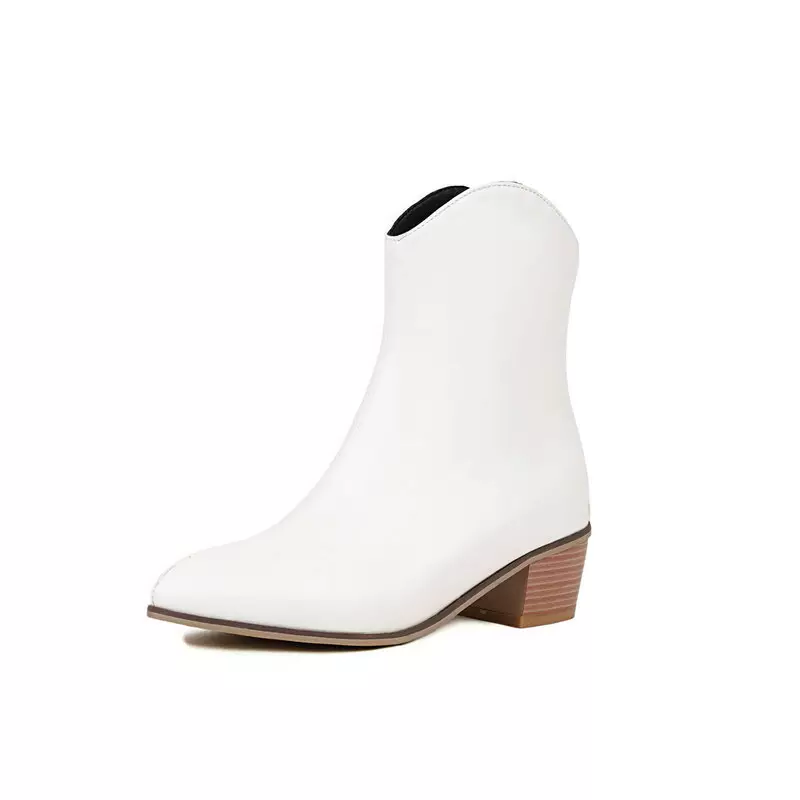
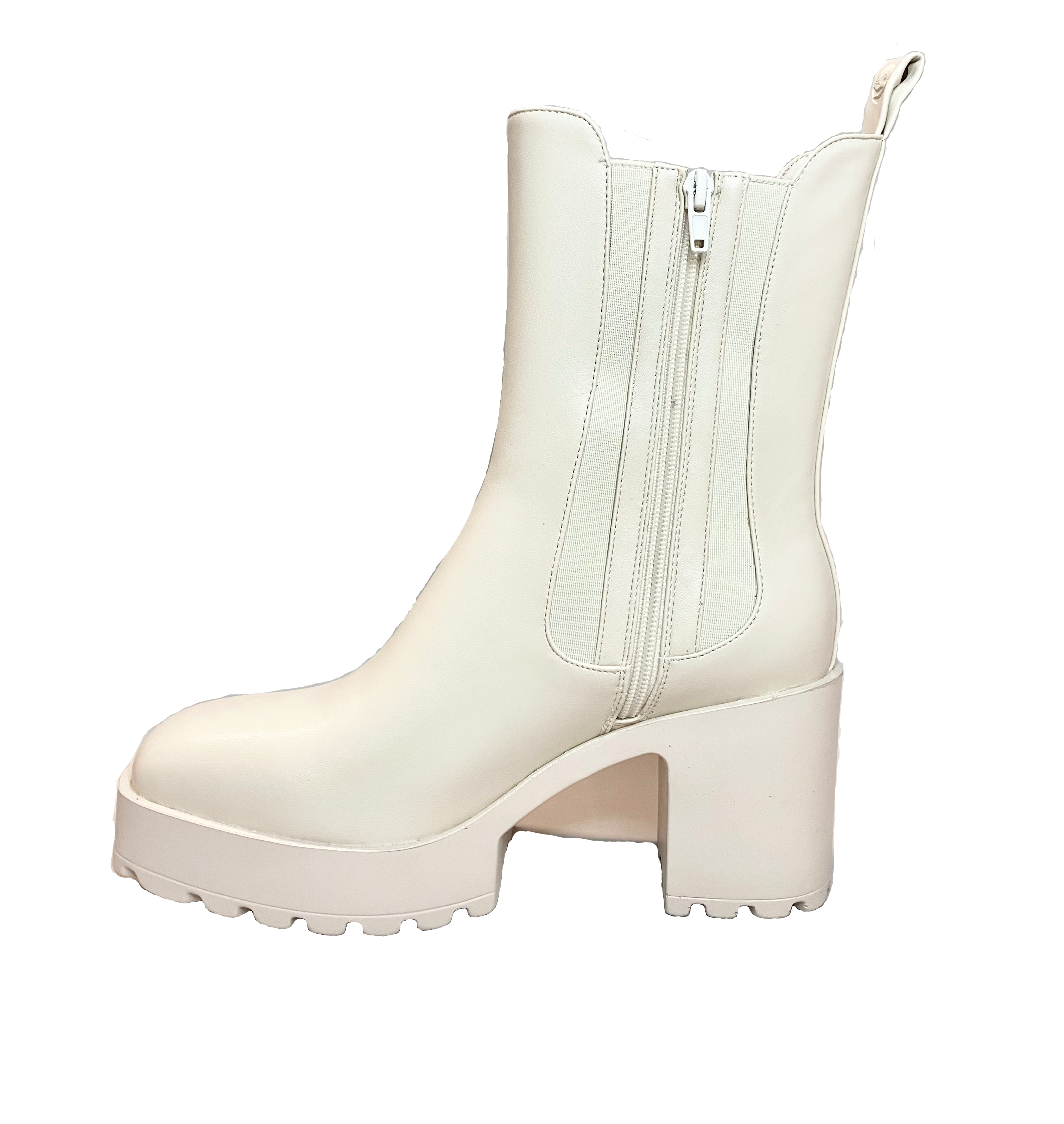
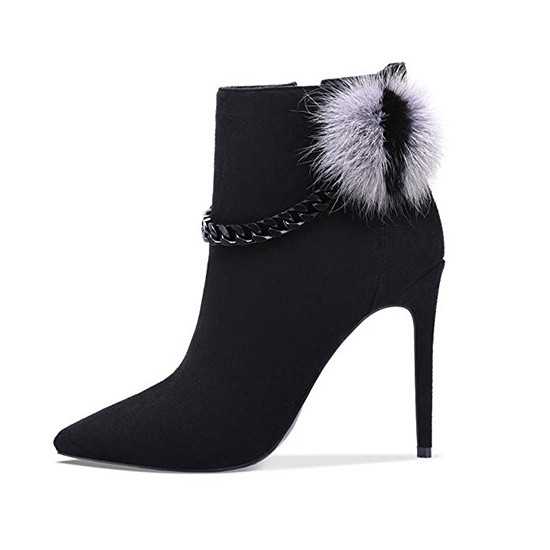
custom leather boots Stands Out in 2025
Custom leather boots will stand out in 2025 by balancing craft with scalable production. A Chengdu-based producer turns design concepts into durable footwear, using full-grain hides, natural finishes, and reinforced stitching. From pattern development to sole attachment, an integrated workflow ensures accuracy and quick iteration for evolving trends. This blend of handwork and efficiency helps brands offer boots with a timeless silhouette and lasting comfort. Global buyers expect traceability and ethical practice. The facility supports flexible MOQs, multiple lasts, and a wide range of customization—color, texture, stitching, lining, hardware, and packaging. In-house prototyping and tooling shorten development cycles, while controlled leather sourcing and strict QC deliver consistent quality across batches. Partnering with a Chengdu-based producer enables responsible scaling, reduced risk, and boots that perform in streetwear, workwear, and luxury markets.
| Model | Quick Description | Material | Construction | Region Popularity Index | Durability (0-100) | Comfort (0-10) | Weight (g) | Water Resistance (mm) | Maintenance |
|---|---|---|---|---|---|---|---|---|---|
| Chukka Boot | Ankle-high with open lacing | Full-grain cowhide | Goodyear welt | 82 | 88 | 9 | 560 | 3000 | Condition quarterly; use water-repellent spray |
| Chelsea Boot | Slip-on with elastic side panels | Top-grain leather | Cemented construction | 75 | 85 | 8 | 520 | 2500 | Polish weekly; reproof after exposure |
| Desert Boot | Casual mid-ankle with suede | Suede leather | Cemented construction | 60 | 70 | 7 | 480 | 1000 | Brush suede and protect with suede spray |
| Riding Boot | Tall silhouette with ergonomic calf fit | Full-grain leather | Goodyear welt | 68 | 92 | 8 | 900 | 4000 | Condition monthly; waterproofing every season |
| Work Boot | Rugged utility with reinforced toe | Rough-out leather | Direct-attach | 42 | 85 | 7 | 1100 | 3200 | Brush and reproof monthly |
| Chelsea Pull-On | Smooth leather with pull tabs | Smooth full-grain leather | Cemented | 71 | 78 | 8 | 510 | 2600 | Condition; apply protective spray |
Related Products
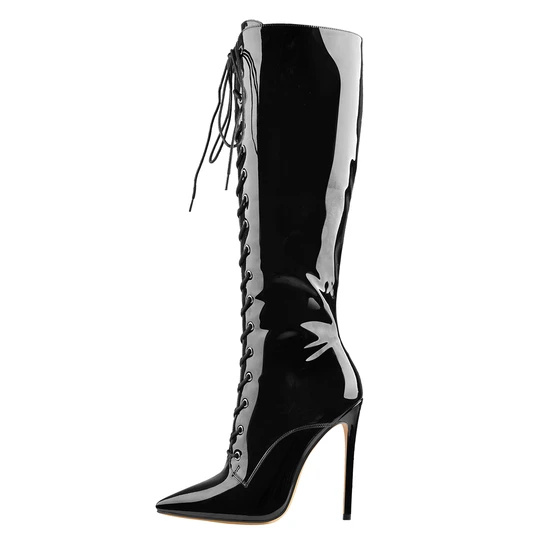
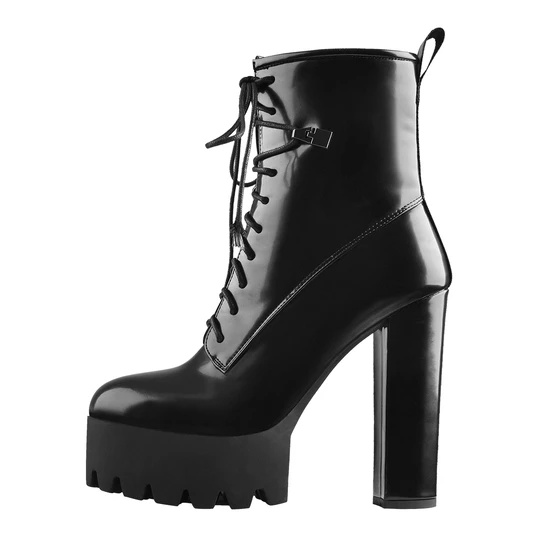
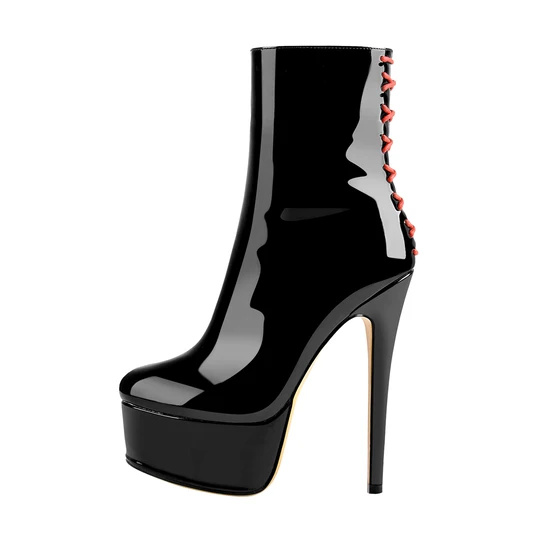

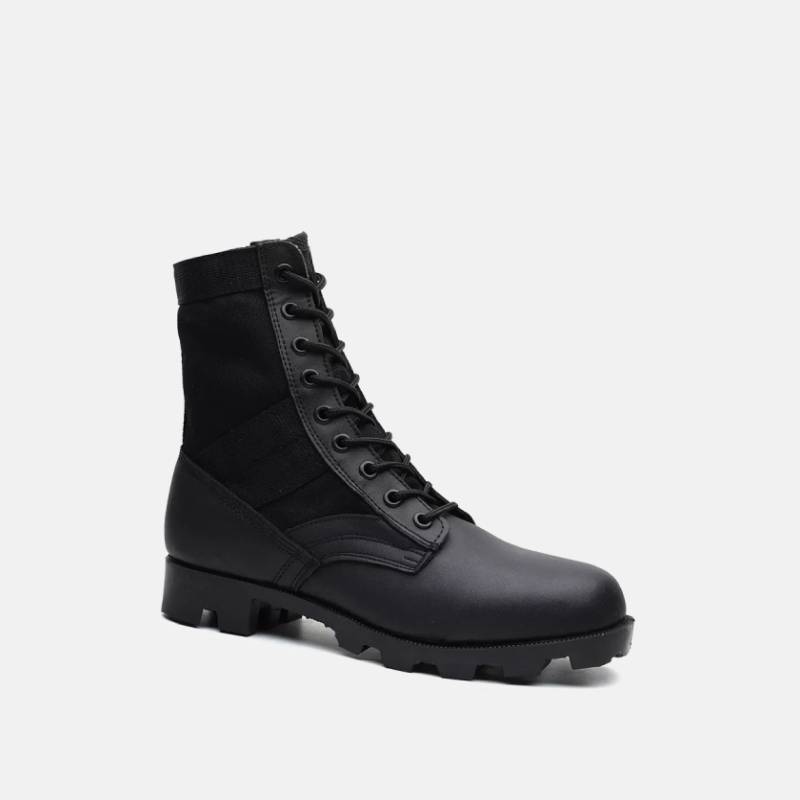
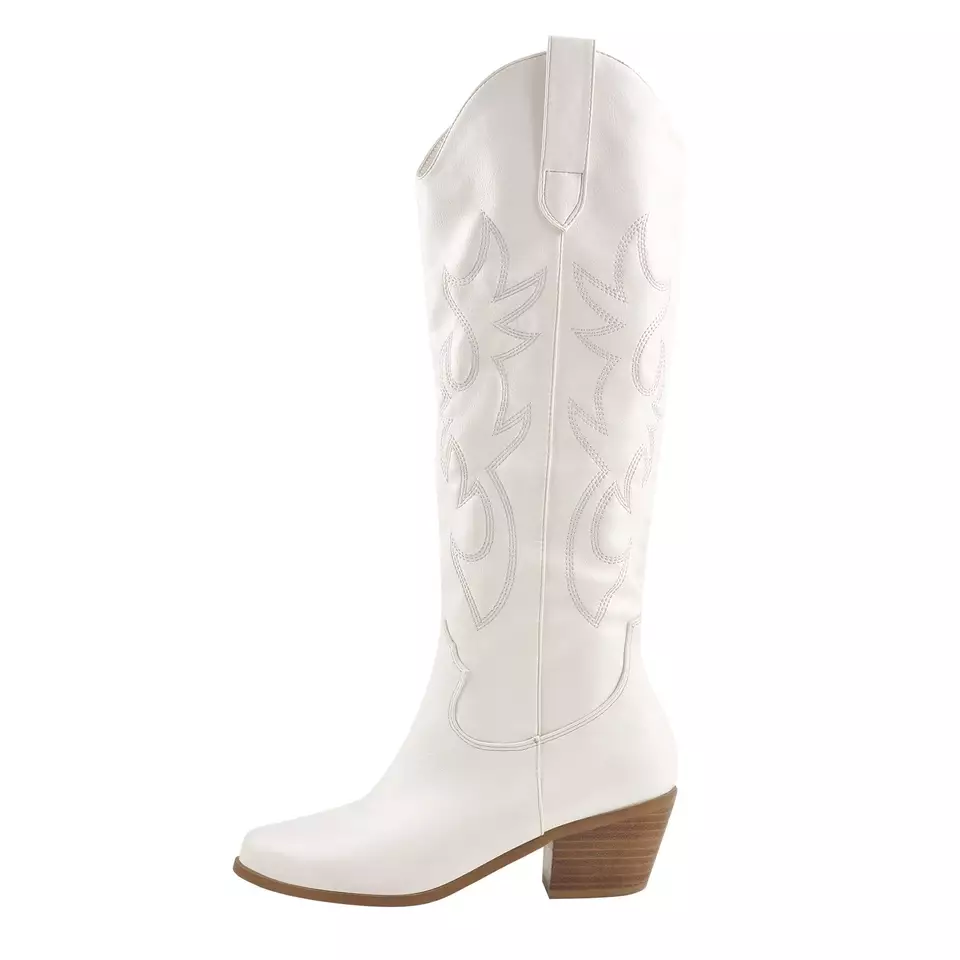
custom leather boots Products Leads the Global Market
Top Selling Products

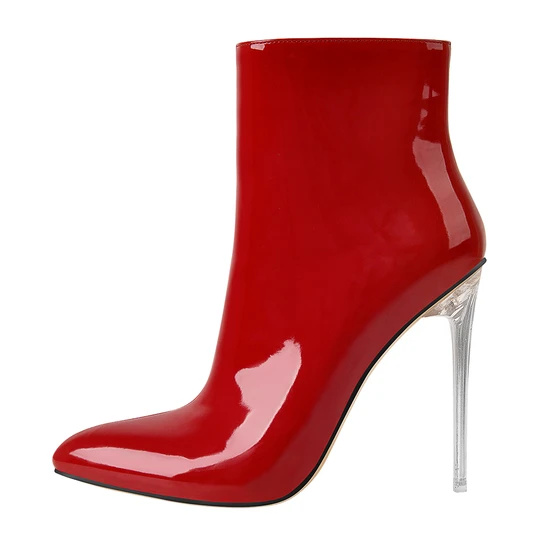
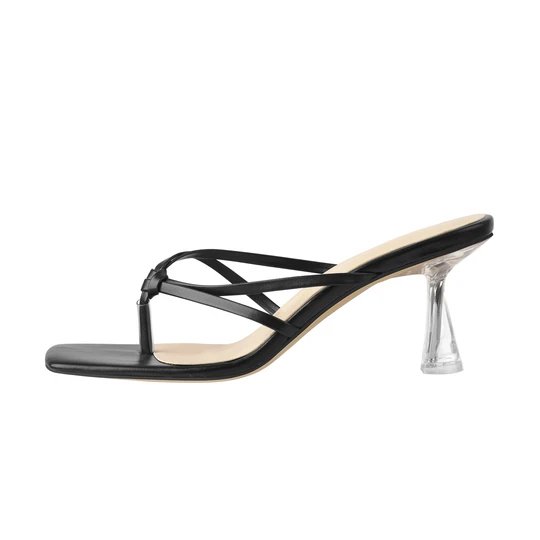

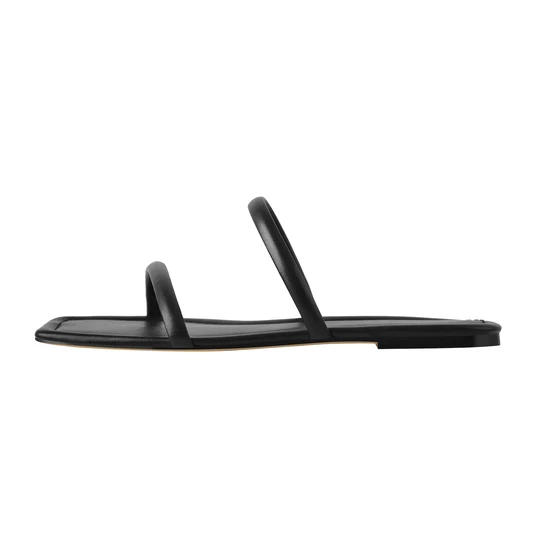
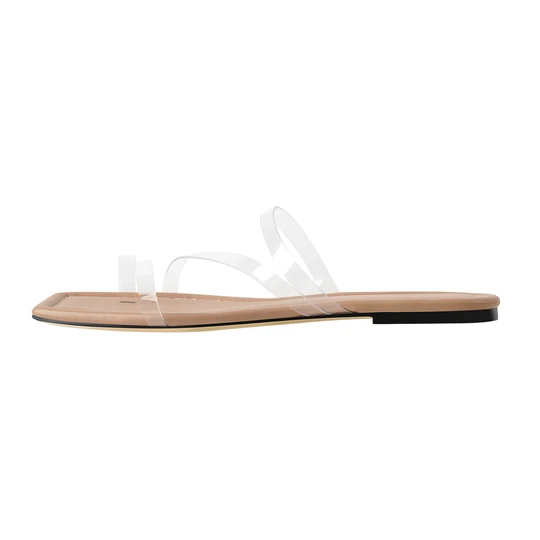
- Related Blog
- Reviews
- Reviews
