
Sustainable Luxury Footwear for Wholesale & Manufacturer Partnerships
With Sustainable Luxury Footwear, I blend artisan craftsmanship with eco-friendly materials to deliver footwear that echoes luxury without compromising the planet. As a Wholesale partner, I know you need reliability, scalable production, and clear compliance. I'm a Manufacturer focused on traceable supply chains, responsible leather, recycled uppers, and compostable packaging. I offer flexible MOQs for wholesale orders and fast lead times, plus customization options—colorways, finishes, and branding—so you can differentiate in your market. My team provides QC at every stage, sustainable dye processes, and carbon footprint tracking. I provide competitive wholesale pricing with volume incentives and transparent terms. From design concept to final delivery, I support private label and ODM projects, ensuring consistent quality, ethical labor practices, and on-time shipments. If you're seeking durable, elegant footwear with a green footprint, I'm your partner.


Sustainable Luxury Footwear Is The Best Trusted by Pros
Global buyers are turning to footwear that blends timeless luxury with responsible sourcing. Sustainable luxury footwear combines refined design and premium comfort with traceable, low‑impact materials and transparent supply chains. From vegetable‑tanned leathers and responsibly sourced uppers to recycled linings and water‑saving processes, every step is crafted for durability and elegance. Expert artisans apply meticulous finishing and strict quality controls, delivering consistent performance for flagship stores and discerning customers. A trusted production partner offers scalable output, flexible MOQs, and reliable lead times without compromising ethics. Aligning design with ergonomic fit, durable components, and sustainable packaging helps reduce total cost of ownership while boosting brand reputation. This approach resonates with luxury buyers worldwide who demand performance, transparency, and responsible craftsmanship from the first sketch to delivery.
{ Sustainable Luxury Footwear Is The Best Trusted by Pros }
| Dimension | Details | Value | Unit |
|---|---|---|---|
| Certifications | Third-party sustainability certifications held | LWG Gold; Cradle to Cradle Bronze | Certification(s) |
| Material Composition | Proportion of materials used in finished product | 60% vegetable-tanned leather; 20% recycled textiles; 15% plant-based leathers; 5% composites | Percent |
| Carbon Footprint per Pair | Cradle-to-gate carbon footprint | 9.5 | kg CO2e |
| Water Usage per Pair | Water consumption during tanning/finishing | 40 | liters |
| End-of-Life Options | Take-back and recycling options available | Available | Program |
| Repairability | Ease of repairing and part replacement | 72 | Score (0-100) |
| Lifecycle Expectancy | Expected useful life with maintenance | 6-8 | years |
| Production Region | Primary manufacturing region | Southern Europe (Italy/Portugal) | Region |
| Labor Standards | Worker welfare and factory audits score | 85 | Score (0-100) |
| Material Transparency | Supply chain material disclosure index | 78 | Index |
| Pair Weight | Total weight per pair | 1100 | grams |
| Size Range | Available EU sizes | EU 36-46 | Size range |
Related Products


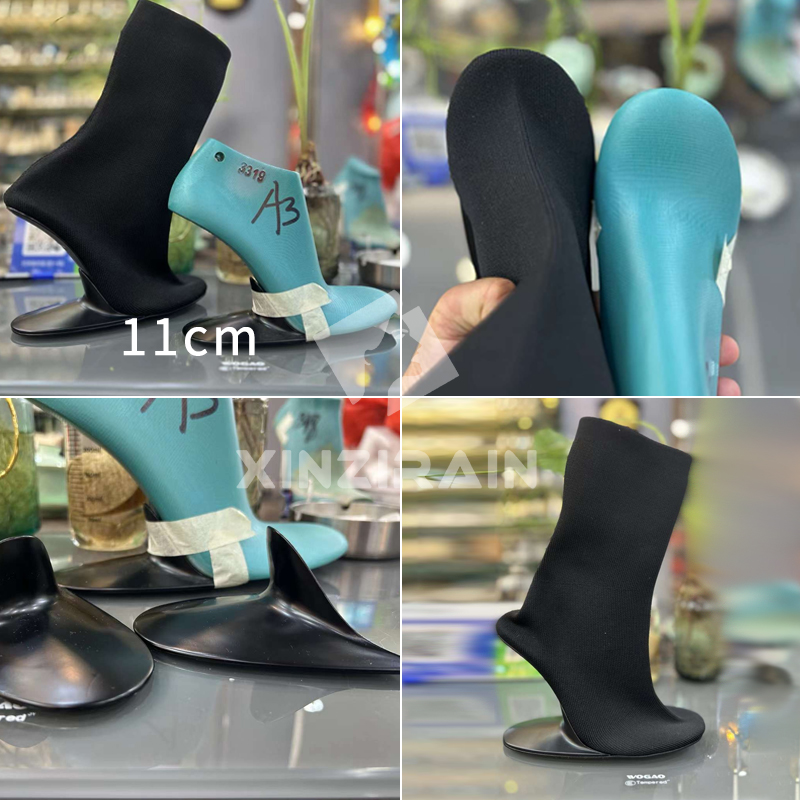
Sustainable Luxury Footwear Supplier Your End-to-End Solution
Top Selling Products



- Related Blog
- Reviews
- Reviews
