
Custom Casual Shoes Manufacturers - Wholesale & Manufacturer Directory
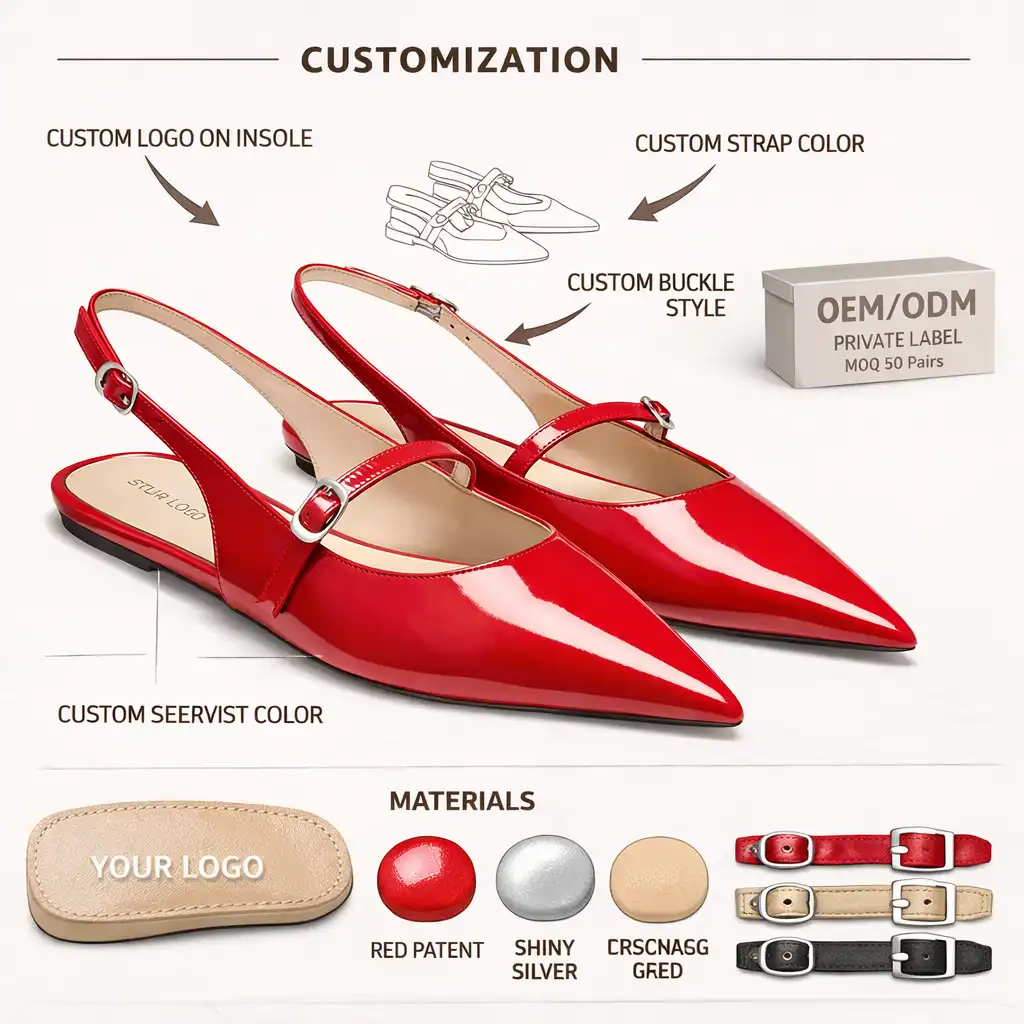
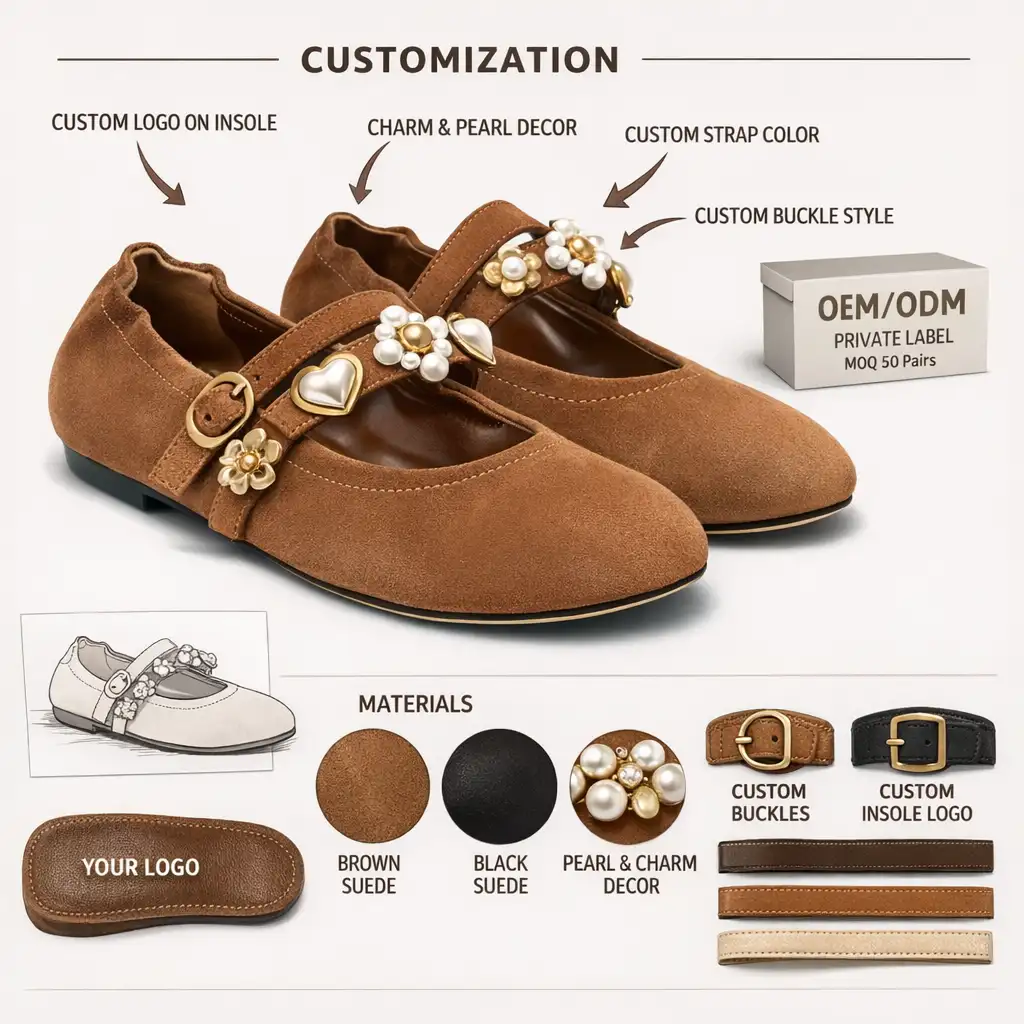
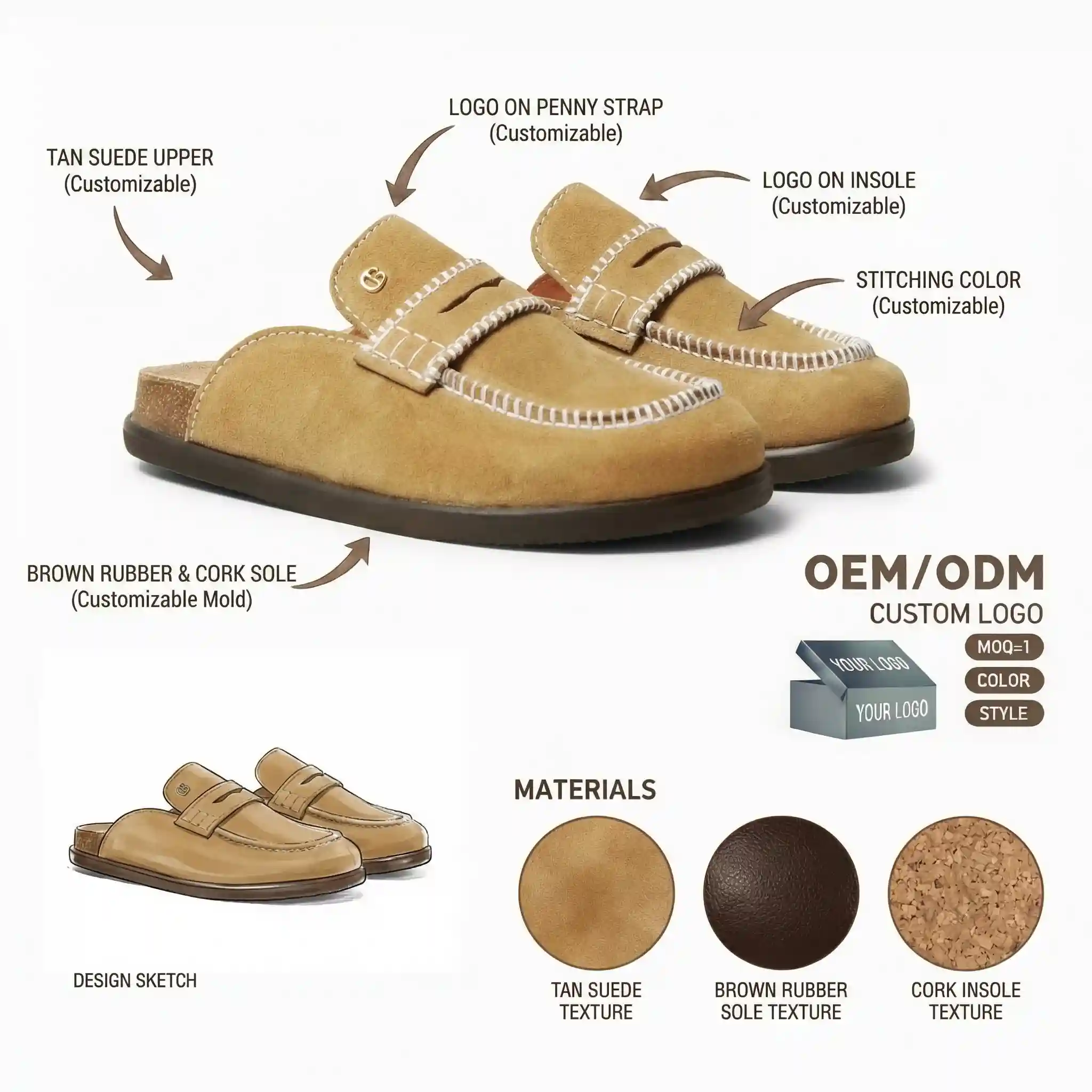
We are Custom Casual Shoes Manufacturers, catering to retailers who demand quality, consistency, and fast delivery. I partner with Wholesale buyers to scale their ranges while protecting margins. Our factory handles orders from small runs to large productions, with MOQs as low as 100 pairs and lead times of 4–6 weeks for standard styles. We offer full design support, from initial concept to final sampling, plus precise size grading and material selection that meet regional standards. Materials come from ethical suppliers—EVA, rubber, canvas, and vegan uppers—with flexible options. We also manage private labeling and packaging customization so your brand shines. Our QA process catches defects early, and our logistics team ensures on-time shipments to warehouses or stores. If you’re looking for a trustworthy Wholesale partner who understands a growing catalog, I’m here to align production with your brand vision as a committed Manufacturer.
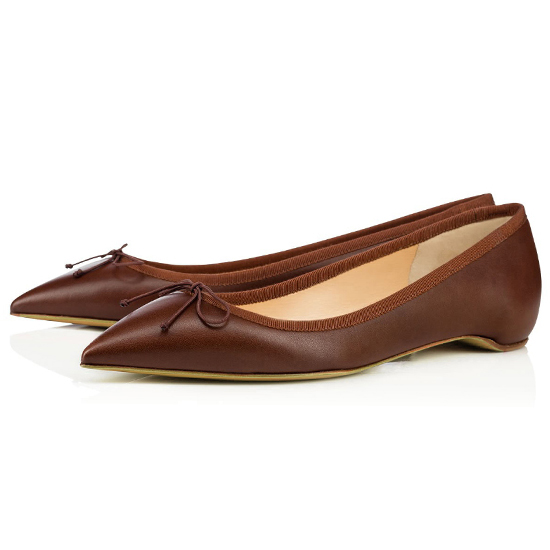
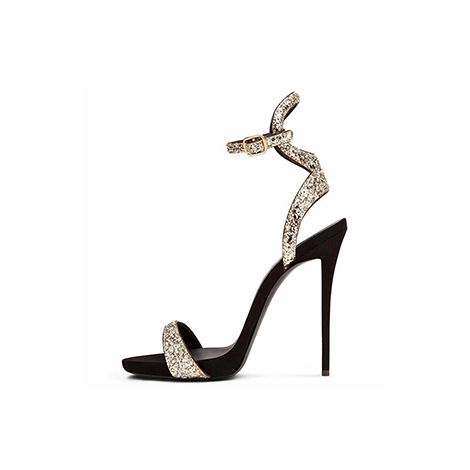


Custom Casual Shoes Manufacturers Service Stands Out
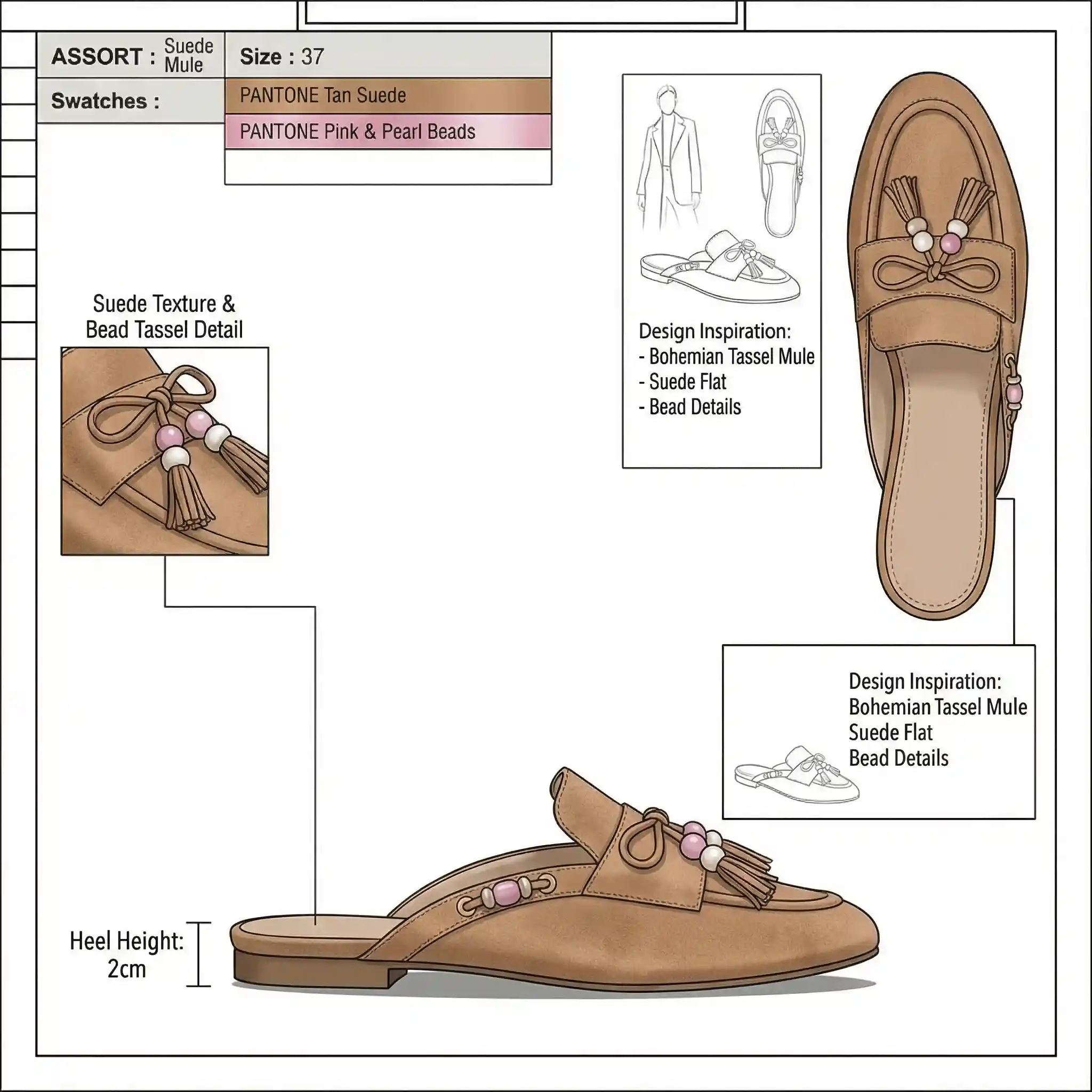
Global buyers seeking distinctive casual footwear can rely on a partner that blends design fluency with production precision. From concept to delivery, the advantage comes from collaborative development, flexible ODM/OEM options, and a transparent workflow. You’ll access design support, last customization, and material choices across leather, textiles, and synthetics, plus color development and branding like private labeling and packaging design. A prototyping pipeline delivers samples quickly for iteration. Rigorous controls and clear quality standards ensure excellence at every stage. Operational excellence that stands out includes scalable manufacturing, short lead times, and reliable on-time delivery for global markets. Thorough QA, third-party testing, and full traceability help manage compliance and risk. Flexible MOQs, agile design changes, and proactive communication shorten cycles and reduce total cost. By aligning development, sourcing, and logistics under one system, buyers gain a single, predictable path to launching casual shoe lines worldwide.
| Dimension | Attribute / Detail | Typical Value | Notes |
|---|---|---|---|
| Factory Location | Region | Dongguan, Guangdong, China | Major hub for casual footwear production with skilled workforce |
| Facility Size | Floor Area | 50,000 sqm | Includes R&D labs and testing areas |
| Monthly Production Capacity | Output | 90,000 – 150,000 pairs | Depends on model mix and material choices |
| Lead Time (Standard Orders) | Turnaround | 14 – 25 days | Varies by color, size range, and material |
| Customization Capabilities | Scope | Full customization (upper materials, sole types, colors, logos) | Includes 3D design support and proto sampling |
| Materials & Sustainability | Materials Used | Leather, suede, canvas, knit; water-based adhesives | Packaging with recycled content; eco-friendly processes |
| Equipment & Technology | Advanced Tools | 3D foot scanning, CNC cutting, robotic sewing lines | Automated quality checks throughout production |
| Certifications & Compliance | Standards | ISO 9001, BSCI audit | Annual surveillance and periodic re-certification |
| Quality Assurance & Testing | QA Methods | In-line inspections, tensile, abrasion, slip tests | Final QC must pass before packaging |
| Size Range | Coverage | US 5–14 / EU 35–46 (Men); US 4–12 / EU 34–43 (Women) | Includes half sizes; width options available on request |
| Minimum Order Quantity (MOQ) | Policy | 2,000 pairs | Negotiable for long-term partnerships |
| After-Sales & Warranty | Policy | 90-day warranty; 30-day defect-based returns | Replacement for manufacturing defects; excludes normal wear |
Related Products
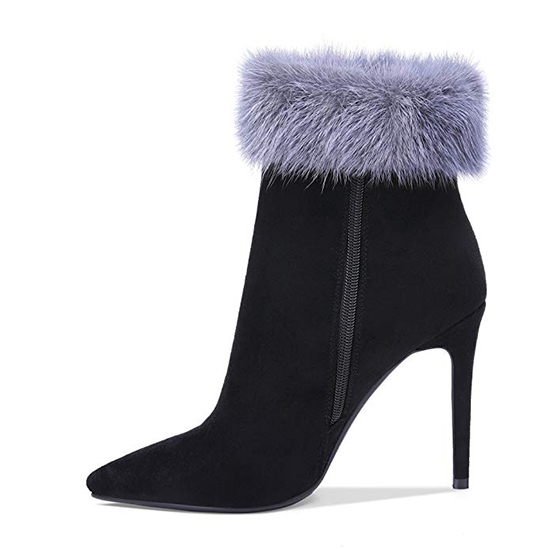
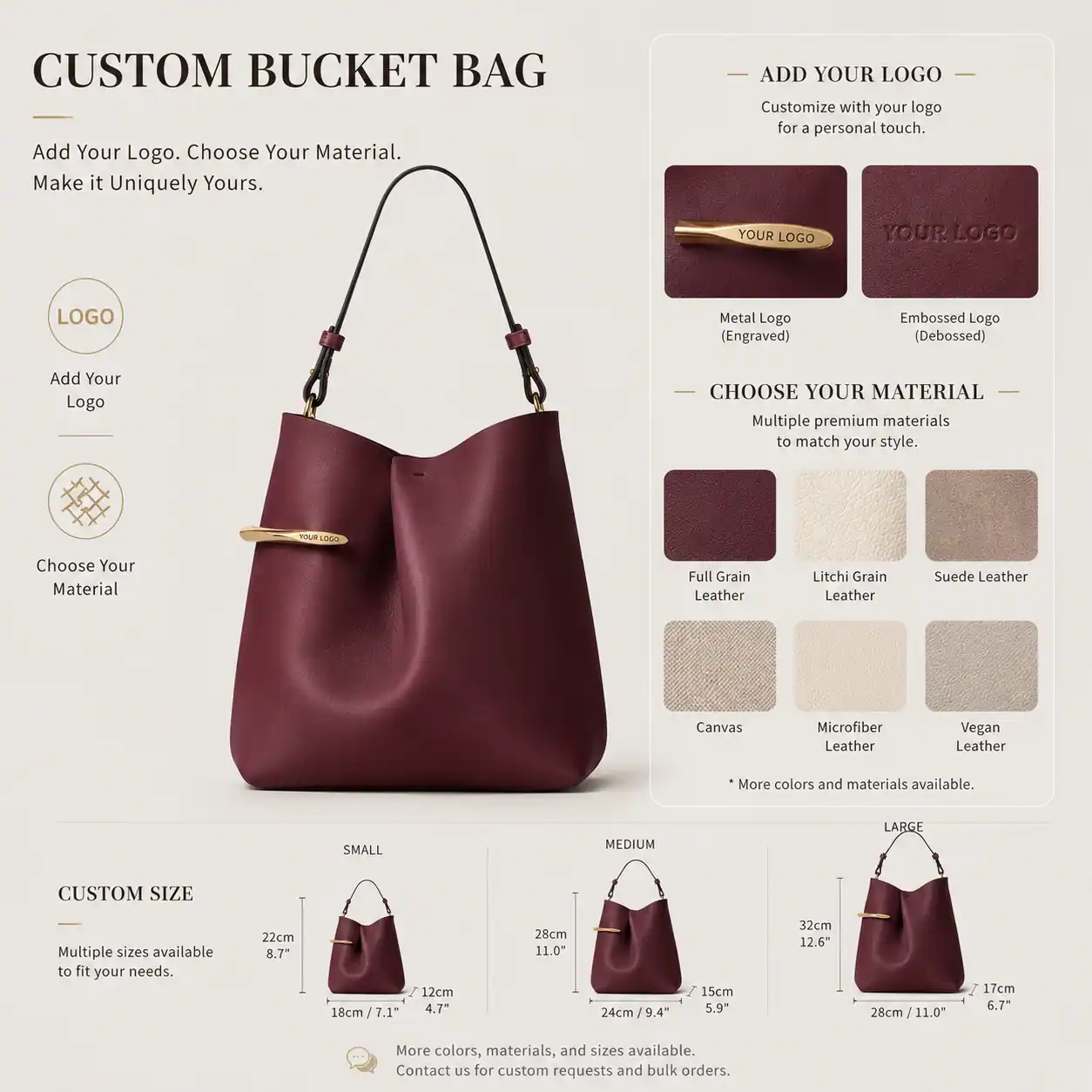
Custom Casual Shoes Manufacturers Dominates Guarantees Peak Performance
Top Selling Products

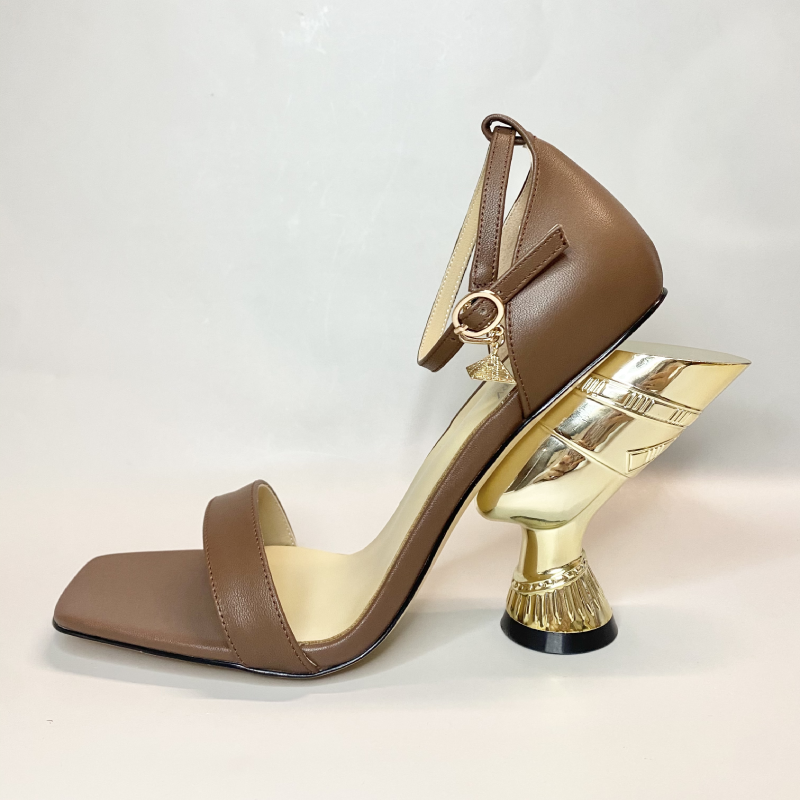


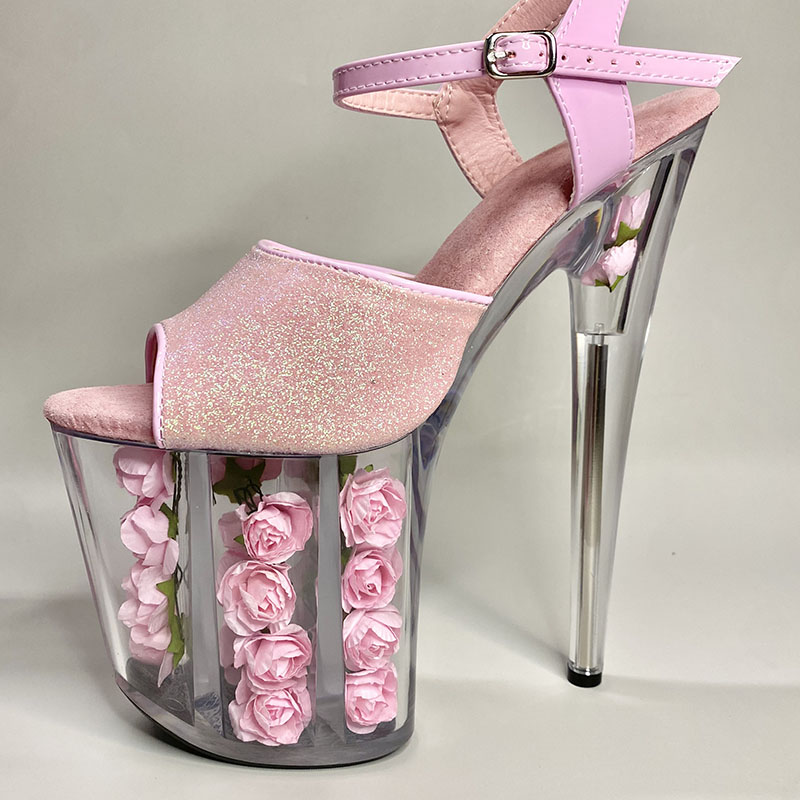
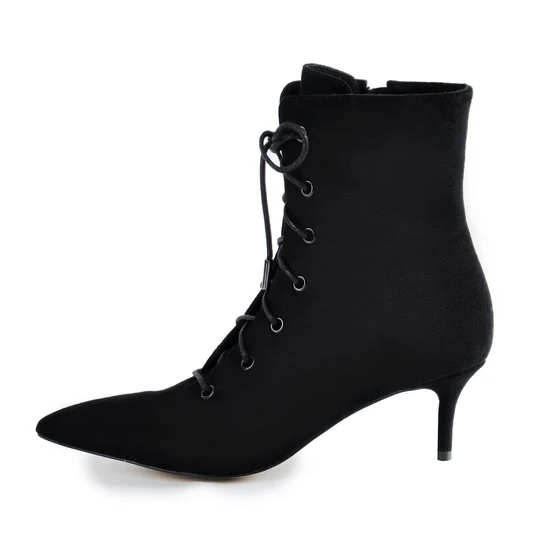

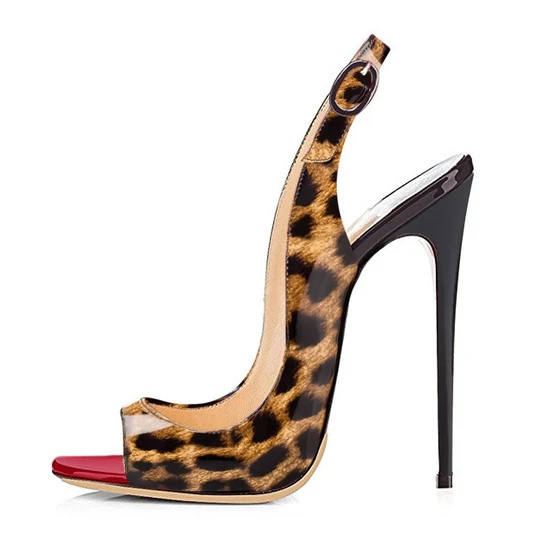
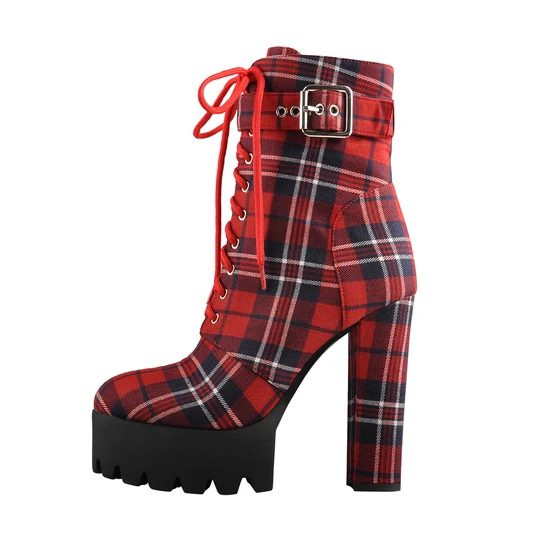

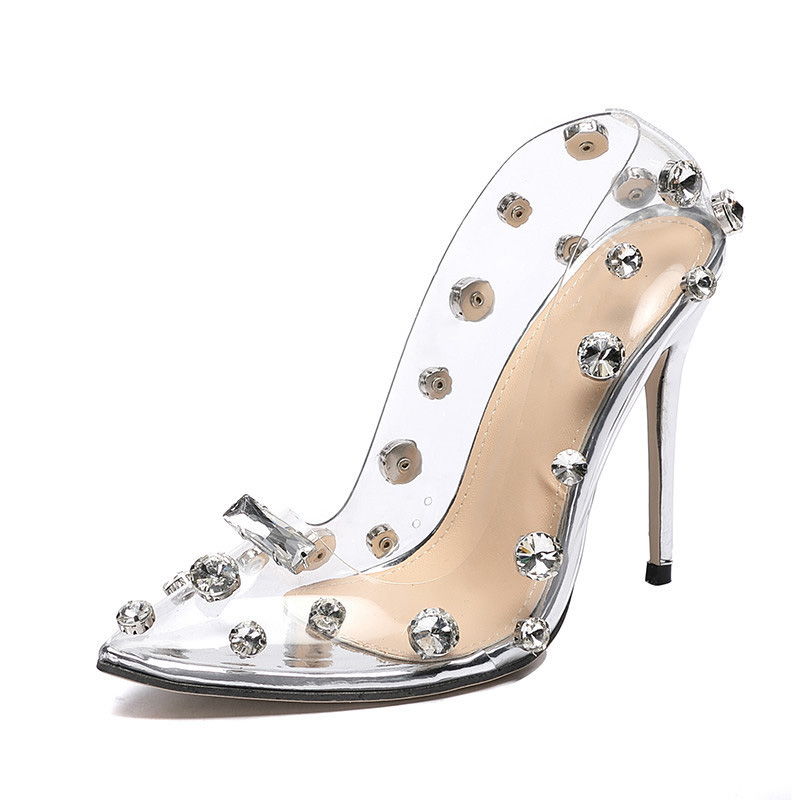

- Related Blog
- Reviews
- Reviews
