
Footwear Industry: Wholesale Manufacturer Directory
In the Footwear Industry, I build partnerships that scale with your Wholesale needs. I’m a hands-on Manufacturer who can flex with your demand, offering a curated range of durable styles—from work boots and safety shoes to everyday sneakers. Each model blends comfort, grip, and longevity, with premium leather, recycled fabrics, and slip-resistant outsoles designed for heavy wear. I know what B2B buyers look for: consistent quality, clear labeling, and easy customization. That’s why I provide private labeling, size runs, and flexible MOQs to suit your catalog. Lead times are measured and dependable, with QA checkpoints at every stage. I also support certifications and eco-friendly options to keep you compliant and competitive in the Footwear Industry. If you’re seeking a reliable Wholesale partner who is also a proven Manufacturer, I’ll align production with your specs, deliver on time, and help you scale profitably.


Footwear Industry Products Where Innovation Meets 2025
The footwear industry in 2025 sits at the intersection of performance, sustainability, and personalization. Materials are evolving toward recycled composites, bio-based foams, plant-based leathers, and lightweight synthetics that keep durability intact. Additive manufacturing enables complex geometries, better fit, and less waste, while rapid prototyping fuels timely seasonal updates and design exploration. Product innovations are redefining segments—from athletic performance sneakers with energy-return systems and adaptive cushioning to safety and work footwear featuring heat, chemical, and slip resistance, to everyday casual styles with moisture management and odor control. Embedded sensors, data-driven sizing, and app-connected features unlock personalized comfort, predictive maintenance, and performance insights. Modular, repairable designs also extend lifecycles and reduce total cost of ownership. For global buyers, the focus is on scalable, transparent supply chains, consistent quality, clear certifications, and flexible minimum orders. End-to-end traceability from material to finished product, sustainable packaging, and alignment with international standards build trust. As demand leans toward personalized, responsible footwear, collaborative design, agile manufacturing, and reliable logistics win in 2025.
| Concept | Innovation Focus | Primary Material | Weight (g) | Durability (km) | Sustainability Score | Water Resistance (mm) | Smart Features | Market Segment | Region Adoption | Year Introduced |
|---|---|---|---|---|---|---|---|---|---|---|
| Adaptive Knit Runner | Inclusive fit and responsive cushioning | Recycled polyester knit + algae-based foam | 260 | 1200 | 88 | 1600 | Yes | Running | North America, Europe | 2023 |
| Modular Trail Boot | Innovative modular uppers and load-distributing midsole | Biobased TPU upper + recycled rubber outsole | 560 | 1000 | 82 | 8000 | No | Hiking | Europe, Asia-Pacific | 2024 |
| Ocean-Plastic Everyday Sneaker | Repurposed ocean plastic fibers, low-waste assembly | Recycled ocean plastic fabric | 360 | 900 | 86 | 1200 | No | Casual | North America, Europe | 2022 |
| Bio-foam Running Pro | Bio-based polyurethane foam + flax fiber midsole | Bio-based polyurethane foam + flax fiber midsole | 230 | 1400 | 90 | 1500 | Yes | Running | North America, Asia-Pacific | 2025 |
| 3D-Printed Carbon-Lite Trainer | 3D-printed lattice midsole with carbon fiber plate | 3D-printed lattice midsole + carbon fiber plate | 320 | 1800 | 75 | 500 | No | Training | Europe, North America | 2021 |
| Self-Healing Slip-On | Synthetic leather with self-healing coating | Synthetic leather with self-healing coating | 420 | 1100 | 65 | 1000 | No | Casual | Europe, Latin America | 2023 |
| Energy-Harvest Runner | Piezoelectric-embedded midsole for energy recovery | Energy-harvest midsole with recycled foam | 290 | 1000 | 78 | 900 | Yes | Running | North America, Europe | 2024 |
| Zero-Waste Knit Trainer | Fully seamless knit from waste-to-fabric processes | Zero-waste knit fabric using recycled fibers | 310 | 1300 | 92 | 1200 | No | Casual/Training | APAC, Europe | 2022 |
Related Products


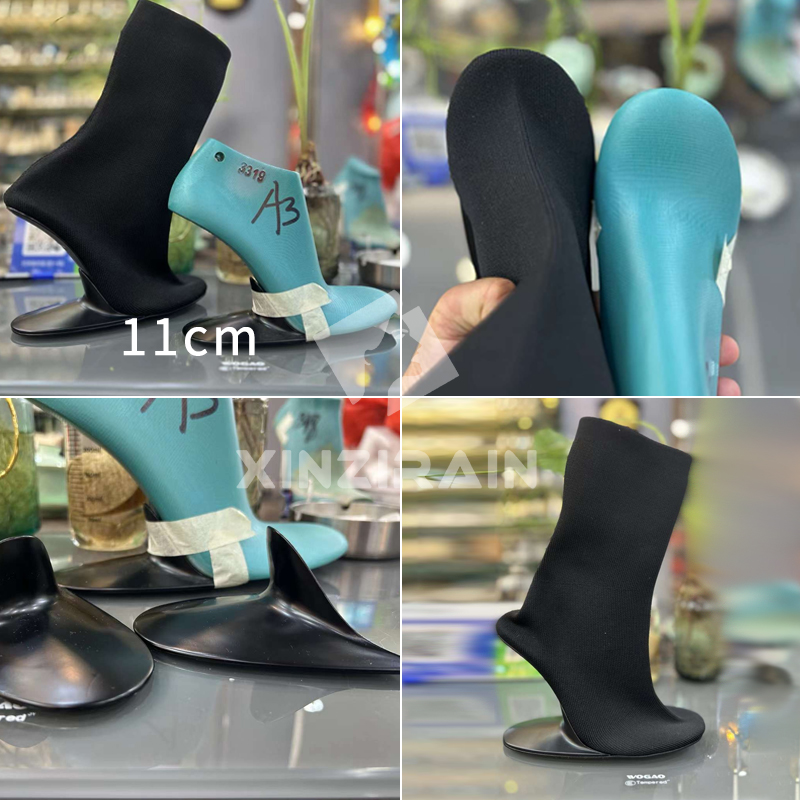
Footwear Industry Industry Giant Supplies the World\u2019s Top Brands
Top Selling Products



- Related Blog
- Reviews
- Reviews
