
Shoemaking Process: Wholesale Manufacturer Guide
I’m deeply invested in the Shoemaking Process that turns raw materials into durable footwear for wholesale markets. As a Manufacturer, I control every step—from pattern design and cutting to stitching and final finishing—so you get consistency at scale. My team uses tried-and-true methods and modern tech, but I still value hands-on quality checks in every batch. When you buy through Wholesale channels, you save with flexible MOQs, bulk pricing, and predictable lead times. I can tailor uppers, linings, and sole options to meet your brand specs, while maintaining comfort and durability. Each pair goes through a multi-stage QC, including fit tests and wear simulations, so you won’t be surprised by returns. Fast prototyping means I can present samples quickly, with minimal risk. If you need dependable supply, transparent costing, and a partner who treats your private label as seriously as your revenue, I’m here to help.
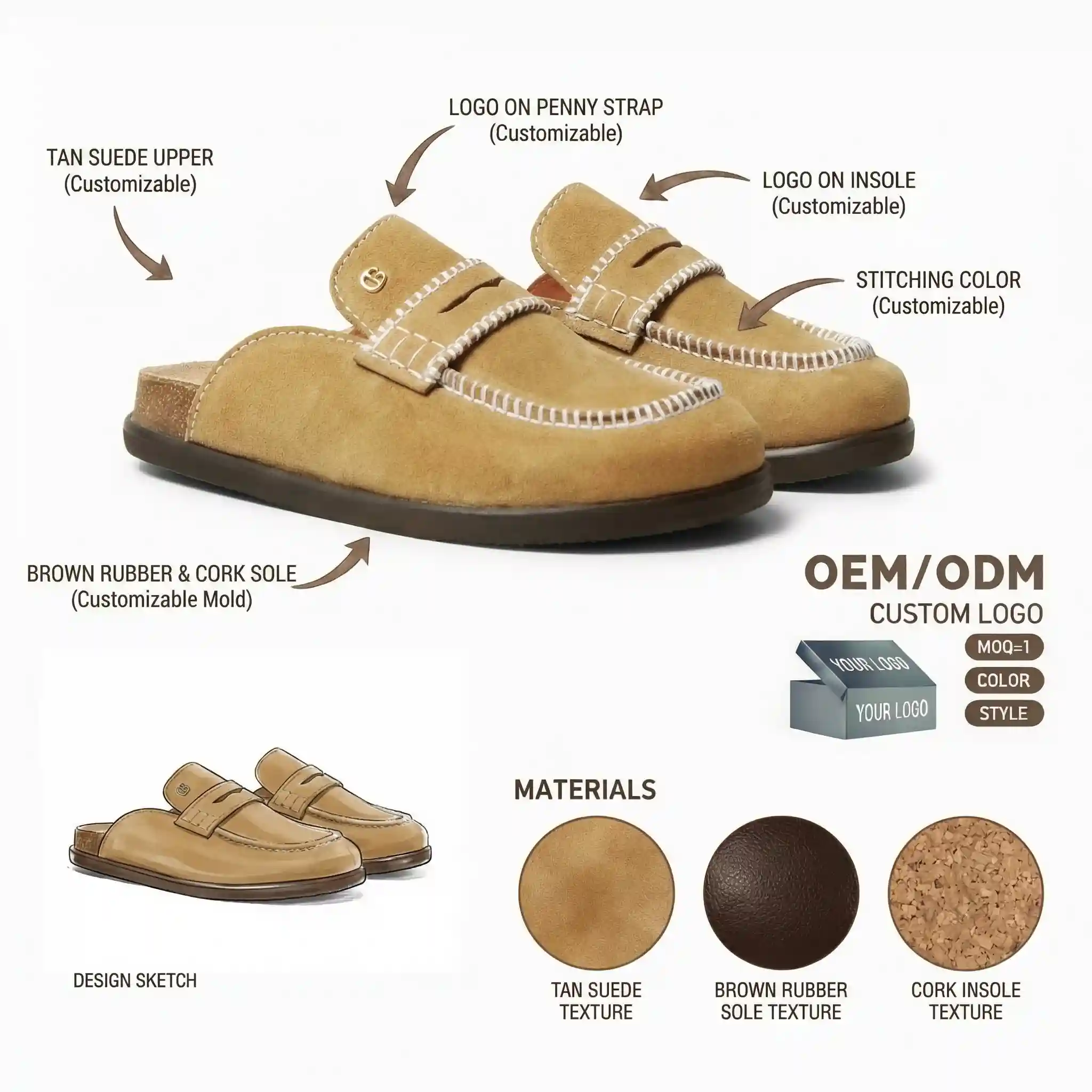

Shoemaking Process Delivers Unmatched Quality More Than a Supplier - A Partner
In a world of commoditized sourcing, true value comes from a partner who turns ideas into reliable quality. A comprehensive shoemaking process begins with careful material selection and ends with dependable performance, achieved only when every step is owned and optimized across teams. By integrating design, prototyping, tooling, and production into a single workflow, manufacturers gain real-time visibility into costs, timing, and quality, enabling proactive decisions. The result isn’t just a product, but a shared standard of excellence—delivered on time, with traceability and ethical sourcing at every stage. From pattern development to final assembly and rigorous inspection, the process captures the details global buyers demand: durability, comfort, precise fit, and consistent sizing, paired with sustainable packaging. The supply chain offers flexibility: scalable capacity, clear communication, transparent pricing, and rapid sampling to align with trends. The outcome is a true partnership that reduces risk, shortens time-to-market, and builds a lasting competitive edge through collaborative specification and continuous feedback.
{ Shoemaking Process Delivers Unmatched Quality More Than a Supplier - A Partner}
| Stage | Typical Duration (min) | Defect Rate (%) | Rework Rate (%) | Yield (%) | Energy per Pair (kWh) | Operator Experience (years) |
|---|---|---|---|---|---|---|
| Material Cutting | 15 | 1.8 | 0.5 | 98.5 | 0.20 | 2 |
| Skiving | 12 | 1.1 | 0.3 | 98.4 | 0.15 | 2 |
| Stitching | 20 | 2.2 | 0.7 | 97.3 | 0.25 | 3 |
| Lasting | 18 | 1.4 | 0.5 | 98.1 | 0.18 | 3 |
| Shaping & Stiffening | 14 | 0.9 | 0.4 | 98.5 | 0.10 | 3 |
| Finishing | 16 | 1.3 | 0.6 | 98.2 | 0.12 | 2 |
| Quality Check | 6 | 0.6 | 0.2 | 99.0 | 0.05 | 1 |
| Packaging | 8 | 0.4 | 0.1 | 99.5 | 0.03 | 1 |
Related Products


Shoemaking Process Supplier Exceeds Industry Benchmarks
Top Selling Products





- Related Blog
- Reviews
- Reviews
