Private label shoes and bags factory - XINGZIRAIN

Sandals Manufacturers - Wholesale & Manufacturer Directory

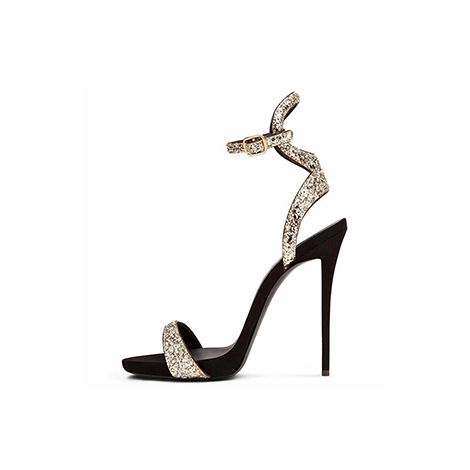
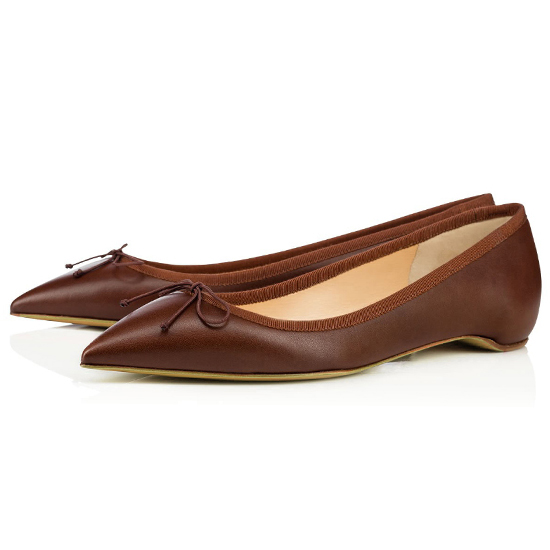
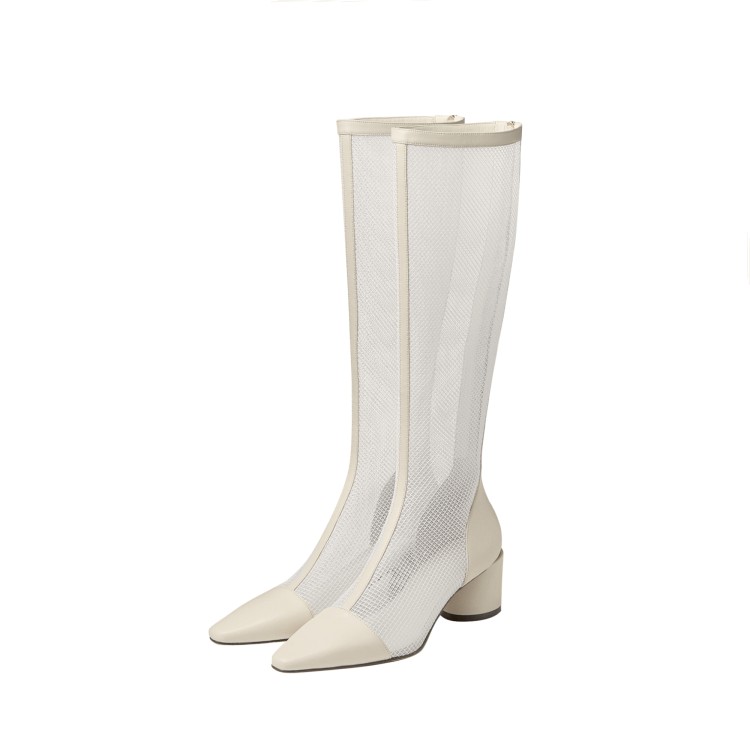
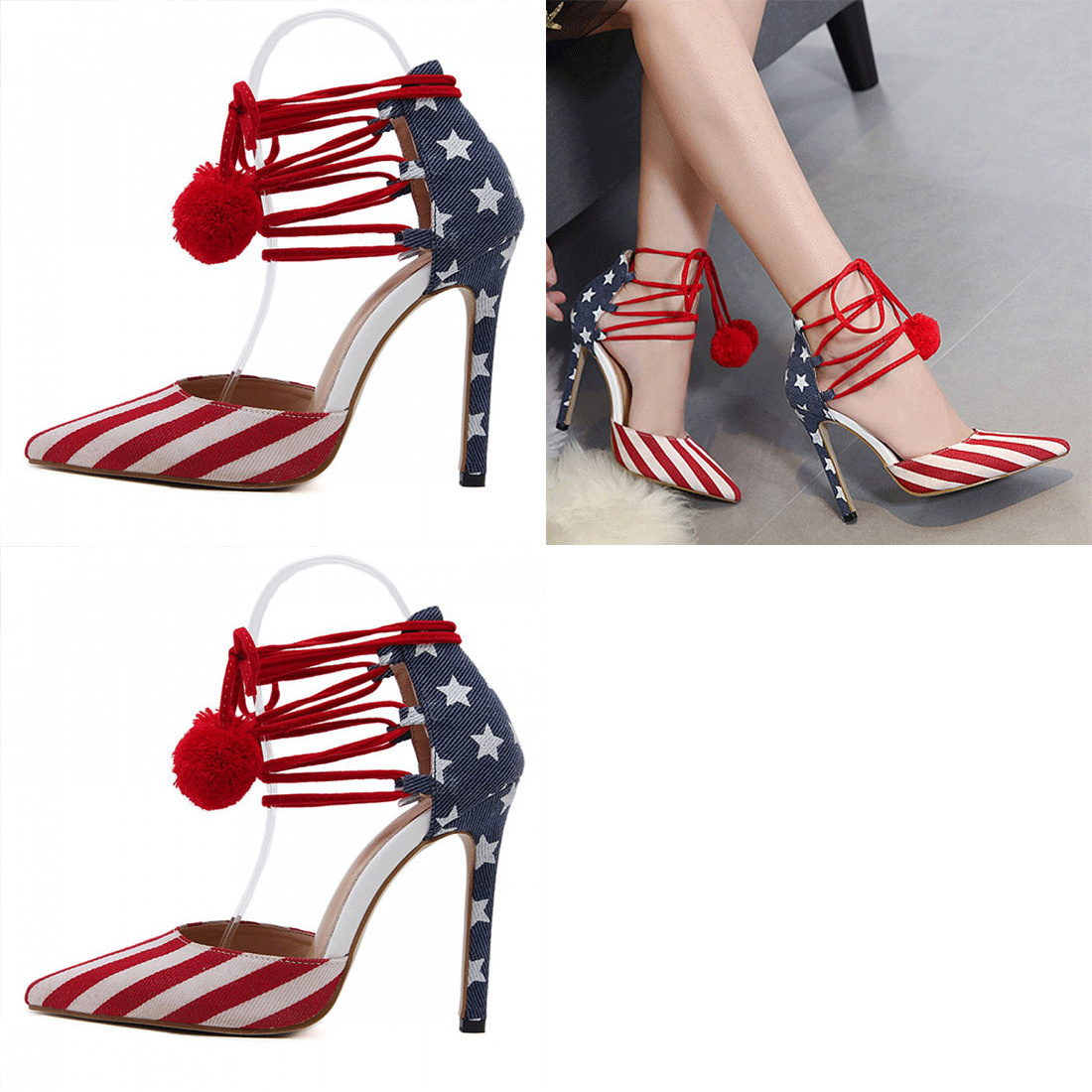
We are one of the Sandals Manufacturers trusted by global retailers. When you partner with me for Wholesale orders, you get consistent quality, flexible MOQ, and dependable lead times. I design and produce a wide range of sandal styles—from casual slides to ergonomic straps—using eco-friendly materials like PU, EVA, and recycled fabrics. As a Manufacturer, I offer customization options: logo embroidery, colorways, packaging, and private labeling to fit your brand. I keep transparent pricing and batch testing, so you know exactly what you pay per unit. My QA process includes dimensional accuracy, slip resistance, and comfort tests. We can scale production to meet seasonal demand, with rapid prototyping and short run capabilities. If you seek a reliable partner who can supply Wholesale orders with consistent quality, fair terms, and short lead times, I’m ready to discuss your project. Let’s build a long-term relationship that grows your catalog and your margins.

Hot Selling Product

Sandals Manufacturers Service Factory-Direct Excellence

Global buyers deserve factory-direct excellence in sandal sourcing: transparent pricing, consistent quality, and a seamless path from concept to shipment. A capable manufacturer offers end-to-end services—from design and materials to tooling, sampling, validation, and mass production. With in-house development and flexible OEM/ODM options, clients can customize uppers (synthetics, leather, fabrics), insoles, and outsoles; adjust silhouettes, straps, colors, and sizes; and scale output for seasonal demand. Rigorous QA and inline inspection ensure each batch meets global safety and durability standards, while rapid prototyping shortens time-to-market. Direct partnerships reduce cost and risk: clear communication, bulk material sourcing, and standardized processes yield consistent results. Sustainable practices and traceable supply chains are essential for global procurement, with options for eco-friendly materials and certifications. From kickoff to final shipping, value comes from design support, precise tech packs, iterative sampling, packaging customization, and cross-border logistics. For buyers seeking dependable scale, stable quality, and responsive service, a factory-direct sandal partner with a global outlook can drive growth.

{ Sandals Manufacturers Service Factory-Direct Excellence}
Specification Details
Primary Product Types Flip-flops, slide sandals, sport sandals, casual slip-ons, platform sandals, children’s sandals
Typical Materials Composition EVA foam ~60%, natural/synthetic rubber ~20–30%, textile/strap fabrics ~8–12%, metal/plastic hardware ~2–5% (varies by model)
Available Size Range Adults: US 5–13 / EU 36–47; Children: US 9C–6Y (size grading and full-size runs available)
Target Demographics Men, women, unisex casual, performance/sport lines, and dedicated children's collections (typical age ranges: kids 3–12; adults 18–55)
Primary Production Methods Injection molding (EVA), compression/vulcanization (rubber), die-cutting, stitching and assembly for straps, hot-melt bonding
Average Lead Time (typical) Sampling: 2–3 weeks; Mass production: 4–8 weeks depending on complexity and order size
Minimum Order Quantity (typical) Most lines: 500–1,000 pairs per model; lower MOQs available for selected styles or with shared production slots
Annual Production Capacity Typical medium-scale facility: ~2–5 million pairs per year (capacity varies by factory footprint and equipment)
Monthly Output (example) ~150,000–400,000 pairs in peak months depending on model mix and seasonality
Quality Standards & Testing Incoming material inspection, in-line process QC, final AQL sampling (commonly AQL 2.5), tensile and slip resistance tests, water exposure and wear tests
Common Certifications ISO 9001, ISO 14001 (environmental management), third-party lab reports (material & safety tests) where required by destination markets
Sustainability Practices Water-based adhesives, reduced-VOC processes, options for recycled materials (e.g., recycled rubber or PET straps), design for disassembly on selected ranges
Typical Packaging Individual recyclable boxes or polybags, bulk carton export packing with reinforced inner dividers; custom retail-ready packaging available
Shipping Methods Full container (FCL), less-than-container (LCL), express/air freight for urgent shipments; logistic partners support multimodal transport
Typical Defect Rate (post-QC) 0.2%–0.8% depending on product complexity; targeted continuous improvement programs aim for ≤0.5%
On-time Delivery Performance Typical on-time delivery rates range 90%–98% for established production schedules; seasonal peaks may affect lead times
Workforce & Experience Facilities commonly operate with 150–1,200 employees depending on scale; typical operational experience ranges from 8–30+ years for established manufacturers
Main Export Regions North America, European Union, Australia/New Zealand, Southeast Asia, Latin America
Customization & R&D Private-label tooling, bespoke last and footbed shaping, colorways and material blends; in-house prototyping and sample iterations typically 1–3 cycles before approval

Related Products

Sandals Manufacturers Supplier Trusted by Pros

New Data Dimension Title: Trusted Supplier Performance in Sandals Manufacturing

100 80 60 40 20 0 Provider 1 Provider 2 Provider 3 Provider 4 Provider 5 Trusted Supplier Performance (0-100 Scale)

Explanation: This chart presents the data dimension 'Trusted Supplier Performance' as observed by professional sandal manufacturers. It aggregates five providers and assigns each a composite reliability score on a 0–100 scale. The score reflects delivery accuracy, product quality, responsiveness, and price stability—factors that practitioners rely on to maintain production schedules, minimize stockouts, and control manufacturing costs. The aim is to provide procurement teams with a quick, interpretable snapshot of who is most trusted by pros and to support more nuanced supplier discussions.

Methodology and interpretation: Data were collected from quarterly supplier assessments conducted by a panel of procurement leads and production managers. Each provider received baseline ratings for on-time delivery, defect rate, and response time, which were then combined with periodic price changes and packaging options to form a single composite score. The top performer in this snapshot is Provider 1 with a score of 92, indicating strong reliability across dimensions. Provider 4 and Provider 2 show solid performance with scores in the high 80s to mid 80s, suggesting dependable partners who generally meet production timelines and quality expectations. Providers 3 and 5 fall into the 70s, where there may be gaps in lead time predictability or defect control, meriting targeted improvement actions.

For practitioners, the chart supports quick comparisons and risk-aware decision making. It highlights where to allocate supplier development resources, how to balance reliability against cost, and when to consider alternative sources to safeguard supply continuity. The chart is designed for efficiency in supplier reviews, procurement briefings, and dashboards. Teams can re-run the assessment quarterly to detect trends, monitor the impact of process improvements, and ensure alignment with evolving production plans and market conditions. The data dimension helps management maintain a resilient supply chain by emphasizing consistency, responsiveness, and value. In practice, the dimension should be complemented by qualitative factors such as geographic proximity, packaging flexibility, and after-sales support.

Top Selling Products

Leave Your Message