
Casual Shoes Supplier - Wholesale Manufacturer Directory
I’m a Casual Shoes Supplier who knows what Wholesale and Manufacturer buyers want: dependable supply, consistent quality, and flexible terms. We offer a streamlined, scalable range of casual footwear made for high turnover and mixed catalogues. As a manufacturer ourselves, I can align production schedules with your demand, keep MOQ agreeable, and provide ODM/OEM options, custom colors, sizes, and packaging. My team runs strict QC checks at every stage, ensuring you receive footwear that meets international standards. We source durable uppers, cushioned insoles, and slip-resistant outsoles to stand up to daily wear. Lead times are reasonable, and I can consolidate shipments to reduce freight complexity for wholesalers or retail chains. If you’re seeking a reliable Casual Shoes Supplier to support Wholesale programs or collaborate as a Manufacturer partner, reach out and we’ll tailor a plan that fits your market, volumes, and timelines.

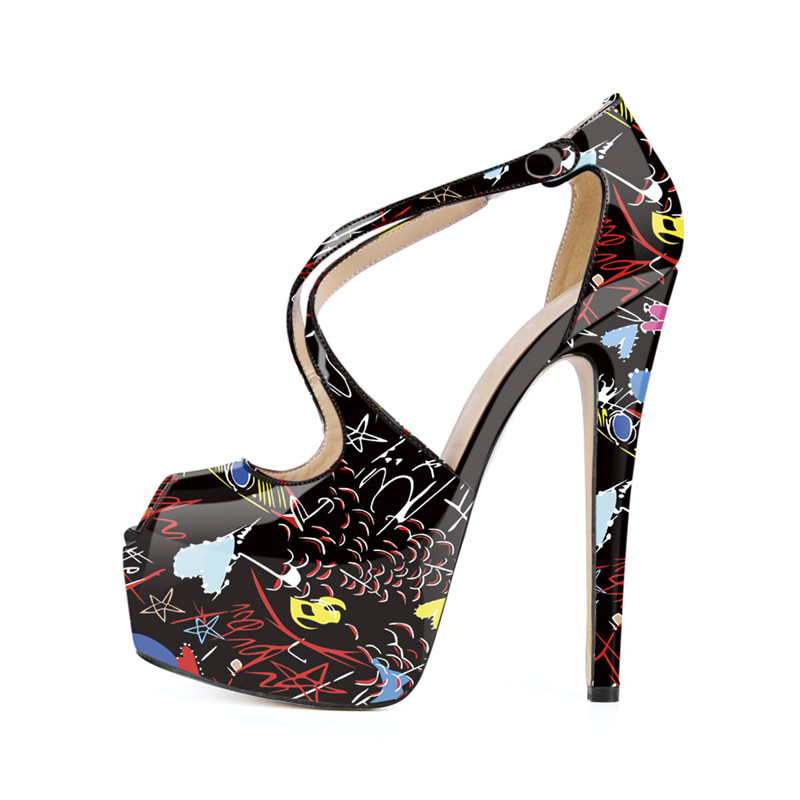


Casual Shoes Supplier Manufacturer Your Trusted OEM Partner
As a casual shoes supplier and manufacturer with full OEM capabilities, we turn global buyers' ideas into ready-to-sell products. From concept and 3D samples to tooling and mass production, our end-to-end process minimizes risk and shortens time-to-market. We offer a wide range of upper materials—canvas, knit, and leather alternatives—plus diverse midsole/outsole options for private labels and co-branded lines. Flexible colors, sizing, and packaging help tailor products to regional markets while keeping costs predictable. With scalable production lines, automated quality checks, and a strong supplier network, we ensure consistent fit, durability, and safety across batches. Our OEM services cover design optimization, size scaling, and certified testing to meet international standards, along with transparent pricing, realistic minimums, and dependable lead times. We support efficient logistics and flexible terms to reduce risk and grow your brand globally, partnering with a trusted supplier who adapts as markets evolve.
Casual Shoes Supplier Manufacturer Your Trusted OEM Partner
| Model Code | Category | Upper Material | Lining Material | Insole Material | Outsole | Size Range | Weight per Pair (g) | Lead Time (days) | MOQ (units) | Certification | Origin |
|---|---|---|---|---|---|---|---|---|---|---|---|
| CS-01 | Casual | Canvas | Nylon mesh | EVA foam | Rubber | US 6-12 (EU 39-46) | 320 | 14 | 500 | ISO 9001 | China |
| CS-02 | Casual | Leather (PU-coated) | Polyester mesh | PU foam | Rubber | US 5-11 | 360 | 18 | 1000 | ISO 14001 | Vietnam |
| CS-03 | Casual | Knit Mesh | Textile | EVA | EVA | US 6-13 | 310 | 12 | 800 | BSCI | China |
| CS-04 | Casual | Synthetic Leather | Cotton | Ortholite | Rubber | US 7-12 | 340 | 20 | 600 | ISO 9001; OEKO-TEX | Bangladesh |
| CS-05 | Casual | Canvas + Suede | Textile | EVA | Rubber | US 6-10 | 330 | 16 | 400 | ISO 9001 | Vietnam |
| CS-06 | Casual | Mesh + Knit | Textile | EVA with antimicrobial layer | Rubber | US 5-11.5 | 315 | 15 | 1500 | OEKO-TEX | China |
| CS-07 | Casual | Leather | Leather | PU | EVA | US 8-14 | 410 | 22 | 900 | ISO 9001 | Portugal |
| CS-08 | Casual | Recycled Polyester | Mesh | Cork + EVA | Rubber | US 5-12 | 295 | 14 | 700 | GRS | Indonesia |
| CS-09 | Casual | Knit Tech | Textile | EVA | PU | US 6-11 | 305 | 13 | 600 | ISO 9001 | Vietnam |
| CS-10 | Casual | PU-coated Mesh | Textile | EVA | Rubber | US 6-10.5 | 315 | 17 | 1200 | ISO 45001 | India |
Related Products


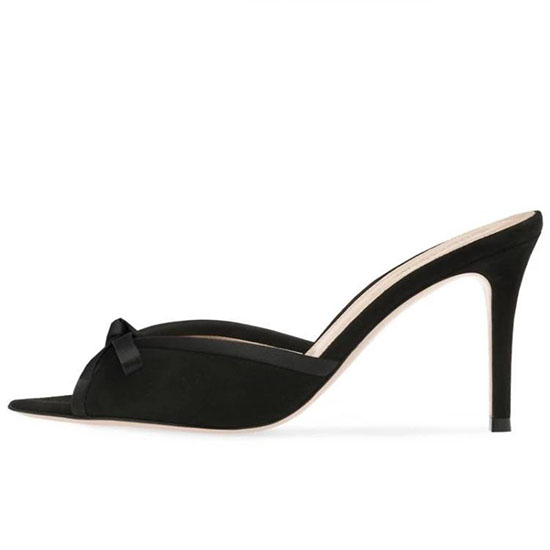
Casual Shoes Supplier Where Innovation Meets 2025 Supplies the World\u2019s Top Brands
Top Selling Products



- Related Blog
- Reviews
- Reviews
